
Russia warns of nuclear arms race due to NATO's influence in Asia-Pacific
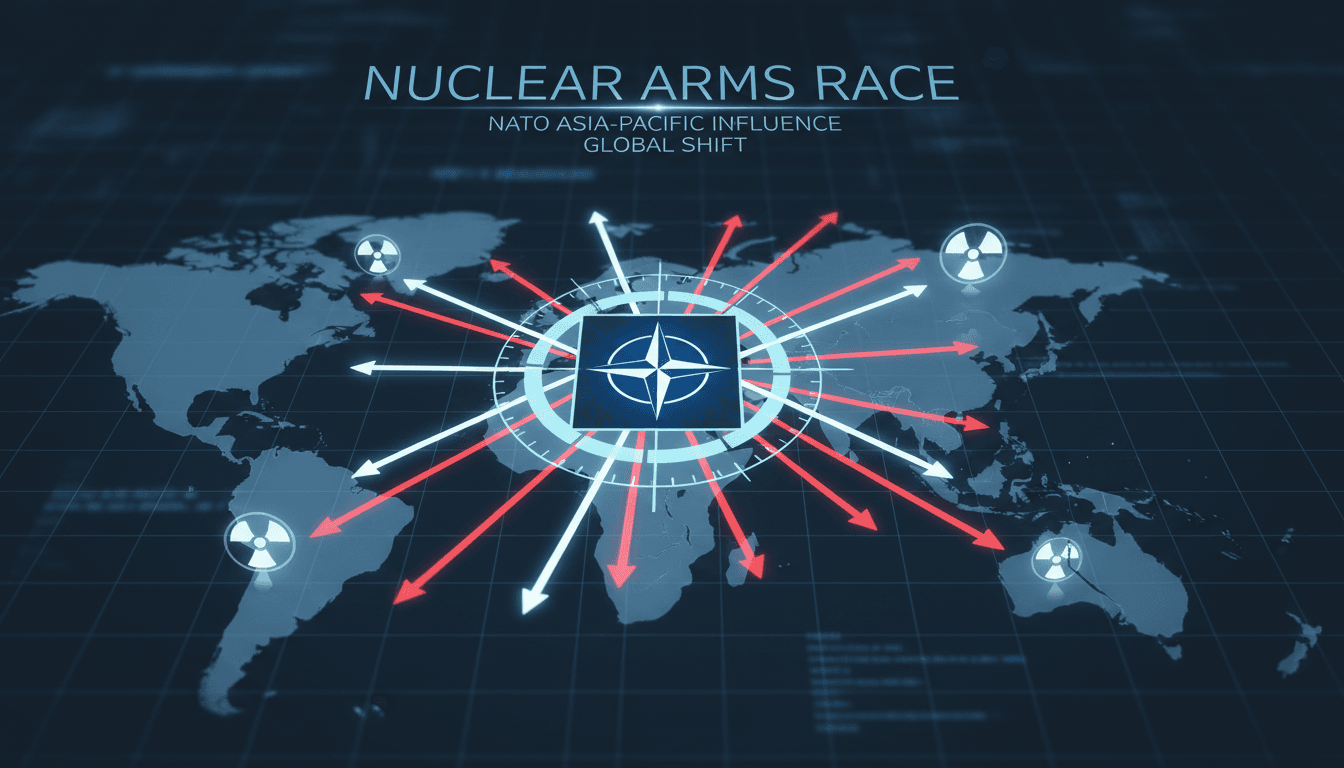
Here's what it means for you.
The recent statements from Russian Foreign Minister Sergey Lavrov highlight a growing concern over NATO's expansion in the Asia-Pacific region and its implications for global security. As nations increasingly perceive nuclear capabilities as essential for sovereignty, the geopolitical landscape may shift dramatically. This situation could lead to heightened tensions and a potential arms race, impacting international relations and market stability. The focus on nuclear armament raises critical questions for policymakers and businesses alike, as the specter of conflict looms larger. Stakeholders must remain vigilant to navigate the complexities of this evolving security environment.
What happened
Russian Foreign Minister Sergey Lavrov has voiced significant concerns regarding NATO's expansion in the Asia-Pacific region. He specifically pointed to Germany's potential nuclear ambitions as a troubling development. Lavrov warned that such international pressures could lead nations to view nuclear weapons as the only viable means to ensure their sovereignty and national security.
His remarks come amid rising geopolitical tensions, particularly following the U.S. withdrawal from the nuclear agreement and Israel's non-compliance. Lavrov's statements underscore the urgency of addressing these security concerns to prevent further escalation.
The Context
The backdrop of Lavrov's warnings includes a broader trend of militarization in the Asia-Pacific, which he attributes to NATO's influence. He emphasized the right of nations to pursue nuclear programs for peaceful purposes while criticizing Western policies that he believes undermine global stability. The current geopolitical uncertainty has intensified, particularly in light of recent developments in international agreements.
As nations grapple with these dynamics, the implications for global security are profound. The potential for a nuclear arms race could reshape the strategic landscape in both Europe and Asia, necessitating careful diplomatic engagement to mitigate risks.
Takeaway
Looking ahead, it is crucial to monitor NATO's activities in the Asia-Pacific region and the responses from Germany and other nations regarding nuclear armament discussions. The ongoing geopolitical tensions may prompt more countries to consider nuclear capabilities as a necessary measure for their security.
As these developments unfold, the international community must engage in proactive diplomacy to prevent further escalation and maintain stability in the region.
Arabic-language coverage of international news and geopolitics.
"RT Arabic is a Russian state-funded outlet often criticized for promoting Kremlin-aligned narratives."
— A47 Editor
لافروف يحذر من مخاطر عسكرة منطقة آسيا والمحيط الهادئ بسبب تغلغل الناتو فيها
Russian Foreign Minister Sergey Lavrov warned during the East Asia Summit about the dangers of militarization in the Asia-Pacific region, attributing this concern to NATO's increasing influence in the area. He emphasized the potential risks associate...
Arabic-language coverage of political affairs and current events.
"Okaz political coverage typically follows mainstream Saudi framing on national and regional affairs."
— A47 Editor
هل يصبح السلاح النووي الضمانة الوحيدة لحماية السيادة؟
Russian Foreign Minister Sergey Lavrov warned of the consequences of Western policies in the Asia-Pacific region, suggesting that international pressures and breaches of security agreements may lead countries to view nuclear weapons as the only means...
Arabic-language coverage of international news and geopolitics.
"RT Arabic is a Russian state-funded outlet often criticized for promoting Kremlin-aligned narratives."
— A47 Editor
لافروف: روسيا قلقة إزاء الأنباء حول سعي ألمانيا للحصول على سلاح نووي
Russian Foreign Minister Sergey Lavrov expressed Moscow's concerns regarding reports that Germany intends to acquire nuclear weapons. This statement highlights the growing apprehension in Russia about potential shifts in Germany's defense strategy an...