
Severe wildfires prompt mass evacuations across southern Europe and North America
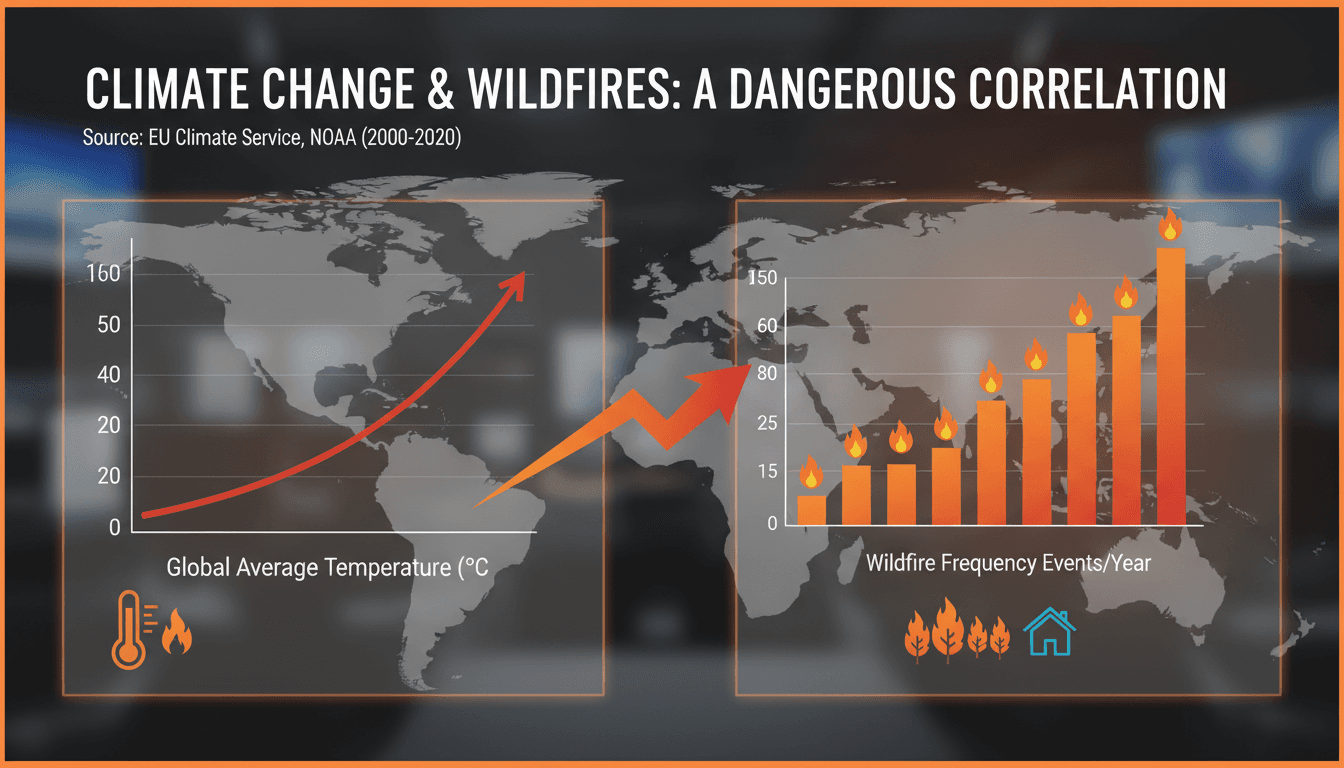
Here's what it means for you.
The ongoing wildfires in southern Europe and North America underscore the urgent need for enhanced climate policies and wildfire management strategies. As tens of thousands of people are displaced, the economic and social impacts on affected communities are profound. This situation highlights the increasing frequency and intensity of wildfires, which are expected to worsen as climate change accelerates. The implications extend beyond immediate evacuations, affecting air quality and public health in major cities. Stakeholders must prioritize comprehensive strategies to mitigate these risks and protect vulnerable populations.
What happened
Tens of thousands of people have been evacuated from their homes due to severe wildfires raging across southern Europe and parts of North America. The wildfires have been fueled by extreme heatwaves, creating conditions that have led to one of the worst wildfire seasons in two decades for the European Union. Reports of these devastating fires began emerging on July 23, 2026, with authorities confirming mass evacuations the following day.
The wildfires have not only displaced residents but have also caused significant air quality issues in major cities across Canada and the United States. The scale of the evacuations reflects the widespread impact of these fires on communities, particularly in affluent tourist areas in southern Europe.
The Context
The current wildfire season is marked by unprecedented heatwaves that have exacerbated conditions for wildfires, increasing their frequency and intensity. This alarming trend highlights the growing threat posed by climate change, which is expected to worsen the conditions for wildfires as global temperatures rise. The situation has drawn attention from policymakers and environmental advocates alike, emphasizing the need for urgent action.
As communities grapple with the immediate effects of the wildfires, the long-term implications for public safety and environmental health are becoming increasingly clear. The combination of extreme weather and human activity necessitates a reevaluation of existing policies and strategies related to climate action and wildfire management.
Takeaway
The ongoing wildfires serve as a stark reminder of the urgent need for comprehensive climate policies and improved wildfire management strategies. As the frequency and severity of wildfires continue to rise, monitoring ongoing containment efforts in Europe and North America will be crucial. Stakeholders should also keep an eye on potential policy changes aimed at addressing the root causes of climate change and enhancing community resilience.
The situation calls for a collaborative approach to mitigate the impacts of wildfires on public health and safety. As the world faces escalating climate challenges, proactive measures will be essential to protect communities and ecosystems from future disasters.
Global political, business, and cultural coverage from WSJ international desks.
"The Wall Street Journal offers extensive international reporting with a reputation for financial insight and a center-right editorial stance."
— A47 Editor
Europe’s Heat Waves Fuel Rash of Wildfires
Europe is currently facing a severe heatwave, leading to widespread wildfires that have forced the evacuation of tens of thousands of people, including from popular tourist destinations. The extreme temperatures have exacerbated the situation, with r...
Pan-Arab news coverage spanning politics, business, sports, and regional affairs.
"Asharq Al-Awsat reflects a broad Arab editorial perspective with strong attention to regional geopolitics."
— A47 Editor
حرائق غابات عنيفة تجتاح جنوب أوروبا وتتسبب في إجلاء آلاف الأشخاص
Violent wildfires are sweeping through Southern Europe, leading to the evacuation of thousands of people. This year ranks as the second highest in terms of area burned by fires in the European Union over the past two decades.