
Switzerland rejects US forced labor allegations amid new tariff imposition
Here's what it means for you.
The recent imposition of a 12.5% tariff on Swiss imports by the U.S. signals escalating trade tensions that could impact various sectors reliant on Swiss goods. Businesses and policymakers must navigate these complexities as they assess the implications for future trade agreements. The strong rebuttal from Switzerland highlights the importance of international labor standards and the potential for diplomatic discussions to reshape trade dynamics.
What happened
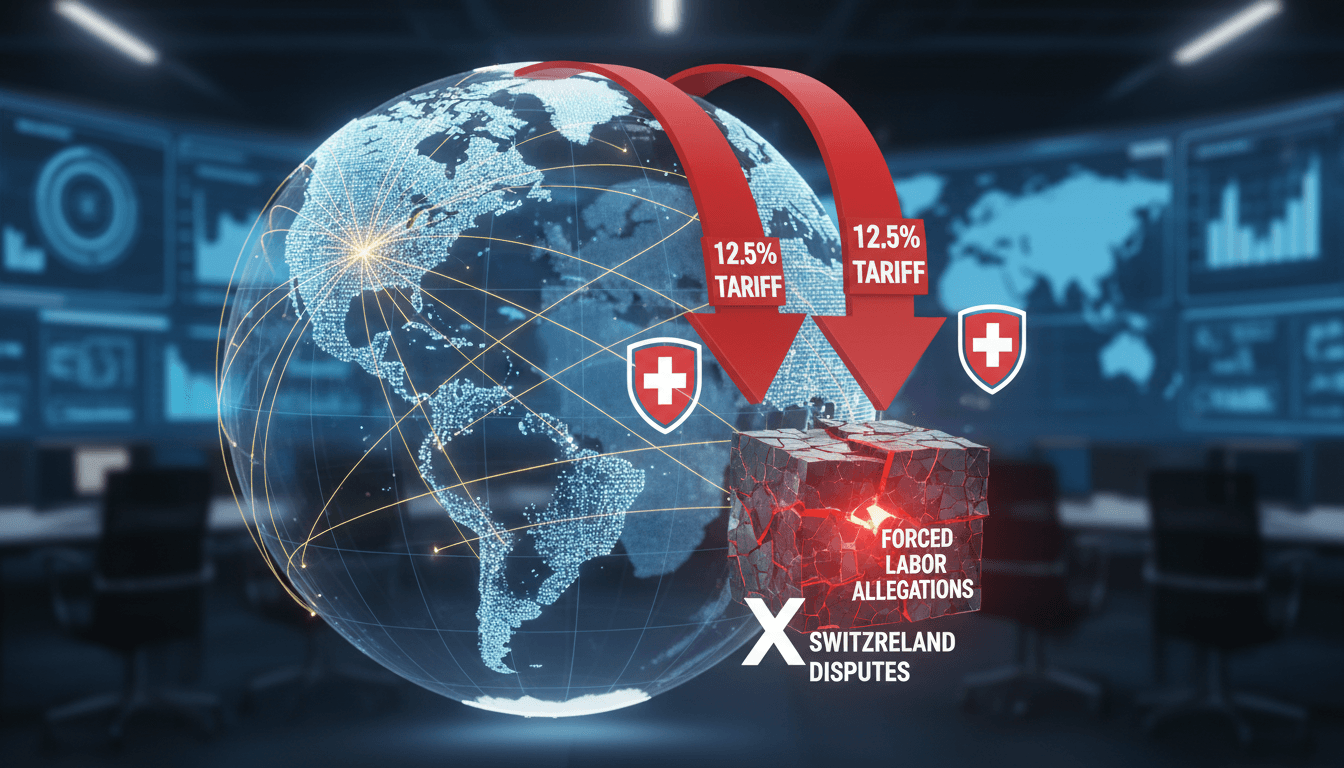
On July 24, 2026, the U.S. imposed a 12.5% tariff on Swiss imports, citing allegations of forced labor. Switzerland has strongly disputed these claims, asserting that it has implemented adequate measures to combat forced labor practices. The Swiss business association Economiesuisse labeled the tariff as unjustified, emphasizing that the allegations are unfounded.
This tariff is part of a broader trade policy initiated under the Trump administration, which has seen increased scrutiny of labor practices in international trade. The ongoing dispute underscores the complexities of U.S.-Swiss trade relations and the potential for further diplomatic engagement.
The Context
The imposition of tariffs based on allegations of forced labor reflects a growing trend in international trade where labor standards are increasingly scrutinized. Switzerland's Economiesuisse argues that the claims against the country are not supported by evidence, highlighting the nation's commitment to ethical labor practices. This situation illustrates the delicate balance between trade policies and human rights considerations.
As both nations navigate this dispute, the outcome may influence future tariffs and trade agreements, particularly in sectors that rely heavily on Swiss imports. The timing of these developments is critical, as they come amid broader discussions on trade relations between the U.S. and its partners.
Takeaway
Looking ahead, potential responses from Swiss authorities regarding the tariff will be crucial in shaping the next steps in this trade dispute. Future trade negotiations between the U.S. and Switzerland may also emerge as both countries seek to address the underlying issues. The ongoing tensions could lead to further diplomatic discussions aimed at resolving the allegations and mitigating the impact of the tariff.
As the situation evolves, stakeholders will need to remain vigilant and adaptable to the changing landscape of international trade relations.
Social/economic commentary and analysis relevant to business and markets.
"WSJ blends data-driven economic insight with commentary on policy and society."
— A47 Editor
Switzerland Rejects Forced Labor Accusations After U.S. Imposes New Tariffs
Switzerland has officially rejected allegations from the United States regarding forced labor practices, coinciding with the imposition of a new 12.5% tariff on Swiss imports by the Trump administration. This tariff is part of a broader U.S. trade po...
Pan-Arab news coverage spanning politics, business, sports, and regional affairs.
"Asharq Al-Awsat reflects a broad Arab editorial perspective with strong attention to regional geopolitics."
— A47 Editor
سويسرا ترفض مزاعم واشنطن بشأن العمل القسري بعد إعلان رسوم جديدة
The Swiss business association Economiesuisse has criticized the recent decision by Washington to impose tariffs on Swiss imports, claiming that the move is unjustified and based on allegations of insufficient action against forced labor.
Key macro releases (CPI, jobs, PMIs), surprise indexes, and market implications.
"Great for data-print awareness and instant read-through to rates and risk assets."
— A47 Editor
Switzerland disputes US forced labour claims as new tariffs take effect
Switzerland has officially disputed claims made by the United States regarding forced labor practices as new tariffs imposed by the U.S. take effect. The U.S. has recently implemented tariffs on numerous trading partners, citing concerns over human r...