
Iran Rejects Oman's Proposal for Joint Management of Strait of Hormuz
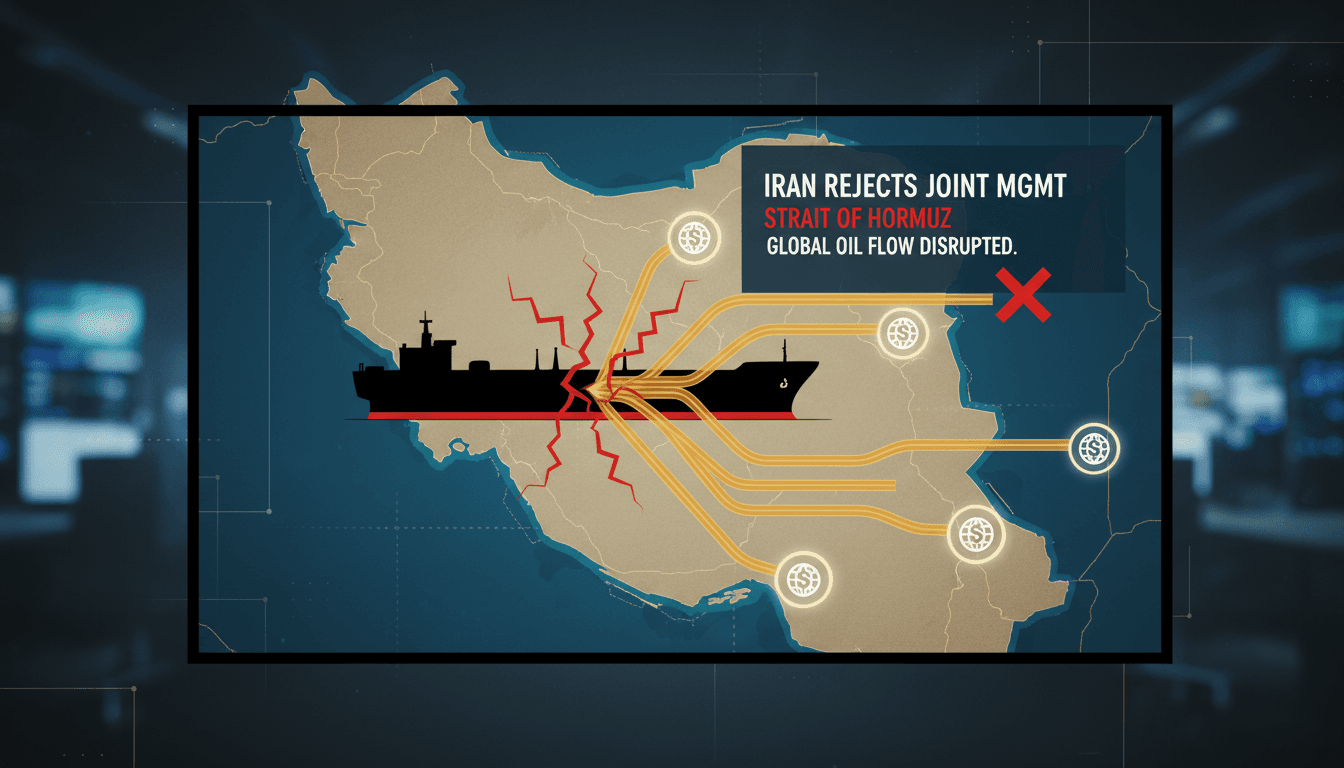
Here's what it means for you.
Iran's rejection of Oman's proposal for shared control over the Strait of Hormuz signals a potential escalation in regional tensions that could disrupt global oil markets. The Strait is a critical passage for approximately one-fifth of the world's oil supply, making any instability in the area a concern for international trade and energy security. Stakeholders in the oil market should closely monitor developments, as further diplomatic initiatives may arise in response to this rejection. The implications of this decision extend beyond immediate trade concerns, potentially affecting diplomatic relations among Gulf states. As Oman has historically played a mediating role, its inability to facilitate a resolution may lead to increased friction in the region.
What happened
Iran has officially dismissed Oman’s proposal for joint management of the strategically vital Strait of Hormuz. This decision comes amid ongoing geopolitical tensions that have disrupted oil supplies from the Gulf for several months. Iranian officials have stated that there is no chance for the success of Oman’s proposal, which aimed to resolve a stalemate affecting trade in the region.
The rejection highlights the complexities involved in managing this critical waterway, which is essential for global oil transit. As tensions persist, the potential for conflict or further diplomatic efforts remains high, impacting regional stability and international trade.
The Context
The Strait of Hormuz is a crucial passage for about 20% of the world's oil supply, underscoring its strategic importance. Oman has historically played a mediating role in regional conflicts, making its proposal significant in the context of ongoing tensions. The rejection of this proposal indicates that geopolitical dynamics in the Gulf region remain fraught and unresolved.
This situation has been a point of contention for several months, with implications for trade and security in the area. As Iran firmly stands against the proposal, the likelihood of escalating tensions increases, which could further complicate the already delicate balance of power in the region.
Takeaway
The rejection of Oman's proposal may lead to further complications in regional trade and security dynamics. Stakeholders should watch for potential responses from Oman and other Gulf states regarding this decision. Future diplomatic efforts to address the ongoing tensions in the Strait of Hormuz will be critical in determining the trajectory of regional stability.
As the situation evolves, the international community will likely seek to engage in dialogue to mitigate the risks associated with heightened tensions. The implications for global oil markets remain significant, warranting close attention from industry observers.
Arabic-language coverage of international news and geopolitics.
"RT Arabic is a Russian state-funded outlet often criticized for promoting Kremlin-aligned narratives."
— A47 Editor
إيران ترفض اقتراح سلطنة عمان بشأن مضيق هرمز
A senior Iranian official announced on Wednesday that Tehran has rejected Oman’s proposal for a joint regional management of the Strait of Hormuz, stating that there is no chance for its success. This decision underscores Iran's stance on maintaining...
Pan-Arab political news and analysis.
"Al-Quds Al-Arabi is a London-based Arabic newspaper known for political coverage."
— A47 Editor
إيران ترفض اقتراح عمان بشأن الإدارة المشتركة لمضيق هرمز
A senior Iranian official announced on Wednesday that Tehran has rejected Oman’s proposal for a joint regional management of the Strait of Hormuz, which has dashed hopes for resolving the ongoing impasse affecting trade from the Gulf for months. Oman...
Jordanian news and regional updates.
"Roya News is a Jordanian outlet focused on breaking news and local affairs."
— A47 Editor
طهران تستبعد مقترح عُمان بشأن الإدارة المشتركة لمضيق هرمز
Tehran has dismissed the proposal from Oman regarding the joint management of the Strait of Hormuz, indicating a rejection of regional administrative cooperation in this strategically vital waterway.