
Iran warns of potential closure of the Strait of Hormuz amid U.S. military escalation
Here's what it means for you.
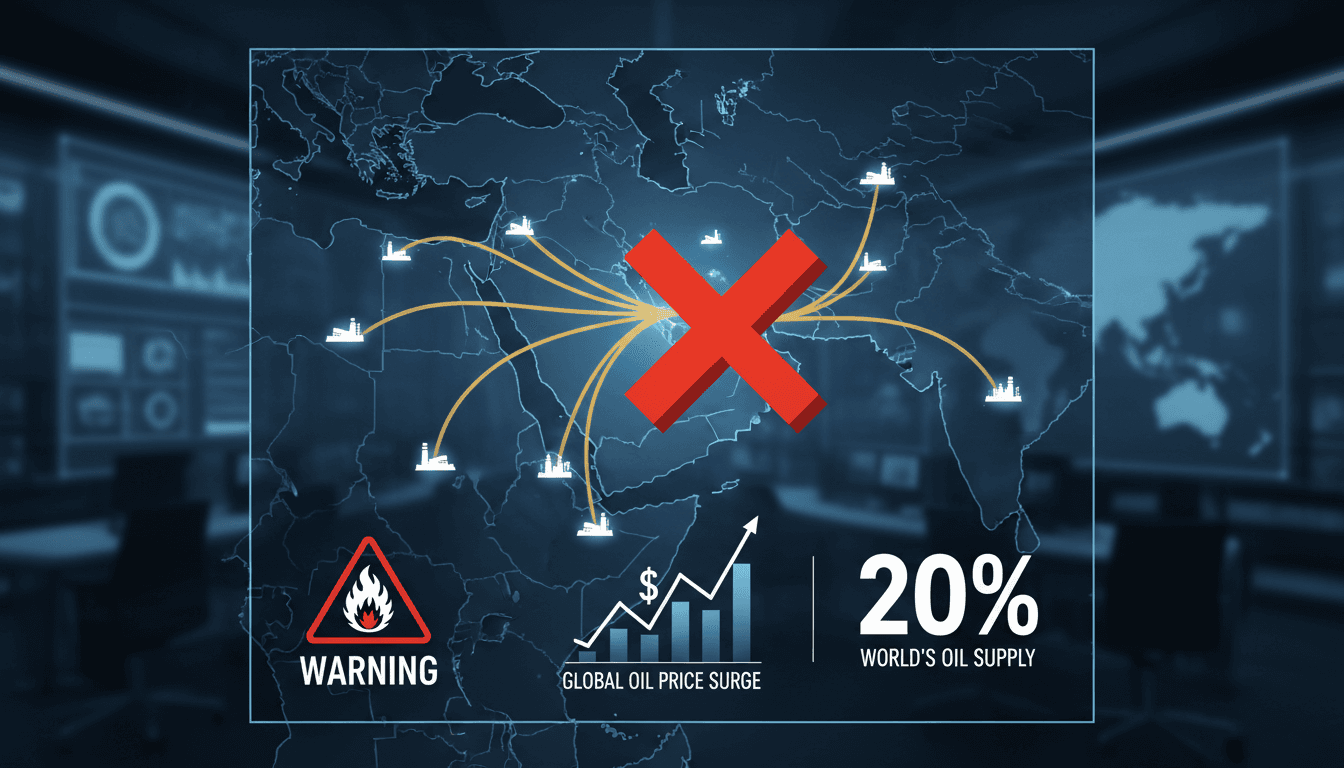
Iran's recent threats regarding the Strait of Hormuz signal a critical juncture in U.S.-Iran relations, with potential ramifications for global oil markets. As approximately 20% of the world's oil passes through this vital chokepoint, any disruption could lead to significant price fluctuations and supply chain challenges. Stakeholders in the energy sector should closely monitor developments, as escalating tensions may prompt shifts in policy and market dynamics. The situation underscores the delicate balance of power in the Persian Gulf, where military posturing can quickly translate into economic consequences. Companies and governments alike must prepare for the possibility of increased volatility in oil prices and supply disruptions.
What happened
Iran's National Security Council Secretary, Mohammad Baqer Zolqadr, has issued a stark warning that the ongoing escalation of U.S. military actions could lead to tighter closures of the Strait of Hormuz and other strategic maritime passages. This statement reflects Iran's response to what it perceives as provocations from the United States, which has recently increased its military presence in the region. The warning was made on August 1, 2026, highlighting the urgency of the situation.
Iran's threats are not new; they are part of a broader strategy to counter U.S. influence and assert control over critical maritime routes. The Strait of Hormuz is a crucial chokepoint for global oil shipments, making its security vital for energy markets worldwide. As tensions rise, the implications for international trade and energy security become increasingly significant.
The Context
The Strait of Hormuz serves as a critical artery for global oil shipments, with around 20% of the world's oil traversing this narrow passage. Iran has historically leveraged threats to control maritime routes, particularly in response to sanctions and military pressure from the U.S. The current escalation follows a pattern of heightened military activity in the region, which Iran views as a direct challenge to its sovereignty.
The geopolitical landscape in the Persian Gulf remains fraught with tension, as both Iran and the U.S. navigate their respective interests. Iran's warning reflects its strategic capabilities and willingness to respond to perceived threats. The situation is further complicated by the broader implications for global energy markets, as disruptions in this region could have far-reaching effects.
Takeaway
The potential for increased military confrontations in the Persian Gulf raises concerns about the stability of global oil supply. Stakeholders should monitor U.S. military movements in the region closely, as any new sanctions or military actions could provoke further responses from Iran. The ongoing situation underscores the importance of diplomatic solutions to mitigate risks and prevent escalation.
As tensions continue to rise, the outlook remains volatile, with the possibility of significant disruptions to oil supply if diplomatic avenues are not pursued. Observers should remain vigilant regarding Iran's responses and the U.S. strategy in the region, as these factors will shape the future of maritime security and global energy markets.
Pan-Arab news coverage spanning politics, business, sports, and regional affairs.
"Asharq Al-Awsat reflects a broad Arab editorial perspective with strong attention to regional geopolitics."
— A47 Editor
ذو القدر يهدد بإغلاق ممرات ومضايق استراتيجية أخرى
Iranian National Security Council Secretary Mohammad Baqer Zolqadr has warned that the ongoing escalation of war could lead to a stricter closure of the Strait of Hormuz and other strategic passages. This statement highlights the potential for increa...
Pan-Arab political news and analysis.
"Al-Quds Al-Arabi is a London-based Arabic newspaper known for political coverage."
— A47 Editor
أمين مجلس الأمن القومي الإيراني يهدد بإغلاق ممرات ومضائق أخرى
Iranian National Security Council Secretary Mohammad Baqer Zolqadr has warned that the continued actions of the United States in escalating tensions could lead to the closure of the Strait of Hormuz and other strategic passages. He expressed these se...
Arabic-language coverage of international news and geopolitics.
"RT Arabic is a Russian state-funded outlet often criticized for promoting Kremlin-aligned narratives."
— A47 Editor
إيران تلوح باللجوء إلى إحكام إغلاق مضيق هرمز وممرات ومضائق استراتيجية أخرى
Iranian National Security Council Secretary Mohammad Baqer Qalibaf has warned that the continued actions of the United States in escalating tensions could lead to tighter control over the Strait of Hormuz and other strategic passages.