
Iran warns of potential closure of the Strait of Hormuz amid escalating US tensions
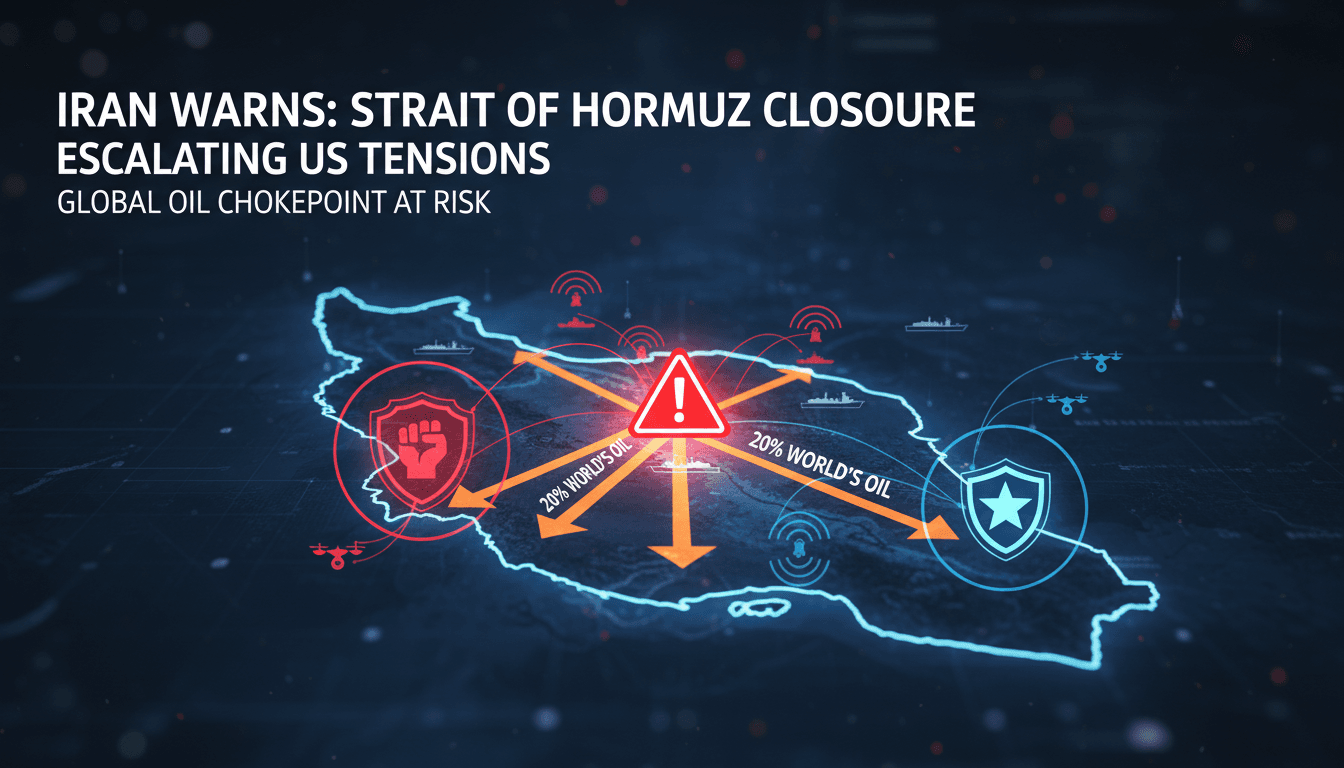
Here's what it means for you.
The warning from Iran regarding the potential closure of the Strait of Hormuz signals a critical juncture in U.S.-Iran relations, with implications for global oil markets. As approximately 20% of the world's oil passes through this vital chokepoint, any disruption could lead to significant price fluctuations and supply chain challenges. Stakeholders in the energy sector should prepare for potential volatility as diplomatic efforts are tested in the coming weeks. The situation underscores the fragility of maritime security in the Gulf region, where military actions and sanctions have historically heightened tensions. Observers will be closely monitoring both Iran's responses and the U.S. military posture in the area.
What happened
Iran's National Security Council Secretary, Mohammad Baqer Zolqadr, issued a stark warning that the ongoing escalation of conflict with the United States could lead to the closure of the Strait of Hormuz and other strategic maritime passages. This statement reflects Iran's readiness to respond to perceived threats from U.S. military actions in the region. The warning was made on August 1, 2026, highlighting the immediacy of the situation.
The Strait of Hormuz is a critical chokepoint for global oil shipments, making its security vital for international energy markets. Iran has a history of leveraging threats to control maritime routes, particularly in response to sanctions and military pressures from the U.S. The current tensions are exacerbated by the U.S. military's ongoing operations in the Gulf.
The Context
The Strait of Hormuz serves as a crucial artery for global oil transportation, with around 20% of the world's oil flowing through it. Iran's threats are often linked to the broader context of U.S. sanctions and military presence in the region, which have historically provoked strong reactions from Tehran. The geopolitical landscape is further complicated by the involvement of various stakeholders, including regional allies and global powers.
As tensions escalate, the international community is increasingly concerned about the potential for military conflict and its implications for global energy security. The timing of Iran's warning coincides with heightened U.S. military activities, which have contributed to a precarious security environment in the Gulf. This backdrop sets the stage for potential disruptions that could reverberate through global markets.
Takeaway
Looking ahead, the situation may escalate further if diplomatic efforts fail to address the underlying tensions between Iran and the U.S. Analysts will be watching for potential military responses from the U.S. or its allies in the region, which could further complicate the security landscape. Additionally, Iran's actions regarding maritime security and oil exports will be critical in the coming weeks.
The international community will remain vigilant, as any disruption in the Strait of Hormuz could have far-reaching consequences for global oil markets and regional stability. Stakeholders should prepare for a dynamic environment as the situation unfolds.
Pan-Arab news coverage spanning politics, business, sports, and regional affairs.
"Asharq Al-Awsat reflects a broad Arab editorial perspective with strong attention to regional geopolitics."
— A47 Editor
ذو القدر يهدد بإغلاق ممرات ومضايق استراتيجية أخرى
Iranian National Security Council Secretary Mohammad Baqer Zolqadr has warned that the ongoing escalation of war could lead to a stricter closure of the Strait of Hormuz and other strategic passages. This statement highlights the potential for increa...
Pan-Arab political news and analysis.
"Al-Quds Al-Arabi is a London-based Arabic newspaper known for political coverage."
— A47 Editor
أمين مجلس الأمن القومي الإيراني يهدد بإغلاق ممرات ومضائق أخرى
Iranian National Security Council Secretary Mohammad Baqer Zolqadr has warned that the continued actions of the United States in escalating tensions could lead to the closure of the Strait of Hormuz and other strategic passages. He expressed these se...
Arabic-language coverage of international news and geopolitics.
"RT Arabic is a Russian state-funded outlet often criticized for promoting Kremlin-aligned narratives."
— A47 Editor
إيران تلوح باللجوء إلى إحكام إغلاق مضيق هرمز وممرات ومضائق استراتيجية أخرى
Iranian National Security Council Secretary Mohammad Baqer Qalibaf has warned that the continued actions of the United States in escalating tensions could lead to tighter control over the Strait of Hormuz and other strategic passages.