
Iran and Oman finalize negotiations to manage shipping in the Strait of Hormuz
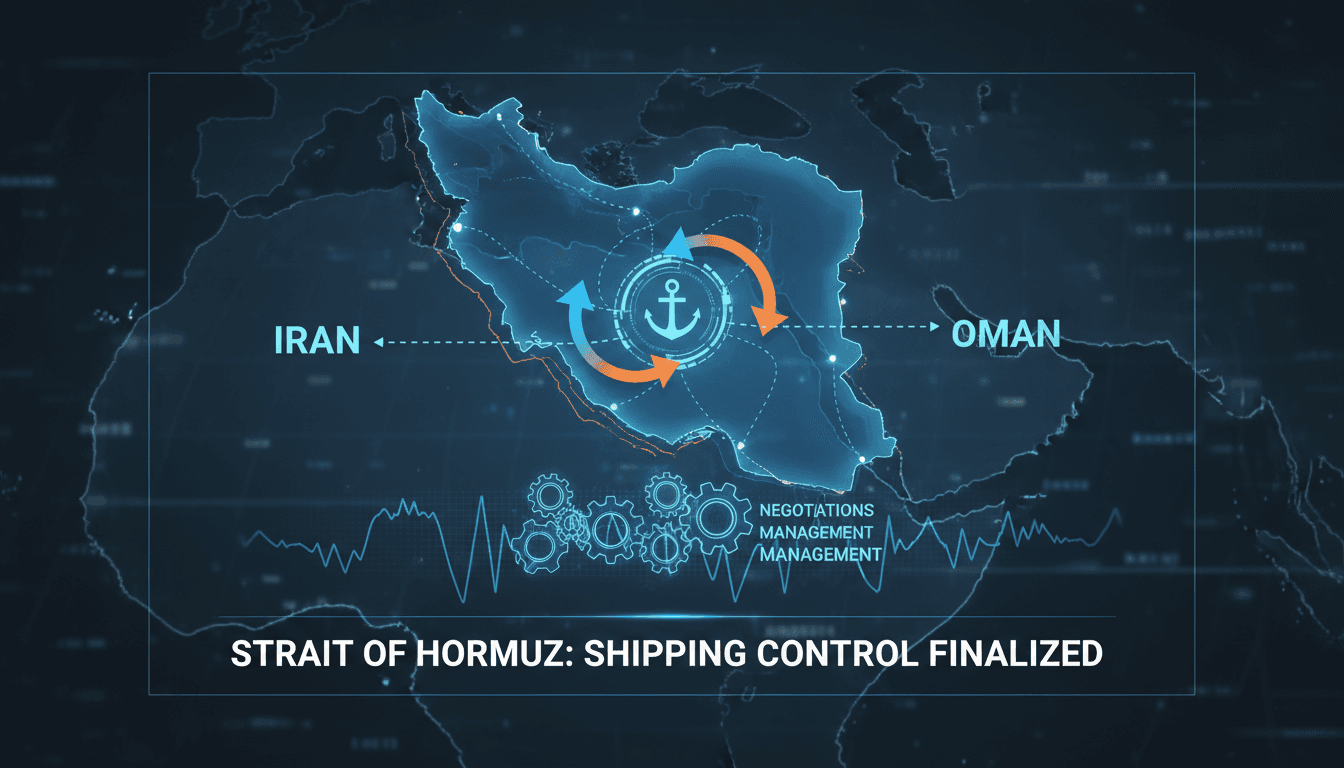
Here's what it means for you.
The ongoing negotiations between Iran and Oman to manage shipping in the Strait of Hormuz could significantly alter the dynamics of global shipping and regional security. As Iran seeks to enhance its control over this critical maritime route, stakeholders in international trade should prepare for potential shifts in shipping routes and costs. The outcome of these discussions may also influence geopolitical relations, particularly with nations reliant on this vital passage for oil transport.
What happened
Iran is currently engaged in negotiations with Oman to establish a new mechanism for managing shipping traffic in the Strait of Hormuz. The Iranian Foreign Ministry has confirmed that these discussions are in their final stages, indicating a potential agreement that could grant Iran greater oversight of shipping activities in this crucial area. This move is seen as a strategic effort by Iran to assert its dominance over a key maritime passage.
The Strait of Hormuz is a vital global shipping route, particularly for oil transport, making the outcome of these negotiations critical for international trade. As Iran works closely with Oman, the implications of this agreement could extend beyond regional borders, affecting global shipping and geopolitical stability.
The Context
The Strait of Hormuz has long been a focal point of geopolitical tension, with Iran's control over the strait carrying significant implications for international shipping and regional security. The negotiations with Oman are viewed as a direct response to ongoing tensions and conflicts in the region, highlighting Iran's intent to solidify its influence over this vital maritime corridor.
Historically, the strait has been considered an international waterway, and any agreement that legitimizes Iran's control could redefine regional power dynamics. As the situation evolves, the reactions from other nations, particularly the U.S. and regional powers, will be crucial in shaping the future of maritime navigation in this area.
Takeaway
As the negotiations progress, the geopolitical landscape in the region may shift, with Iran potentially solidifying its influence over the Strait of Hormuz. Observers should monitor developments closely, particularly any agreements that emerge from these discussions. The implications for global shipping routes could be profound, affecting not only trade but also international relations.
In the coming weeks, reactions from the U.S. and other regional powers will be critical to watch, as they may respond to Iran's increased control over this strategic maritime route. The outcome of these negotiations could set the stage for future maritime dynamics in the region.
Arabic-language coverage of Saudi, regional, and international affairs.
"Al Bilad offers mainstream Saudi newspaper coverage across domestic and broader Arab topics."
— A47 Editor
خطة إيرانية لإدارة الملاحة في هرمز
Iranian sources have revealed efforts led by Tehran to reorganize navigation in the Strait of Hormuz through a new mechanism in coordination with Oman, which would grant Iran a role in monitoring incoming and outgoing vessels, with the ability to int...
Arabic-language coverage of international news and geopolitics.
"RT Arabic is a Russian state-funded outlet often criticized for promoting Kremlin-aligned narratives."
— A47 Editor
مصدر مقرب من فريق التفاوض الإيراني يكشف لـRT أطراف المفاوضات بشأن الترتيبات المستقبلية في مضيق هرمز
A source close to the Iranian negotiating team revealed to RT that Iran is currently in negotiations solely with Oman regarding future arrangements for managing the Strait of Hormuz, and has not engaged in any discussions with the United States.
Pan-Arab political news and analysis.
"Al-Quds Al-Arabi is a London-based Arabic newspaper known for political coverage."
— A47 Editor
نيويورك تايمز: إيران ومضيق هرمز.. اتفاق “قيد التبلور” قد يكرس سيطرة طهران على الممر البحري
The New York Times reports that Iran and Oman are nearing an agreement to reopen navigation in the Strait of Hormuz, according to Iranian and American officials. However, this potential agreement may come at a significant political and strategic cost...
Arabic-language coverage of political affairs and current events.
"Okaz political coverage typically follows mainstream Saudi framing on national and regional affairs."
— A47 Editor
رئيس إيران يقر بوجود انقسام داخلي
Iranian President Masoud Bezhakian acknowledged the existence of internal divisions within the country, urging the creation of a society that is resilient against external threats. He emphasized that Iran does not seek to expand the war but aims to d...
Arabic-language coverage of international news and geopolitics.
"RT Arabic is a Russian state-funded outlet often criticized for promoting Kremlin-aligned narratives."
— A47 Editor
الخارجية الإيرانية: مضيق هرمز لن يعود كما كان.. ومفاوضاتنا مع عمان في مراحلها الأخيرة
The Iranian Foreign Ministry has stated that the situation in the Strait of Hormuz will not return to its previous state before the war, emphasizing that negotiations with Oman regarding the strait are in their final stages.