
Afghanistan faces escalating hunger crisis with millions of children affected
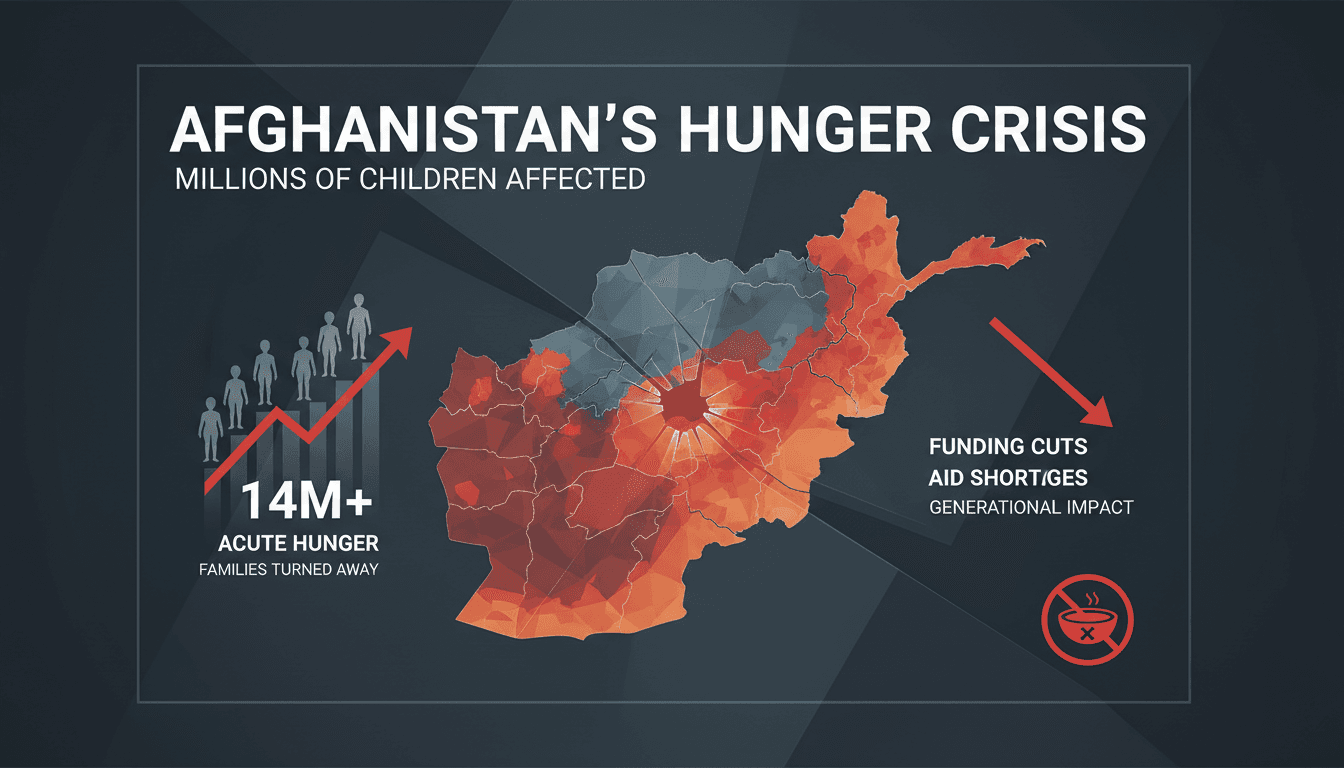
Here's what it means for you.
The escalating hunger crisis in Afghanistan poses significant implications for global humanitarian efforts and international policy. With 14 million Afghans experiencing acute hunger, the urgency for increased funding and support is paramount. This situation not only affects the immediate health of millions but also threatens the future stability of the region. As health clinics are overwhelmed and families are turned away, the international community must reassess its commitment to humanitarian aid in Afghanistan. The potential for long-term consequences on child development and public health cannot be ignored.
What happened
Afghanistan is currently facing a severe crisis of hunger and malnutrition, particularly affecting children and mothers. Health clinics are overwhelmed, with many families being turned away due to significant aid shortages. The situation has reached critical levels, prompting urgent warnings from UN officials and the World Food Programme regarding child malnutrition.
The surge in child malnutrition is alarming, with reports indicating that one-third of Afghanistan's provinces are experiencing critical levels of child wasting, the most lethal form of malnutrition. As a result of ongoing funding cuts to humanitarian programs, six out of seven families in need are being denied assistance.
The Context
The humanitarian crisis in Afghanistan is deepening, with 14 million people facing acute hunger. This dire situation is exacerbated by the lack of funding for essential health services, leaving health workers unable to assist millions of vulnerable children and mothers. The international community's response is crucial to prevent further deterioration of the situation.
The timing of this crisis is particularly concerning, as it coincides with ongoing geopolitical tensions and shifts in international aid priorities. Stakeholders, including the UN and various NGOs, are calling for immediate action to address the urgent needs of the population. The implications of inaction could resonate for generations, impacting not only health but also the socio-economic stability of the region.
Takeaway
Without increased international support and funding, the malnutrition crisis in Afghanistan is likely to worsen, with devastating effects on future generations. The outlook remains grim unless significant aid is mobilized to address the urgent needs of the population, particularly vulnerable children and mothers facing malnutrition.
Potential international aid responses to this crisis will be critical to monitor in the coming weeks. Updates on the health and nutrition status of children in Afghanistan will also be essential to gauge the effectiveness of any interventions.
UAE-based English-language newspaper covering regional politics, economics, and global affairs.
"The National reflects Emirati policy perspectives while maintaining international editorial standards."
— A47 Editor
Afghans 'exhausted' as hunger and malnutrition surge, UN official warns
A United Nations official has warned that Afghans are facing severe exhaustion as hunger and malnutrition rates surge, exacerbated by ongoing humanitarian crises and funding cuts. The situation has reached alarming levels, with millions struggling to...
Jordanian news and regional updates.
"Roya News is a Jordanian outlet focused on breaking news and local affairs."
— A47 Editor
الأمم المتحدة تحذر من خروج أزمة سوء التغذية عن السيطرة في أفغانستان جراء نقص التمويل
The United Nations has issued a warning regarding the escalating crisis of malnutrition in Afghanistan, attributing it to a significant funding shortfall. Approximately 14 million Afghans are currently facing acute hunger, highlighting the dire human...
Regional coverage and analysis focused on politics, diplomacy, and business across the Middle East.
"Al-Monitor is known for analytical reporting on Middle East politics and policy developments."
— A47 Editor
Afghan child malnutrition surges as aid cuts force clinics to turn families away, WFP says
Child malnutrition in Afghanistan has reached alarming levels, with the U.N. World Food Programme reporting that aid shortages are forcing health workers to turn away millions of children and mothers, impacting six out of seven families in need. The ...