
Houthi rebels attack Saudi oil tanker in Red Sea escalating regional tensions
Here's what it means for you.
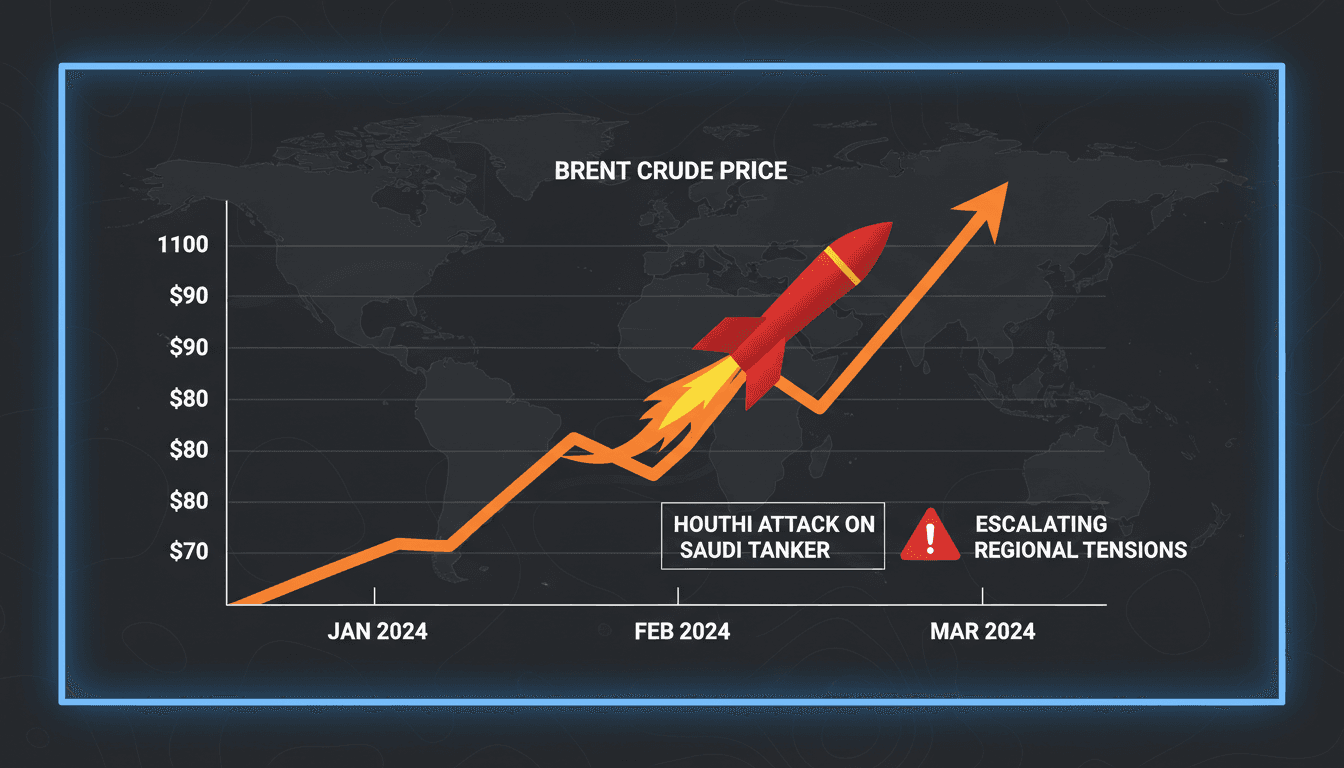
The missile strike by Yemen's Houthi rebels on a Saudi-flagged oil tanker in the Red Sea marks a significant escalation in regional tensions. This incident is likely to impact global oil prices, as Brent crude has already surged above $80. Stakeholders in the energy market should prepare for potential volatility as military responses from Saudi Arabia may follow. The ongoing U.S.-Iran diplomatic talks add another layer of complexity to the situation, potentially affecting international relations and energy supply chains. As the geopolitical landscape shifts, businesses and policymakers must remain vigilant to the implications of this conflict.
What happened
Yemen's Houthi rebels have claimed responsibility for a missile strike on a Saudi oil tanker in the Red Sea. This attack occurred on August 5, 2026, and has already led to a notable rise in Brent crude oil prices, which surpassed $80. The Houthis have characterized their actions as part of an embargo on Saudi oil, indicating a strategic motive behind the strike.
The incident underscores the ongoing conflict in Yemen and its broader implications for regional stability. As tensions escalate, the situation remains fluid, with potential repercussions for international diplomacy and energy markets.
The Context
The missile strike comes amid ongoing diplomatic efforts between the U.S. and Iran, highlighting the fragile geopolitical landscape in the region. The Houthis' actions are part of a larger narrative of conflict that has persisted in Yemen, affecting not only local but also international stakeholders. The timing of the attack raises concerns about the stability of oil supply routes in the Red Sea, a critical passage for global energy transport.
As Brent crude prices rise, the implications for global oil markets become increasingly significant. The potential for military responses from Saudi Arabia could further complicate the already tense U.S.-Iran relations, making this a pivotal moment for regional security.
Takeaway
The recent missile strike may lead to increased military responses from Saudi Arabia, which could further escalate tensions in the region. Observers should monitor the Saudi government's reaction and any subsequent military actions that may unfold. Additionally, fluctuations in oil prices and market reactions in the coming days will be crucial indicators of the broader impact of this incident.
As the situation develops, stakeholders in the energy sector and policymakers must remain alert to the potential for further volatility in global oil markets. The interplay between military actions and diplomatic negotiations will be key to understanding the future trajectory of this conflict.
UAE-based English-language newspaper covering regional politics, economics, and global affairs.
"The National reflects Emirati policy perspectives while maintaining international editorial standards."
— A47 Editor
Brent oil back above $80 after Houthi attack on Saudi tanker
Brent oil prices have risen above $80 per barrel following a Houthi attack on a Saudi tanker in the Red Sea. The incident marks a significant escalation in maritime tensions, as the Houthis claimed responsibility for the attack, asserting that the ve...
Oil, metals, and agriculture: supply/demand headlines, OPEC chatter, inventories, and price action.
"Solid tape for energy and metals traders tracking macro and micro catalysts."
— A47 Editor
Oil trims gains amid hopes for Mideast peace deal, Houthi attack on Saudi tanker
Oil prices have experienced a reduction in gains amid ongoing hopes for a peace deal in the Middle East, coinciding with a Houthi attack on a Saudi tanker. This development has raised concerns about the stability of oil supply in the region, which is...
Global business headlines with AI angles.
"General business outlet that frequently covers AI."
— A47 Editor
The Houthis Said They Struck a Saudi Tanker In The Red Sea Despite U.S.-Iran Talks. Brent Crude Is Up
Yemen's Houthi rebels have claimed responsibility for striking a Saudi tanker in the Red Sea, continuing their enforcement of a maritime embargo against Saudi oil shipments. This incident follows a series of attacks on Saudi vessels, which have inten...
Conservative-leaning political and national coverage.
"The Washington Times is a conservative-leaning newspaper known for its political coverage and advocacy of right-of-center viewpoints."
— A47 Editor
Yemen's Houthis strike Saudi-flagged oil tanker in Red Sea
Yemen's Houthi rebels have claimed responsibility for a missile strike on a Saudi-flagged oil tanker in the Red Sea, marking a significant escalation in ongoing regional tensions. This incident follows a series of threats and attacks by the Houthis a...