
Iran threatens Gulf states over potential US military strikes
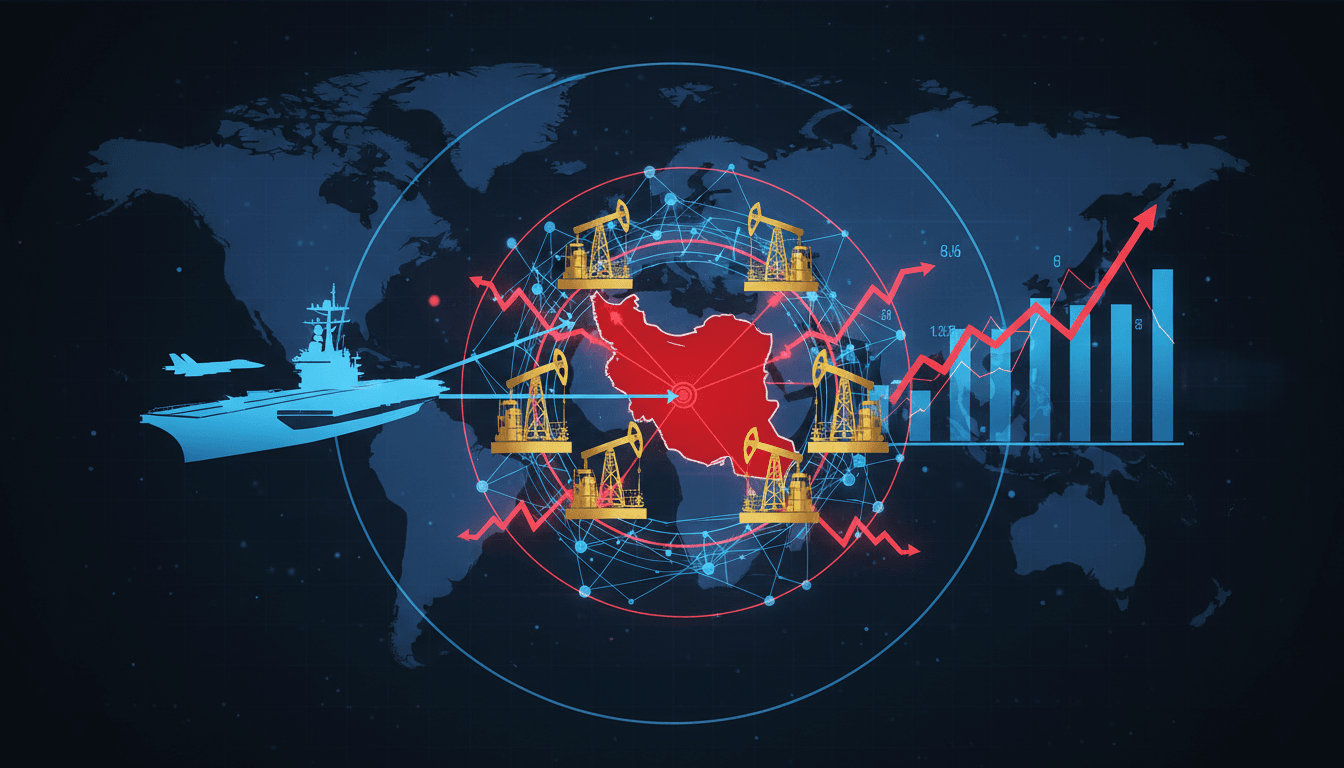
Here's what it means for you.
Iran's warning to Gulf states signals a significant escalation in regional tensions, particularly affecting energy markets. The potential for conflict could disrupt oil supplies, leading to increased prices and economic instability. Stakeholders in the energy sector should closely monitor developments, as diplomatic efforts will be crucial in mitigating risks. The situation underscores the delicate balance of power in the Gulf, where U.S. military presence and Iranian threats intertwine. As the geopolitical landscape shifts, businesses and policymakers must prepare for potential fallout from any military actions.
What happened
Iran has issued a stern warning to Gulf states, threatening to target their critical energy infrastructure if the U.S. conducts new strikes against Iran. This warning follows President Trump's recent threats to attack Iran's energy network, which has heightened tensions in the region. The Iranian government is leveraging this threat to encourage Gulf states to advocate for diplomatic negotiations with the U.S.
The threats specifically include targeting oil, power, and water facilities in Gulf states, which are vital to their economies. Iran's Foreign Minister has urged these states to influence the U.S. to avoid renewed military actions. As a result, rising oil prices reflect market reactions to the escalating situation.
The Context
Iran's warning is particularly aimed at Gulf states that host U.S. military bases and rely heavily on energy exports. The backdrop of this escalation includes President Trump's comments made on July 28, when he threatened to strike Iran's energy infrastructure. This context is critical as it highlights the ongoing tensions between Tehran and Washington, with both sides at a stalemate.
The Iranian government is attempting to use the threat of regional destruction as leverage, hoping to deter further military action. The implications of this standoff extend beyond regional stability, posing risks to global energy markets. As diplomatic channels remain open, the potential for conflict persists, making it essential for all parties involved to seek a peaceful resolution.
Takeaway
The situation remains volatile, and diplomatic efforts will be crucial to prevent a wider conflict in the Gulf region. Stakeholders should monitor U.S. responses to Iran's threats and the diplomatic initiatives undertaken by Gulf states. Developments in negotiations between the U.S. and Iran regarding military actions will be pivotal in shaping the future of this tense relationship.
As the international community watches closely, the potential for economic disruption looms large. The need for a peaceful resolution is paramount to avoid further escalation and ensure stability in global energy markets.
Global business headlines with AI angles.
"General business outlet that frequently covers AI."
— A47 Editor
Iran Reportedly Threatens Gulf States With More Strikes If Trump Doesn't End Attacks. Oil Rises.
Iran has reportedly threatened Gulf States with increased military strikes if President Trump does not cease his attacks, coinciding with a rise in oil prices amidst ongoing discussions to reopen the strategically vital Strait of Hormuz.
Regional coverage and analysis focused on politics, diplomacy, and business across the Middle East.
"Al-Monitor is known for analytical reporting on Middle East politics and policy developments."
— A47 Editor
Exclusive-Iran warns Gulf states: tell Trump to desist or we hit you hard
Iran has issued a stark warning to Gulf states, threatening to target their oil, power, and water infrastructure unless they persuade U.S. President Donald Trump to halt military actions against Iran and pursue diplomatic negotiations. This warning u...
Oil, metals, and agriculture: supply/demand headlines, OPEC chatter, inventories, and price action.
"Solid tape for energy and metals traders tracking macro and micro catalysts."
— A47 Editor
Iran threatens to hit Gulf states if US launches new strikes
Iran has issued a warning to Gulf states, threatening to retaliate if the United States initiates new military strikes against it. This statement comes amid escalating tensions following missile attacks by Iran on U.S. military installations, which h...
English-language reporting on Saudi politics, policy, and society.
"Saudi Gazette reflects mainstream Saudi institutional perspectives."
— A47 Editor
Iran threatens to hit Gulf states if US launches new strikes
Iran has issued a stern warning to Gulf states, indicating that any new U.S. military strikes on its territory would result in retaliation against critical energy infrastructure in the region. This warning follows President Donald Trump's threats to ...
Business and economy coverage focused on Dubai, the UAE, Saudi Arabia, and the wider Middle East.
"Arabian Business is a well-known regional business outlet with strong focus on Gulf markets, leadership, and investment stories."
— A47 Editor
Iran warns Gulf energy infrastructure at risk if US launches new strikes
Iran has issued a warning to Gulf states that any new military strikes by the United States would lead to retaliation against regional energy infrastructure. This statement reflects escalating tensions in the Gulf, particularly following recent threa...
Regional coverage and analysis focused on politics, diplomacy, and business across the Middle East.
"Al-Monitor is known for analytical reporting on Middle East politics and policy developments."
— A47 Editor
Exclusive-Iran threatens to hit Gulf states if US launches new strikes
Iran has issued a warning to Gulf states that any new U.S. military strikes on its territory would result in retaliation against critical energy infrastructure in the region. This warning follows President Donald Trump's threats to attack Iran's ener...