
Stalled Iran-U.S. Talks Impact Oil Prices and Shipping in Strait of Hormuz
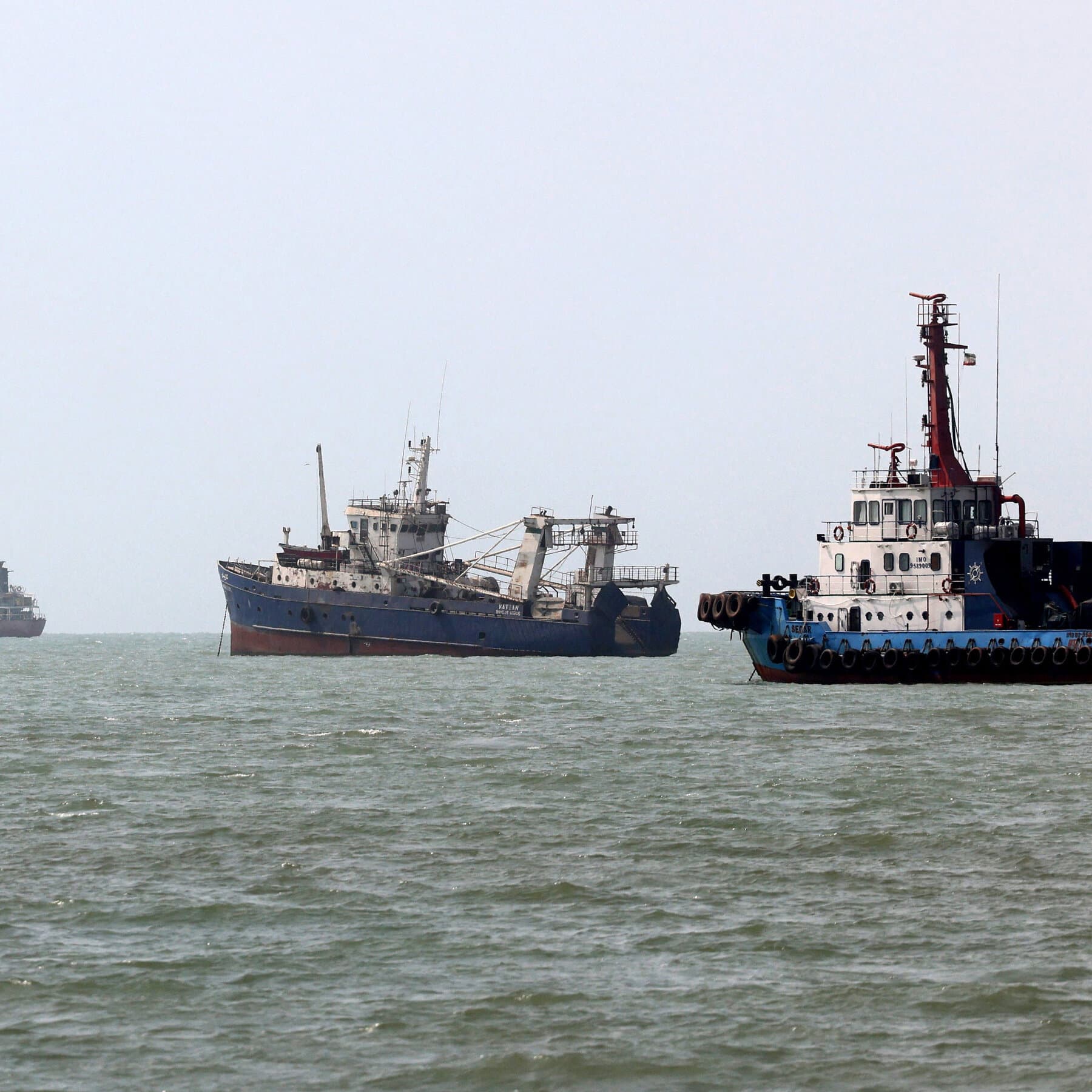
Here's what it means for you.
The stalled negotiations between Iran and the U.S. over the Strait of Hormuz are causing significant fluctuations in oil prices, which have surged to $90 a barrel. This instability not only affects energy markets but also raises concerns about global shipping routes critical for oil transport. Stakeholders in the energy sector should prepare for continued volatility as the geopolitical landscape evolves. The decline in commercial shipping activity in the region further complicates the situation, highlighting the interconnectedness of diplomacy and market stability. As both nations maintain competing demands, the potential for renewed talks remains uncertain, leaving markets on edge.
What happened
Negotiations between Iran and the U.S. regarding the reopening of the Strait of Hormuz have reached an impasse. This stalemate has led to notable fluctuations in oil prices, with costs rising to $90 a barrel. The ongoing deadlock has also resulted in a significant decline in commercial shipping activity in the region.
The situation reflects broader geopolitical tensions between the U.S. and Iran, complicating the prospects for a resolution. As these talks remain stalled, the implications for global oil markets and shipping routes are becoming increasingly pronounced.
The Context
The Strait of Hormuz is a crucial passage for global oil shipments, making the current negotiations particularly significant. The competing demands from both the U.S. and Iran are complicating the talks, which have been ongoing for some time. The recent surge in oil prices and the decline in shipping activity underscore the high stakes involved.
As the geopolitical landscape shifts, the impact of these stalled negotiations extends beyond immediate market reactions. The situation serves as a reminder of the delicate balance between diplomacy and energy security, with potential ramifications for economies worldwide.
Takeaway
Looking ahead, the potential for a resumption of talks between Iran and the U.S. could either stabilize or further disrupt oil markets. Market participants should closely monitor any developments in the Strait of Hormuz, as these could influence pricing and shipping routes. The outcome of these stalled negotiations will likely continue to shape the energy landscape in the region.
As the situation develops, stakeholders must remain vigilant to the evolving dynamics that could affect global oil supply and demand. The interplay between diplomatic efforts and market reactions will be critical in determining the future trajectory of oil prices.
Markets, economy, and company analysis from NYT’s business desk.
"The New York Times is a globally recognized newspaper offering authoritative reporting with a center-left editorial stance."
— A47 Editor
Oil Prices Touch $90 a Barrel Over U.S.-Iran Stalemate
Oil prices have surged to $90 a barrel amid a deepening stalemate between the U.S. and Iran regarding the Strait of Hormuz, a crucial waterway for global oil transport. The ongoing tensions have led to a significant decline in commercial shipping act...
Markets desk coverage, trading insights, and investor updates.
"WSJ’s markets reporting provides in-depth analysis and context for investors."
— A47 Editor
Oil Turns Lower With Market Watching Hormuz Talks
Oil prices have turned lower as the market closely monitors ongoing discussions regarding the reopening of the Strait of Hormuz, a crucial maritime route for global oil transport. The fluctuations in oil prices reflect the uncertainty surrounding the...
Global news coverage with extensive reporting on Middle Eastern conflicts and geopolitics.
"Al Jazeera is a Qatar-based broadcaster known for wide regional coverage and alternative perspectives."
— A47 Editor
Iran, US set new conditions during Hormuz talks: What does this mean?
Recent talks between Iran and the United States regarding the reopening of the Strait of Hormuz have stalled, leading to a surge in oil prices as both sides set new conditions. Iran's Revolutionary Guards have declared that the strait will remain clo...
Comprehensive coverage of Middle Eastern and global issues.
"Al Jazeera is a prominent voice from the Global South, especially the Middle East, with an emphasis on underreported stories."
— A47 Editor
Iran, US set new conditions during Hormuz talks: What does this mean?
Recent talks between Iran and the United States regarding the reopening of the Strait of Hormuz have stalled, leading to a surge in oil prices as both sides set new conditions. Iran's Revolutionary Guards have declared that the strait will remain clo...