
Iran asserts control over the Strait of Hormuz amid U.S. threats
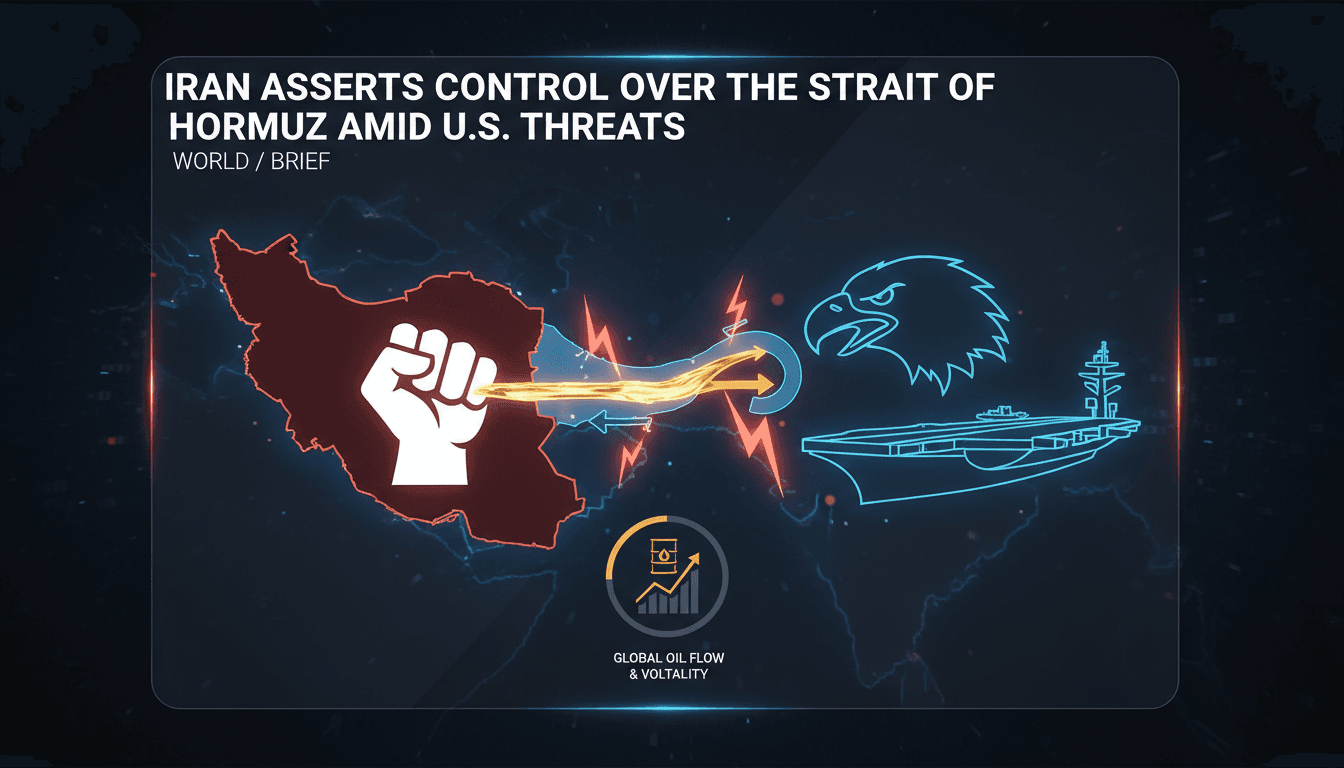
Here's what it means for you.
The assertion of control over the Strait of Hormuz by Iran signals a critical juncture in U.S.-Iran relations, with potential ramifications for global oil markets. As approximately 20% of the world's oil trade passes through this vital waterway, any disruption could lead to significant price fluctuations. Stakeholders in energy markets should closely monitor developments, as the situation may influence supply chains and geopolitical stability. The ongoing tensions could also impact diplomatic relations, with both nations likely to engage in further posturing. This scenario underscores the importance of strategic maritime routes in international policy discussions.
What happened
Iranian officials have firmly declared that the Strait of Hormuz will remain under Iranian control, directly countering claims made by former President Donald Trump. In a series of statements, military and diplomatic leaders from Iran emphasized that U.S. threats would not change their position regarding the strait's status. The Iranian Revolutionary Guard has even claimed that the strait is currently closed, reinforcing their commitment to maintaining control.
This declaration follows Trump's threats to declare the strait as U.S. territory, escalating tensions between the two nations. The situation is further complicated by the strategic significance of the Strait of Hormuz, which serves as a crucial passage for global oil shipments.
The Context
The Strait of Hormuz is a vital maritime route, with around 20% of the world's oil trade passing through it. This makes its control a matter of significant geopolitical importance. Iranian officials have reiterated their commitment to safeguarding the strait, indicating that any U.S. attempts to assert control will be met with resistance.
The timing of these developments is critical, as they come amid heightened tensions between the U.S. and Iran. The Iranian national security chief has stated that the strait will remain closed until certain conditions are met, suggesting a prolonged period of volatility in the region.
Takeaway
As the situation unfolds, the Strait of Hormuz is likely to remain a focal point of U.S.-Iran relations. Observers should watch for potential military movements in the region, as well as further diplomatic statements from both U.S. and Iranian officials. The implications of these tensions could extend beyond regional stability, potentially affecting global oil markets and international relations.
The ongoing standoff suggests that the geopolitical landscape surrounding the strait will continue to evolve, with significant consequences for energy security and diplomatic engagements.
Pan-Arab news coverage spanning politics, business, sports, and regional affairs.
"Asharq Al-Awsat reflects a broad Arab editorial perspective with strong attention to regional geopolitics."
— A47 Editor
طهران رداً على تهديدات ترمب: مضيق هرمز «سيبقى إيرانياً»
Tehran responded on Saturday to Donald Trump's statements regarding the Strait of Hormuz, asserting that the vital waterway will remain Iranian despite Trump's claims of declaring it part of U.S. territory.
Arabic-language coverage of international news and geopolitics.
"RT Arabic is a Russian state-funded outlet often criticized for promoting Kremlin-aligned narratives."
— A47 Editor
"لن تستحوذ عليه بتغريدة أو حاملة طائرات".. الخارجية الإيرانية ترد على تصريحات ترامب بشأن مضيق هرمز
Iranian Deputy Foreign Minister Kazem Gharib Abadi stated that Tehran will not succumb to American threats, emphasizing that the Strait of Hormuz is Iranian and will remain so, with decisions regarding its opening or closing under Iran's control.
Arabic-language coverage of international news and geopolitics.
"RT Arabic is a Russian state-funded outlet often criticized for promoting Kremlin-aligned narratives."
— A47 Editor
الحرس الثوري يرد على ترامب: مضيق هرمز مغلق وأي تحرك لا يغيب عن أعيننا
Admiral Ali Azmaei, commander of the Iranian Revolutionary Guard's naval forces, stated that the Strait of Hormuz is closed, emphasizing that the reality should be observed on the ground rather than through statements from U.S. officials.
Arabic-language coverage of international news and geopolitics.
"RT Arabic is a Russian state-funded outlet often criticized for promoting Kremlin-aligned narratives."
— A47 Editor
إيران: مضيق هرمز سيبقى مغلقا حتى تحقيق كافة شروطنا
Iranian National Security Council Secretary Mohsen Rezaei announced that the Strait of Hormuz will remain closed until all conditions set by Iran are met. This statement underscores Iran's firm stance on its strategic maritime interests and its willi...