
Iran and Oman Discuss Maritime Security in Strait of Hormuz
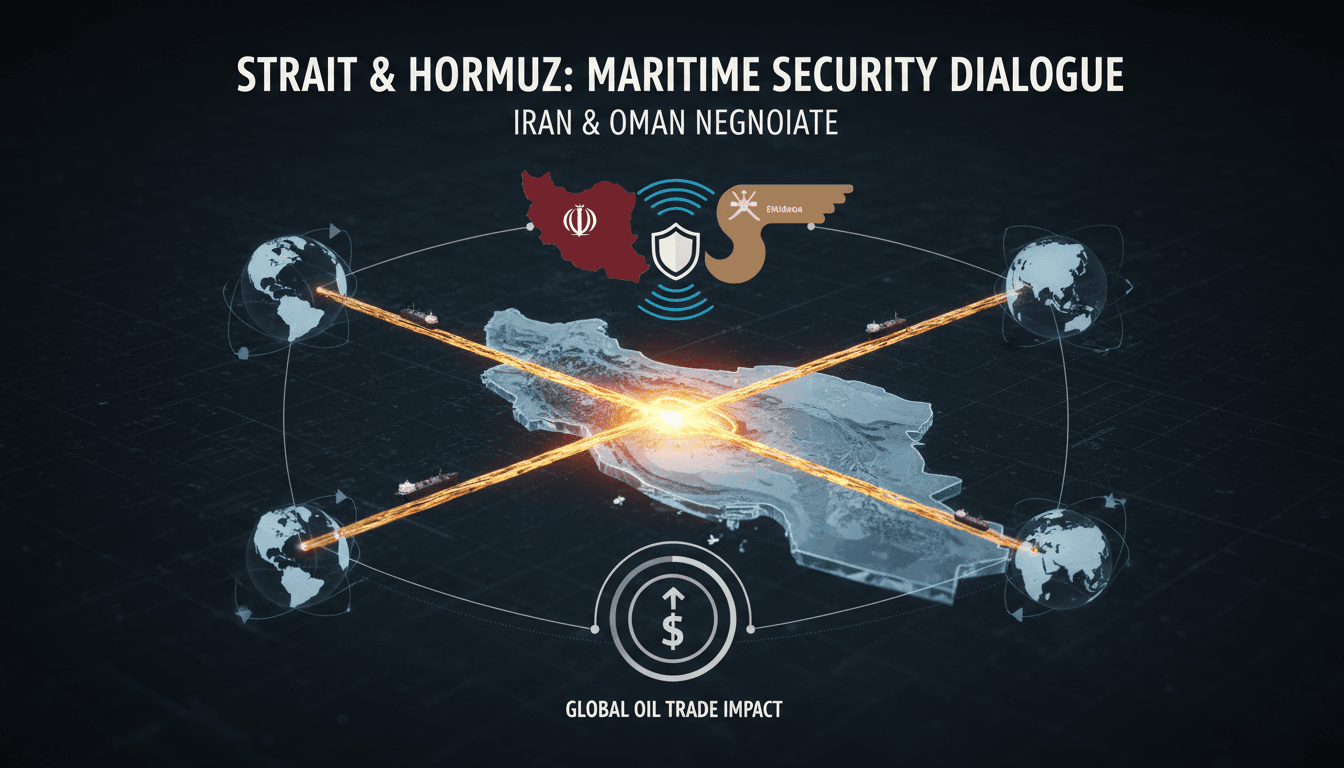
Here's what it means for you.
The discussions between Iran and Oman regarding the Strait of Hormuz are crucial for global oil markets, as this waterway is a vital route for oil exports. Enhanced maritime security in this region could stabilize shipping lanes and reassure international stakeholders. As tensions persist in the Middle East, the outcomes of these negotiations may influence broader geopolitical dynamics and energy prices.
What happened
Iranian Parliament Speaker Mohammad Baqer Qalibaf visited Muscat, Oman, to negotiate arrangements for the management of the Strait of Hormuz. Accompanied by Iranian Foreign Minister Abbas Araqchi, Qalibaf's discussions with Omani officials focused on ensuring maritime security in the region. This visit followed Qalibaf's recent return from Switzerland, highlighting the urgency of the talks.
The meetings included discussions with Omani Foreign Minister Badr al-Busaidi, emphasizing the importance of cooperation between the two nations. The primary goal is to enhance security measures in the Strait of Hormuz, a critical passage for global oil shipments.
The Context
The Strait of Hormuz is the only maritime route for oil exports from Iran, making its security vital for global energy markets. Historically, Iran and Oman have maintained cooperative relations, which provides a foundation for these discussions. As regional tensions continue to escalate, the need for diplomatic efforts to secure this strategic waterway has become increasingly apparent.
The timing of Qalibaf's visit underscores the urgency of addressing maritime security amid ongoing geopolitical challenges. The outcomes of these negotiations could have significant implications for regional stability and international shipping.
Takeaway
The ongoing negotiations between Iran and Oman may lead to new security protocols in the Strait of Hormuz, which could stabilize the region. Observers should watch for potential agreements on maritime security measures and the reactions from other countries involved in the Strait. The discussions aim to foster cooperation and enhance security measures to protect maritime navigation.
As these talks progress, the implications for global oil trade and regional stability will become clearer, making it essential to monitor developments closely.
Arabic-language coverage of international news and geopolitics.
"RT Arabic is a Russian state-funded outlet often criticized for promoting Kremlin-aligned narratives."
— A47 Editor
مسقط وطهران تبحثان ترتيبات مضيق هرمز وضمان أمن الملاحة فيه
Oman's Foreign Minister Badr al-Busaidi received Iranian Parliament Speaker Mohammad Baqer Qalibaf and his accompanying delegation in Muscat on Monday night to discuss new arrangements for managing the Strait of Hormuz. This meeting highlights ongoin...
Arabic-language coverage of international news and geopolitics.
"RT Arabic is a Russian state-funded outlet often criticized for promoting Kremlin-aligned narratives."
— A47 Editor
قاليباف وعراقجي يتوجهان إلى سلطنة عمان لبحث ترتيبات إدارة مضيق هرمز
Iranian Parliament Speaker Mohammad Baqer Qalibaf and Foreign Minister Abbas Araghchi have traveled to Muscat, Oman, to hold discussions with Sultan Haitham bin Tariq, as reported by the Iranian news agency Fars. The talks are expected to focus on ar...
Pan-Arab news coverage spanning politics, business, sports, and regional affairs.
"Asharq Al-Awsat reflects a broad Arab editorial perspective with strong attention to regional geopolitics."
— A47 Editor
قاليباف إلى مسقط لبحث ترتيبات «هرمز»
Iranian Parliament Speaker Mohammad Baqer Qalibaf has departed from Tehran to Oman shortly after returning from Switzerland, indicating a busy diplomatic schedule. The visit is likely focused on discussions regarding the strategic arrangements relate...