
Iran Closes Strait of Hormuz to All Vessels Amid Rising US-Iran Tensions
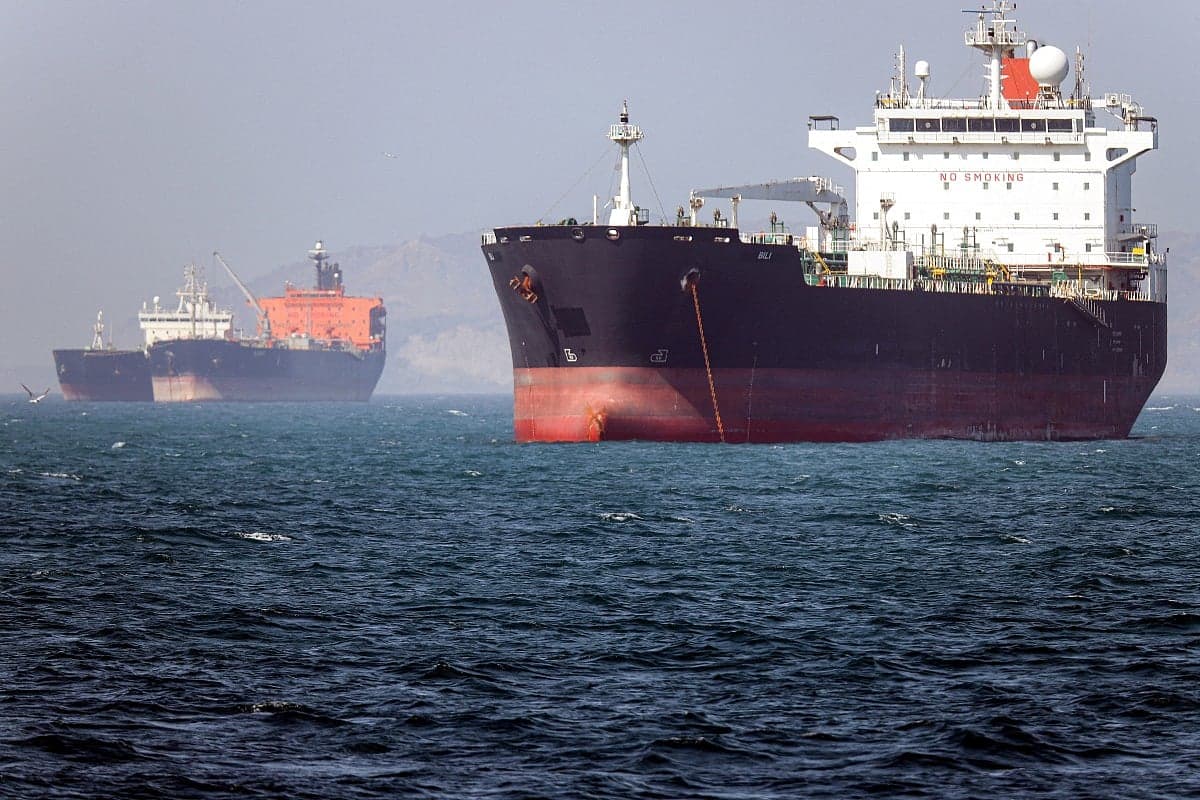
Here's what it means for you.
The closure of the Strait of Hormuz by Iran signals a significant escalation in geopolitical tensions that could have immediate repercussions for global oil markets. With approximately 20% of the world's oil and natural gas passing through this vital waterway, disruptions could lead to soaring prices and supply chain challenges. Stakeholders in energy markets and policymakers will need to closely monitor developments as the situation unfolds. The implications extend beyond economics, as military responses from the U.S. and allied nations could further destabilize the region. This situation underscores the fragility of maritime security in the face of escalating conflicts.
What happened
Iran's military has officially declared the Strait of Hormuz closed to all vessels, including commercial ships and oil tankers. This announcement was made on June 11, 2026, following a series of recent U.S. military actions that have heightened tensions between the two nations. Iran's military has threatened to take military action against any vessels attempting to navigate the strait, marking a significant escalation in the ongoing conflict.
The closure is effective "until further notice," indicating that Iran is taking a firm stance on its maritime security. This move is likely to have immediate effects on shipping routes and global oil supply chains.
The Context
The Strait of Hormuz is a crucial maritime route for global oil and natural gas shipments, making its closure a matter of international concern. The recent escalation in tensions between Iran and the United States has created a precarious situation, with both sides on high alert. Iran's decision to close the strait comes in response to perceived threats from U.S. military actions in the region, reflecting the ongoing volatility in Middle Eastern geopolitics.
As the situation develops, various stakeholders, including oil-producing nations and global markets, will be closely monitoring Iran's actions. The strategic importance of this waterway cannot be overstated, as it serves as a lifeline for energy supplies to many countries around the world.
Takeaway
The closure of the Strait of Hormuz could lead to significant disruptions in global oil supply and escalate military tensions in the region. Observers should watch for responses from the U.S. and allied nations regarding this closure, as any military engagement could further complicate the situation. Additionally, the potential impacts on global oil prices and shipping routes will be critical to monitor in the coming days.
As the international community reacts, the economic repercussions of disrupted oil supplies will likely become a focal point for policymakers and market analysts alike. The unfolding events will shape the future of maritime security and energy stability in the region.
Global news coverage with extensive reporting on Middle Eastern conflicts and geopolitics.
"Al Jazeera is a Qatar-based broadcaster known for wide regional coverage and alternative perspectives."
— A47 Editor
Iran shuts Hormuz strait: But wasn’t it already closed?
Iran has officially closed the Strait of Hormuz, a vital maritime route through which 20 percent of the world's oil and natural gas is transported during peacetime. This closure follows a series of escalating military actions, including Iranian retal...
Comprehensive coverage of Middle Eastern and global issues.
"Al Jazeera is a prominent voice from the Global South, especially the Middle East, with an emphasis on underreported stories."
— A47 Editor
Iran shuts Hormuz strait: But wasn’t it already closed?
Iran has officially closed the Strait of Hormuz, a vital maritime route through which 20 percent of the world's oil and natural gas is transported during peacetime. This closure follows a series of escalating military actions, including Iranian retal...
Regional and international reporting focused on Middle Eastern politics, diplomacy, and economics.
"Asharq Al-Awsat is a Saudi-owned international newspaper reflecting mainstream Gulf political perspectives."
— A47 Editor
Iran Maritime Body Says Hormuz Completely Closed 'Until Further Notice'
The Iranian Maritime Body has announced that the Strait of Hormuz is completely closed 'until further notice', a significant development in the ongoing tensions in the region. This closure impacts one of the world's most crucial maritime chokepoints,...
UAE-based newspaper covering Gulf politics, society, and international developments.
"Gulf News is one of the UAE’s most prominent English-language publications."
— A47 Editor
Iran declares Hormuz Strait 'closed' to all ships, oil tankers
Iran has declared the Strait of Hormuz closed to all ships and oil tankers, following a series of military escalations with the United States, including airstrikes targeting Iranian sites. This closure is a significant move in the context of ongoing ...
A curated Gulf News feed featuring major stories across news, business, opinion, and lifestyle.
"Gulf News is a major UAE newspaper whose featured stories feed reflects a broad editorial mix shaped for a Gulf audience."
— A47 Editor
Iran declares Hormuz Strait 'closed' to all ships, oil tankers
Iran has declared the Strait of Hormuz closed to all ships and oil tankers, following a series of military escalations with the United States, including airstrikes targeting Iranian sites. This closure is a significant move in the context of ongoing ...
Regional coverage and analysis focused on politics, diplomacy, and business across the Middle East.
"Al-Monitor is known for analytical reporting on Middle East politics and policy developments."
— A47 Editor
Iran announces closure of Strait of Hormuz after US attacks
Iran's military command announced the closure of the Strait of Hormuz, declaring that any vessel attempting to navigate through this vital waterway will be targeted. This decision follows recent U.S. airstrikes against Iranian sites, escalating tensi...