
Shipping Traffic Through Strait of Hormuz Declines Amid Iran-US Conflict
Why it matters
The Strait of Hormuz is a critical chokepoint for global oil and LNG trade, and disruptions here can ripple through energy markets worldwide.
What happened (in 30 seconds)
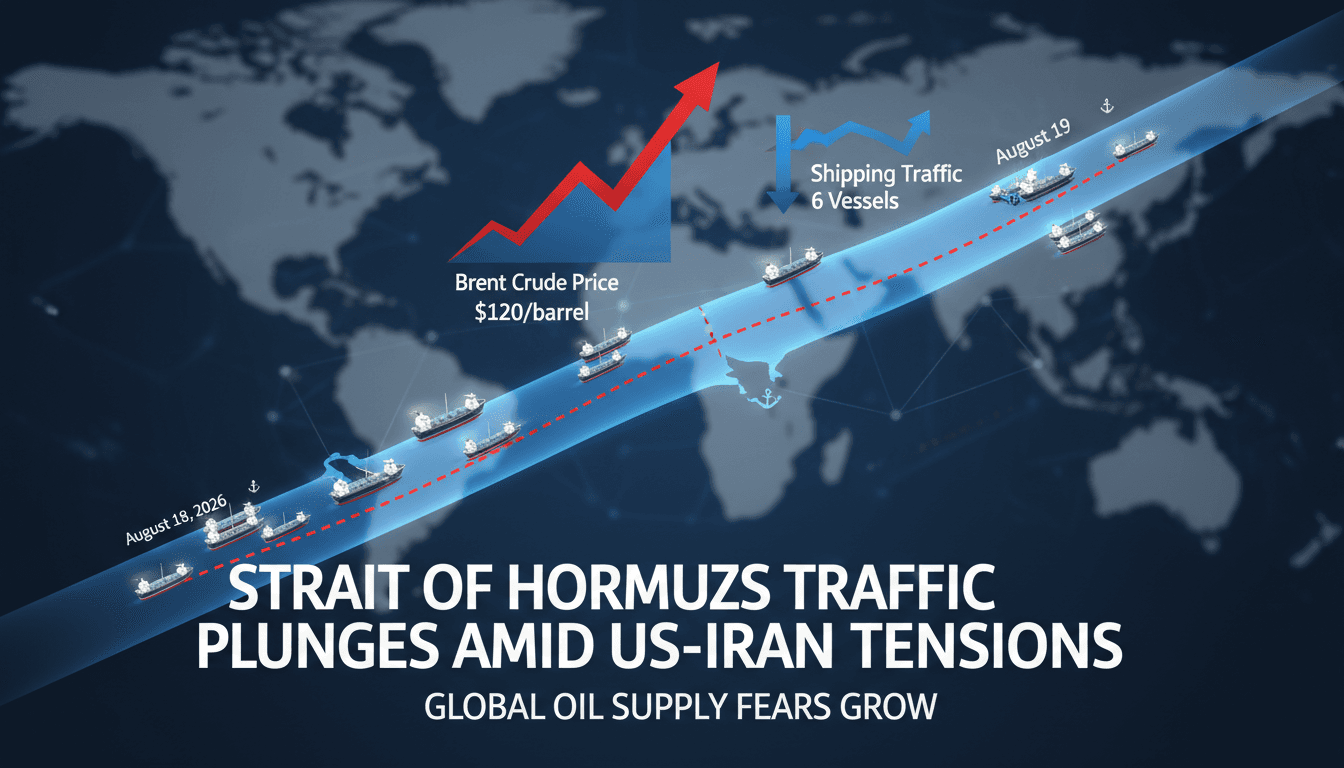
- Shipping traffic declined: On August 18, only six vessels transited the Strait of Hormuz, down from nine the previous day and below the 10-day average of 11.
- Conflicting statements: U.S. officials claim the strait remains open, while Iranian leaders assert it is closed until U.S. conditions are met.
- Rising oil prices: Brent crude prices increased to $91.30 per barrel amid concerns over supply disruptions.
The context you actually need
- Ongoing conflict: The 2026 Iran war, which began on February 28, has led to heightened tensions and threats against shipping in the Strait of Hormuz.
- Expired agreements: An interim Memorandum of Understanding between the U.S. and Iran expired on August 18, leaving the operational status of the strait unresolved.
- Pre-war significance: Before the conflict, the Strait of Hormuz handled about 20% of global oil and LNG trade, making its stability crucial for energy markets.
What's really happening
The Strait of Hormuz has become a focal point of geopolitical tension since the onset of the Iran war in February 2026. This conflict has led to a significant decline in shipping traffic, as evidenced by Kpler data showing only six commodity vessels transiting the strait on August 18, compared to a 10-day average of 11. The decline in traffic is a direct result of shipowners' caution amid conflicting statements from U.S. and Iranian officials regarding the strait's operational status.
U.S. President Donald Trump has publicly stated that the strait remains open, asserting that mines have been cleared and that there are no ongoing negotiations with Tehran. Conversely, Iranian officials, including Parliament Speaker Mohammad Bagher Ghalibaf, have maintained that the strait will remain closed until U.S. naval blockades and sanctions are lifted. This stalemate has created a precarious situation for shipping companies, which are now weighing the risks of transiting through a potentially hostile environment.
The implications of this reduced shipping activity are significant. Brent crude prices have already reacted to the uncertainty, rising to $91.30 per barrel, reflecting market concerns over supply disruptions. As the situation evolves, shipping markets are likely to remain cautious, with no immediate return to pre-conflict volumes. The ongoing diplomatic discussions among regional governments, including the UAE, further underscore the importance of Gulf security and freedom of navigation in this critical maritime corridor.
The interplay of military actions, economic sanctions, and diplomatic negotiations will continue to shape the operational landscape of the Strait of Hormuz. As tensions persist, the potential for further disruptions looms large, impacting not only shipping companies but also consumers and businesses reliant on stable energy prices.
Who feels it first (and how)
- Shipping companies: Facing increased operational risks and potential losses due to reduced traffic.
- Energy consumers in Dubai: Higher fuel prices and potential supply chain delays for imports.
- Investors in oil markets: Fluctuating prices and increased volatility in energy stocks.
- Regional governments: Engaging in diplomatic efforts to ensure security and stability in the Gulf.
What to watch next
- Shipping traffic trends: Monitor daily vessel transits through the Strait of Hormuz to gauge the impact of geopolitical developments.
- Oil price fluctuations: Keep an eye on Brent crude prices as they reflect market sentiment and supply concerns.
- Diplomatic negotiations: Watch for any breakthroughs or escalations in talks between the U.S. and Iran that could affect the strait's operational status.
The Strait of Hormuz is currently experiencing reduced shipping traffic due to geopolitical tensions.
Oil prices will continue to fluctuate based on developments in the region and shipping activity.
The timeline for resolving the conflict and restoring normal shipping operations remains uncertain.
Frequently Asked Questions
- Why it matters?
- The Strait of Hormuz is a critical chokepoint for global oil and LNG trade, and disruptions here can ripple through energy markets worldwide.
- What happened (in 30 seconds)?
- Shipping traffic declined: On August 18, only six vessels transited the Strait of Hormuz, down from nine the previous day and below the 10-day average of 11. Conflicting statements: U.S. officials claim the strait remains open, while Iranian leaders assert it is closed until U.S. conditions are met. Rising oil prices: Brent crude prices increased to $91.30 per barrel amid concerns over supply disruptions.
- What's really happening?
- The Strait of Hormuz has become a focal point of geopolitical tension since the onset of the Iran war in February 2026. This conflict has led to a significant decline in shipping traffic, as evidenced by Kpler data showing only six commodity vessels transiting the strait on August 18, compared to a 10-day average of 11. The decline in traffic is a direct result of shipowners' caution amid conflicting statements from U.S. and Iranian officials regarding the strait's operational status. U.S. Pres
- Who feels it first (and how)?
- Shipping companies: Facing increased operational risks and potential losses due to reduced traffic. Energy consumers in Dubai: Higher fuel prices and potential supply chain delays for imports. Investors in oil markets: Fluctuating prices and increased volatility in energy stocks. Regional governments: Engaging in diplomatic efforts to ensure security and stability in the Gulf.
- What to watch next?
- Shipping traffic trends: Monitor daily vessel transits through the Strait of Hormuz to gauge the impact of geopolitical developments. Oil price fluctuations: Keep an eye on Brent crude prices as they reflect market sentiment and supply concerns. Diplomatic negotiations: Watch for any breakthroughs or escalations in talks between the U.S. and Iran that could affect the strait's operational status.
Macro commentary, policy analysis, growth/inflation themes, and global outlooks.
"Contextual macro coverage that complements day-to-day market headlines."
— A47 Editor
Hormuz shipping traffic slows as Iran war uncertainty persists - Reuters
Shipping traffic through the Strait of Hormuz has slowed significantly due to ongoing uncertainties surrounding the conflict in Iran, reflecting a broader decline in maritime activity. This situation has raised concerns about the stability of oil sup...
International news coverage curated for readers in the UAE and Gulf region.
"Emirates 24|7 world coverage presents global developments through a UAE-facing and Gulf-relevant editorial lens."
— A47 Editor
Hormuz traffic slows as uncertainty over waterway persists
Shipping traffic through the Strait of Hormuz has significantly slowed, with only six vessels crossing on Tuesday, a decrease from nine the previous day and below the 10-day average of 11, amid ongoing uncertainty regarding the waterway's reopening f...
Regional coverage and analysis focused on politics, diplomacy, and business across the Middle East.
"Al-Monitor is known for analytical reporting on Middle East politics and policy developments."
— A47 Editor
Hormuz traffic slows as uncertainty over waterway persists
Shipping traffic through the Strait of Hormuz has significantly slowed, with only six vessels crossing on Tuesday, down from nine the previous day and below the 10-day average of 11, as uncertainty persists regarding the waterway's reopening followin...