
Iran Faces Severe Humanitarian Crisis Amid Ongoing U.S.-Israel Military Campaign
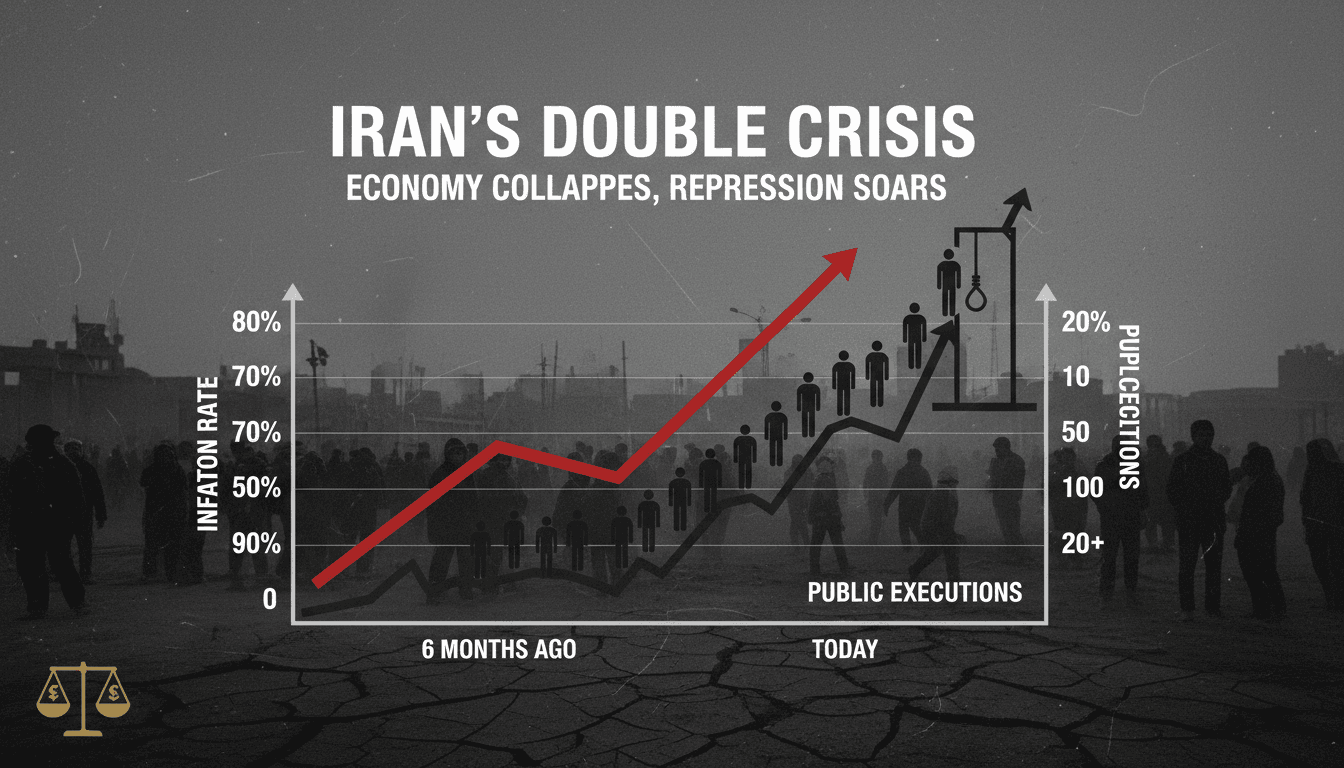
Here's what it means for you.
The ongoing conflict in Iran could influence global markets and geopolitical stability, affecting international business operations.
Why it matters
The humanitarian crisis in Iran may lead to increased geopolitical tensions and economic repercussions that ripple through global markets.
What happened (in 30 seconds)
- Six months into the conflict, Iranian civilians face severe repression, including public executions and rampant inflation nearing 90%.
- Economic collapse has resulted in skyrocketing prices for basic goods and medicine, pushing many into debt.
- Protests against the regime are met with violent crackdowns, complicating efforts for internal opposition.
The context you actually need
- Longstanding tensions between the U.S., Israel, and Iran have escalated into military action, exacerbating internal repression in Iran.
- Public executions and economic hardship are tactics used by the Iranian regime to maintain control amid widespread dissent.
- Human rights organizations report significant increases in state violence and repression, complicating the humanitarian situation.
What's really happening
The military campaign initiated by the U.S. and Israel against Iran has had profound implications for Iranian civilians, who are now living under a regime that employs extreme measures to maintain control. The Iranian government has intensified its use of public executions as a tool of fear, with reports indicating at least 56 executions related to national security since March 2026. This brutal tactic is aimed at quelling dissent and discouraging protests, which have become increasingly common as the economic situation deteriorates.
The economic landscape in Iran is dire, with inflation rates soaring to nearly 90%. This hyperinflation has rendered basic necessities unaffordable for many, forcing civilians to rely on credit to purchase essential items. A 30-year-old blogger described the struggle to afford basic food items, highlighting the severe economic strain on families. Medicine prices have tripled, leaving vulnerable populations, such as those with chronic illnesses, in precarious situations.
The Iranian regime's response to protests has been marked by violence, with security forces employing tear gas and batons against demonstrators. This has created an atmosphere of pervasive fear, where civilians are hesitant to voice dissent due to the potential for violent repercussions. Analysts suggest that the regime's resilience is bolstered by its willingness to use lethal force, complicating the landscape for opposition movements. The combination of economic collapse and state repression has created a cycle of hardship that is difficult for civilians to escape.
As the conflict continues, the internal dynamics within Iran are shifting. While some analysts advocate for internal defections as a more effective strategy than street protests, the reality remains that the regime's grip on power is reinforced by its violent tactics. The situation is fluid, and the potential for further unrest looms as civilians grapple with the dual pressures of economic hardship and state violence.
Who feels it first (and how)
- Iranian civilians: Facing extreme economic hardship and fear of state violence.
- Healthcare providers: Struggling with skyrocketing medicine costs and shortages.
- Protesters and activists: Subject to violent crackdowns and arrests.
- International businesses: Potentially affected by geopolitical instability and market fluctuations.
What to watch next
- Economic indicators: Monitor inflation rates and food prices in Iran, as these will signal the severity of the crisis.
- Protest activity: Increased protests may lead to harsher state responses, impacting civilian safety and international perceptions.
- International diplomatic efforts: Watch for any shifts in U.S. and Israeli strategies that could alter the conflict's trajectory.
The Iranian economy is in severe distress, with inflation nearing 90%.
The regime will continue to employ violent repression against dissent.
The long-term impact of the conflict on regional stability and international relations.
Frequently Asked Questions
- Why it matters?
- The humanitarian crisis in Iran may lead to increased geopolitical tensions and economic repercussions that ripple through global markets.
- What happened (in 30 seconds)?
- Six months into the conflict, Iranian civilians face severe repression, including public executions and rampant inflation nearing 90%. Economic collapse has resulted in skyrocketing prices for basic goods and medicine, pushing many into debt. Protests against the regime are met with violent crackdowns, complicating efforts for internal opposition.
- What's really happening?
- The military campaign initiated by the U.S. and Israel against Iran has had profound implications for Iranian civilians, who are now living under a regime that employs extreme measures to maintain control. The Iranian government has intensified its use of public executions as a tool of fear, with reports indicating at least 56 executions related to national security since March 2026. This brutal tactic is aimed at quelling dissent and discouraging protests, which have become increasingly common
- Who feels it first (and how)?
- Iranian civilians: Facing extreme economic hardship and fear of state violence. Healthcare providers: Struggling with skyrocketing medicine costs and shortages. Protesters and activists: Subject to violent crackdowns and arrests. International businesses: Potentially affected by geopolitical instability and market fluctuations.
- What to watch next?
- Economic indicators: Monitor inflation rates and food prices in Iran, as these will signal the severity of the crisis. Protest activity: Increased protests may lead to harsher state responses, impacting civilian safety and international perceptions. International diplomatic efforts: Watch for any shifts in U.S. and Israeli strategies that could alter the conflict's trajectory.
International stories from NPR’s global desk.
"NPR is an American public media organization known for thoughtful reporting and a slightly left-leaning editorial tone."
— A47 Editor
After six months of war, Iranians live in fear and hardship
Six months have passed since the U.S. and Israel initiated military actions against Iran, leading to widespread fear and hardship among the Iranian population. The conflict has resulted in significant casualties and economic turmoil, including a rece...
Key macro releases (CPI, jobs, PMIs), surprise indexes, and market implications.
"Great for data-print awareness and instant read-through to rates and risk assets."
— A47 Editor
Six consequences after six months of war in Iran
Six months into the ongoing war in Iran, the conflict has reached a costly stalemate, significantly impacting global oil supplies and market stability. Nearly half of the world's oil supply is now sourced from war zones, raising concerns about energy...
Global news coverage with extensive reporting on Middle Eastern conflicts and geopolitics.
"Al Jazeera is a Qatar-based broadcaster known for wide regional coverage and alternative perspectives."
— A47 Editor
Six months of war between Iran, US leave Arab states facing tough questions
The ongoing conflict between Iran and the United States has entered its sixth month, resulting in a war of attrition that has not led to a regime change in Tehran, while Gulf economies are facing increasing uncertainty.
Comprehensive coverage of Middle Eastern and global issues.
"Al Jazeera is a prominent voice from the Global South, especially the Middle East, with an emphasis on underreported stories."
— A47 Editor
Six months of war between Iran, US leave Arab states facing tough questions
The ongoing conflict between Iran and the United States has entered its sixth month, resulting in a war of attrition that has not led to a regime change in Tehran, while Gulf economies are facing increasing uncertainty.
Regional coverage and analysis focused on politics, diplomacy, and business across the Middle East.
"Al-Monitor is known for analytical reporting on Middle East politics and policy developments."
— A47 Editor
Analysis-After six months, the Iran war has reached its endgame - a costly stalemate
The Iran war has reached a costly stalemate six months after U.S. and Israeli forces launched attacks that resulted in the death of Iran's supreme leader and significant damage to its leadership. Despite facing economic sanctions and military pressur...