
Soot Pollution Accelerates Himalayan Glacier Melt and Increases Flood Risks in Nepal and Tibet
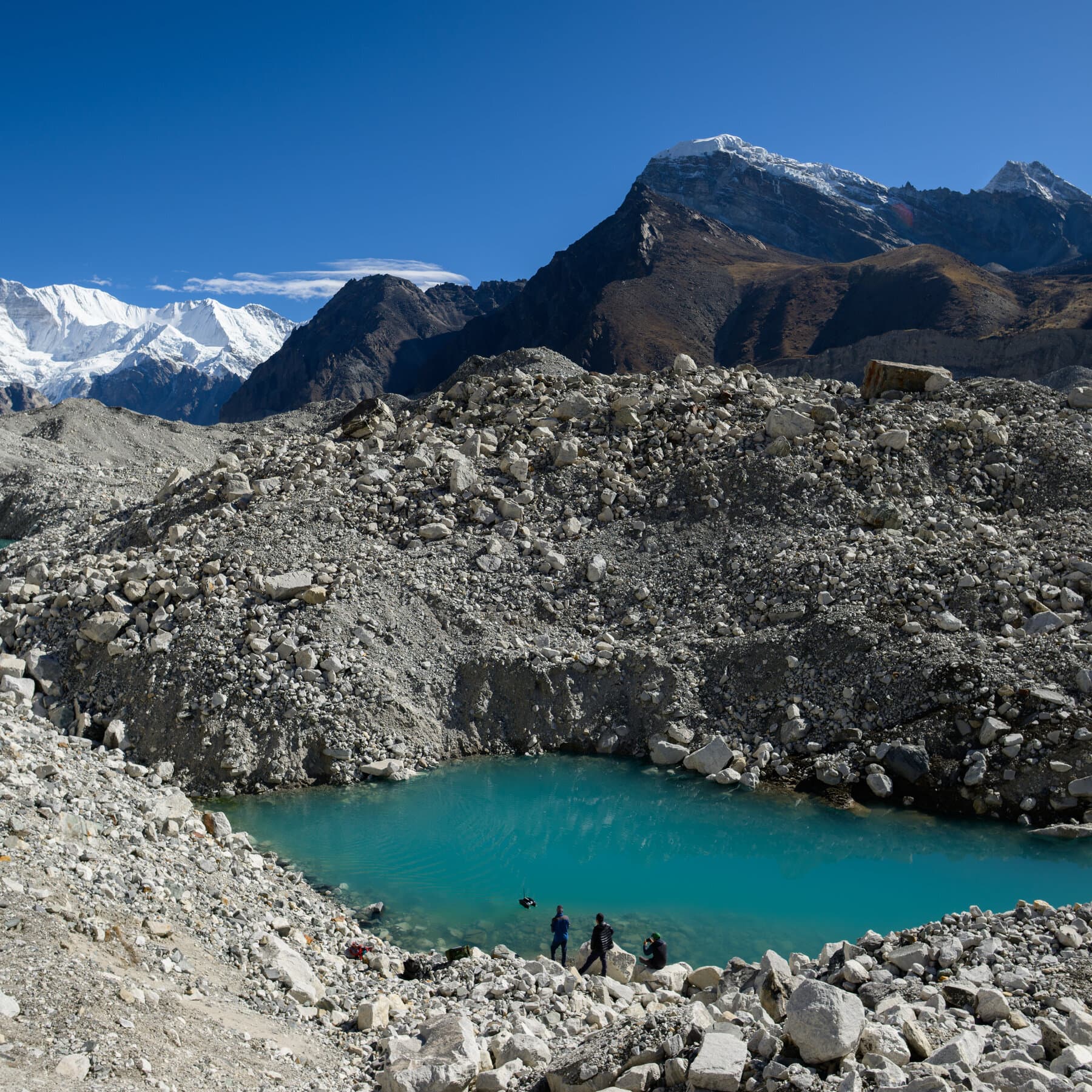
Here's what it means for you.
The accelerating glacier melt in the Himalayas could lead to increased flooding risks, impacting global climate patterns and potentially affecting your environment.
Why it matters
The destabilization of Himalayan glaciers poses significant risks to millions living downstream, amplifying flood hazards and threatening water security.
What happened (in 30 seconds)
- Pollution from South Asia is coating Himalayan glaciers with soot, reducing their reflectivity and accelerating melting.
- Recent flash floods in Langtang, Nepal, were linked to glacier collapse, resulting in hundreds of deaths and thousands missing.
- Scientists warn that unchecked pollution could lead to more catastrophic glacier failures, compounding the effects of climate change.
The context you actually need
- Himalayan glaciers have been retreating due to climate change, with permafrost thaw increasing landslide risks.
- Black carbon from industrial activities in South Asia is responsible for up to one-third of glacier mass loss from 2007 to 2016.
- Satellite studies show that pollutants are traveling to high-altitude glaciers, exacerbating the melting process.
What's really happening
The September 2, 2026, report from The New York Times highlights a critical environmental issue: soot pollution is significantly accelerating the melting of Himalayan glaciers. This phenomenon is primarily driven by black carbon emissions from vehicles, coal plants, and factories in South Asia. When soot settles on glacier surfaces, it darkens them, reducing their albedo effect—the ability to reflect sunlight. As a result, these glaciers absorb more solar heat, leading to faster melting rates.
Recent research from the Chinese Academy of Sciences indicates that black carbon accounted for as much as one-third of the overall glacier mass loss in the Himalayas between 2007 and 2016. This alarming statistic underscores the urgent need for pollution reduction measures. The Langtang region in Nepal, which recently experienced a devastating glacier collapse, exemplifies the immediate dangers posed by this issue. The collapse triggered flash floods that killed hundreds and left thousands missing, highlighting the direct human impact of environmental degradation.
The interplay between air pollution and climate change creates a feedback loop that exacerbates glacier instability. As glaciers melt, they contribute to rising sea levels and alter local hydrology, affecting water supply for millions in the region. Experts like Marco Tedesco emphasize that if pollution continues unchecked, we can expect more frequent and severe glacier failures, leading to catastrophic flooding events.
The ongoing scientific assessments of pollution impacts on glacier stability and flood hazards are critical. Authorities in Nepal and China are conducting rescue operations and evaluating glacial lake risks following the August 2026 floods. UN officials have warned of severe future glacial flood hazards in the Himalayas, indicating that this is not just a regional issue but a global concern.
The implications of accelerated glacier melt extend beyond immediate flood risks. They threaten agricultural productivity, water security, and biodiversity in the region. As glaciers retreat, the ecosystems that depend on them face disruption, which could lead to broader environmental consequences.
Who feels it first (and how)
- Local communities in Nepal and Tibet, facing immediate flood risks and loss of life.
- Farmers reliant on glacial meltwater for irrigation, risking crop failures.
- Tourism sectors in the Himalayas, affected by environmental degradation and safety concerns.
What to watch next
- Rescue operations and assessments: Monitor ongoing efforts by Nepalese and Chinese authorities to manage flood risks and evaluate glacial stability.
- Pollution reduction initiatives: Watch for new policies aimed at reducing emissions from industrial activities in South Asia.
- Scientific research updates: Keep an eye on studies assessing the long-term impacts of soot pollution on glacier health and regional climate patterns.
Soot pollution is accelerating glacier melt in the Himalayas.
Increased flooding risks will affect local communities and ecosystems.
The full extent of long-term climate impacts on global weather patterns remains to be seen.
Frequently Asked Questions
- Why it matters?
- The destabilization of Himalayan glaciers poses significant risks to millions living downstream, amplifying flood hazards and threatening water security.
- What happened (in 30 seconds)?
- Pollution from South Asia is coating Himalayan glaciers with soot, reducing their reflectivity and accelerating melting. Recent flash floods in Langtang, Nepal, were linked to glacier collapse, resulting in hundreds of deaths and thousands missing. Scientists warn that unchecked pollution could lead to more catastrophic glacier failures, compounding the effects of climate change.
- What's really happening?
- The September 2, 2026, report from The New York Times highlights a critical environmental issue: soot pollution is significantly accelerating the melting of Himalayan glaciers. This phenomenon is primarily driven by black carbon emissions from vehicles, coal plants, and factories in South Asia. When soot settles on glacier surfaces, it darkens them, reducing their albedo effect—the ability to reflect sunlight. As a result, these glaciers absorb more solar heat, leading to faster melting rates.
- Who feels it first (and how)?
- Local communities in Nepal and Tibet, facing immediate flood risks and loss of life. Farmers reliant on glacial meltwater for irrigation, risking crop failures. Tourism sectors in the Himalayas, affected by environmental degradation and safety concerns.
- What to watch next?
- Rescue operations and assessments: Monitor ongoing efforts by Nepalese and Chinese authorities to manage flood risks and evaluate glacial stability. Pollution reduction initiatives: Watch for new policies aimed at reducing emissions from industrial activities in South Asia. Scientific research updates: Keep an eye on studies assessing the long-term impacts of soot pollution on glacier health and regional climate patterns.
International coverage of politics, culture, and current affairs.
"BBC News is widely regarded as a reputable international news organization, known for its impartial tone and public service mandate."
— A47 Editor
Why Nepal floods should worry India
Catastrophic flooding has struck the Nepal-Tibet border, triggered by a glacier and rock collapse, resulting in significant loss of life and widespread destruction. Reports indicate at least 900 confirmed deaths and thousands missing, raising alarms ...
Scientific research, space, environment, and health coverage.
"The New York Times is a globally recognized newspaper offering authoritative reporting with a center-left editorial stance."
— A47 Editor
In Nepal and Tibet, Pollution on Glaciers Could Fuel More Flood Disasters
Recent studies indicate that pollution on glaciers in Nepal and Tibet is accelerating their melting, leading to dangerous conditions such as the formation of meltwater lakes, particularly on the Ngozumpa Glacier. This phenomenon poses a significant r...
Science and technology stories including AI.
"Longstanding science magazine with thoughtful AI coverage."
— A47 Editor
Nepal’s deadly debris avalanche is a warning for the rest of the world
A devastating debris avalanche in Nepal has highlighted the increasing frequency of such disasters, attributed to climate change, which poses significant risks to the region and beyond. The event has raised alarms about the vulnerability of mountaino...
Scientific research, technology, environment, and society.
"Scientific American is one of the oldest and most authoritative science magazines, known for deep dives into science, technology, and society."
— A47 Editor
Nepal’s deadly debris avalanche is a warning for the rest of the world
A devastating debris avalanche in Nepal has highlighted the increasing frequency of such disasters, attributed to climate change, which poses significant risks to the region and beyond. The event has raised alarms about the vulnerability of mountaino...
Political, social, and economic news across Asia and the Pacific.
"France 24 is viewed as a globally focused outlet with balanced coverage and a European perspective."
— A47 Editor
Melting Himalayas? Nepal disaster exposes growing risk of glacial flooding
A catastrophic flood has struck the Nepal-Tibet border, triggered by a glacier and rock collapse near the Nepal-China border, leading to significant loss of life and widespread destruction. Reports indicate at least 470 confirmed deaths and over 1,50...