
Iran Expands Maritime Restricted Zone Amid Plummeting Oil Exports Under US Blockade
Here's what it means for you.
If you rely on oil or shipping, expect rising costs and potential disruptions in the Gulf region.
Why it matters
The expansion of Iran's maritime restricted zone threatens global oil supply chains and could escalate geopolitical tensions.
What happened (in 30 seconds)
- Iran announced plans to expand its maritime restricted zone beyond the Strait of Hormuz, affecting shipping routes.
- Crude oil exports from Iran have plummeted from approximately 2 million barrels per day in March to between 220,000 and 255,000 barrels per day in August.
- Tensions escalated following US naval blockades and airstrikes, leading to Iran's threats to close the Strait of Hormuz.
The context you actually need
- The Strait of Hormuz is a critical chokepoint for global oil transit, with about 20% of the world's oil passing through it.
- US-Iran hostilities intensified after airstrikes in February 2026 killed Iran's Supreme Leader, prompting a US blockade aimed at crippling Iranian oil exports.
- Iran's response includes threats to close the strait and the announcement of a new shipping corridor in coordination with Oman, indicating a strategic pivot amid economic pressures.
What's really happening
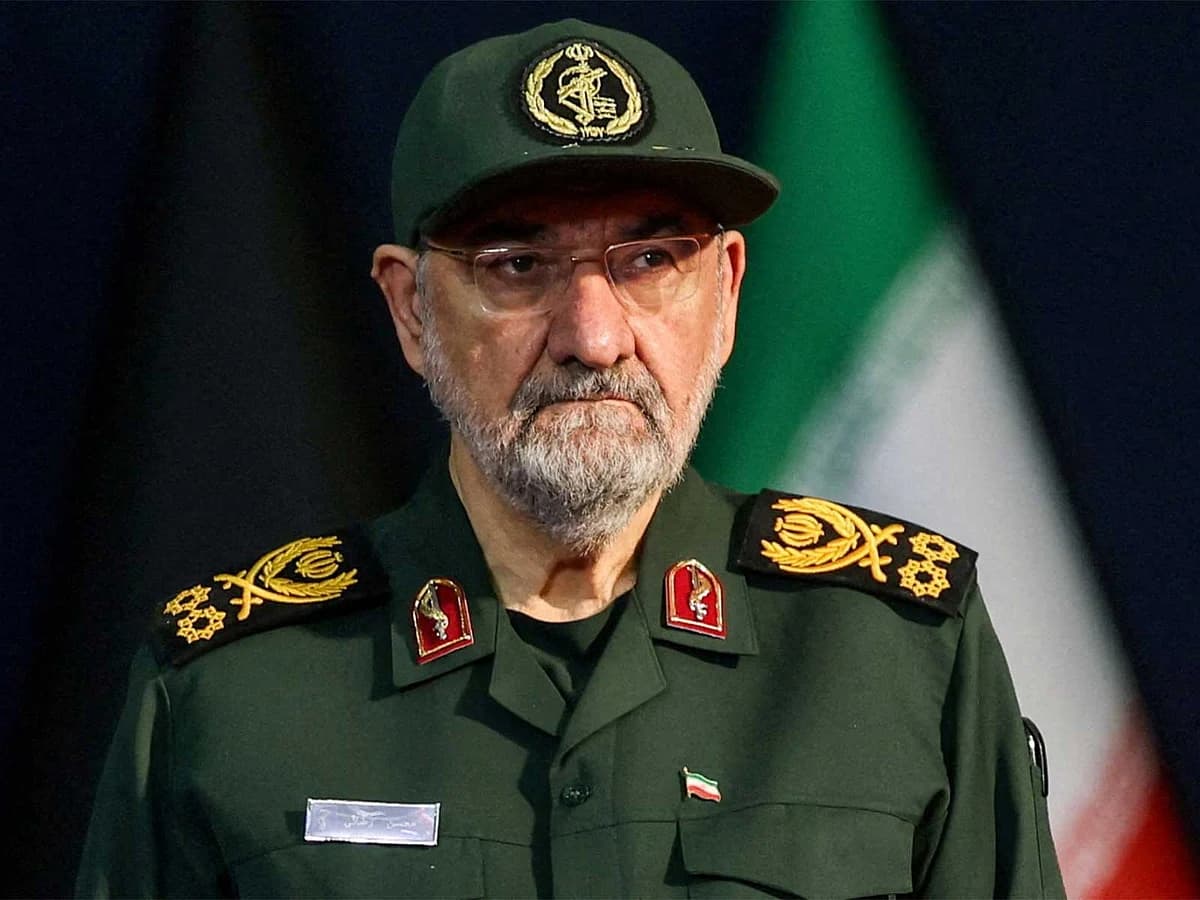
On September 6, 2026, Iranian Supreme National Security Council Secretary Mohsen Rezaei announced the impending declaration of a new maritime restricted zone that would extend from the US naval blockade line into parts of the Arabian Gulf. This move is a direct response to the severe decline in Iranian crude oil exports, which have dropped dramatically due to the US blockade. Independent data indicates that Iranian crude loadings fell from approximately 2 million barrels per day in March to between 220,000 and 255,000 barrels per day in August, reflecting the crippling impact of the blockade.
The new restricted zone will place non-compliant vessels on Iranian sanctions lists, effectively increasing the risks for shipping companies operating in the region. Tehran claims to have full control over the Strait of Hormuz, despite the economic damage inflicted by the blockade. The Iranian government is also preparing to release maps for a new shipping corridor through the Strait of Hormuz, which they plan to coordinate with Oman. This indicates a strategic effort to maintain some level of oil transit despite the ongoing pressures.
The geopolitical implications are significant. The US has redirected naval assets to assert control over the strait, and oil prices have already begun to rise, with Brent crude reaching $98 per barrel. The situation is further complicated by Iran's threats of missile tests against US vessels, signaling a willingness to escalate military responses. The lack of immediate diplomatic breakthroughs suggests that tensions will likely continue to simmer, impacting global oil markets and regional security.
As Iran attempts to navigate these challenges, the broader implications for global oil supply chains are becoming increasingly evident. The potential for increased insurance costs for vessels and heightened security concerns could disrupt trade routes through the Gulf, affecting not just Iran but also neighboring countries and global markets reliant on oil imports.
Who feels it first (and how)
- Shipping companies: Increased insurance costs and risks associated with operating in the Gulf.
- Oil traders: Fluctuating prices and potential supply shortages impacting profitability.
- Consumers: Rising fuel prices as costs are passed down the supply chain.
- Regional economies: Countries dependent on oil exports may face economic instability.
What to watch next
- Oil price fluctuations: Monitor Brent crude prices for signs of market reactions to geopolitical developments.
- Shipping insurance rates: Rising costs could indicate increased risk perceptions among insurers.
- Diplomatic efforts: Watch for any attempts at negotiations between the US and Iran that could alter the current trajectory.
Iranian crude oil exports have significantly decreased due to US sanctions.
Increased tensions in the Gulf will lead to higher oil prices and shipping costs.
The long-term effectiveness of Iran's new maritime zone in controlling oil transit.
Frequently Asked Questions
- Why it matters?
- The expansion of Iran's maritime restricted zone threatens global oil supply chains and could escalate geopolitical tensions.
- What happened (in 30 seconds)?
- Iran announced plans to expand its maritime restricted zone beyond the Strait of Hormuz, affecting shipping routes. Crude oil exports from Iran have plummeted from approximately 2 million barrels per day in March to between 220,000 and 255,000 barrels per day in August. Tensions escalated following US naval blockades and airstrikes, leading to Iran's threats to close the Strait of Hormuz.
- What's really happening?
- On September 6, 2026, Iranian Supreme National Security Council Secretary Mohsen Rezaei announced the impending declaration of a new maritime restricted zone that would extend from the US naval blockade line into parts of the Arabian Gulf. This move is a direct response to the severe decline in Iranian crude oil exports, which have dropped dramatically due to the US blockade. Independent data indicates that Iranian crude loadings fell from approximately 2 million barrels per day in March to betw
- Who feels it first (and how)?
- Shipping companies: Increased insurance costs and risks associated with operating in the Gulf. Oil traders: Fluctuating prices and potential supply shortages impacting profitability. Consumers: Rising fuel prices as costs are passed down the supply chain. Regional economies: Countries dependent on oil exports may face economic instability.
- What to watch next?
- Oil price fluctuations: Monitor Brent crude prices for signs of market reactions to geopolitical developments. Shipping insurance rates: Rising costs could indicate increased risk perceptions among insurers. Diplomatic efforts: Watch for any attempts at negotiations between the US and Iran that could alter the current trajectory.
Global political, business, and cultural coverage from WSJ international desks.
"The Wall Street Journal offers extensive international reporting with a reputation for financial insight and a center-right editorial stance."
— A47 Editor
Iran’s Oil Dollars Are Drying Up—and Plunging It Deeper Into Crisis
Iran is facing a severe economic crisis as its oil revenues dwindle due to U.S. sanctions and a naval blockade, significantly impacting its most vital export sector. The ongoing conflict has led to a sharp decline in oil shipments, exacerbating the f...
Global business headlines with AI angles.
"General business outlet that frequently covers AI."
— A47 Editor
Iran Faced Some Of America's Toughest Sanctions. Yet $9 Billion In Iranian Funds Still Moved Through U.S. Banks
Despite facing some of the toughest sanctions imposed by the United States, approximately $9 billion in Iranian funds have still been processed through U.S. banks. This situation arises amid intensified economic pressure from Washington, which has im...
UAE-based newspaper covering Gulf politics, society, and international developments.
"Gulf News is one of the UAE’s most prominent English-language publications."
— A47 Editor
Iran vows to expand 'restricted zone' as oil exports crumble — yet Tehran says it’s ‘beating’ US blockade
Iran has announced plans to expand its 'restricted zone' in response to a significant decline in oil exports, attributing this downturn to the ongoing U.S. economic blockade. Tehran claims it is successfully navigating these sanctions while maintaini...
A curated Gulf News feed featuring major stories across news, business, opinion, and lifestyle.
"Gulf News is a major UAE newspaper whose featured stories feed reflects a broad editorial mix shaped for a Gulf audience."
— A47 Editor
Iran vows to expand 'restricted zone' as oil exports crumble — yet Tehran says it’s ‘beating’ US blockade
Iran has announced plans to expand its 'restricted zone' in response to a significant decline in oil exports, attributing this downturn to the ongoing U.S. economic blockade. Tehran claims it is successfully navigating these sanctions while maintaini...