
Iran to Declare Restricted Maritime Zone Near Strait of Hormuz
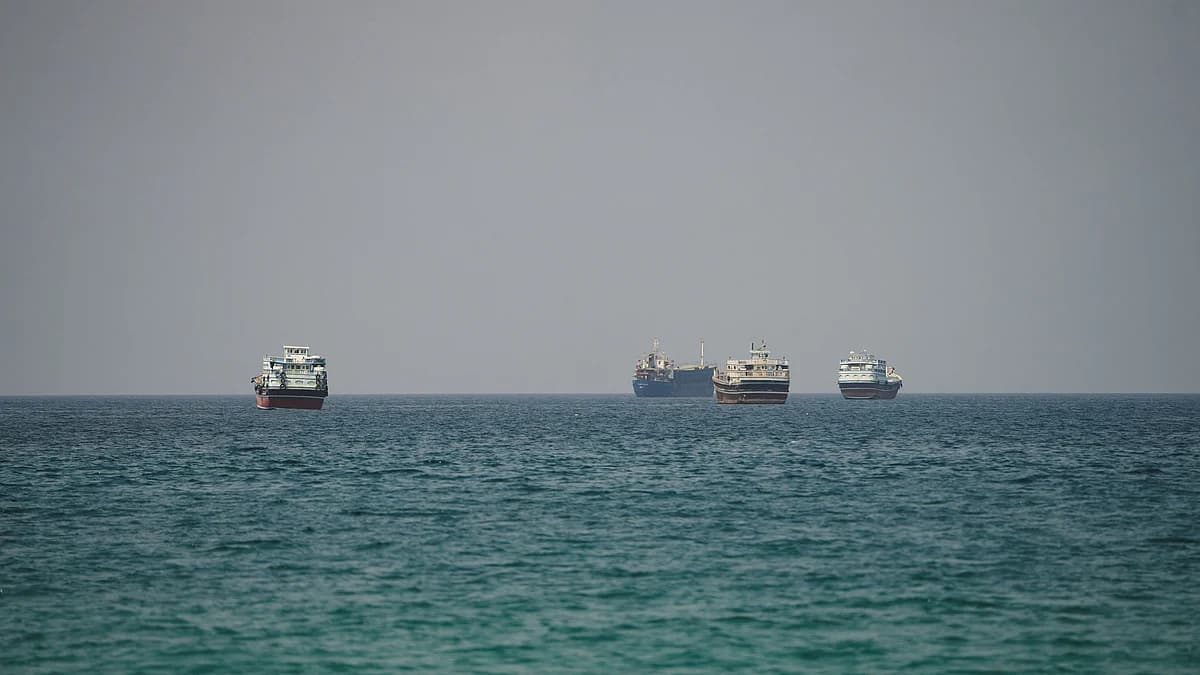
Here's what it means for you.
If you rely on global energy markets, this development could affect oil prices and shipping costs.
Why it matters
The Strait of Hormuz is a critical chokepoint for global oil shipments, with approximately 20% of the world's oil passing through it.
What happened (in 30 seconds)
- Iran announced plans to declare a restricted maritime zone near the Strait of Hormuz, impacting shipping routes.
- Vessels entering this zone could face sanctions, escalating tensions amid ongoing U.S.-Iran military exchanges.
- Oil prices surged to around $98 per barrel following the announcement, reflecting market anxiety over potential disruptions.
The context you actually need
- The Strait of Hormuz is vital for global energy, handling about 20% of oil shipments, making any disruptions significant for international markets.
- U.S.-Iran tensions have escalated since February 2026, with military exchanges and a U.S. naval blockade targeting Iranian vessels, prompting Iran's countermeasures.
- Iran's collaboration with Oman on shipping corridor maps indicates a strategic shift towards managing its maritime interests amid external pressures.
What's really happening
On September 6, 2026, Iranian official Mohsen Rezaei announced plans for a restricted maritime zone adjacent to the Strait of Hormuz, a move that could reshape maritime operations in one of the world's most critical shipping lanes. This announcement comes in the wake of heightened U.S.-Iran tensions, particularly following a series of military exchanges that began earlier in the year. The U.S. has imposed a naval blockade aimed at Iranian ports, which has prompted Iran to respond with its own restrictions on tanker traffic through the strait.
The proposed restricted zone is set to extend from the current U.S. blockade line into the Persian Gulf, effectively placing any non-compliant vessels on Iranian sanctions lists. This declaration is not merely a defensive posture; it reflects Iran's broader strategy to counteract U.S. economic and military pressure through administrative and maritime measures. By asserting control over this vital waterway, Iran aims to leverage its geographical position to influence global oil markets and assert its sovereignty.
The announcement also coincides with reports of an imminent agreement with Oman regarding new shipping corridor maps, which suggests that Iran is seeking to establish alternative routes for maritime traffic that could bypass U.S. influence. This dual approach—restricting access while simultaneously negotiating new corridors—highlights Iran's tactical maneuvering in a complex geopolitical landscape.
The immediate market reaction was significant, with Brent crude prices rising approximately 1.8% to around $98 per barrel. This increase signals heightened concerns among traders and shipping operators about the potential for further disruptions in oil supply. The Strait of Hormuz is a critical transit point for oil, and any restrictions could lead to increased shipping costs and insurance premiums, further impacting global energy prices.
As the situation develops, the implications for regional stability and global energy markets will be closely monitored. The uncertainty surrounding Iran's enforcement capabilities and the potential for military escalation adds layers of complexity to an already volatile environment.
Who feels it first (and how)
- Shipping operators: Uncertainty regarding future transit rules and insurance implications could lead to increased costs and operational challenges.
- Energy traders: Fluctuating oil prices will directly impact trading strategies and profit margins.
- Consumers: Rising oil prices may lead to increased costs for goods and services, particularly in import-dependent economies like Dubai.
- Regional governments: Increased military tensions may prompt diplomatic responses or adjustments in energy policies.
What to watch next
- Formal declaration: Monitor for the official announcement of the restricted zone and its specific parameters, which will clarify enforcement measures.
- Oil price trends: Watch for fluctuations in Brent crude prices as markets react to ongoing developments and potential disruptions in shipping.
- Diplomatic responses: Keep an eye on reactions from Gulf states and international stakeholders, which could influence regional stability and trade dynamics.
Iran's announcement of a restricted maritime zone and its implications for shipping.
Increased oil prices and potential disruptions in global energy markets.
The effectiveness of Iran's enforcement capabilities and the response from the U.S. and allied nations.
Frequently Asked Questions
- Why it matters?
- The Strait of Hormuz is a critical chokepoint for global oil shipments, with approximately 20% of the world's oil passing through it.
- What happened (in 30 seconds)?
- Iran announced plans to declare a restricted maritime zone near the Strait of Hormuz, impacting shipping routes. Vessels entering this zone could face sanctions, escalating tensions amid ongoing U.S.-Iran military exchanges. Oil prices surged to around $98 per barrel following the announcement, reflecting market anxiety over potential disruptions.
- What's really happening?
- On September 6, 2026, Iranian official Mohsen Rezaei announced plans for a restricted maritime zone adjacent to the Strait of Hormuz, a move that could reshape maritime operations in one of the world's most critical shipping lanes. This announcement comes in the wake of heightened U.S.-Iran tensions, particularly following a series of military exchanges that began earlier in the year. The U.S. has imposed a naval blockade aimed at Iranian ports, which has prompted Iran to respond with its own re
- Who feels it first (and how)?
- Shipping operators: Uncertainty regarding future transit rules and insurance implications could lead to increased costs and operational challenges. Energy traders: Fluctuating oil prices will directly impact trading strategies and profit margins. Consumers: Rising oil prices may lead to increased costs for goods and services, particularly in import-dependent economies like Dubai. Regional governments: Increased military tensions may prompt diplomatic responses or adjustments in energy poli
- What to watch next?
- Formal declaration: Monitor for the official announcement of the restricted zone and its specific parameters, which will clarify enforcement measures. Oil price trends: Watch for fluctuations in Brent crude prices as markets react to ongoing developments and potential disruptions in shipping. Diplomatic responses: Keep an eye on reactions from Gulf states and international stakeholders, which could influence regional stability and trade dynamics.
UAE-based English-language newspaper covering regional politics, economics, and global affairs.
"The National reflects Emirati policy perspectives while maintaining international editorial standards."
— A47 Editor
Iran says it will act against vessels beyond Strait of Hormuz
Iran has announced its intention to take action against vessels operating beyond the Strait of Hormuz, a critical maritime corridor, amid escalating tensions in the region. This declaration follows a series of military confrontations, including recen...
English-language digital publication covering business, politics, technology, and current affairs.
"The Arabian Post mixes original and syndicated-style coverage with a broad regional and global business-news orientation."
— A47 Editor
Iran outlines Gulf exclusion zone after tanker strikes
Iran has announced the establishment of a new exclusion zone in the Gulf following recent tanker strikes, as stated by Mohsen Rezaei, secretary of Iran's Supreme National Security Council. This restricted maritime area will extend from the point of t...
Breaking news and analysis from the UAE and Gulf region.
"Khaleej Times is a long-running UAE publication with broad regional coverage."
— A47 Editor
Iran says will declare 'prohibited zone' near Hormuz strait in coming days
Iran has announced plans to declare a 'prohibited zone' near the Strait of Hormuz in the coming days, a move that reflects the country's ongoing tensions with the United States and its strategic interests in the region.