
Iran imposes new shipping restrictions in Strait of Hormuz amid US naval confrontations
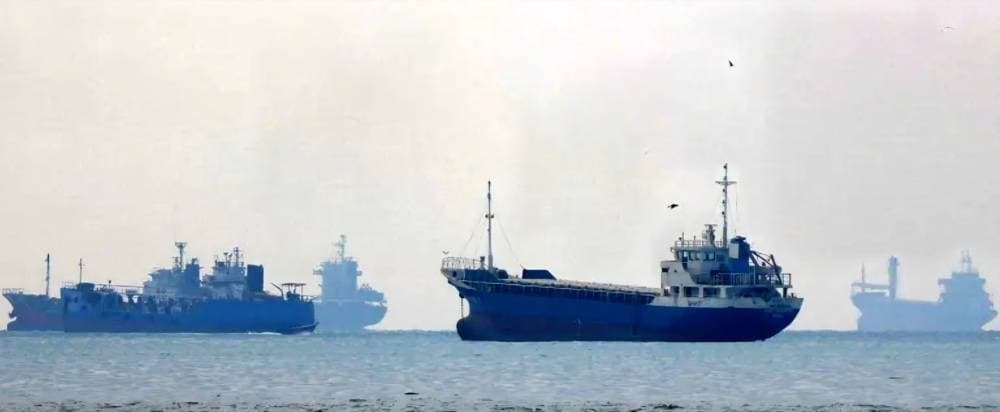
Here's what it means for you.
If you rely on global energy markets, the escalating tensions in the Strait of Hormuz could directly impact your costs and supply chains.
Why it matters
The Strait of Hormuz is a critical chokepoint for global oil transit, with approximately 20% of the world's oil passing through it.
What happened (in 30 seconds)
- Iran imposed new maritime controls on September 7-8, 2026, restricting vessel movements in the northern corridor of the Strait of Hormuz.
- The U.S. claims oil transit volumes have returned to pre-conflict levels of around 18 million barrels per day, despite Iranian exports being zero since July.
- Independent shipping data shows a significant drop in traffic, with only 10 vessels per day transiting the strait, the lowest since May 2026.
The context you actually need
- Ongoing naval confrontations between the U.S. and Iran have escalated since April 2026, leading to blockades and military exchanges.
- Iran's selective permissions for vessel movements favor countries like China and Iraq, raising concerns about regional alliances and trade dynamics.
- The geopolitical landscape is further complicated by nuclear verification issues and broader regional conflicts affecting energy exports.
What's really happening
The recent restrictions in the Strait of Hormuz are a culmination of months of escalating tensions between Iran and the United States. Following a series of naval confrontations, including U.S. blockades on Iranian ports and mutual strikes on vessels, Iran has taken a more aggressive stance in enforcing maritime controls. The Iranian Revolutionary Guard Corps (IRGC) has begun issuing selective permissions for vessel movements, primarily favoring ships from China and Iraq, while warning other nations about the dangers of navigating the strait.
This situation is exacerbated by conflicting reports on oil transit volumes. The U.S. asserts that oil flows have normalized to approximately 18 million barrels per day, just shy of pre-conflict levels. However, independent shipping data from Kepler indicates a stark decline in traffic, with only 10 vessels per day transiting the strait over the ten days leading up to September 7, 2026. This discrepancy raises questions about the reliability of the U.S. claims and highlights the potential for misinformation in a highly charged geopolitical environment.
The Iranian government, facing economic pressures and a depreciating rial, has framed its actions as necessary for national security, citing U.S. attacks on Iranian tankers and ongoing port blockades. This narrative serves to rally domestic support while justifying the imposition of maritime controls. The IRGC's actions have led to a backlog of tankers awaiting directives, creating a bottleneck that could further disrupt global supply chains.
As tensions rise, the implications for global energy markets are significant. Reduced traffic through the Strait of Hormuz not only raises the risk premiums associated with shipping but also contributes to elevated global energy prices. This situation could lead to delays in regional supply chains, affecting logistics and operations in key markets, including Dubai, which relies heavily on stable energy flows.
Who feels it first (and how)
- Shipping operators: Companies like Maersk are assessing risks as extremely high for Iran-linked cargoes, impacting their operational strategies.
- Energy consumers: Businesses and households relying on oil and gas may face increased costs as global prices rise due to supply chain disruptions.
- Regional economies: Countries like South Korea, which depend on the Strait for over 60% of their oil imports, are evaluating military options to ensure safe navigation.
What to watch next
- Shipping traffic data: Monitoring daily vessel transits through the Strait of Hormuz will provide insights into the ongoing impact of Iranian restrictions and U.S. responses.
- Geopolitical developments: Any shifts in U.S.-Iran relations or new military engagements could further alter the dynamics of oil transit and pricing.
- Energy price fluctuations: Watch for changes in global oil prices, which may reflect the ongoing tensions and their impact on supply chains.
The Strait of Hormuz is a vital route for global oil transit, with current tensions affecting shipping operations.
Continued military exchanges between the U.S. and Iran will further complicate navigation and increase shipping costs.
The long-term effects on global energy prices and supply chains remain uncertain as the situation evolves.
Frequently Asked Questions
- Why it matters?
- The Strait of Hormuz is a critical chokepoint for global oil transit, with approximately 20% of the world's oil passing through it.
- What happened (in 30 seconds)?
- Iran imposed new maritime controls on September 7-8, 2026, restricting vessel movements in the northern corridor of the Strait of Hormuz. The U.S. claims oil transit volumes have returned to pre-conflict levels of around 18 million barrels per day, despite Iranian exports being zero since July. Independent shipping data shows a significant drop in traffic, with only 10 vessels per day transiting the strait, the lowest since May 2026.
- What's really happening?
- The recent restrictions in the Strait of Hormuz are a culmination of months of escalating tensions between Iran and the United States. Following a series of naval confrontations, including U.S. blockades on Iranian ports and mutual strikes on vessels, Iran has taken a more aggressive stance in enforcing maritime controls. The Iranian Revolutionary Guard Corps (IRGC) has begun issuing selective permissions for vessel movements, primarily favoring ships from China and Iraq, while warning other nat
- Who feels it first (and how)?
- Shipping operators: Companies like Maersk are assessing risks as extremely high for Iran-linked cargoes, impacting their operational strategies. Energy consumers: Businesses and households relying on oil and gas may face increased costs as global prices rise due to supply chain disruptions. Regional economies: Countries like South Korea, which depend on the Strait for over 60% of their oil imports, are evaluating military options to ensure safe navigation.
- What to watch next?
- Shipping traffic data: Monitoring daily vessel transits through the Strait of Hormuz will provide insights into the ongoing impact of Iranian restrictions and U.S. responses. Geopolitical developments: Any shifts in U.S.-Iran relations or new military engagements could further alter the dynamics of oil transit and pricing. Energy price fluctuations: Watch for changes in global oil prices, which may reflect the ongoing tensions and their impact on supply chains.
Coverage of political affairs and regional developments from a Saudi perspective.
"Al Watan political coverage typically follows a mainstream Saudi framing of regional and national issues."
— A47 Editor
طهران تخنق الملاحة وواشنطن تكسر الحصار
The maritime situation in the Strait of Hormuz has become increasingly tense, with Tehran tightening navigation and Washington claiming to break the blockade. Shipping data indicates a significant decline in maritime traffic, while Iran has announced...
Arabic-language coverage of political affairs and current events.
"Okaz political coverage typically follows mainstream Saudi framing on national and regional affairs."
— A47 Editor
بعد انهيار المفاوضات.. طهران تتوعد السفن قرب هرمز بعقوبات جديدة
Mohsen Rezaei, the new head of Iran's Supreme National Security Council, announced plans to establish an 'exclusion zone' around the Strait of Hormuz, targeting vessels that Iran believes are attempting to transit the waterway. This declaration follo...
Arabic-language coverage of international news and geopolitics.
"RT Arabic is a Russian state-funded outlet often criticized for promoting Kremlin-aligned narratives."
— A47 Editor
خطوة إيرانية لكسر الحصار الأمريكي بفرض منطقة بحرية محظورة تشمل مناطق خليجية خارج هرمز
Iran has announced the expansion of maritime restrictions in the Gulf, declaring a prohibited maritime zone that includes areas outside the Strait of Hormuz, signaling an escalation in tensions surrounding this critical waterway.
Jordanian news and regional updates.
"Roya News is a Jordanian outlet focused on breaking news and local affairs."
— A47 Editor
أمين مجلس الأمن القومي الإيراني: سنعلن عن منطقة محظورة خارج مضيق هرمز تبدأ من خط الحصار البحري الأمريكي
The Iranian National Security Council Secretary announced plans to declare a restricted area outside the Strait of Hormuz, starting from the line of the U.S. naval blockade. This move is seen as a direct response to ongoing tensions with the United S...
Coverage of political affairs and regional developments from a Saudi perspective.
"Al Watan political coverage typically follows a mainstream Saudi framing of regional and national issues."
— A47 Editor
واشنطن تغرق ناقلات إيران وطهران تتوعد بضربات أشد
The military escalation between Washington and Tehran has resurfaced after a month of relative calm, with the U.S. Central Command announcing the destruction of three Iranian oil tankers in response to the Revolutionary Guard's ballistic missile atta...