
U.S.-Iran Maritime Tensions Continue to Disrupt Strait of Hormuz Navigation
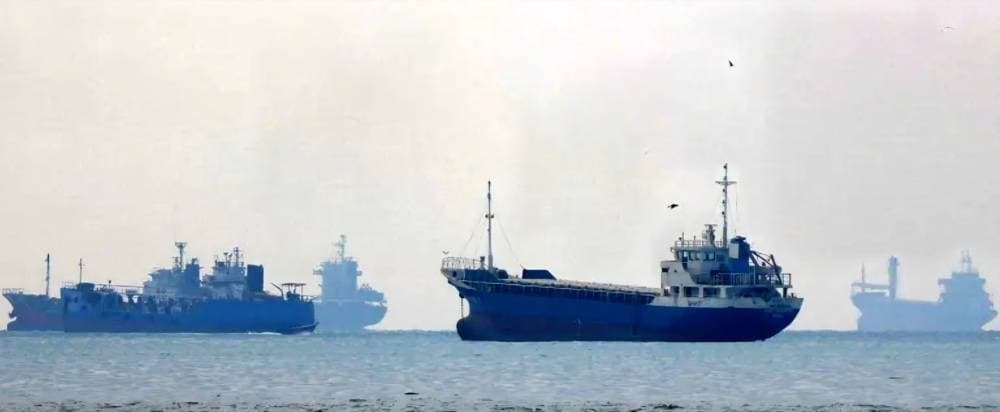
Here's what it means for you.
If you rely on energy imports or shipping, expect rising costs and delays due to ongoing maritime restrictions in the Strait of Hormuz.
Why it matters
The Strait of Hormuz is a critical chokepoint for global oil transit, and disruptions here can lead to significant fluctuations in energy prices worldwide.
What happened (in 30 seconds)
- Iran imposed new maritime zones in the Strait of Hormuz, allowing only select vessels to pass while detaining others.
- The U.S. enforced a naval blockade on Iranian ports, claiming oil transit had recovered, despite conflicting shipping data.
- Daily vessel transits dropped to an average of 10 per day, the lowest since May 2026, indicating severe restrictions on maritime traffic.
The context you actually need
- The Strait of Hormuz is vital for global oil transport, with about 20% of seaborne oil passing through it.
- Tensions escalated following the U.S. blockade on Iranian ports in April 2026, leading to a series of strikes on vessels and temporary ceasefires.
- Iran's Revolutionary Guard is actively controlling navigation lanes, prioritizing vessels from allied nations while threatening others.
What's really happening
The maritime confrontation between the U.S. and Iran is rooted in a complex web of geopolitical tensions, primarily revolving around energy transit, nuclear oversight, and regional security. The Strait of Hormuz, a narrow waterway through which approximately 20% of the world's oil flows, has become a focal point for these tensions.
In early September 2026, Iranian authorities announced new maritime zones that effectively restricted navigation for non-allied vessels. This move was coupled with directives from the Islamic Revolutionary Guard Corps (IRGC) to wait for instructions before proceeding, allowing passage primarily for vessels from China, Iraq, and other designated allies. This selective permission system has led to a significant reduction in daily vessel transits, with Kpler data indicating an average of just 10 vessels per day—down from over 15—marking the lowest traffic levels since May.
On the other side, the U.S. has maintained a strong stance, asserting that oil transit through the Strait has recovered to 18 million barrels per day, despite Iranian exports being reported at zero. This discrepancy highlights the conflicting narratives between the two nations. The U.S. Central Command has been actively enforcing a naval blockade on Iranian ports, aiming to curb Iran's oil exports and limit its influence in the region.
The situation is further complicated by mutual strikes on vessels linked to both nations, particularly near Kharg Island, and ongoing warnings issued by Iran to countries like South Korea against participating in navigation protection operations. The International Atomic Energy Agency (IAEA) has also reported a lack of access to Iranian nuclear sites, adding another layer of tension to the already fraught relationship.
As a result of these developments, shipping markets are reflecting heightened risk premiums, which could lead to increased costs for energy and goods. The ongoing maritime restrictions are likely to create backlogs at regional ports, affecting not only oil prices but also the broader supply chain for various commodities.
Who feels it first (and how)
- Shipping companies: Facing increased operational costs and delays due to rerouted vessels.
- Energy importers: Experiencing rising prices as shipping disruptions lead to supply shortages.
- Consumers in Dubai: Likely to see elevated energy and import costs due to prolonged shipping delays.
- Regional businesses: Affected by backlogs and increased prices for imported goods.
What to watch next
- Shipping traffic data: Monitor daily vessel transits through the Strait of Hormuz for signs of recovery or further decline, which will impact global oil prices.
- U.S.-Iran negotiations: Any diplomatic efforts or agreements could shift the current maritime restrictions and influence energy markets.
- Regional military activities: Increased military presence or actions in the Persian Gulf could escalate tensions and further disrupt shipping routes.
Daily vessel transits have dropped to an average of 10, the lowest since May 2026.
Continued maritime restrictions will lead to increased energy costs and shipping delays.
The potential for diplomatic resolutions or escalations in military confrontations remains uncertain.
Frequently Asked Questions
- Why it matters?
- The Strait of Hormuz is a critical chokepoint for global oil transit, and disruptions here can lead to significant fluctuations in energy prices worldwide.
- What happened (in 30 seconds)?
- Iran imposed new maritime zones in the Strait of Hormuz, allowing only select vessels to pass while detaining others. The U.S. enforced a naval blockade on Iranian ports, claiming oil transit had recovered, despite conflicting shipping data. Daily vessel transits dropped to an average of 10 per day, the lowest since May 2026, indicating severe restrictions on maritime traffic.
- What's really happening?
- The maritime confrontation between the U.S. and Iran is rooted in a complex web of geopolitical tensions, primarily revolving around energy transit, nuclear oversight, and regional security. The Strait of Hormuz, a narrow waterway through which approximately 20% of the world's oil flows, has become a focal point for these tensions. In early September 2026, Iranian authorities announced new maritime zones that effectively restricted navigation for non-allied vessels. This move was coupled with
- Who feels it first (and how)?
- Shipping companies: Facing increased operational costs and delays due to rerouted vessels. Energy importers: Experiencing rising prices as shipping disruptions lead to supply shortages. Consumers in Dubai: Likely to see elevated energy and import costs due to prolonged shipping delays. Regional businesses: Affected by backlogs and increased prices for imported goods.
- What to watch next?
- Shipping traffic data: Monitor daily vessel transits through the Strait of Hormuz for signs of recovery or further decline, which will impact global oil prices. U.S.-Iran negotiations: Any diplomatic efforts or agreements could shift the current maritime restrictions and influence energy markets. Regional military activities: Increased military presence or actions in the Persian Gulf could escalate tensions and further disrupt shipping routes.
Coverage of political affairs and regional developments from a Saudi perspective.
"Al Watan political coverage typically follows a mainstream Saudi framing of regional and national issues."
— A47 Editor
طهران تخنق الملاحة وواشنطن تكسر الحصار
The maritime situation in the Strait of Hormuz has become increasingly tense, with Tehran tightening navigation and Washington claiming to break the blockade. Shipping data indicates a significant decline in maritime traffic, while Iran has announced...
Arabic-language coverage of political affairs and current events.
"Okaz political coverage typically follows mainstream Saudi framing on national and regional affairs."
— A47 Editor
بعد انهيار المفاوضات.. طهران تتوعد السفن قرب هرمز بعقوبات جديدة
Mohsen Rezaei, the new head of Iran's Supreme National Security Council, announced plans to establish an 'exclusion zone' around the Strait of Hormuz, targeting vessels that Iran believes are attempting to transit the waterway. This declaration follo...
Arabic-language coverage of international news and geopolitics.
"RT Arabic is a Russian state-funded outlet often criticized for promoting Kremlin-aligned narratives."
— A47 Editor
معركة اليد العليا بهرمز.. هل تضمن البحرية الأمريكية تدفق الـ 9 ملايين برميل يومياً أمام طهران؟
Tensions are escalating around the security of maritime passages in the Middle East, with the Strait of Hormuz once again becoming a stage for power displays and influence assertion between Washington and Tehran. The U.S. Navy's role in ensuring the ...