
Iran projects $40 billion annual revenue from Strait of Hormuz management
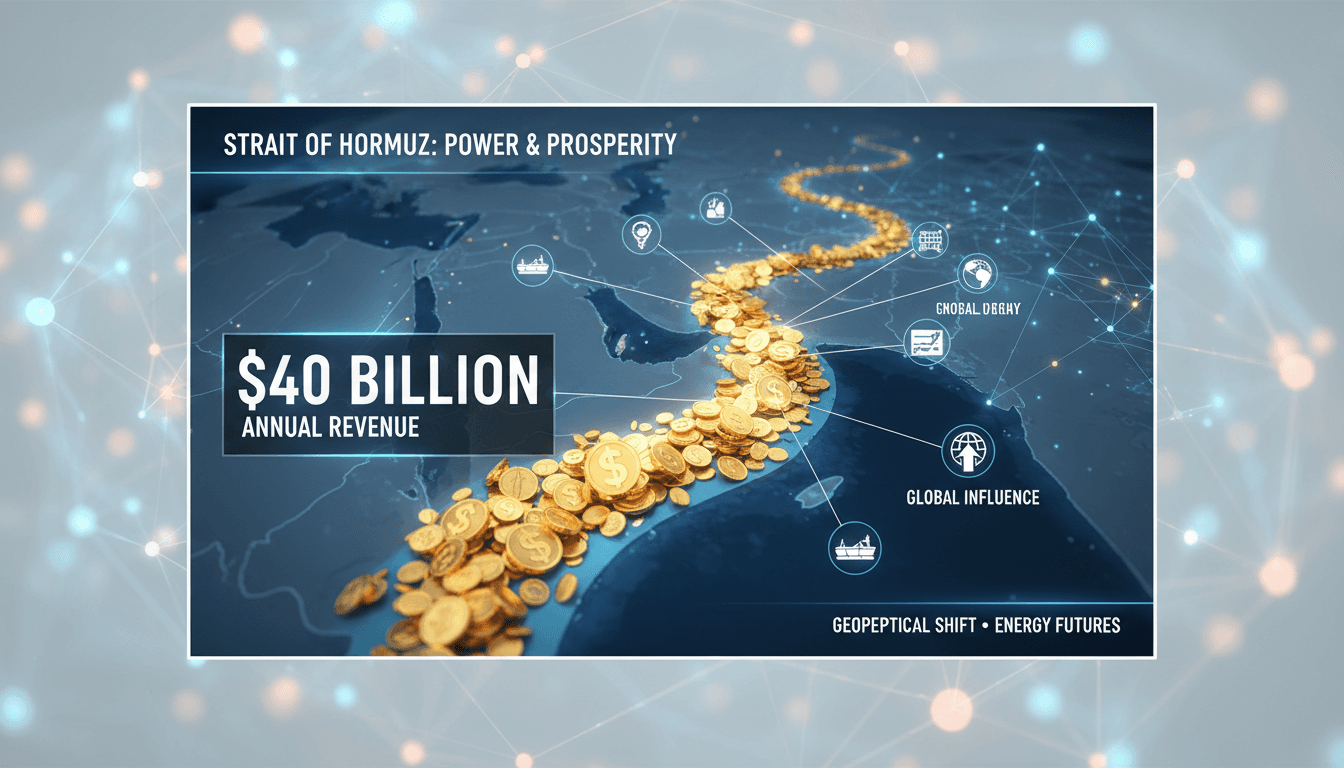
Here's what it means for you.
Iran's projection of $40 billion in annual revenue from the management of the Strait of Hormuz signals a significant shift in regional energy dynamics. This financial boost could enhance Iran's economic stability, potentially altering its geopolitical influence in the Gulf. As the country asserts control over this vital shipping route, global energy markets may experience increased volatility. The implications extend beyond Iran, as other nations dependent on the strait will need to navigate the evolving landscape of energy security and shipping management. Stakeholders in the oil market should prepare for potential fluctuations in prices and supply chains.
What happened
Iran has announced an estimated potential annual revenue of $40 billion from managing the Strait of Hormuz. This projection is part of a broader strategy to enhance Iran's influence in regional energy management. The Strait of Hormuz is a critical global energy corridor, with a significant portion of the world's oil passing through it.
The announcement comes amid ongoing negotiations with Gulf states, indicating a shift in Iran's diplomatic engagement in the region. This financial estimate underscores the economic significance of the strait and its role in global energy transportation.
The Context
The Strait of Hormuz is crucial for global oil transportation, making Iran's control over it a pivotal factor in regional dynamics. The reopening of the strait is not just a matter of economic gain; it represents a strategic maneuver in the context of Iran's relationships with neighboring Gulf states. As Iran seeks to assert its authority, the potential for increased geopolitical tensions looms.
This development is particularly relevant given the historical context of conflicts and negotiations in the region. The financial implications of Iran's management of the strait could reshape its economic prospects and influence, impacting both regional and global energy markets.
Takeaway
As Iran moves forward with its plans to manage the Strait of Hormuz, the geopolitical landscape in the Gulf region may shift significantly. Observers should monitor Iran's negotiations with Gulf states closely, as these discussions will likely influence the future of energy management in the area. Additionally, reactions from global oil markets and countries reliant on the strait will be critical to watch.
The potential for increased geopolitical tensions could have far-reaching effects on international shipping and energy security. Stakeholders in the energy sector should remain vigilant as these developments unfold.
Global business headlines with AI angles.
"General business outlet that frequently covers AI."
— A47 Editor
Iran Reportedly Estimates It Could Get $40 Billion a Year From Management Of Hormuz Strait
Iran has estimated that it could generate $40 billion annually from managing shipping traffic through the strategically vital Strait of Hormuz, a key maritime route for global oil transport. This projection highlights the economic significance of the...
Arabic-language coverage of international news and geopolitics.
"RT Arabic is a Russian state-funded outlet often criticized for promoting Kremlin-aligned narratives."
— A47 Editor
صحيفة: إيران تتوقع تحقيق مكاسب سنوية غير متوقعة بنحو 40 مليار دولار من إعادة فتح مضيق هرمز
The Wall Street Journal reported that Iran anticipates generating unexpected annual revenues of approximately $40 billion through fees associated with the reopening of the Strait of Hormuz. This strategic waterway is crucial for global oil transporta...
Global political, business, and cultural coverage from WSJ international desks.
"The Wall Street Journal offers extensive international reporting with a reputation for financial insight and a center-right editorial stance."
— A47 Editor
Iran Estimates $40 Billion Windfall From Reopening Hormuz With Gulf States
Iran has announced an estimated $40 billion windfall from the reopening of the Strait of Hormuz, a crucial maritime route for global energy trade, following recent agreements with Gulf States. This development is expected to enhance Iran's influence ...