
BRICS Summit 2026 Concludes with AI Initiative and Technology Weaponization Warnings
Why it matters
The summit's decisions on AI and technology governance could redefine economic alliances and influence global market dynamics.
What happened (in 30 seconds)
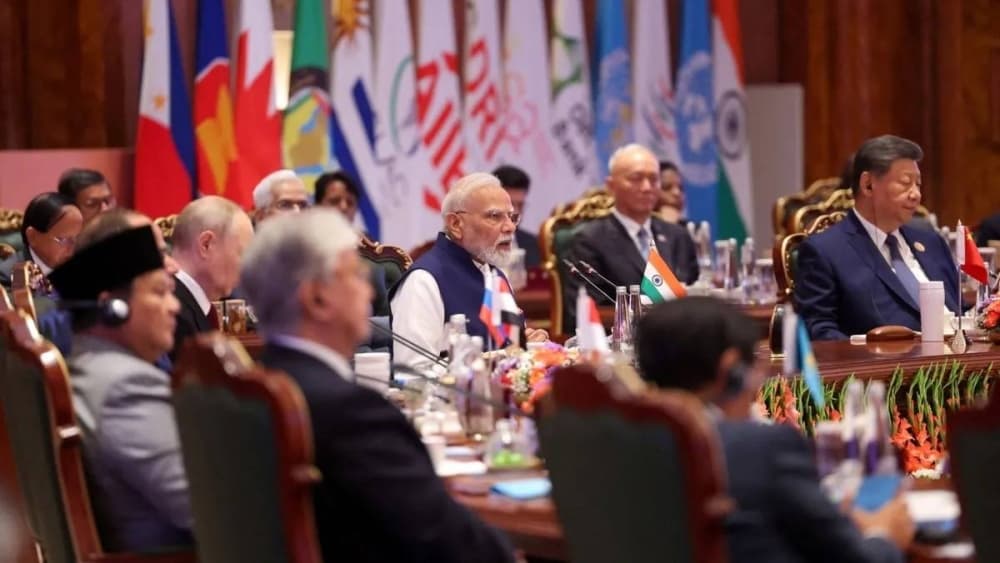
- The BRICS Summit concluded on September 13, 2026, in New Delhi, with the adoption of the New Delhi Declaration.
- China proposed an open-source AI initiative aimed at fostering collaboration among BRICS nations, while India raised concerns about technology weaponization.
- The bloc expanded to 11 members, representing approximately half of the world's population, emphasizing multipolar cooperation.
The context you actually need
- Geopolitical tensions are rising, particularly due to conflicts in Ukraine and Iran, which influence global supply chains and resource availability.
- BRICS aims to reduce reliance on the US dollar, promoting local currencies and alternative payment systems to enhance economic sovereignty.
- The competition between the US and China in AI and critical minerals is intensifying, affecting technological advancements and resource distribution.
What's really happening
The 18th BRICS Summit, held in New Delhi, was a pivotal moment for the bloc, which now includes 11 member nations representing nearly 50% of the global population. The summit's discussions were framed by a backdrop of escalating geopolitical tensions, particularly the ongoing conflicts in Ukraine and Iran. These tensions have heightened the urgency for BRICS nations to explore alternatives to the US dollar and to establish a more multipolar economic framework.
Chinese President Xi Jinping's proposal for a China-led open-source AI ecosystem is a strategic move aimed at fostering technological collaboration among BRICS countries. This initiative includes the development of large language models and a shared technological framework, which could enhance the bloc's collective capabilities in AI. The emphasis on an open-source approach suggests a desire to democratize access to advanced technologies, potentially leveling the playing field for developing nations within the bloc.
However, Indian Prime Minister Narendra Modi's warnings about the weaponization of technology and critical minerals highlight the complexities of this collaboration. Modi's concerns reflect a broader apprehension about how emerging technologies could be used as tools of geopolitical leverage, particularly in the context of ongoing conflicts. His emphasis on health early-warning systems and inclusive access underscores the need for responsible governance of technology, ensuring that advancements benefit all nations rather than exacerbate existing inequalities.
The New Delhi Declaration, which condemned unilateral sanctions and called for reforms in global financial institutions, signals a collective commitment among BRICS nations to pursue economic independence and resilience. The focus on local currencies in trade is particularly noteworthy, as it aligns with the bloc's goal of reducing dollar dependence and enhancing financial sovereignty.
As China assumes the rotating chairmanship for 2027, the implications of this summit will likely reverberate across global markets. The proposed AI ecosystem and economic partnerships could lead to increased investment in technology and infrastructure within BRICS nations, while also influencing global supply chains and trade dynamics.
Who feels it first (and how)
- Tech companies: They may see new opportunities for collaboration and investment in AI and technology development.
- Emerging markets: Nations within the BRICS bloc could benefit from enhanced access to technology and resources.
- Supply chain managers: They will need to adapt to potential shifts in resource availability and trade routes influenced by BRICS initiatives.
What to watch next
- Implementation of the open-source AI initiative: Monitoring how this initiative develops will reveal its impact on global tech partnerships.
- Changes in local currency usage: Observing shifts in trade practices among BRICS nations will indicate the effectiveness of de-dollarization efforts.
- Geopolitical developments: Keeping an eye on conflicts in Ukraine and Iran will help assess the broader implications for global supply chains and resource management.
The BRICS bloc now consists of 11 members, representing about 50% of the world's population.
Increased collaboration in AI and technology among BRICS nations will emerge, influencing global tech landscapes.
The long-term effects of technology weaponization concerns on international relations and trade dynamics remain uncertain.
Frequently Asked Questions
- Why it matters?
- The summit's decisions on AI and technology governance could redefine economic alliances and influence global market dynamics.
- What happened (in 30 seconds)?
- The BRICS Summit concluded on September 13, 2026, in New Delhi, with the adoption of the New Delhi Declaration. China proposed an open-source AI initiative aimed at fostering collaboration among BRICS nations, while India raised concerns about technology weaponization. The bloc expanded to 11 members, representing approximately half of the world's population, emphasizing multipolar cooperation.
- What's really happening?
- The 18th BRICS Summit, held in New Delhi, was a pivotal moment for the bloc, which now includes 11 member nations representing nearly 50% of the global population. The summit's discussions were framed by a backdrop of escalating geopolitical tensions, particularly the ongoing conflicts in Ukraine and Iran. These tensions have heightened the urgency for BRICS nations to explore alternatives to the US dollar and to establish a more multipolar economic framework. Chinese President Xi Jinping's pro
- Who feels it first (and how)?
- Tech companies: They may see new opportunities for collaboration and investment in AI and technology development. Emerging markets: Nations within the BRICS bloc could benefit from enhanced access to technology and resources. Supply chain managers: They will need to adapt to potential shifts in resource availability and trade routes influenced by BRICS initiatives.
- What to watch next?
- Implementation of the open-source AI initiative: Monitoring how this initiative develops will reveal its impact on global tech partnerships. Changes in local currency usage: Observing shifts in trade practices among BRICS nations will indicate the effectiveness of de-dollarization efforts. Geopolitical developments: Keeping an eye on conflicts in Ukraine and Iran will help assess the broader implications for global supply chains and resource management.
Arabic-language local coverage focused on UAE domestic issues, civic affairs, and community reporting.
"Emarat Al Youm local coverage emphasizes UAE institutions, public services, and community-level developments."
— A47 Editor
خبراء: الإمارات حلقة وصل استراتيجية بين «بريكس» والعالم خبراء: الإمارات حلقة وصل استراتيجية بين «بريكس» والعالم
Experts and media participants at the 18th BRICS summit in New Delhi praised the pivotal role of the UAE as a strategic link between BRICS and the world. This recognition highlights the UAE's growing influence in international diplomacy and economic ...
Coverage of political affairs and regional developments from a Saudi perspective.
"Al Watan political coverage typically follows a mainstream Saudi framing of regional and national issues."
— A47 Editor
قمة بريكس: مبادرات صينية للذكاء الاصطناعي وتحذيرات هندية من الاضطرابات
The 18th annual BRICS summit concluded successfully in New Delhi, with leaders reaching a historic consensus on enhancing economic and digital partnerships while striving to reduce reliance on the US dollar for inter-member transactions. China propos...
Arabic-language coverage of international news and geopolitics.
"RT Arabic is a Russian state-funded outlet often criticized for promoting Kremlin-aligned narratives."
— A47 Editor
بيان قمة بريكس: نرفض العقوبات الأحادية
The 18th BRICS summit held in New Delhi concluded with a statement from the leaders rejecting unilateral sanctions that contradict international law, emphasizing the need to strengthen the nuclear non-proliferation regime.
Arabic-language coverage of political affairs and current events.
"Okaz political coverage typically follows mainstream Saudi framing on national and regional affairs."
— A47 Editor
قمة بريكس.. السيسي يشدد في نيودلهي على أهمية الحفاظ على استقرار وحرية الملاحة الدولية
Egyptian President Abdel Fattah el-Sisi participated in the BRICS summit in New Delhi, emphasizing the importance of maintaining international navigation stability and freedom. He proposed enhancing cooperation among BRICS nations and called for refo...
Sports reporting with a focus on Saudi and regional competitions.
"Okaz sports coverage is broad and audience-friendly, with strong attention to Saudi teams and leagues."
— A47 Editor
الهند تستضيف قادة «بريكس».. التجارة والصراعات على طاولة القمة
Leaders of the BRICS nations are convening in New Delhi, India, for a two-day summit, with notable attendees including Russian President Vladimir Putin and Chinese President Xi Jinping. The agenda is expected to focus on global and regional issues, p...