
Russia Conducts First Resupply Mission to Syrian Military Bases Under New Agreement
Why it matters
The resupply mission underscores Russia's commitment to maintaining its strategic foothold in the Mediterranean, which could affect trade routes and energy security in the Gulf.
What happened (in 30 seconds)
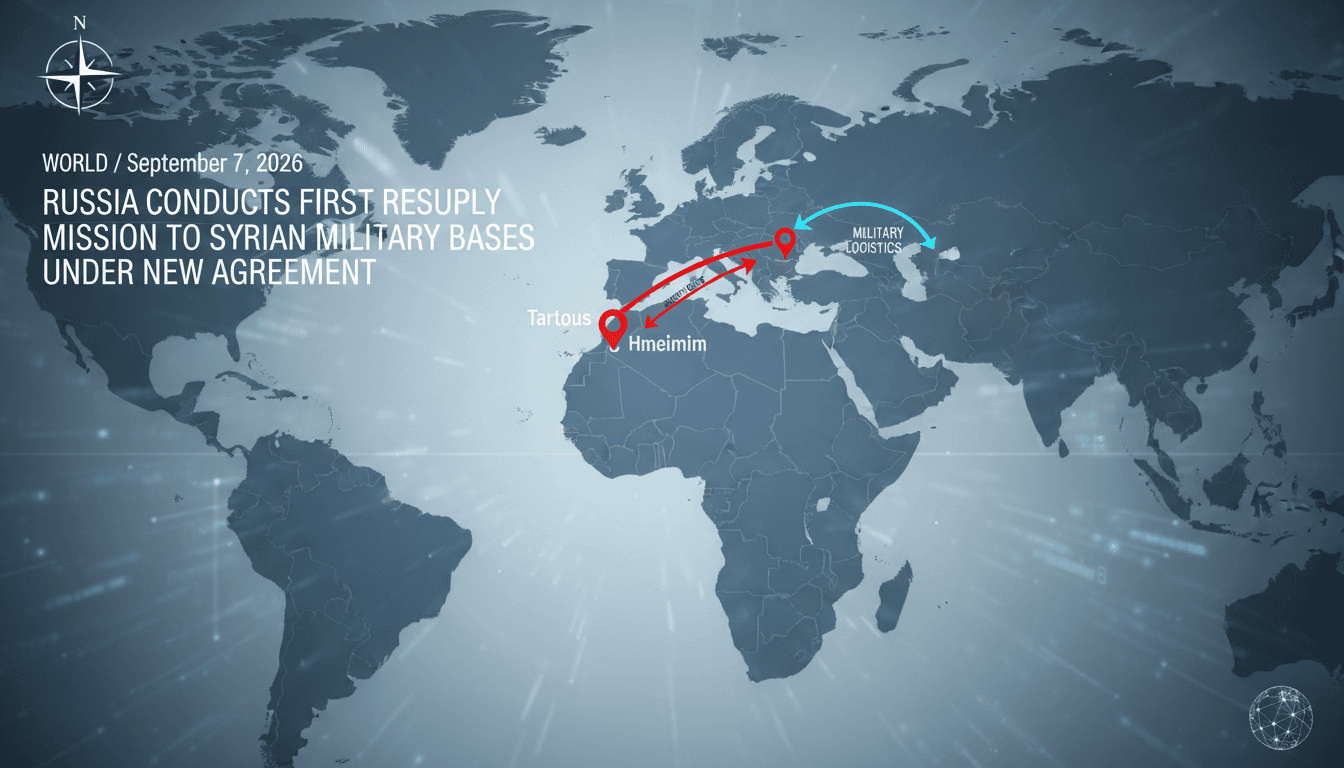
- On September 7, 2026, a four-vessel Russian convoy delivered supplies to Tartous port in Syria, marking the first resupply operation under a new joint training agreement.
- The agreement, signed in August 2026, converts military sites into joint training centers while transferring civilian operations to Syrian control.
- This mission follows the December 2024 ouster of Bashar al-Assad, leading to negotiations between Russian President Vladimir Putin and Syrian President Ahmed al-Sharaa.
The context you actually need
- The December 2024 overthrow of Bashar al-Assad created uncertainty for Russia's military presence in Syria, prompting a need for a new operational framework.
- The August 2026 memorandum aims to preserve Russian influence while addressing Syrian sovereignty and operational control over civilian facilities.
- The ongoing implementation of this agreement is crucial for Russia's strategic interests in the Mediterranean and its broader geopolitical ambitions.
What's really happening
The recent resupply mission by Russia to its military bases in Syria is a significant development in the context of shifting geopolitical dynamics in the region. Following the ouster of Bashar al-Assad in December 2024, Russia faced a precarious situation regarding its military assets in Syria. The new Syrian administration under President Ahmed al-Sharaa necessitated a re-evaluation of the existing military framework, leading to a series of negotiations that culminated in the August 2026 memorandum of understanding.
This agreement is pivotal as it transforms military facilities at Tartous and Hmeimim into joint training centers, allowing Russia to maintain its military presence while granting Syria control over civilian operations. This dual approach serves to bolster bilateral ties and address Syrian demands for sovereignty, while simultaneously ensuring that Russia retains access to critical strategic locations in the Mediterranean.
The September 7 resupply operation, involving four vessels, is the first logistical support mission executed under this new framework. It confirms Russia's ongoing commitment to its military infrastructure in Syria, which is essential for its operations not only in the Mediterranean but also in Africa. The supplies delivered included ammunition and other military logistics, indicating that Russia is not only preserving its military capabilities but also preparing for future operational needs.
The implications of this mission extend beyond military logistics. For Russia, maintaining a strong foothold in Syria is crucial for its influence in the region and its ability to project power. For Syria, the agreement represents a balancing act between leveraging Russian support and asserting national sovereignty. The successful execution of this resupply mission may also embolden other nations in the region to reassess their own military and diplomatic strategies in light of Russia's sustained presence.
As the situation evolves, the dynamics between Russia and Syria will likely continue to shape the geopolitical landscape of the Middle East, with potential ripple effects on trade routes and energy security perceptions in the Gulf region.
Who feels it first (and how)
- Regional governments: They may need to adjust their foreign policies in response to Russia's strengthened position in Syria.
- Energy sector stakeholders: Companies involved in oil and gas may experience shifts in market dynamics due to changes in regional stability.
- Trade route operators: Businesses relying on maritime routes in the Mediterranean could face new challenges or opportunities based on military activities.
What to watch next
- Future resupply missions: Continued Russian logistical support will indicate the strength of the Moscow-Damascus partnership and its implications for regional stability.
- Syrian domestic policies: Changes in governance or military strategy in Syria could affect the operational landscape for foreign powers.
- International reactions: Watch for responses from Western nations regarding sanctions or diplomatic efforts related to Russia's activities in Syria.
Russia has successfully executed its first resupply mission under the new agreement.
Continued military cooperation between Russia and Syria will shape regional dynamics.
The long-term impact on Gulf trade routes and energy security remains to be seen.
Frequently Asked Questions
- Why it matters?
- The resupply mission underscores Russia's commitment to maintaining its strategic foothold in the Mediterranean, which could affect trade routes and energy security in the Gulf.
- What happened (in 30 seconds)?
- On September 7, 2026, a four-vessel Russian convoy delivered supplies to Tartous port in Syria, marking the first resupply operation under a new joint training agreement. The agreement, signed in August 2026, converts military sites into joint training centers while transferring civilian operations to Syrian control. This mission follows the December 2024 ouster of Bashar al-Assad, leading to negotiations between Russian President Vladimir Putin and Syrian President Ahmed al-Sharaa.
- What's really happening?
- The recent resupply mission by Russia to its military bases in Syria is a significant development in the context of shifting geopolitical dynamics in the region. Following the ouster of Bashar al-Assad in December 2024, Russia faced a precarious situation regarding its military assets in Syria. The new Syrian administration under President Ahmed al-Sharaa necessitated a re-evaluation of the existing military framework, leading to a series of negotiations that culminated in the August 2026 memora
- Who feels it first (and how)?
- Regional governments: They may need to adjust their foreign policies in response to Russia's strengthened position in Syria. Energy sector stakeholders: Companies involved in oil and gas may experience shifts in market dynamics due to changes in regional stability. Trade route operators: Businesses relying on maritime routes in the Mediterranean could face new challenges or opportunities based on military activities.
- What to watch next?
- Future resupply missions: Continued Russian logistical support will indicate the strength of the Moscow-Damascus partnership and its implications for regional stability. Syrian domestic policies: Changes in governance or military strategy in Syria could affect the operational landscape for foreign powers. International reactions: Watch for responses from Western nations regarding sanctions or diplomatic efforts related to Russia's activities in Syria.
Global news coverage with extensive reporting on Middle Eastern conflicts and geopolitics.
"Al Jazeera is a Qatar-based broadcaster known for wide regional coverage and alternative perspectives."
— A47 Editor
Russia resupplies military bases in Syria for first time under new deal
Russia has begun resupplying its military bases in Syria, specifically the Khmeimim and Tartous facilities, marking the first such action under a new agreement with the Syrian government. This development underscores Moscow's commitment to maintainin...
Arabic-language political and world news coverage for UAE readers.
"Emarat Al Youm world coverage usually presents international developments through a UAE and Arab audience lens."
— A47 Editor
موسكو تستأنف إمداد منشآتي طرطوس وحميميم بعد اتفاق مع دمشق موسكو تستأنف إمداد منشآتي طرطوس وحميميم بعد اتفاق مع دمشق
A source has reported that a convoy consisting of Russian warships and cargo ships delivered supplies last week to coastal facilities in Syria, specifically in Tartus and Hmeimim, following an agreement with Damascus.
Regional coverage and analysis focused on politics, diplomacy, and business across the Middle East.
"Al-Monitor is known for analytical reporting on Middle East politics and policy developments."
— A47 Editor
Russian convoy resupplies Syria coastal facilities for first time since Moscow-Damascus deal
A convoy of Russian naval and cargo vessels successfully delivered supplies to coastal facilities in Syria last week, marking the first resupply mission since the recent agreement between Moscow and Damascus regarding Russia's military presence in th...