
Human-Caused Climate Change Linked to 2026 Himalayan Avalanche and Flood Disaster
Why it matters
This disaster highlights the increasing risks posed by climate change, affecting not only local communities but also global economies and environmental policies.
What happened (in 30 seconds)
- On August 26, 2026, a rock and glacier collapse on Langtang Lirung mountain triggered devastating debris floods along the Nepal-Tibet border.
- A World Weather Attribution report published on September 16, 2026, linked human-caused climate change to the event, attributing a significant role to rising temperatures.
- The aftermath resulted in over 1,300 confirmed deaths, thousands missing, and an estimated $5 billion in damages, prompting Nepal to seek international climate aid.
The context you actually need
- The Hindu Kush Himalaya region has warmed approximately 2°C since pre-industrial times, accelerating glacier retreat and permafrost thaw.
- The 2015 Nepal earthquake likely weakened geological structures, contributing to slope instability in the region.
- July and August 2026 were exceptionally warm, with human influence adding about 1.5°C to local temperatures, exacerbating the risk of such disasters.
What's really happening
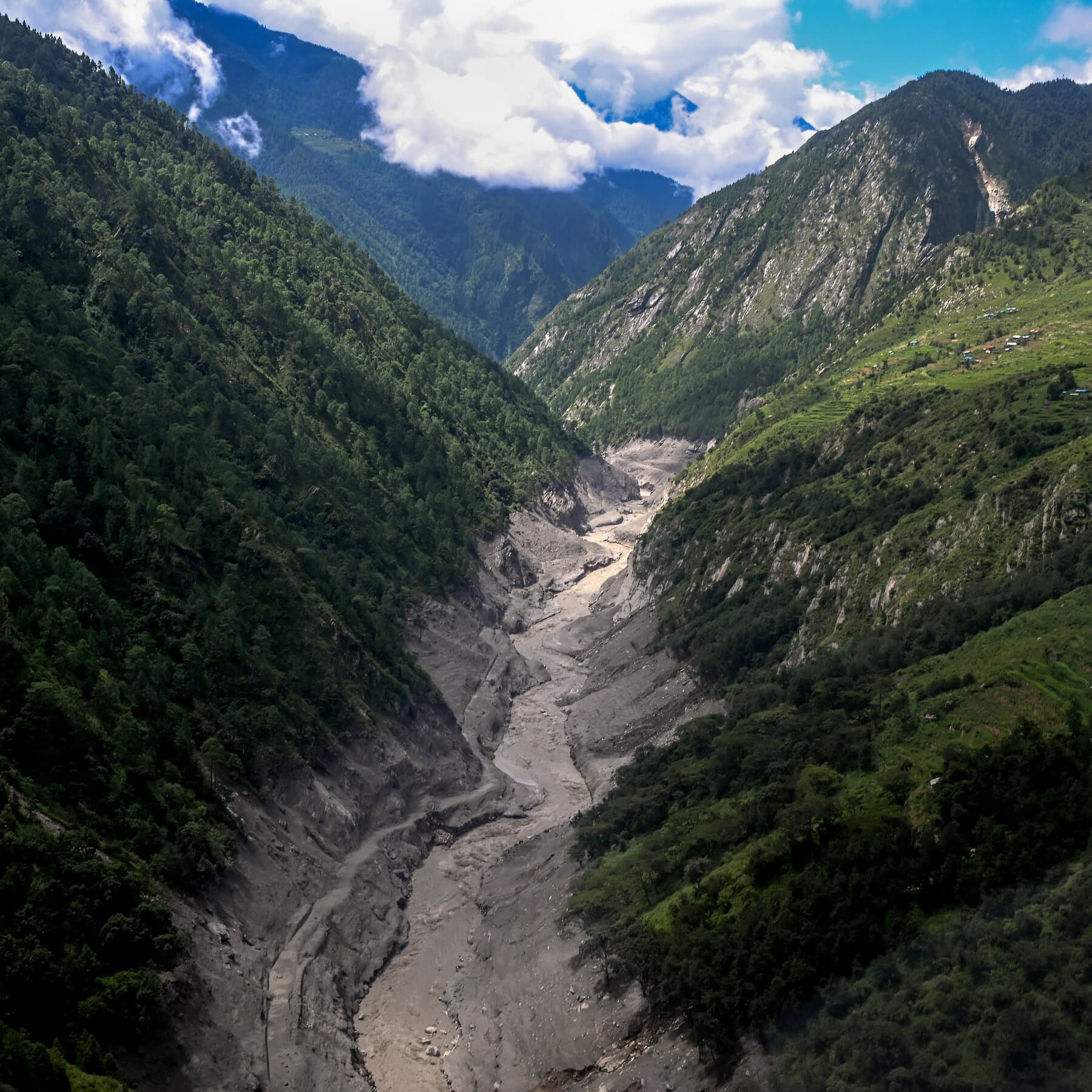
The August 26, 2026, avalanche on Langtang Lirung was a complex geohazard event, driven by a combination of natural and anthropogenic factors. The region has been experiencing accelerated warming, with temperatures rising approximately 2°C since pre-industrial times—significantly faster than the global average. This warming has led to the destabilization of permafrost and thinning glaciers, which are critical in maintaining the structural integrity of mountain slopes.
The event involved approximately 2 square kilometers of rock and ice detaching from the mountain at an elevation of around 5,150 meters. The collapse generated a high-velocity debris flow that traveled 22 kilometers in mere minutes, inundating towns, bridges, and hydropower facilities along the Nepal-Tibet border. The rapidity and scale of the debris flow were unprecedented, resulting in catastrophic consequences for local communities.
The World Weather Attribution report published on September 16, 2026, concluded that human-induced climate change played a very strong role in this disaster. The researchers highlighted that the additional warming of approximately 1.5°C during July and August 2026 was a significant preconditioning factor. While climate change was not the sole cause of the avalanche, it was a critical contributor, exacerbating existing vulnerabilities in the region.
The aftermath of the disaster has been devastating, with Nepal revising the number of missing persons to over 6,000 and estimating recovery costs at around $5 billion. Prime Minister Balendra Shah emphasized that this event signals increasing risks in the Himalayas due to climate change, reinforcing the need for enhanced monitoring and early-warning systems in high-mountain regions. The findings from the report have also supported Nepal's request for assistance from the UN climate aid fund, highlighting the urgent need for international cooperation in addressing climate-related disasters.
Who feels it first (and how)
- Local communities in Nepal and Tibet, facing loss of life and infrastructure.
- Disaster response organizations needing to adapt strategies for increased frequency of such events.
- Global supply chains reliant on Himalayan resources, particularly hydropower and tourism, facing disruptions.
- Climate scientists and policymakers advocating for urgent climate action and improved monitoring systems.
What to watch next
- International climate aid responses: Watch for how quickly and effectively the international community mobilizes support for Nepal's recovery efforts.
- Monitoring systems implementation: Look for advancements in early-warning systems in high-mountain regions, which could mitigate future risks.
- Policy changes: Observe potential shifts in climate policy and funding allocations as governments respond to the increasing frequency of climate-related disasters.
The event resulted in over 1,300 deaths and significant economic damages.
Increased frequency of similar climate-related disasters in vulnerable regions globally.
The long-term effectiveness of international climate aid and its impact on local recovery efforts.
Frequently Asked Questions
- Why it matters?
- This disaster highlights the increasing risks posed by climate change, affecting not only local communities but also global economies and environmental policies.
- What happened (in 30 seconds)?
- On August 26, 2026, a rock and glacier collapse on Langtang Lirung mountain triggered devastating debris floods along the Nepal-Tibet border. A World Weather Attribution report published on September 16, 2026, linked human-caused climate change to the event, attributing a significant role to rising temperatures. The aftermath resulted in over 1,300 confirmed deaths, thousands missing, and an estimated $5 billion in damages, prompting Nepal to seek international climate aid.
- What's really happening?
- The August 26, 2026, avalanche on Langtang Lirung was a complex geohazard event, driven by a combination of natural and anthropogenic factors. The region has been experiencing accelerated warming, with temperatures rising approximately 2°C since pre-industrial times—significantly faster than the global average. This warming has led to the destabilization of permafrost and thinning glaciers, which are critical in maintaining the structural integrity of mountain slopes. The event involved approxi
- Who feels it first (and how)?
- Local communities in Nepal and Tibet, facing loss of life and infrastructure. Disaster response organizations needing to adapt strategies for increased frequency of such events. Global supply chains reliant on Himalayan resources, particularly hydropower and tourism, facing disruptions. Climate scientists and policymakers advocating for urgent climate action and improved monitoring systems.
- What to watch next?
- International climate aid responses: Watch for how quickly and effectively the international community mobilizes support for Nepal's recovery efforts. Monitoring systems implementation: Look for advancements in early-warning systems in high-mountain regions, which could mitigate future risks. Policy changes: Observe potential shifts in climate policy and funding allocations as governments respond to the increasing frequency of climate-related disasters.
Reports on climate change, environmental science, sustainability, and nature.
"BBC News is widely regarded as a reputable international news organization, known for its impartial tone and public service mandate."
— A47 Editor
Nepal to use new flood study to claim millions from UN climate disaster fund
A recent study has indicated that climate change likely contributed to the severe flooding on the Nepal-Tibet border last month, which has prompted Nepal to seek financial assistance from the UN climate disaster fund. The floods have resulted in sign...
Reports on science policy, discoveries, and public debate in the scientific realm.
"The Guardian’s science section is known for thoughtful and critical reporting on global research, ethics, and public understanding of science."
— A47 Editor
Climate crisis probably weakened glacier that caused devastating Nepal-Tibet floods, first study finds
A recent scientific study indicates that global heating likely contributed to the destabilization of a glacier that collapsed in August, resulting in catastrophic floods across Nepal and Tibet. This disaster has claimed over 1,400 lives and left thou...
International coverage from The Guardian's global desks.
"The Guardian is known for its progressive editorial stance and in-depth analysis."
— A47 Editor
Climate crisis probably weakened glacier that caused devastating Nepal-Tibet floods, first study finds
A recent scientific study indicates that global heating likely contributed to the destabilization of a glacier that collapsed in August, resulting in catastrophic floods across Nepal and Tibet. This disaster has claimed over 1,400 lives and left thou...
Scientific research, space, environment, and health coverage.
"The New York Times is a globally recognized newspaper offering authoritative reporting with a center-left editorial stance."
— A47 Editor
Human-Caused Warming Played ‘Very Strong’ Role in Himalayan Floods, Report Finds
A recent report has concluded that human-caused warming played a significant role in the catastrophic floods that struck Nepal, particularly affecting the Bhote Koshi River. The rising temperatures destabilized permafrost and ice, contributing to the...