
Absence of Chinese Corporate Leaders at Trump-Xi Summit Signals Declining U.S.-China Business Relations
Why it matters
This development reflects a significant deterioration in U.S.-China economic relations, affecting global markets and trade flows.
What happened (in 30 seconds)
- Xi Jinping visited the U.S. for his first state visit in over a decade, meeting with President Trump.
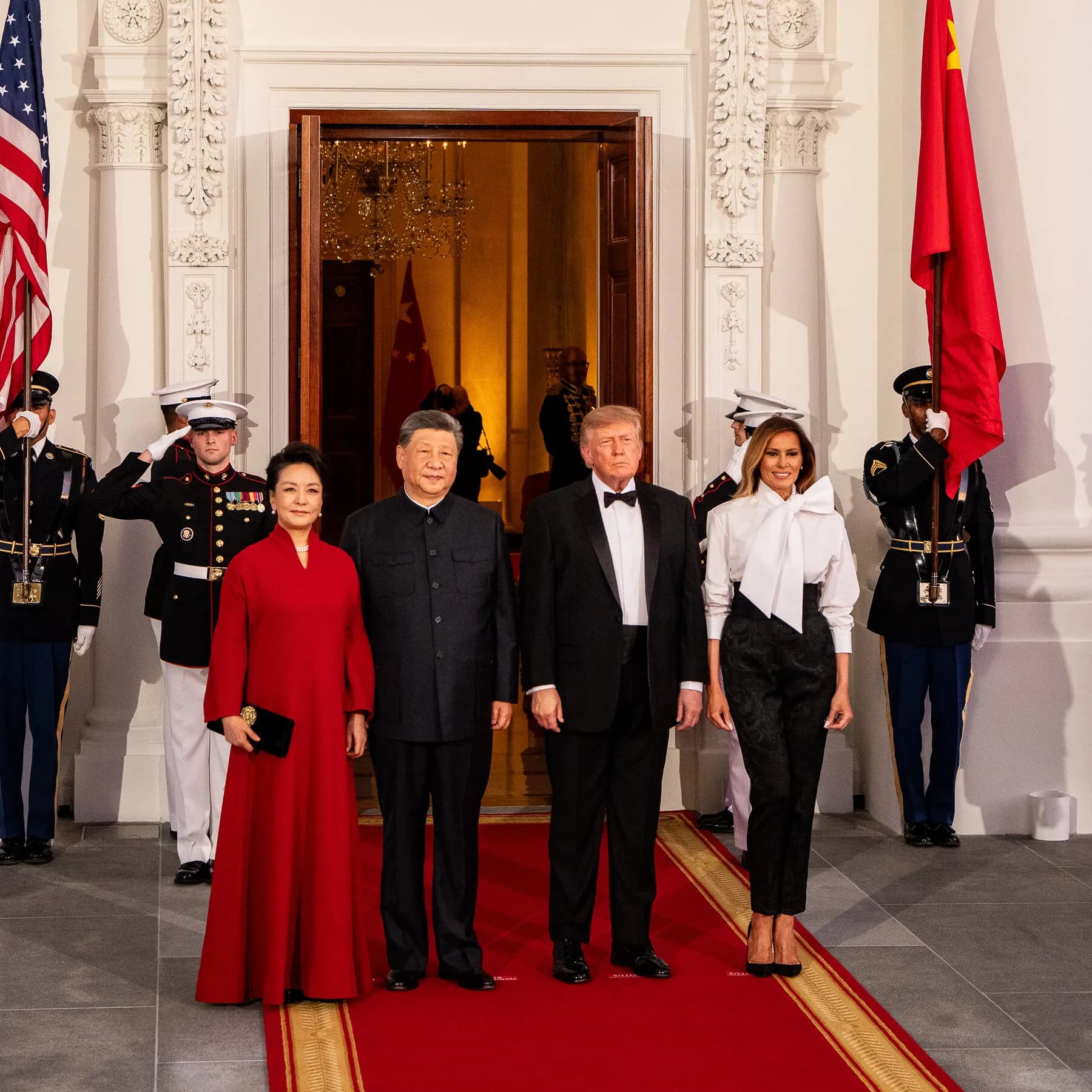
- No Chinese CEOs attended the state dinner, contrasting sharply with Xi's 2015 visit that featured major business leaders.
- No major commercial agreements were announced, highlighting the challenges in U.S.-China trade relations.
The context you actually need
- 2015 marked a high point in U.S.-China relations, with Xi's visit resulting in a $38 billion Boeing deal and a large delegation of Chinese business leaders.
- By 2026, tensions have escalated due to trade wars, technology restrictions, and regulatory crackdowns in China, reducing incentives for collaboration.
- The absence of Chinese executives at the summit indicates a shift from mutual economic interests to a more adversarial relationship.
What's really happening
The September 2026 summit between President Trump and President Xi Jinping was emblematic of the evolving landscape of U.S.-China relations. The stark absence of Chinese corporate leaders at the state dinner is not merely a logistical oversight; it reflects deeper systemic issues that have eroded trust and collaboration between the two nations.
In 2015, Xi's visit was marked by optimism and a shared vision for economic cooperation, evidenced by significant agreements like the $38 billion Boeing deal. Fast forward to 2026, and the atmosphere is markedly different. The ongoing trade tensions, exacerbated by tariffs and export controls, have created a climate of uncertainty that discourages Chinese companies from engaging with their American counterparts.
Moreover, China's regulatory environment has become increasingly hostile to foreign businesses, with crackdowns on private firms and a push for self-reliance in technology. This has led to a chilling effect on investment and collaboration, as companies weigh the risks of operating in a volatile geopolitical landscape. The lack of a Chinese corporate delegation at the summit underscores the diminishing prospects for commercial deal-making, as both sides grapple with competing national interests.
The summit discussions, which included topics like trade, artificial intelligence, and Taiwan, yielded limited visible progress. While both leaders maintained a positive rapport, the absence of concrete agreements signals a broader trend of disengagement. The symbolic gestures, such as Xi's announcement of panda exports and student exchanges, do little to address the underlying economic challenges.
As the world's two largest economies navigate this complex relationship, the implications extend beyond bilateral ties. The uncertainty in U.S.-China relations could have ripple effects on global supply chains, investment flows, and market stability, impacting businesses and consumers alike.
Who feels it first (and how)
- U.S. technology firms: Companies reliant on Chinese markets may face reduced opportunities and increased competition.
- Chinese manufacturers: Firms may struggle with export restrictions and a lack of access to U.S. technology.
- Global investors: Uncertainty in U.S.-China relations could lead to volatility in stock markets and investment strategies.
- Logistics and trade sectors: Companies in Dubai and other trade hubs may experience disruptions in supply chains linked to U.S.-China trade dynamics.
What to watch next
- Upcoming APEC summit in November 2026: This meeting could provide insights into any potential thawing of relations or further entrenchment of divisions.
- New U.S. trade policies: Watch for announcements that could impact tariffs or technology export controls, influencing market conditions.
- Chinese regulatory changes: Any shifts in China's approach to foreign investment could signal opportunities or risks for international businesses.
The absence of Chinese corporate leaders at the summit reflects deteriorating U.S.-China relations.
Continued tensions will affect global supply chains and investment flows.
The long-term impact on specific sectors and markets remains to be seen.
Frequently Asked Questions
- Why it matters?
- This development reflects a significant deterioration in U.S.-China economic relations, affecting global markets and trade flows.
- What happened (in 30 seconds)?
- Xi Jinping visited the U.S. for his first state visit in over a decade, meeting with President Trump. No Chinese CEOs attended the state dinner, contrasting sharply with Xi's 2015 visit that featured major business leaders. No major commercial agreements were announced, highlighting the challenges in U.S.-China trade relations.
- What's really happening?
- The September 2026 summit between President Trump and President Xi Jinping was emblematic of the evolving landscape of U.S.-China relations. The stark absence of Chinese corporate leaders at the state dinner is not merely a logistical oversight; it reflects deeper systemic issues that have eroded trust and collaboration between the two nations. In 2015, Xi's visit was marked by optimism and a shared vision for economic cooperation, evidenced by significant agreements like the $38 billion Boein
- Who feels it first (and how)?
- U.S. technology firms: Companies reliant on Chinese markets may face reduced opportunities and increased competition. Chinese manufacturers: Firms may struggle with export restrictions and a lack of access to U.S. technology. Global investors: Uncertainty in U.S.-China relations could lead to volatility in stock markets and investment strategies. Logistics and trade sectors: Companies in Dubai and other trade hubs may experience disruptions in supply chains linked to U.S.-China trade dynamics.
- What to watch next?
- Upcoming APEC summit in November 2026: This meeting could provide insights into any potential thawing of relations or further entrenchment of divisions. New U.S. trade policies: Watch for announcements that could impact tariffs or technology export controls, influencing market conditions. Chinese regulatory changes: Any shifts in China's approach to foreign investment could signal opportunities or risks for international businesses.
Markets, economy, and company analysis from NYT’s business desk.
"The New York Times is a globally recognized newspaper offering authoritative reporting with a center-left editorial stance."
— A47 Editor
Xi Jinping Didn’t Bring a CEO Entourage. What That Says About China-US Relations.
During a recent state visit to the United States, Chinese President Xi Jinping attended meetings without a delegation of CEOs, contrasting sharply with the presence of numerous American business leaders. This absence highlights a significant shift in...
English-language news from Qatar covering domestic and regional affairs.
"Gulf Times reflects Qatari perspectives on regional developments."
— A47 Editor
China leaves business leaders at home for Washington summit
During President Xi Jinping's recent visit to Washington, notable Chinese business leaders were absent, contrasting sharply with the presence of prominent U.S. business figures at a black-tie dinner hosted by the White House. This absence highlights ...
English-language reporting on Saudi politics, policy, and society.
"Saudi Gazette reflects mainstream Saudi institutional perspectives."
— A47 Editor
Xi leaves Beijing for US state visit, summit with Trump
Chinese President Xi Jinping departed from Beijing for a three-day state visit to the United States, where he is set to engage in summit talks with President Donald Trump. Accompanied by his wife, Peng Liyuan, and a delegation of senior officials, Xi...