
US and China Extend Trade Truce Amid Ongoing Geopolitical Tensions
Why it matters
This agreement impacts international trade relations and economic stability, particularly for countries reliant on US and Chinese markets.
What happened (in 30 seconds)
- The US and China extended their trade truce until January 10, 2027, easing immediate tariff pressures.
- New channels for AI safety and military communications were established to mitigate risks of conflict.
- China gained strategic breathing room to address domestic economic challenges ahead of the 2027 Communist Party congress.
The context you actually need
- Trade tensions escalated after President Trump returned to office in 2025, imposing tariffs peaking at 145% on Chinese imports.
- China diversified its trade partners and built resilience in response to US economic pressures, setting the stage for de-escalation talks.
- The summit featured personal diplomacy but did not yield breakthroughs on contentious issues like Taiwan or Iran.
What's really happening
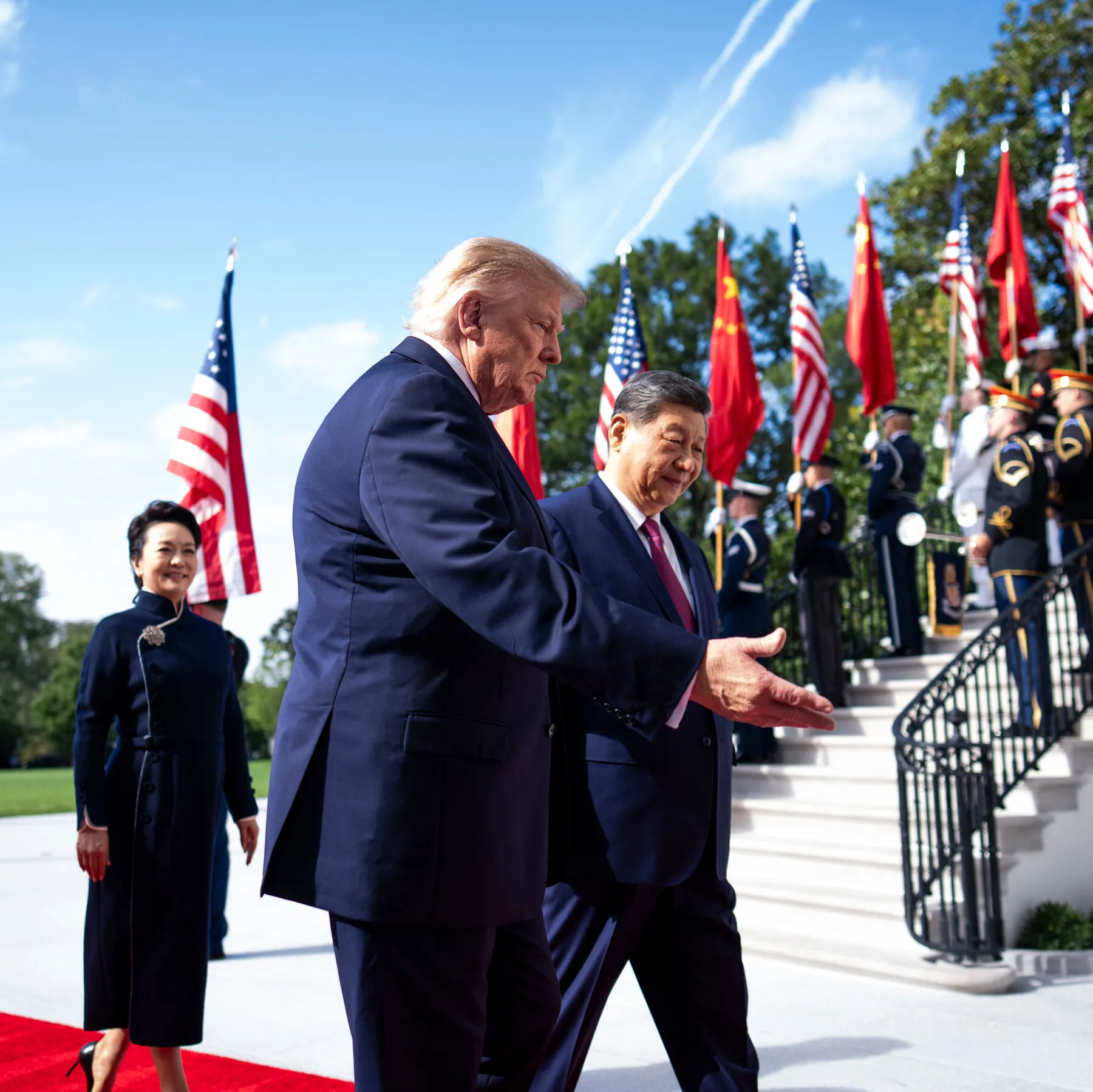
The September 2026 summit between President Trump and President Xi Jinping marked a significant moment in US-China relations, characterized by a strategic trade truce extension. This agreement is not merely a pause in hostilities; it reflects deeper economic and geopolitical calculations by both nations.
The trade truce, now extended until January 2027, allows China to stabilize its economy amid pressing domestic challenges, including a housing market crisis and local government fiscal shortfalls. With a projected annual trade surplus of $1.2 trillion, China is poised to maintain its economic momentum despite reduced dependence on the US market. This surplus is crucial as it provides Beijing with the financial resources needed to address internal issues while preparing for the upcoming Communist Party congress in 2027.
The establishment of AI safety and military communication channels signifies a recognition of the need for dialogue in an increasingly complex global landscape. By creating these mechanisms, both nations aim to prevent misunderstandings that could escalate into conflict, particularly in sensitive areas like technology and military operations. This proactive approach is essential as tensions continue to simmer over Taiwan and other geopolitical flashpoints.
Moreover, the summit's outcomes reflect a broader trend of economic diversification for China. As US tariffs and export controls tighten, Chinese exporters are increasingly looking to Southeast Asia and Latin America for new markets. This shift not only mitigates the impact of US economic leverage but also reshapes global trade patterns, potentially benefiting countries that align with China's growing economic influence.
In summary, the trade truce extension is a strategic maneuver by both nations, allowing China to navigate its domestic challenges while maintaining a foothold in global markets. The implications of this agreement extend beyond immediate economic relief, influencing international trade dynamics and geopolitical stability.
Who feels it first (and how)
- Exporters in China: They will benefit from reduced tariff pressures, allowing for more competitive pricing in global markets.
- US businesses reliant on Chinese imports: They may experience lower costs and improved supply chain stability.
- Southeast Asian and Latin American markets: These regions could see increased trade opportunities as China diversifies its partnerships.
What to watch next
- Upcoming APEC and G20 meetings: These gatherings will provide insights into further diplomatic engagements and potential policy shifts.
- China's housing market recovery: Monitoring this sector will indicate the effectiveness of the truce in stabilizing China's economy.
- US-China trade data: Changes in trade volumes and patterns will reveal the truce's impact on bilateral relations and global trade dynamics.
The trade truce has been extended until January 10, 2027.
Continued diversification of Chinese trade partners will reshape global trade dynamics.
The long-term effectiveness of the AI safety and military communication channels in preventing conflict.
Frequently Asked Questions
- Why it matters?
- This agreement impacts international trade relations and economic stability, particularly for countries reliant on US and Chinese markets.
- What happened (in 30 seconds)?
- The US and China extended their trade truce until January 10, 2027, easing immediate tariff pressures. New channels for AI safety and military communications were established to mitigate risks of conflict. China gained strategic breathing room to address domestic economic challenges ahead of the 2027 Communist Party congress.
- What's really happening?
- The September 2026 summit between President Trump and President Xi Jinping marked a significant moment in US-China relations, characterized by a strategic trade truce extension. This agreement is not merely a pause in hostilities; it reflects deeper economic and geopolitical calculations by both nations. The trade truce, now extended until January 2027, allows China to stabilize its economy amid pressing domestic challenges, including a housing market crisis and local government fiscal shortfa
- Who feels it first (and how)?
- Exporters in China: They will benefit from reduced tariff pressures, allowing for more competitive pricing in global markets. US businesses reliant on Chinese imports: They may experience lower costs and improved supply chain stability. Southeast Asian and Latin American markets: These regions could see increased trade opportunities as China diversifies its partnerships.
- What to watch next?
- Upcoming APEC and G20 meetings: These gatherings will provide insights into further diplomatic engagements and potential policy shifts. China's housing market recovery: Monitoring this sector will indicate the effectiveness of the truce in stabilizing China's economy. US-China trade data: Changes in trade volumes and patterns will reveal the truce's impact on bilateral relations and global trade dynamics.
Conservative-leaning political and national coverage.
"The Washington Times is a conservative-leaning newspaper known for its political coverage and advocacy of right-of-center viewpoints."
— A47 Editor
China and U.S. agree to establish AI safety channel and continue trade and military talks
China and the United States have agreed to establish a dedicated channel for addressing AI-related incidents and to enhance military crisis communications following a three-day summit between President Xi Jinping and President Trump in Washington. Th...
U.S. political news and right-leaning commentary.
"Fox News is a highly influential conservative news outlet known for right-leaning political commentary and coverage."
— A47 Editor
US, China strike deal to lower tariffs on $30B in goods after Trump-Xi Washington summit
The United States and China have reached an agreement to reduce tariffs on $30 billion in goods following a three-day summit between President Trump and President Xi Jinping in Washington. This deal marks a significant step in improving trade relatio...
English-language reporting on Saudi politics, policy, and society.
"Saudi Gazette reflects mainstream Saudi institutional perspectives."
— A47 Editor
US, China reach tariff consensus on $30 billion in goods after Xi visit
The United States and China have reached a consensus on tariff recommendations for $30 billion worth of non-sensitive goods following Chinese President Xi Jinping's state visit to Washington. This agreement includes U.S. exports such as agricultural ...
Right-of-center views on political news.
"The Washington Times is a conservative-leaning newspaper known for its political coverage and advocacy of right-of-center viewpoints."
— A47 Editor
U.S., China agree to reduce tariffs after Xi visit
The United States and China have reached an agreement to reduce tariffs on a select group of goods, following a recent visit by Chinese President Xi Jinping to Washington. This decision was announced by the White House and marks a significant step in...
Macro commentary, policy analysis, growth/inflation themes, and global outlooks.
"Contextual macro coverage that complements day-to-day market headlines."
— A47 Editor
China, U.S. agree to $30 billion tariff cut, launch AI dialogue
China and the U.S. have reached an agreement to cut tariffs by $30 billion and initiate a dialogue on artificial intelligence (AI), marking a significant step in their ongoing trade relations. This agreement comes amid heightened discussions on AI sa...
Global political, business, and cultural coverage from WSJ international desks.
"The Wall Street Journal offers extensive international reporting with a reputation for financial insight and a center-right editorial stance."
— A47 Editor
U.S., China Agree to Trim Tariffs, Start AI Dialogue
The United States and China have reached an agreement to reduce tariffs on $30 billion of less sensitive trade, following a summit between President Trump and President Xi Jinping. This deal signifies a positive step in U.S.-China relations, aiming t...
Global markets, investing, and macroeconomics from a premier financial newsroom.
"Bloomberg is respected for in-depth financial reporting and data-driven analysis."
— A47 Editor
Trump-Xi Summit Yields Coal Pledge as Tariff Talks Extend
During a recent summit, China committed to importing at least 10 million metric tons of coal from the United States in 2027 and again in 2028, signaling progress in alleviating trade tensions between the two nations. This agreement was announced by t...
Global business headlines with AI angles.
"General business outlet that frequently covers AI."
— A47 Editor
U.S. Orders For Chinese Goods Jumped Ahead Of Trump-Xi Summit. The Rebound Caught Researchers By Surprise.
U.S. orders for Chinese goods surged unexpectedly ahead of the recent summit between President Donald Trump and Chinese President Xi Jinping in Washington, indicating a potential shift in trade dynamics as both nations continue negotiations.
Capitol Hill news, legislation, and policy insight.
"The Hill specializes in U.S. politics and policy, with a focus on Capitol Hill developments and a reputation for insider reporting."
— A47 Editor
5 takeaways from Trump and Xi’s ‘Made for TV’ summit
President Trump and Chinese President Xi Jinping concluded a three-day summit in Washington, D.C., marking Xi's first state visit to the U.S. in over a decade. The leaders pledged to meet at least two more times this year, although many high-stakes i...
Markets, economy, and company analysis from NYT’s business desk.
"The New York Times is a globally recognized newspaper offering authoritative reporting with a center-left editorial stance."
— A47 Editor
China’s Truce With Trump Buys It Valuable Time
Recent discussions between U.S. President Donald Trump and Chinese President Xi Jinping have led to a significant easing of trade tensions, allowing China to focus on its domestic economic challenges while reducing its exposure to U.S. pressure. This...
Policy, elections, and government reporting.
"NPR is an American public media organization known for thoughtful reporting and a slightly left-leaning editorial tone."
— A47 Editor
Trump and China's Xi discuss AI, trade and Iran war during state visit
U.S. President Donald Trump and Chinese President Xi Jinping recently met in Washington for a significant summit, marking Xi's first state visit to the U.S. in over a decade. The discussions centered on key issues such as artificial intelligence (AI)...
International coverage of politics, culture, and current affairs.
"BBC News is widely regarded as a reputable international news organization, known for its impartial tone and public service mandate."
— A47 Editor
Pomp and toasts: Day 2 of Trump and Xi in DC
Chinese President Xi Jinping's first visit to Washington in over a decade was marked by ceremonial pomp, including a red carpet welcome and military flyovers, as U.S. President Donald Trump announced a two-month truce in the ongoing tariff war betwee...