
Oil prices decline amid potential U.S.-Iran peace negotiations
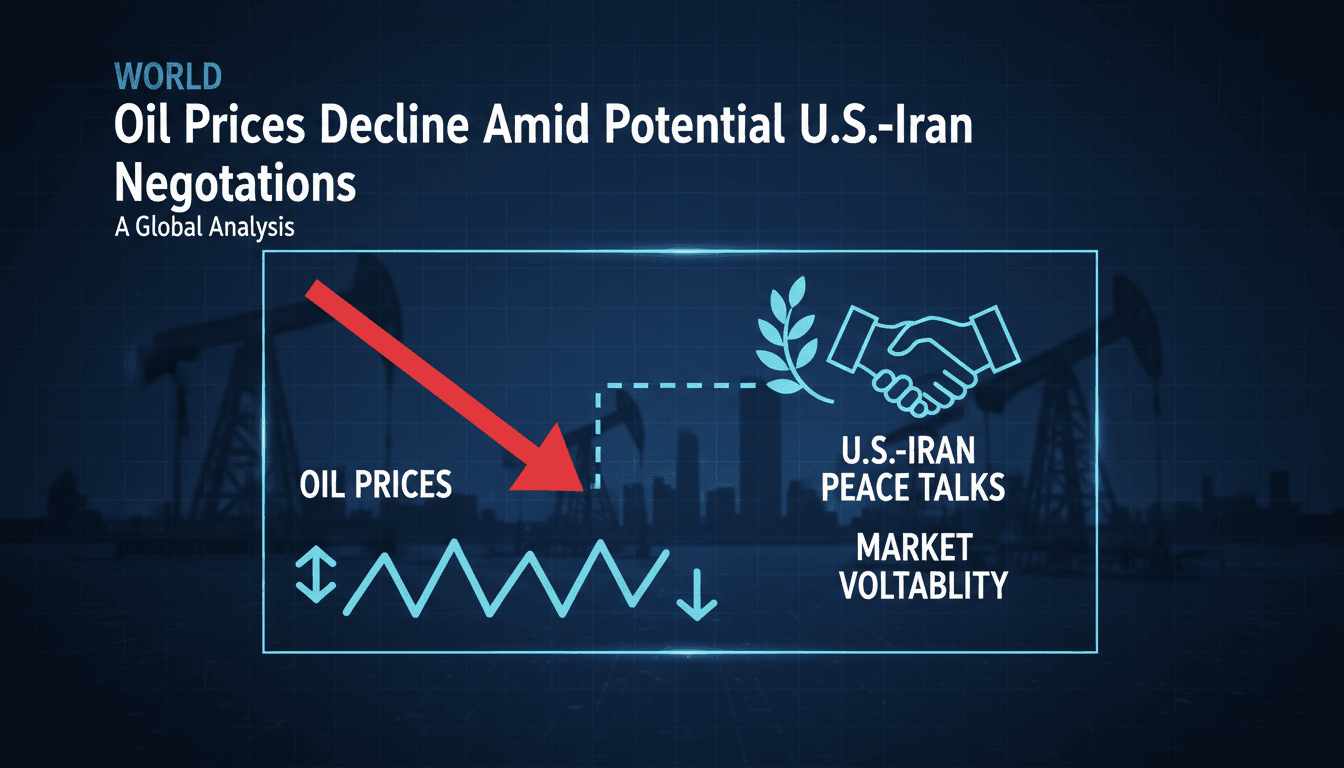
Here's what it means for you.
The recent decline in oil prices signals a shift in market dynamics influenced by geopolitical developments. A potential peace agreement between the U.S. and Iran could stabilize a critical shipping route, impacting global oil supply. However, ongoing military tensions and threats from the U.S. add layers of uncertainty that traders must navigate. As negotiations unfold, stakeholders in the energy sector should remain vigilant, as any escalation or resolution will directly affect market stability and pricing.
What happened
Oil prices have recently fallen due to indications of a possible peace agreement between the U.S. and Iran. This development comes as traders react to military tensions and the potential reopening of the Strait of Hormuz, a vital passage for global oil transportation. The U.S. energy chief has noted an increase in traffic through this key waterway, which could further influence oil prices.
The decline in prices reflects market sensitivity to geopolitical events, particularly those involving Iran's military actions and U.S. responses. As the situation evolves, traders are closely monitoring the implications for oil supply stability.
The Context
The Strait of Hormuz is crucial for approximately 20% of the world's oil supply, making its status a significant factor in global energy markets. Recent military tensions have heightened concerns among traders regarding the stability of oil supplies, especially following incidents involving Iran's military. The potential for a peace deal could lead to a more stable environment for oil transportation, but the threat of retaliation from the U.S. complicates the outlook.
As the U.S. and Iran navigate their diplomatic relationship, the energy sector remains on edge, aware that any changes could have far-reaching consequences for oil prices and market dynamics.
Takeaway
The evolving geopolitical landscape will continue to influence oil prices and market stability. Stakeholders should monitor developments regarding the U.S.-Iran negotiations closely, as any agreements or escalations could disrupt oil supply routes. The oil market is likely to remain volatile, reacting to both diplomatic progress and military actions in the region.
As negotiations progress, traders must stay informed about the potential impacts on oil prices, ensuring they are prepared for rapid changes in the market.
Markets desk coverage, trading insights, and investor updates.
"WSJ’s markets reporting provides in-depth analysis and context for investors."
— A47 Editor
Oil Futures Fall on Expectations of U.S.-Iran Agreement
Oil futures have settled at multimonth lows as the United States and Iran appear to be moving closer to a peace agreement, which could lead to the reopening of the vital Strait of Hormuz. This development follows a series of announcements from Presid...
UAE-based English-language newspaper covering regional politics, economics, and global affairs.
"The National reflects Emirati policy perspectives while maintaining international editorial standards."
— A47 Editor
Oil prices drop as US energy chief sees traffic increase in Strait of Hormuz
Oil prices have dropped as the US Energy Secretary reported a significant increase in ship traffic through the Strait of Hormuz, indicating a recovery in maritime activity in this vital waterway. This development comes amid ongoing geopolitical tensi...
Oil, metals, and agriculture: supply/demand headlines, OPEC chatter, inventories, and price action.
"Solid tape for energy and metals traders tracking macro and micro catalysts."
— A47 Editor
Oil slips, traders on edge after Trump vows response to Iran’s helicopter shooting
Oil prices have slipped as traders react to U.S. President Donald Trump's vow to respond to the recent downing of an American military helicopter by Iran. This incident has heightened concerns over escalating tensions between the two nations, which c...