
Chinese CEOs absent from Trump-Xi state dinner signaling US-China economic decoupling
Why it matters
The lack of Chinese business leaders at a high-profile diplomatic event underscores a significant shift in US-China economic ties, impacting global markets.
What happened (in 30 seconds)
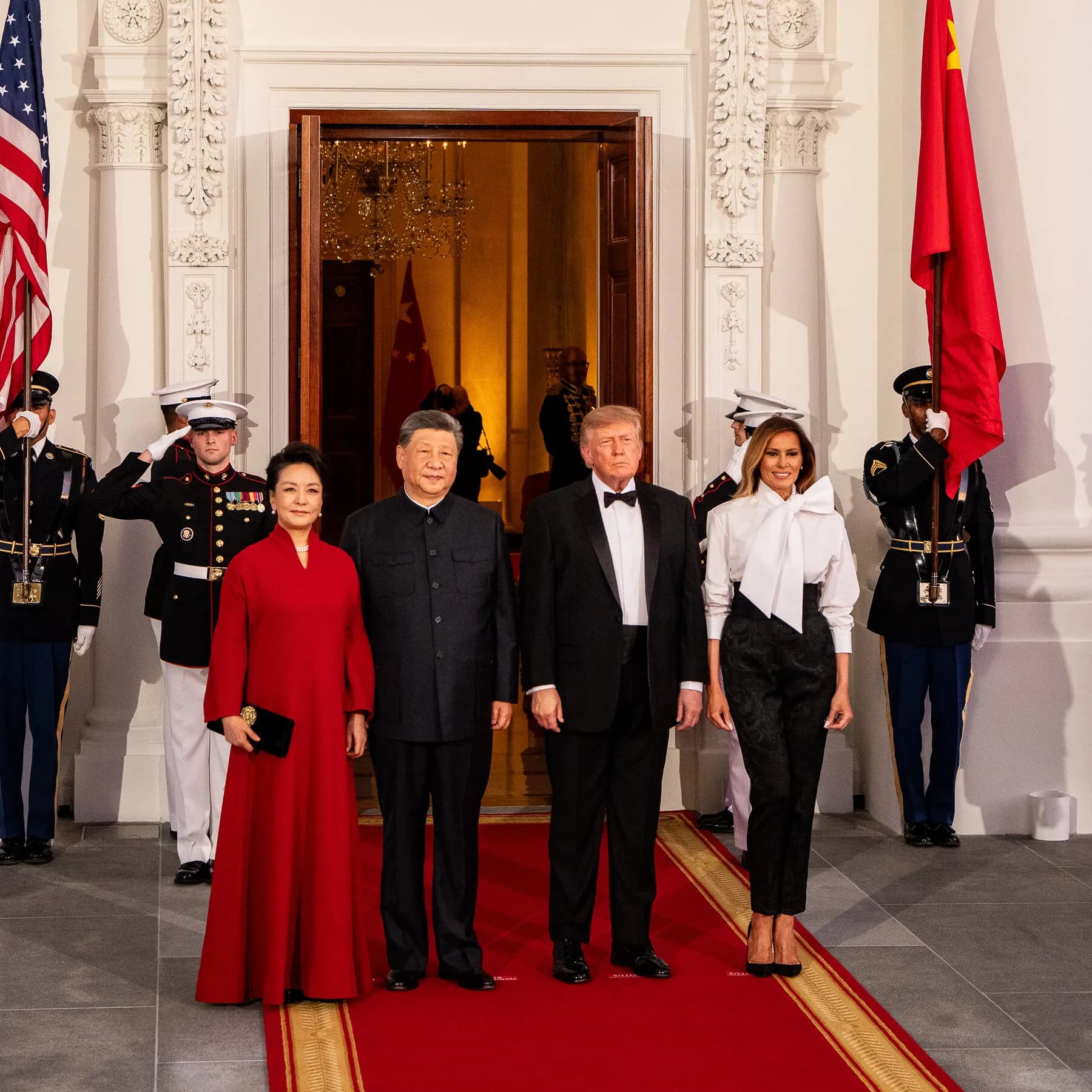
- Xi Jinping's state visit to Washington, D.C., on September 23–25, 2026, featured a state dinner without any prominent Chinese CEOs.
- US tech leaders like Tim Cook and Elon Musk attended, highlighting a stark contrast to Xi's 2015 visit, which included major Chinese executives.
- Limited commercial outcomes were reported, with discussions focused on trade and AI but yielding no significant agreements.
The context you actually need
- Deteriorating relations: US-China relations have worsened over the past decade due to trade disputes and regulatory barriers.
- Regulatory crackdowns: Beijing's tightening of regulations on tech firms and Washington's restrictions on Chinese investments have stifled joint business initiatives.
- Symbolism over substance: The recent state visit emphasized diplomatic gestures rather than concrete commercial agreements, reflecting ongoing tensions.
What's really happening
The absence of Chinese CEOs at the 2026 Trump-Xi state dinner is emblematic of a broader decoupling between the US and China, two of the world's largest economies. Over the past decade, the relationship has shifted from one of mutual commercial engagement to a landscape characterized by strategic competition and regulatory barriers. In 2015, Xi's visit was marked by a robust delegation of Chinese business leaders, including Alibaba's Jack Ma and Tencent's Pony Ma, who were eager to explore opportunities in the US market. Fast forward to 2026, and the dynamics have changed dramatically.
The Chinese government has implemented stringent regulations on its tech sector, aiming to control data security and curb monopolistic practices. This has led to a chilling effect on Chinese companies' willingness to engage in international markets, particularly in the US. Concurrently, the US has ramped up its scrutiny of Chinese investments and exports, citing national security concerns. This dual pressure has created an environment where the incentives for joint business ventures have diminished significantly.
During the recent state dinner, discussions between Xi and Trump revolved around trade, artificial intelligence, and bilateral issues, yet they yielded minimal concrete outcomes. The focus on symbolism—such as panda loans—over substantive agreements indicates a reluctance to engage in meaningful economic collaboration. The absence of Chinese executives at such a high-profile event sends a clear message: the barriers to commercial normalization remain high.
This decoupling is not just a bilateral issue; it has global ramifications. Supply chains are likely to be affected as companies reassess their dependencies on either market. For instance, businesses in Dubai and other regions may experience indirect effects through shifts in global supply chains and commodity price volatility. As the US and China continue to navigate their complex relationship, the ripple effects will be felt across various sectors and geographies.
Who feels it first (and how)
- Tech executives: Companies reliant on US-China trade may face increased operational challenges and regulatory scrutiny.
- Investors: Market volatility may rise as geopolitical tensions affect stock prices and investment strategies.
- Supply chain managers: Adjustments in sourcing and logistics will be necessary to mitigate risks associated with US-China frictions.
- Consumers: Potential price increases on goods due to supply chain disruptions may impact purchasing power.
What to watch next
- Future summits: Watch for outcomes from upcoming APEC and G20 meetings, which may signal shifts in diplomatic relations and economic policies.
- Regulatory changes: Keep an eye on new regulations from both the US and China that could further impact trade and investment flows.
- Market reactions: Monitor stock market responses to any announcements regarding trade agreements or diplomatic engagements between the two nations.
The absence of Chinese CEOs at the state dinner reflects ongoing tensions in US-China relations.
Continued regulatory barriers will hinder joint business initiatives between the two countries.
The long-term impact on global supply chains and market dynamics remains to be fully understood.
Frequently Asked Questions
- Why it matters?
- The lack of Chinese business leaders at a high-profile diplomatic event underscores a significant shift in US-China economic ties, impacting global markets.
- What happened (in 30 seconds)?
- Xi Jinping's state visit to Washington, D.C., on September 23–25, 2026, featured a state dinner without any prominent Chinese CEOs. US tech leaders like Tim Cook and Elon Musk attended, highlighting a stark contrast to Xi's 2015 visit, which included major Chinese executives. Limited commercial outcomes were reported, with discussions focused on trade and AI but yielding no significant agreements.
- What's really happening?
- The absence of Chinese CEOs at the 2026 Trump-Xi state dinner is emblematic of a broader decoupling between the US and China, two of the world's largest economies. Over the past decade, the relationship has shifted from one of mutual commercial engagement to a landscape characterized by strategic competition and regulatory barriers. In 2015, Xi's visit was marked by a robust delegation of Chinese business leaders, including Alibaba's Jack Ma and Tencent's Pony Ma, who were eager to explore oppor
- Who feels it first (and how)?
- Tech executives: Companies reliant on US-China trade may face increased operational challenges and regulatory scrutiny. Investors: Market volatility may rise as geopolitical tensions affect stock prices and investment strategies. Supply chain managers: Adjustments in sourcing and logistics will be necessary to mitigate risks associated with US-China frictions. Consumers: Potential price increases on goods due to supply chain disruptions may impact purchasing power.
- What to watch next?
- Future summits: Watch for outcomes from upcoming APEC and G20 meetings, which may signal shifts in diplomatic relations and economic policies. Regulatory changes: Keep an eye on new regulations from both the US and China that could further impact trade and investment flows. Market reactions: Monitor stock market responses to any announcements regarding trade agreements or diplomatic engagements between the two nations.
Markets, economy, and company analysis from NYT’s business desk.
"The New York Times is a globally recognized newspaper offering authoritative reporting with a center-left editorial stance."
— A47 Editor
Xi Jinping Didn’t Bring a CEO Entourage. What That Says About China-US Relations.
During a recent state visit to the United States, Chinese President Xi Jinping attended meetings without a delegation of CEOs, contrasting sharply with the presence of numerous American business leaders. This absence highlights a significant shift in...
Global political, business, and cultural coverage from WSJ international desks.
"The Wall Street Journal offers extensive international reporting with a reputation for financial insight and a center-right editorial stance."
— A47 Editor
See the High-Profile Guests Who Attended the Trump-Xi Dinner
U.S. President Donald Trump hosted a dinner at the White House attended by high-profile guests, including billionaire business leaders and U.S. officials, coinciding with Chinese President Xi Jinping's first state visit to the U.S. in over a decade. ...
International news coverage curated for readers in the UAE and Gulf region.
"Emirates 24|7 world coverage presents global developments through a UAE-facing and Gulf-relevant editorial lens."
— A47 Editor
Tech titans, red carpets and diplomacy: Inside Trump's state dinner for Xi
U.S. President Donald Trump hosted a state dinner for Chinese President Xi Jinping at the White House, marking a significant diplomatic engagement amid ongoing discussions on critical issues such as trade, Taiwan, and artificial intelligence. The eve...
RT is a Russian state-funded network covering global events from a Russian perspective.
"RT is widely criticized for promoting pro-Kremlin narratives and is considered by many to be a state propaganda outlet."
— A47 Editor
US tech titans attend Trump-Xi dinner. Who wasn’t invited?
U.S. President Donald Trump hosted a dinner at the White House attended by leaders from top American AI firms, amidst rising tensions between Washington and Beijing over technology competition. This event highlighted the significance of AI in the ong...
Markets, economy, and company analysis from NYT’s business desk.
"The New York Times is a globally recognized newspaper offering authoritative reporting with a center-left editorial stance."
— A47 Editor
Tech Titans Mingle With Trump and Xi at State Dinner
Prominent tech executives gathered at the White House for a state dinner hosted by former President Donald Trump in honor of Chinese President Xi Jinping, amidst ongoing discussions regarding tariffs, trade relations, and artificial intelligence (AI)...
Business, investment, entrepreneurship, leadership, and innovation.
"Forbes is known for its coverage of business leaders, market trends, and entrepreneurial ventures with a pro-business editorial stance."
— A47 Editor
Tech Moguls Worth Combined $2.4 Trillion On Trump-Xi Dinner Guest List: See Who’s Going
A dinner hosted by former President Donald Trump for Chinese President Xi Jinping will feature tech moguls worth a combined $2.4 trillion, set against a backdrop of increasing concerns regarding the risks associated with artificial intelligence (AI)....
News from the United States including domestic politics, society, and culture.
"The Guardian is known for its progressive editorial stance and in-depth analysis, often advocating for social justice, environmental issues, and liberal values."
— A47 Editor
Trump touts ‘great meeting’ with China’s Xi Jinping at White House – live
U.S. President Donald Trump hosted Chinese President Xi Jinping at the White House, marking Xi's first state visit to the U.S. in over a decade. During the meeting, Xi emphasized the importance of ensuring that artificial intelligence remains under h...
Arabic-language coverage of political affairs and current events.
"Okaz political coverage typically follows mainstream Saudi framing on national and regional affairs."
— A47 Editor
ترمب وشي.. استعراض القوة يسبق قمة التجارة والذكاء الاصطناعي
U.S. President Donald Trump welcomed Chinese President Xi Jinping at the White House in a formal ceremony, emphasizing the significance of their upcoming discussions on trade, artificial intelligence, and security, alongside issues concerning Iran an...