
IUCN Red List Reports 96 Percent of Shallow Coral Reefs as Critically Endangered
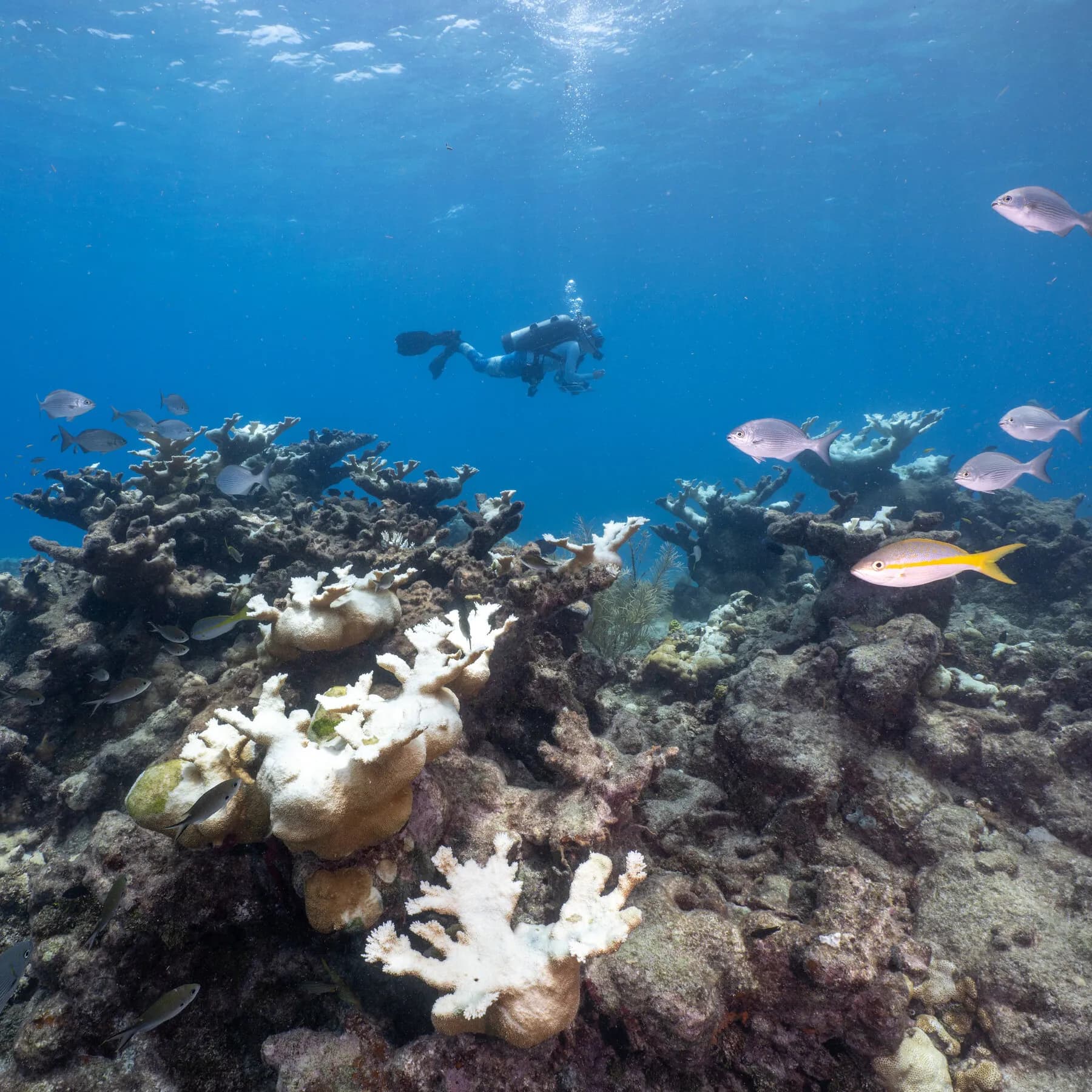
Why it matters
The health of coral reefs is crucial for global biodiversity and local economies, particularly in coastal regions.
What happened (in 30 seconds)
- On October 22, 2026, the IUCN Red List classified 96% of shallow-water coral reef ecosystems as Critically Endangered.
- This assessment evaluated 127 ecoregions, covering approximately 188,362 square kilometers of reefs, highlighting the severe impact of climate change.
- Projected risks indicate a high likelihood of ecosystem collapse by 2075 under current emissions scenarios, affecting major reef systems worldwide.
The context you actually need
- Coral reefs have been deteriorating due to marine heatwaves, overfishing, pollution, and coastal development, with 44% of reef-building corals threatened by 2024.
- The IUCN assessment is the first global evaluation of coral reef ecosystems, revealing that 93% of ecosystems are already threatened based on historical data.
- Future projections show that without significant emissions reductions and local protections, the situation will worsen, leading to a potential collapse of these vital ecosystems.
What's really happening
The IUCN Red List of Ecosystems' recent classification of 96% of shallow-water coral reefs as Critically Endangered is a stark reminder of the escalating threats posed by climate change. This assessment, coordinated by the IUCN and involving over 250 scientists, marks a pivotal moment in understanding the fragility of coral ecosystems. The classification is based on a comprehensive evaluation of 127 tropical and subtropical ecoregions, which collectively encompass a significant area of the world's coral reefs.
Historically, coral reefs have faced localized pressures such as overfishing and pollution. However, the current assessment highlights a shift towards global thermal stress as the primary threat. Marine heatwaves, driven by rising greenhouse gas emissions, have led to widespread coral bleaching and mortality. The report indicates that observed changes over the past 50 years alone would classify only 24% of these ecosystems as Critically Endangered, but when future climate projections are included, this figure skyrockets to 96%.
The implications of this classification extend beyond environmental concerns; they touch on economic realities for coastal communities and industries reliant on healthy coral reefs. Major reef systems like Australia's Great Barrier Reef and the Coral Triangle are not only biodiversity hotspots but also support fisheries and tourism, which are vital for local economies. The degradation of these ecosystems threatens to disrupt livelihoods, exacerbate vulnerability to storms, and increase coastal erosion.
The report emphasizes that while reefs still retain some living coral and functional capacity, the window for effective intervention is narrowing. Immediate actions, such as reducing emissions and enhancing local protections, are critical to stave off further degradation. The urgency of the situation has prompted calls from IUCN leadership for rapid policy changes and investments in restoration efforts.
As the world grapples with the implications of this assessment, the economic stakes are high. Coastal tourism and fisheries, which depend on the health of coral reefs, face increased scrutiny and potential market volatility. The interconnectedness of these ecosystems with human activity underscores the need for a collective response to mitigate the risks posed by climate change.
Who feels it first (and how)
- Fishermen: Reduced fish stocks due to reef degradation will directly impact livelihoods.
- Tourism operators: Destinations reliant on coral reefs for tourism may see a decline in visitors.
- Coastal communities: Increased vulnerability to storms and erosion will affect housing and infrastructure.
- Environmental NGOs: Organizations focused on marine conservation will face heightened urgency in their missions.
- Governments: Policymakers will need to address the economic fallout and implement protective measures.
What to watch next
- Policy changes: Look for new regulations aimed at emissions reductions and marine protections, which will be crucial for reef recovery.
- Investment in restoration: Monitor funding and initiatives directed towards coral reef restoration and conservation efforts.
- Market responses: Watch how tourism and fisheries sectors adapt to the changing health of coral reefs, including potential shifts in consumer behavior.
96% of shallow-water coral reefs are classified as Critically Endangered.
Economic impacts will be felt in tourism and fisheries as reef health declines.
The effectiveness of proposed interventions and policies to reverse the current trends.
Frequently Asked Questions
- Why it matters?
- The health of coral reefs is crucial for global biodiversity and local economies, particularly in coastal regions.
- What happened (in 30 seconds)?
- On October 22, 2026, the IUCN Red List classified 96% of shallow-water coral reef ecosystems as Critically Endangered. This assessment evaluated 127 ecoregions, covering approximately 188,362 square kilometers of reefs, highlighting the severe impact of climate change. Projected risks indicate a high likelihood of ecosystem collapse by 2075 under current emissions scenarios, affecting major reef systems worldwide.
- What's really happening?
- The IUCN Red List of Ecosystems' recent classification of 96% of shallow-water coral reefs as Critically Endangered is a stark reminder of the escalating threats posed by climate change. This assessment, coordinated by the IUCN and involving over 250 scientists, marks a pivotal moment in understanding the fragility of coral ecosystems. The classification is based on a comprehensive evaluation of 127 tropical and subtropical ecoregions, which collectively encompass a significant area of the world
- Who feels it first (and how)?
- Fishermen: Reduced fish stocks due to reef degradation will directly impact livelihoods. Tourism operators: Destinations reliant on coral reefs for tourism may see a decline in visitors. Coastal communities: Increased vulnerability to storms and erosion will affect housing and infrastructure. Environmental NGOs: Organizations focused on marine conservation will face heightened urgency in their missions. Governments: Policymakers will need to address the economic fallout and implement pro
- What to watch next?
- Policy changes: Look for new regulations aimed at emissions reductions and marine protections, which will be crucial for reef recovery. Investment in restoration: Monitor funding and initiatives directed towards coral reef restoration and conservation efforts. Market responses: Watch how tourism and fisheries sectors adapt to the changing health of coral reefs, including potential shifts in consumer behavior.
Global news coverage with extensive reporting on Middle Eastern conflicts and geopolitics.
"Al Jazeera is a Qatar-based broadcaster known for wide regional coverage and alternative perspectives."
— A47 Editor
Almost all shallow-water coral reefs now face extinction risk, study warns
A recent study has revealed that 96 percent of assessed shallow-water coral reef systems are classified as 'critically endangered' by a leading authority on threatened wildlife. This alarming statistic highlights the severe risk of extinction facing ...
Comprehensive coverage of Middle Eastern and global issues.
"Al Jazeera is a prominent voice from the Global South, especially the Middle East, with an emphasis on underreported stories."
— A47 Editor
Almost all shallow-water coral reefs now face extinction risk, study warns
A recent study has revealed that 96 percent of assessed shallow-water coral reef systems are classified as 'critically endangered' by a leading authority on threatened wildlife. This alarming statistic highlights the severe risk of extinction facing ...
Global coverage of politics, crises, and international affairs.
"HuffPost provides progressive-oriented reporting on international developments, often focusing on humanitarian and social justice issues."
— A47 Editor
Almost All Coral Reef Ecosystems Face Risk Of Collapse In 50 Years, Study Warns
A recent study has revealed that 96% of shallow-water coral reef ecosystems are critically endangered and face the risk of collapse within the next 50 years, potentially disappearing by 2075. This alarming finding underscores the urgent need for cons...
Technology innovations, startups, and trends.
"ABC News delivers broad national coverage with a mainstream editorial stance, focusing on accessibility and balanced reporting."
— A47 Editor
Almost all coral reef ecosystems face risk of collapse in 50 years, study warns
An assessment of the world's coral reef ecosystems has revealed that nearly all are at a significant risk of collapse within the next 50 years, primarily due to rising ocean temperatures and increased heat waves. This alarming finding highlights the ...
Top international stories selected by The Guardian editors.
"The Guardian is known for its progressive editorial stance and in-depth analysis."
— A47 Editor
Almost every shallow-water coral reef on the planet faces ecosystem collapse by 2075, UN advisors say
An assessment by United Nations nature advisers reveals that nearly every shallow-water coral reef globally, including Australia’s Great Barrier Reef, is at high risk of ecosystem collapse by 2075 due to global heating. Currently, about 24% of the wo...
Scientific research, space, environment, and health coverage.
"The New York Times is a globally recognized newspaper offering authoritative reporting with a center-left editorial stance."
— A47 Editor
I.U.C.N. Red List Classifies Most Shallow Coral Reefs as Critically Endangered
The I.U.C.N. Red List has classified most shallow coral reefs as critically endangered, warning that if climate change continues unchecked, 96 percent of these ecosystems could collapse within 50 years. This includes significant areas like Australia’...