
IUCN Red List Reports 96 Percent of Shallow Coral Reefs as Critically Endangered
The Vibe
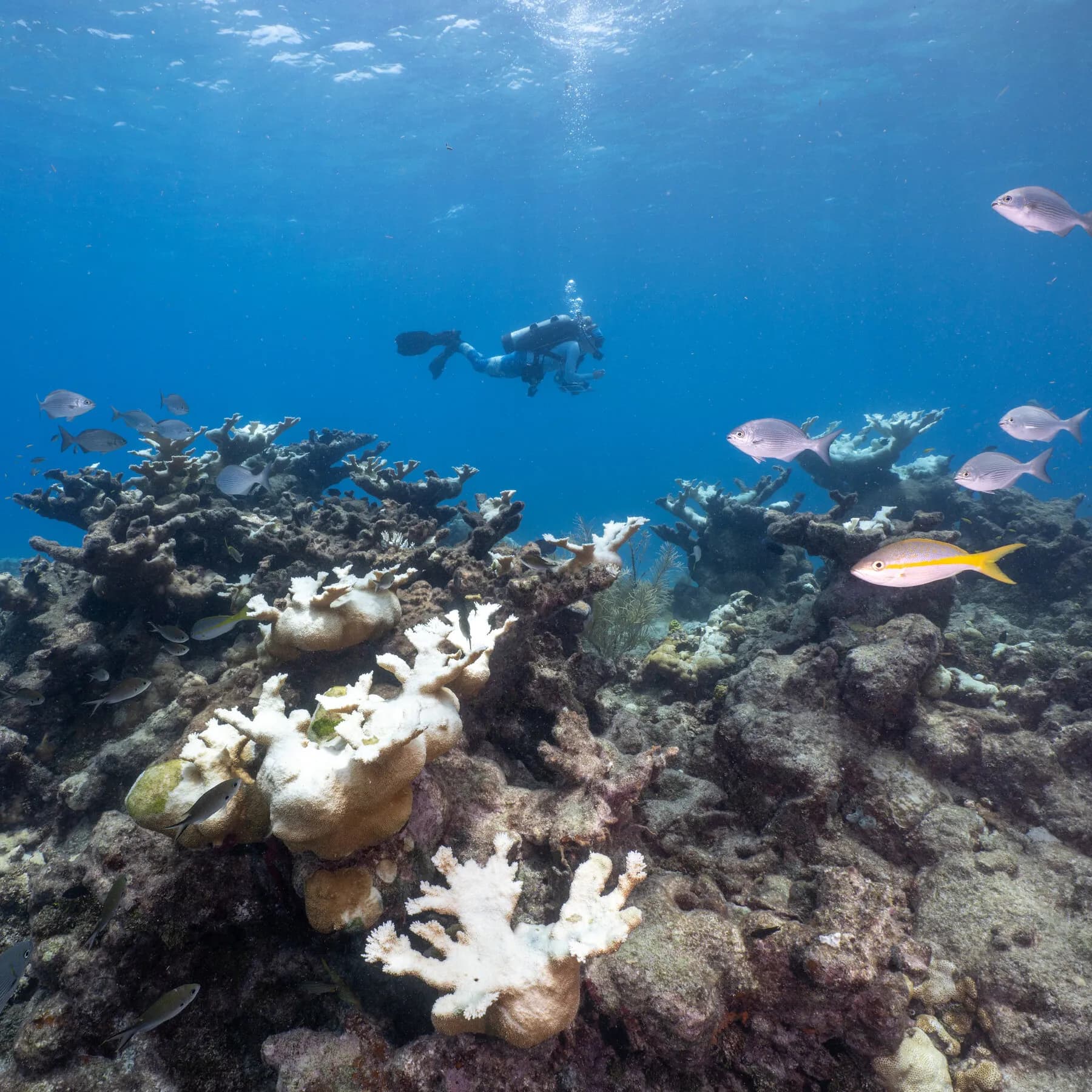
The IUCN's recent assessment reveals a stark reality: 96% of shallow coral reefs are critically endangered, highlighting an urgent ecological crisis.
What it signals
This crisis is a wake-up call for industries reliant on marine ecosystems. As coral reefs face collapse, the implications extend beyond environmental concerns to economic stability, particularly for coastal communities dependent on fisheries and tourism. The status of these ecosystems directly influences income streams and job security in regions where marine resources are vital.
Why it's happening now
1. The ongoing effects of climate change are intensifying, with rising ocean temperatures leading to unprecedented heat stress on coral ecosystems. 2. Overfishing and pollution continue to exacerbate the vulnerability of these reefs, undermining their resilience against environmental changes. 3. The timing coincides with global climate negotiations, emphasizing the need for immediate action to mitigate emissions and protect marine biodiversity.
Who it's for (and who it leaves out)
The core beneficiaries of coral reef conservation are coastal communities and industries tied to marine resources, such as tourism and fisheries. However, this crisis disproportionately affects lower-income populations who rely heavily on these ecosystems for their livelihoods, while wealthier nations may evade immediate impacts.
What to watch next
1. Monitor international climate policy developments, particularly commitments made during COP negotiations, as they will influence funding and conservation efforts. 2. Watch for shifts in marine tourism trends, as declining reef health may lead to reduced visitor numbers and economic downturns in affected regions.
96% of shallow coral reefs are classified as critically endangered.
Without significant intervention, many of these ecosystems may collapse within 50 years.
The immediate economic impacts on coastal communities remain to be seen.
Global news coverage with extensive reporting on Middle Eastern conflicts and geopolitics.
"Al Jazeera is a Qatar-based broadcaster known for wide regional coverage and alternative perspectives."
— A47 Editor
Almost all shallow-water coral reefs now face extinction risk, study warns
A recent study has revealed that 96 percent of assessed shallow-water coral reef systems are classified as 'critically endangered' by a leading authority on threatened wildlife. This alarming statistic highlights the severe risk of extinction facing ...
Comprehensive coverage of Middle Eastern and global issues.
"Al Jazeera is a prominent voice from the Global South, especially the Middle East, with an emphasis on underreported stories."
— A47 Editor
Almost all shallow-water coral reefs now face extinction risk, study warns
A recent study has revealed that 96 percent of assessed shallow-water coral reef systems are classified as 'critically endangered' by a leading authority on threatened wildlife. This alarming statistic highlights the severe risk of extinction facing ...
Global coverage of politics, crises, and international affairs.
"HuffPost provides progressive-oriented reporting on international developments, often focusing on humanitarian and social justice issues."
— A47 Editor
Almost All Coral Reef Ecosystems Face Risk Of Collapse In 50 Years, Study Warns
A recent study has revealed that 96% of shallow-water coral reef ecosystems are critically endangered and face the risk of collapse within the next 50 years, potentially disappearing by 2075. This alarming finding underscores the urgent need for cons...
Technology innovations, startups, and trends.
"ABC News delivers broad national coverage with a mainstream editorial stance, focusing on accessibility and balanced reporting."
— A47 Editor
Almost all coral reef ecosystems face risk of collapse in 50 years, study warns
An assessment of the world's coral reef ecosystems has revealed that nearly all are at a significant risk of collapse within the next 50 years, primarily due to rising ocean temperatures and increased heat waves. This alarming finding highlights the ...
Top international stories selected by The Guardian editors.
"The Guardian is known for its progressive editorial stance and in-depth analysis."
— A47 Editor
Almost every shallow-water coral reef on the planet faces ecosystem collapse by 2075, UN advisors say
An assessment by United Nations nature advisers reveals that nearly every shallow-water coral reef globally, including Australia’s Great Barrier Reef, is at high risk of ecosystem collapse by 2075 due to global heating. Currently, about 24% of the wo...
Scientific research, space, environment, and health coverage.
"The New York Times is a globally recognized newspaper offering authoritative reporting with a center-left editorial stance."
— A47 Editor
I.U.C.N. Red List Classifies Most Shallow Coral Reefs as Critically Endangered
The I.U.C.N. Red List has classified most shallow coral reefs as critically endangered, warning that if climate change continues unchecked, 96 percent of these ecosystems could collapse within 50 years. This includes significant areas like Australia’...