
Iran Plans to Target Undersea Cables in Persian Gulf Amid Rising Tensions
Why it matters
The threat to undersea cables could significantly impact regional economies and digital services in the Persian Gulf.
What happened (in 30 seconds)
- Iran disclosed plans to target seven major undersea internet cables in the Persian Gulf amid escalating tensions with the U.S. and Israel.
- Senior Iranian officials confirmed operational strategies to disrupt repairs and prolong outages affecting internet and financial services.
- Analysts predict localized disruptions for Gulf states, despite the cables representing less than 1% of global internet bandwidth.
The context you actually need
- Geopolitical tensions have been rising since early 2026, with Iran warning about potential targets in response to perceived threats from Western allies.
- The Strait of Hormuz is a critical chokepoint for global oil and gas, but its undersea cables are also vital for regional internet connectivity.
- Iran's strategy appears to leverage asymmetric warfare tactics, using infrastructure disruption as a means of retaliation against military actions.
What's really happening
On October 20-21, 2026, Iranian Revolutionary Guard Corps (IRGC) spokespersons, including Yadollah Javani, publicly articulated a strategy to target undersea cables if Iranian infrastructure faced attacks. This announcement came amid a backdrop of heightened military tensions between Iran and Western allies, particularly the U.S. and Israel. The IRGC's operational plans reportedly include measures to block repair vessels and extend outages, which could have significant implications for internet connectivity in the region.
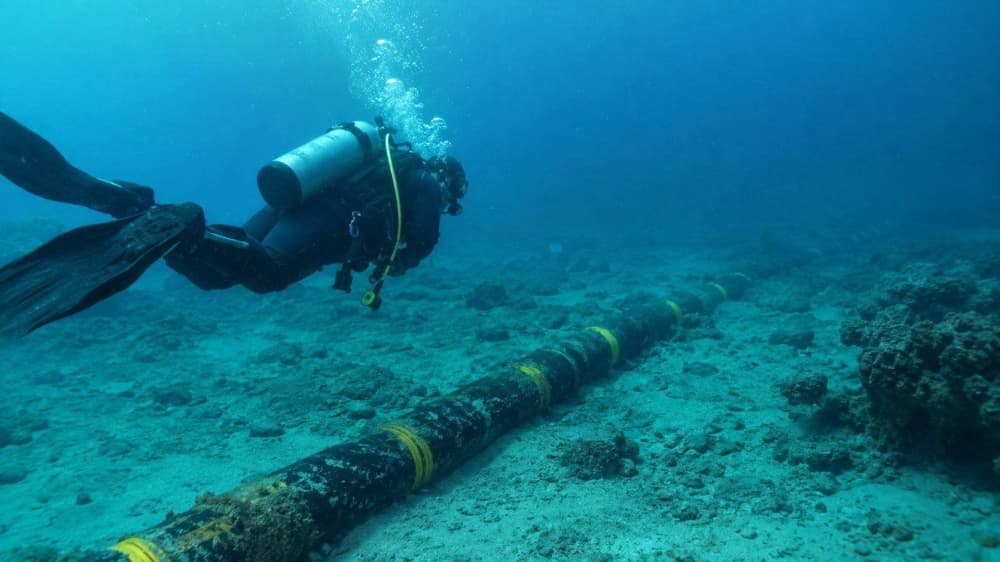
The undersea cables in question are crucial for internet traffic, financial transactions, and cloud services across the Gulf states. While the Strait of Hormuz is not a major conduit for global internet traffic—accounting for less than 1% of international bandwidth, according to TeleGeography—its local significance cannot be overstated. Disruptions here could lead to slowed internet speeds, banking delays, and interruptions in e-commerce, particularly affecting businesses in Dubai and other Gulf cities.
Iran's threats are not merely rhetorical; they reflect a calculated approach to leverage its strategic position in the Strait of Hormuz. By targeting these cables, Iran aims to exert pressure on its adversaries while simultaneously demonstrating its capabilities to disrupt critical infrastructure. This tactic aligns with Iran's broader strategy of asymmetric warfare, where it seeks to counterbalance the military superiority of its opponents through unconventional means.
The potential for localized economic disruption is significant. Gulf states, heavily reliant on digital services for their economies, could face challenges in maintaining operational continuity. Analysts have noted that while rerouting options exist—such as through the Red Sea—these alternatives may not fully mitigate the impact of outages. The complexities and costs associated with wartime repairs further complicate the situation, leaving regional economies vulnerable to Iranian threats.
Who feels it first (and how)
- Businesses in the Gulf region: Expect delays in financial transactions and e-commerce operations.
- Internet service providers: May struggle to maintain service quality during outages.
- Consumers: Could experience slower internet speeds and disruptions in online services.
What to watch next
- Iran's military actions: Monitor for any escalation in military activities that could lead to actual attacks on infrastructure.
- Regional responses: Watch how Gulf states prepare for potential disruptions and whether they enhance their cybersecurity measures.
- Global bandwidth shifts: Keep an eye on alternative routing developments that could mitigate the impact of disruptions in the Strait of Hormuz.
Iran has publicly stated its intent to target undersea cables if attacked.
Localized disruptions to internet and financial services in Gulf states if threats are acted upon.
The extent of global bandwidth impact and the effectiveness of rerouting options.
Frequently Asked Questions
- Why it matters?
- The threat to undersea cables could significantly impact regional economies and digital services in the Persian Gulf.
- What happened (in 30 seconds)?
- Iran disclosed plans to target seven major undersea internet cables in the Persian Gulf amid escalating tensions with the U.S. and Israel. Senior Iranian officials confirmed operational strategies to disrupt repairs and prolong outages affecting internet and financial services. Analysts predict localized disruptions for Gulf states, despite the cables representing less than 1% of global internet bandwidth.
- What's really happening?
- On October 20-21, 2026, Iranian Revolutionary Guard Corps (IRGC) spokespersons, including Yadollah Javani, publicly articulated a strategy to target undersea cables if Iranian infrastructure faced attacks. This announcement came amid a backdrop of heightened military tensions between Iran and Western allies, particularly the U.S. and Israel. The IRGC's operational plans reportedly include measures to block repair vessels and extend outages, which could have significant implications for internet
- Who feels it first (and how)?
- Businesses in the Gulf region: Expect delays in financial transactions and e-commerce operations. Internet service providers: May struggle to maintain service quality during outages. Consumers: Could experience slower internet speeds and disruptions in online services.
- What to watch next?
- Iran's military actions: Monitor for any escalation in military activities that could lead to actual attacks on infrastructure. Regional responses: Watch how Gulf states prepare for potential disruptions and whether they enhance their cybersecurity measures. Global bandwidth shifts: Keep an eye on alternative routing developments that could mitigate the impact of disruptions in the Strait of Hormuz.
Coverage of political affairs and regional developments from a Saudi perspective.
"Al Watan political coverage typically follows a mainstream Saudi framing of regional and national issues."
— A47 Editor
تبعات كارثية لخطط إيران لاستهداف كابلات الإنترنت البحرية
International reports indicate that Iran is developing detailed plans to target undersea internet and communication cables in the Gulf, raising significant security and economic concerns. This escalation threatens to sever the digital arteries connec...
Arabic-language coverage of international news and geopolitics.
"RT Arabic is a Russian state-funded outlet often criticized for promoting Kremlin-aligned narratives."
— A47 Editor
لإطالة تعطل الاتصالات والإنترنت.. إيران تعتزم منع إصلاح أي أضرار في الكابلات البحرية بعد أي هجوم
Iranian officials have announced that Tehran intends to prevent any repairs to undersea cables following attacks, aiming to prolong disruptions to communications, including internet services. This decision reflects a strategic move to maintain contro...
Curated tech headlines including AI stories.
"Influential aggregator surfacing the day’s top tech/AI links."
— A47 Editor
Iranian security officials say the country has detailed plans to target undersea communications cables in the Gulf if the US and Israel attack Iran again (Reuters)
Iranian security officials have announced that the country has developed detailed plans to target undersea communications cables in the Gulf in response to potential attacks from the United States and Israel. This declaration underscores Iran's readi...
Regional coverage and analysis focused on politics, diplomacy, and business across the Middle East.
"Al-Monitor is known for analytical reporting on Middle East politics and policy developments."
— A47 Editor
Iran has detailed plans to hit Gulf undersea cables if war resumes, officials say
Iranian officials have revealed that Tehran has developed detailed plans to target undersea communications cables in the Gulf if the United States and Israel initiate further military action against Iran. This warning underscores the potential for si...