
UN Warns Hunger to Deepen Across 16 Countries as Conflict Fuel Costs and Aid Cuts Converge
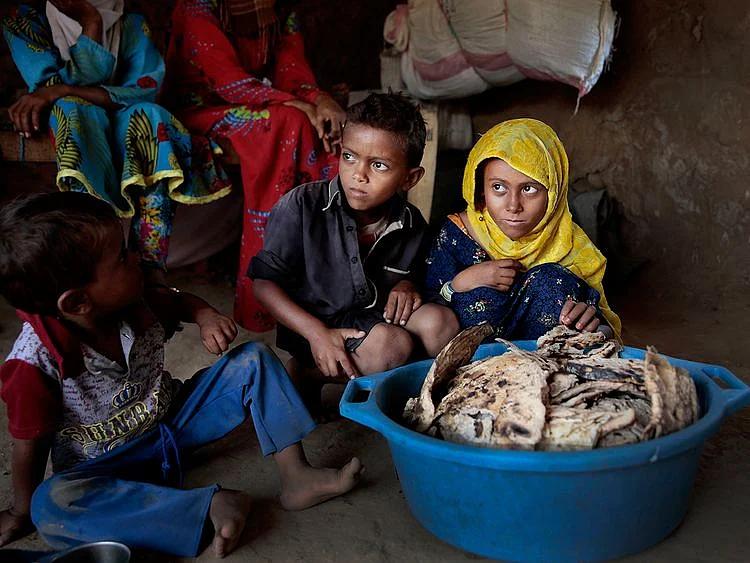
Why it matters
The intersection of compounding logistical chokepoints and severe donor retrenchment is creating structural deficits in food distribution networks across 16 vulnerable economies.
What happened (in 30 seconds)
- The UN sounded the alarm: The Food and Agriculture Organization (FAO) and World Food Programme (WFP) issued their Hunger Hotspots report projecting deteriorating food access across 16 countries through mid-2026.
- Five critical zones face famine risk: Sudan, Yemen, South Sudan, Somalia, and northern Nigeria remain at the highest threat tier, with 19.5 million people in Sudan—41% of its population—facing acute crisis conditions.
- Funding collapsed as operational costs rose: Total food and nutrition assistance allocated to the five highest-risk states dropped by 62% between 2022 and 2025, precisely as local staple prices multiplied.
The context you actually need
- A multi-year pattern is hardening: The list of five highest-concern nations has remained unchanged since 2022, signaling that systemic instability, local conflict, and recurring climate patterns have outpaced conventional humanitarian intervention cycles.
- Maritime disruptions compound input costs: Hostilities near critical trade nodes—including the Red Sea, the Strait of Hormuz, and Black Sea corridors—have driven elevated marine insurance premiums and increased fuel costs, doubling local diesel prices in countries like Sudan.
- Production deficits align with climate pressure: An El Niño-induced drought damaged harvest yields across key agricultural basins in East Africa, restricting domestic supply at the exact moment import financing faced deep structural contraction.
What's really happening
The current crisis is not a temporary distribution failure; it is an economic supply chain breakdown driven by input pricing, logistical bottlenecks, and institutional retrenchment. At the base of the mechanism is energy. Sustained regional conflict across the Middle East has disrupted primary shipping passages in the Red Sea and surrounding waterways. For shipping networks, bypassing or navigating these security chokepoints requires higher war-risk insurance premiums, longer transit loops, and elevated bunker fuel expenses. These logistics overheads flow directly into maritime trade, making the landing cost of agricultural commodities and hydrocarbon fuels prohibitively high for low-margin distribution systems.
In destination markets such as Sudan and Yemen, fuel is the central determinant of staple availability. When diesel prices double, the cost of running irrigation pumps, operating farm machinery, and moving bulk grain from rural belts to urban distribution nodes scales simultaneously. In Sudan, local prices for staple sorghum doubled alongside diesel, directly tracking military disruption and logistical paralysis.
Compounding these cost pressures is a sharp withdrawal of external liquidity. Donor funding for emergency relief across the five highest-risk nations fell 62% between 2022 and 2025. In Yemen alone, humanitarian allocations dropped 79% over that period. This capital flight has coincided with renewed armed clashes displacing more than 300,000 people since July. Because procurement budgets are fixed in nominal currency terms, higher ocean freight rates and costlier agricultural inputs mean agencies can purchase and move only a fraction of the volume they previously distributed.
The macro exposure extends to trade intermediaries. Economies reliant on high-volume re-export trade, such as Dubai and broader Gulf logistics platforms, face elevated import bills for basic consumer commodities and energy as carriers pass maritime security surcharges along the value chain. Even where political stability holds, consumer baskets absorb the structural inflation generated by volatile corridors, proving that physical supply chain friction anywhere along the Red Sea-Indian Ocean nexus inevitably alters balance sheets everywhere along the trade route.
Who feels it first (and how)
- Logistics and procurement directors in the Middle East: Absorbing persistent carrier surcharges, volatile bunker fees, and altered delivery schedules across Red Sea-linked transit lanes.
- Import-reliant retail consumers in regional hubs: Experiencing sustained price inflation for daily staples and energy imports as companies pass down elevated maritime overheads.
- Subsistence populations in Sudan and Yemen: Confronting severe physical shortages, displaced livelihoods, and inaccessible domestic staples due to doubled grain and diesel prices.
- Humanitarian procurement teams: Facing a 62% drop in core assistance capital combined with elevated market rates for food cargo and shipping chartering.
What to watch next
- Planting-cycle liquidity allocations: Whether institutional donors align capital distributions with East African agricultural planting windows before the mid-2026 forecast expires.
- Red Sea commercial shipping volume: Monitoring vessel tracking numbers through the Bab el-Mandeb strait to determine if maritime transit costs stabilize or escalate.
- Sudanese domestic diesel pricing: Tracking local fuel spot rates in North Darfur and South Kordofan as a leading indicator of regional harvest movement and localized famine conditions.
The FAO and WFP have designated 16 countries facing deepening food emergencies through mid-2026, with five facing catastrophic acute exposure alongside a 62% decline in donor funding since 2022.
Elevated marine shipping costs and volatile fuel markets will continue to prevent domestic food prices from normalizing across the Horn of Africa and the Middle East through the first half of 2026.
Whether international donor states will step forward with compensatory financing or if regional sovereign entities will construct alternative unilateral funding vehicles to stabilize adjacent trade corridors.
Frequently Asked Questions
- Why it matters?
- The intersection of compounding logistical chokepoints and severe donor retrenchment is creating structural deficits in food distribution networks across 16 vulnerable economies.
- What happened (in 30 seconds)?
- The UN sounded the alarm: The Food and Agriculture Organization (FAO) and World Food Programme (WFP) issued their Hunger Hotspots report projecting deteriorating food access across 16 countries through mid-2026. Five critical zones face famine risk: Sudan, Yemen, South Sudan, Somalia, and northern Nigeria remain at the highest threat tier, with 19.5 million people in Sudan—41% of its population—facing acute crisis conditions. Funding collapsed as operational costs rose: Total food and nutrition
- What's really happening?
- The current crisis is not a temporary distribution failure; it is an economic supply chain breakdown driven by input pricing, logistical bottlenecks, and institutional retrenchment. At the base of the mechanism is energy. Sustained regional conflict across the Middle East has disrupted primary shipping passages in the Red Sea and surrounding waterways. For shipping networks, bypassing or navigating these security chokepoints requires higher war-risk insurance premiums, longer transit loops, and
- Who feels it first (and how)?
- Logistics and procurement directors in the Middle East: Absorbing persistent carrier surcharges, volatile bunker fees, and altered delivery schedules across Red Sea-linked transit lanes. Import-reliant retail consumers in regional hubs: Experiencing sustained price inflation for daily staples and energy imports as companies pass down elevated maritime overheads. Subsistence populations in Sudan and Yemen: Confronting severe physical shortages, displaced livelihoods, and inaccessible domestic sta
- What to watch next?
- Planting-cycle liquidity allocations: Whether institutional donors align capital distributions with East African agricultural planting windows before the mid-2026 forecast expires. Red Sea commercial shipping volume: Monitoring vessel tracking numbers through the Bab el-Mandeb strait to determine if maritime transit costs stabilize or escalate. Sudanese domestic diesel pricing: Tracking local fuel spot rates in North Darfur and South Kordofan as a leading indicator of regional harvest movement a
UAE-based English-language newspaper covering regional politics, economics, and global affairs.
"The National reflects Emirati policy perspectives while maintaining international editorial standards."
— A47 Editor
UN warns of worsening hunger in Middle East due to conflict and aid cuts
The United Nations has warned that hunger across the Middle East is set to deepen as the combined pressures of war, rising fuel costs and aid cuts take hold, according to a report by The National. The base story frames the crisis as an escalating hum...
UAE-based newspaper covering Gulf politics, society, and international developments.
"Gulf News is one of the UAE’s most prominent English-language publications."
— A47 Editor
UN warns hunger crisis will deepen as war, fuel costs and aid cuts hit Middle East
The UN has warned that hunger across the Middle East is set to deepen as the combined pressures of war, rising fuel costs and aid cuts take hold, according to a report published by Gulf News. The base story frames the crisis as an escalating humanita...
A curated Gulf News feed featuring major stories across news, business, opinion, and lifestyle.
"Gulf News is a major UAE newspaper whose featured stories feed reflects a broad editorial mix shaped for a Gulf audience."
— A47 Editor
UN warns hunger crisis will deepen as war, fuel costs and aid cuts hit Middle East
The UN has warned that hunger across the Middle East is set to deepen as the combined pressures of war, rising fuel costs and aid cuts take hold, according to a report published by Gulf News. The base story frames the crisis as an escalating humanita...
Pan-Arab political news and analysis.
"Al-Quds Al-Arabi is a London-based Arabic newspaper known for political coverage."
— A47 Editor
الأمم المتحدة تحذر من تفاقم الجوع في الشرق الأوسط في ظل الحروب وارتفاع تكاليف الوقود
The United Nations food agencies warned on Friday that hunger is set to worsen in 16 countries over the next six months, with five nations, including war-torn Sudan and Yemen, facing the highest risk levels. The agencies cited armed conflicts, a shar...
Regional coverage and analysis focused on politics, diplomacy, and business across the Middle East.
"Al-Monitor is known for analytical reporting on Middle East politics and policy developments."
— A47 Editor
UN warns famine risks rising as hunger hotspots increase
The UN Food and Agriculture Organization and World Food Programme warned on Friday that hunger is set to worsen significantly across 16 global hotspots over the coming six months, with famine threatening parts of Africa. Sudan, South Sudan, Somalia, ...