
Shipowners Increase Financial Incentives for Crews Navigating Strait of Hormuz
Here's what it means for you.
The shipping industry is facing significant challenges as geopolitical tensions escalate in the Strait of Hormuz. By offering substantial financial incentives, shipowners are attempting to secure crews willing to navigate this perilous route. This trend may indicate a shift in how maritime operations are managed in high-risk areas, potentially leading to increased shipping costs and insurance premiums. As the situation develops, stakeholders in the shipping and oil industries should prepare for ongoing disruptions and consider the implications for supply chains. The long-term viability of shipping routes through the Strait of Hormuz may hinge on the industry's ability to attract and retain qualified personnel amid rising risks.
What happened
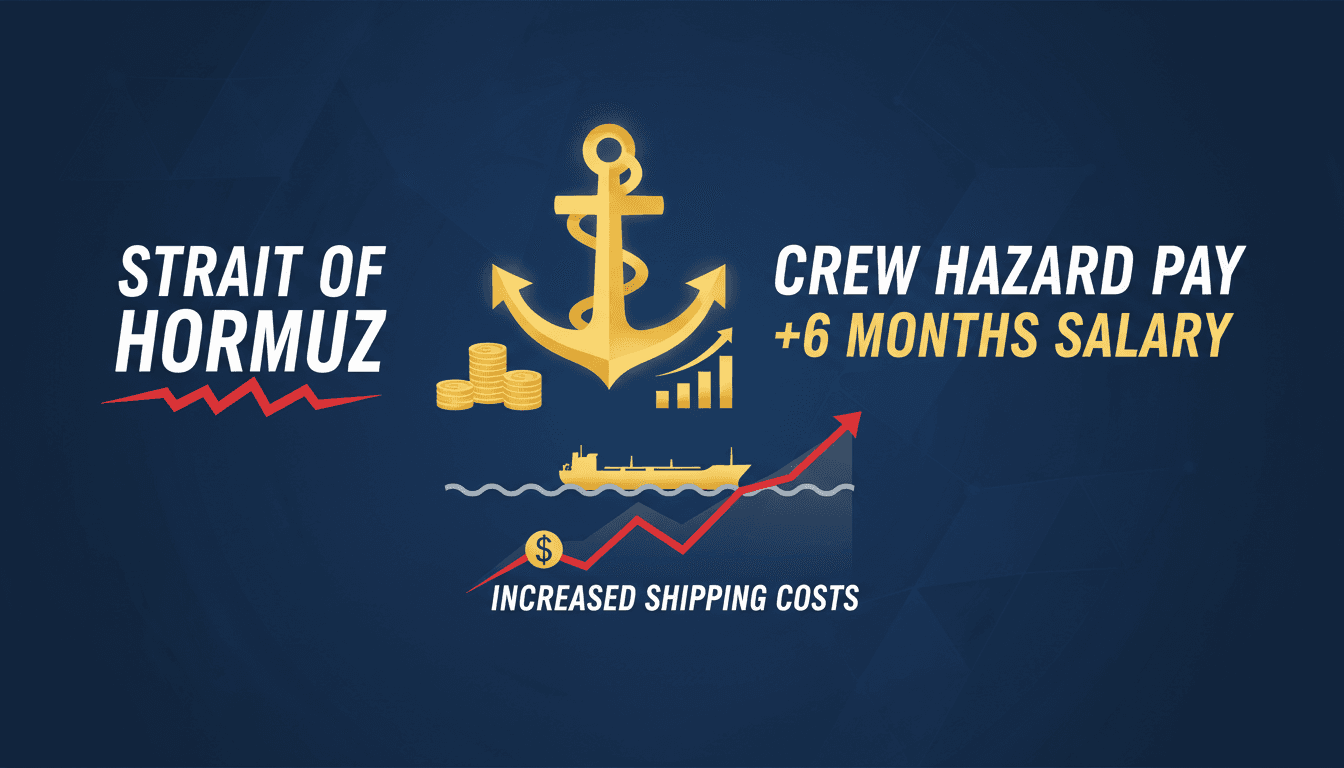
Shipowners are now offering crews an additional six months' salary to encourage them to sail through the Strait of Hormuz. This decision comes as a direct response to the heightened geopolitical tensions that have increased risks for shipping in this critical oil passage. The financial incentives reflect the significant dangers faced by seafarers operating in the region.
One prominent South Korean shipping entrepreneur is leading these incentive efforts, highlighting the urgency of the situation. Reports indicate that these offers are being made amid ongoing shipping disruptions in the Strait of Hormuz, further complicating maritime operations.
The Context
The Strait of Hormuz is a vital passage for global oil shipments, making it a focal point for international trade. Recent geopolitical tensions have heightened risks for shipping crews, prompting shipowners to take drastic measures to ensure their vessels remain operational. The financial incentives being offered underscore the precarious situation for seafarers and the shipping industry at large.
As tensions continue to rise, the shipping industry may face ongoing challenges in securing crews for high-risk routes. The implications of these developments extend beyond individual companies, potentially affecting global oil prices and supply chain stability.
Takeaway
The ongoing geopolitical situation in the region suggests that shipping companies may need to continue offering higher pay and incentives to ensure the safety and availability of crews willing to operate in high-risk areas. Stakeholders should monitor developments in regional security that may affect shipping routes, as well as potential changes in shipping insurance costs due to increased risks.
As the industry adapts to these challenges, the long-term implications for crew availability and operational costs will be significant. The shipping sector must remain vigilant and responsive to the evolving landscape in the Strait of Hormuz.
UAE-based English-language newspaper covering regional politics, economics, and global affairs.
"The National reflects Emirati policy perspectives while maintaining international editorial standards."
— A47 Editor
Danger money: Hormuz sailors offered six months' salary to cross strait
Sailors crossing the Strait of Hormuz have been offered six months' salary as an incentive due to the heightened risks associated with maritime operations in the region. This offer comes amid escalating geopolitical tensions and military maneuvers by...
Business and economy coverage focused on Dubai, the UAE, Saudi Arabia, and the wider Middle East.
"Arabian Business is a well-known regional business outlet with strong focus on Gulf markets, leadership, and investment stories."
— A47 Editor
Sailors offered 500% pay rise to face shipping mayhem in Strait of Hormuz
A South Korean shipping entrepreneur has announced a significant incentive for seafarers, offering a 500% pay rise along with six months of extra salary to encourage them to navigate the perilous Strait of Hormuz, where shipping activities have been ...
Global markets, investing, and macroeconomics from a premier financial newsroom.
"Bloomberg is respected for in-depth financial reporting and data-driven analysis."
— A47 Editor
Shipowners Offer Huge Bonuses to Get Crews to Sail Hormuz
Shipowners are offering substantial bonuses, including an additional six months' pay, to entice crews to navigate the perilous Strait of Hormuz, a critical oil transit route. This incentive highlights the stark choice faced by seafarers between signi...