
Surge in Oil Flows Through Strait of Hormuz Amid US-Iran Tensions
Here's what it means for you.
The recent surge in oil flows through the Strait of Hormuz highlights the ongoing volatility in the global oil market, driven by geopolitical tensions. As the US and Iran continue to clash, the stability of oil prices remains uncertain, which could have far-reaching implications for global supply chains. Stakeholders in the energy sector should prepare for potential fluctuations in pricing and availability as the situation evolves.
What happened
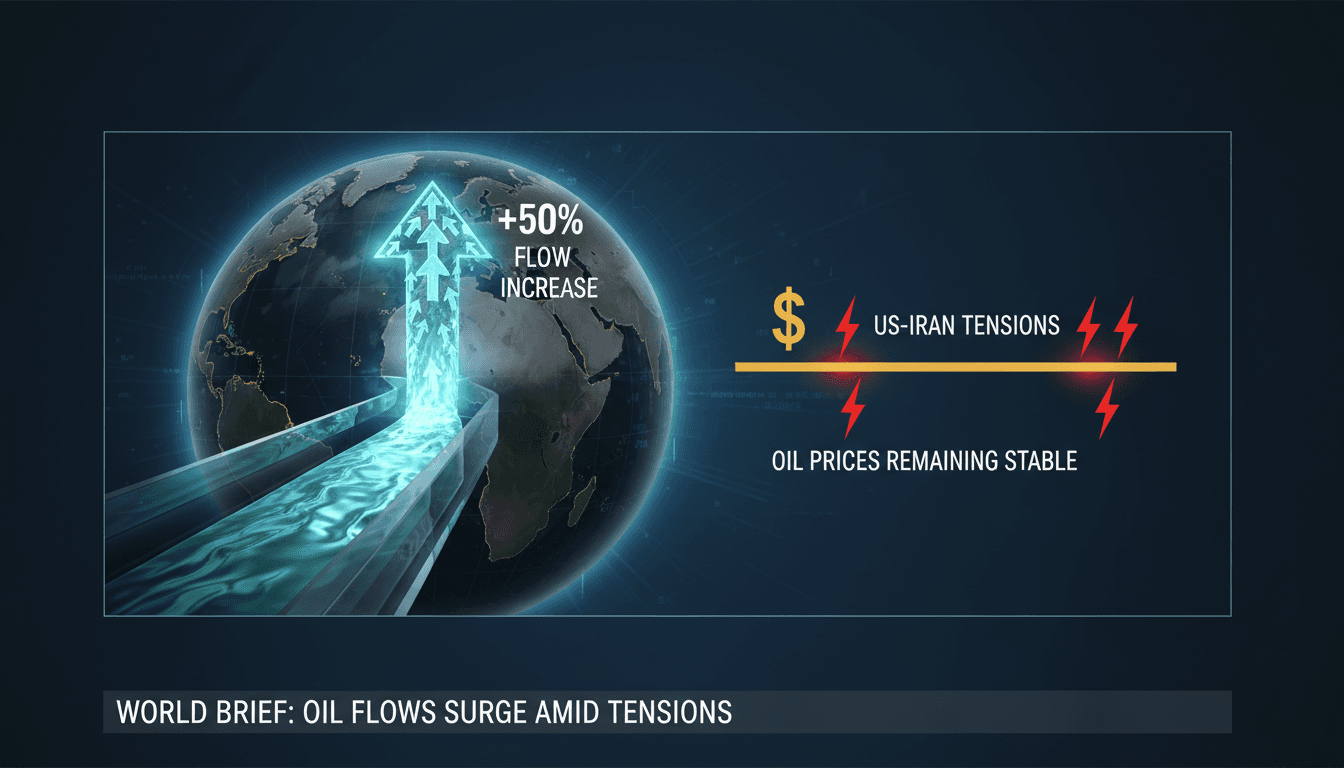
Oil flows through the Strait of Hormuz have surged by approximately 50% this month amid escalating conflict between the US and Iran. This increase follows Iran's closure of the Strait in response to US airstrikes, which has contributed to significant market volatility. Despite expectations that oil prices would soar, they have remained relatively stable, raising questions among analysts about the underlying market dynamics.
The Strait of Hormuz has been effectively paralyzed since late February, impacting tanker traffic and trade flows. Currently, tanker traffic is at roughly 15% of pre-war levels, indicating the strategic importance of this waterway for global oil supply. The recent surge in oil flows suggests a complex interplay of factors influencing the market amid ongoing geopolitical tensions.
The Context
The Strait of Hormuz is a critical chokepoint for global oil supply, making the ongoing conflict between the US and Iran particularly significant. Analysts had predicted that oil prices could exceed $200 per barrel due to these tensions, yet prices have remained surprisingly calm. This stability raises questions about market resilience and the potential for future disruptions.
Iran's announcement of the Strait's closure following US military actions has intensified scrutiny on the region's geopolitical landscape. As the situation develops, stakeholders must consider the implications for oil supply and pricing. The evolving dynamics between the US and Iran will play a crucial role in shaping the future of oil markets.
Takeaway
As geopolitical tensions continue to escalate, the oil market may face increased volatility, which could affect global prices and supply chains. Monitoring US-Iran relations will be essential for understanding potential impacts on oil supply. Additionally, changes in global oil demand, particularly from major consumers like China, will be critical to watch in the coming months.
The current stability of oil prices may not hold as tensions rise further in the region. Stakeholders should remain vigilant and prepared for potential shifts in the market landscape as these developments unfold.
Stock market news, investing ideas, and trading analysis.
"TheStreet provides market news and retail-investor-focused analysis."
— A47 Editor
JPMorgan sends another message on strait of Hormuz, oil prices
Three months into the Iran war, oil prices have not surged as anticipated despite the Strait of Hormuz being effectively paralyzed, with tanker traffic at about 15% of pre-war levels. Analysts had expected prices to rise significantly, yet they remai...
Global markets, investing, and macroeconomics from a premier financial newsroom.
"Bloomberg is respected for in-depth financial reporting and data-driven analysis."
— A47 Editor
Hormuz Oil Sneakouts Rise 50% as Iran and US Vie for Control
Oil flows through the Strait of Hormuz have surged by approximately 50% this month, as reported by Vortexa Ltd., highlighting the intensifying competition between the US and Iran for control over this vital maritime route.
Pan-Arab news coverage spanning politics, business, sports, and regional affairs.
"Asharq Al-Awsat reflects a broad Arab editorial perspective with strong attention to regional geopolitics."
— A47 Editor
النفط يرتفع بأكثر من دولار مع تنامي القلق من تصاعد الضربات الأميركية الإيرانية
Oil prices surged by over a dollar on Thursday following Tehran's announcement of the closure of the Strait of Hormuz, in response to additional U.S. strikes against Iran. This escalation in tensions has raised concerns in the global oil market, as t...
Corporate leadership, finance, technology, and market trends.
"Fortune covers financial trends, leadership, and innovation with a pragmatic editorial approach."
— A47 Editor
Analysts expected oil to surge above $200 but China has quietly kept prices half of that—and can’t for much longer
Analysts anticipated a significant rise in oil prices, potentially exceeding $200 per barrel, but current trends indicate that prices have stabilized at around half that level, largely due to China's influence and the ongoing closure of the Strait of...