
Global Study Reveals Vast Underground Fungal Networks Extending Beyond Solar System
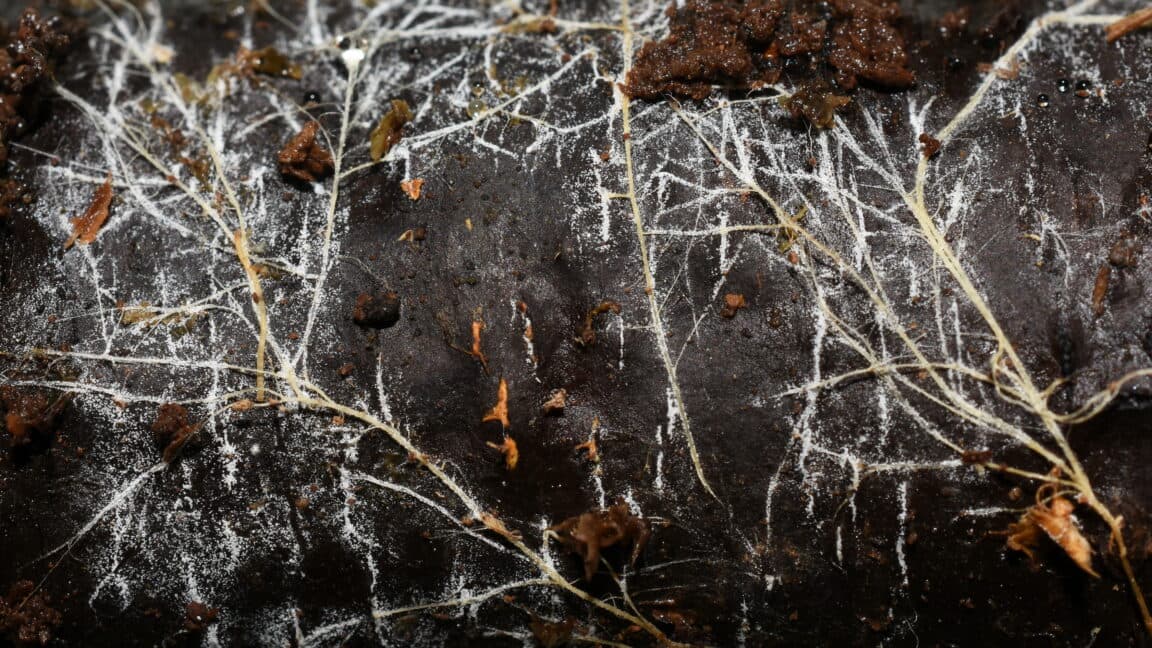
Here's what it means for you.
Understanding the vast underground fungal networks can reshape agricultural practices and climate resilience strategies globally.
Why it matters
This discovery underscores the critical role of mycorrhizal fungi in maintaining ecosystem health and food security.
What happened (in 30 seconds)
- A groundbreaking study published in June 2026 revealed that underground fungal networks on Earth extend approximately 110 quadrillion kilometers, surpassing the outer limits of the Solar System.
- The research team, led by the Society for the Protection of Underground Networks (SPUN), utilized data from over 16,000 soil samples worldwide to create the first global map of arbuscular mycorrhizal fungi.
- The findings highlight the ecological importance of these fungi, which are essential for nutrient exchange, carbon storage, and enhancing plant resilience against environmental stressors.
The context you actually need
- Mycorrhizal fungi form symbiotic relationships with plant roots, facilitating nutrient exchange and improving soil health.
- Previous research has shown that these networks can significantly enhance plant growth and resilience, particularly in challenging environments.
- The mapping effort employed advanced machine learning techniques, marking a significant advancement in ecological research and understanding.
What's really happening
The recent study published in the journal Science has unveiled a staggering estimate: the combined length of arbuscular mycorrhizal fungal hyphae in Earth's topsoil is approximately 110 quadrillion kilometers. This distance is nearly a billion times that of the Earth to the Sun, illustrating the vast scale of these underground networks. The research, spearheaded by the Society for the Protection of Underground Networks (SPUN), utilized data from over 16,000 soil samples collected globally. By employing advanced machine learning techniques, the team was able to create the first comprehensive map of these fungal networks.
These mycorrhizal fungi play a crucial role in ecosystem functioning. They form symbiotic relationships with plant roots, facilitating nutrient exchange and enhancing soil health. This is particularly important in the context of climate change and environmental degradation, where soil health is increasingly compromised. The extensive networks of fungi not only support plant life but also contribute to carbon storage, which is vital for climate regulation.
The implications of this discovery extend beyond mere academic interest. As agricultural practices evolve, understanding the role of underground fungal communities can lead to improved soil management strategies, particularly in arid regions like Dubai and the UAE. By preserving and enhancing these fungal networks, farmers can boost agricultural productivity and resilience against environmental stressors.
Moreover, the study has sparked discussions within the scientific community about the need for conservation efforts aimed at protecting these underground networks. Researchers are advocating for increased awareness of the ecological roles these fungi play in climate resilience and food security. The findings may influence agricultural policies and practices, particularly in regions facing significant environmental challenges.
In summary, the mapping of these fungal networks not only reveals the complexity of underground ecosystems but also highlights the interconnectedness of soil health, plant growth, and climate stability. As we move forward, the insights gained from this research could reshape how we approach agriculture and environmental conservation.
Who feels it first (and how)
- Farmers: Increased awareness of soil health can lead to better agricultural practices and crop yields.
- Environmentalists: Conservation efforts may gain momentum, focusing on protecting underground ecosystems.
- Policymakers: Agricultural policies may shift to incorporate findings on the importance of mycorrhizal fungi in climate resilience.
What to watch next
- Conservation initiatives: Monitor the emergence of programs aimed at protecting underground fungal networks, as they could influence agricultural practices.
- Agricultural policy changes: Look for shifts in policies that prioritize soil health and the role of mycorrhizal fungi in farming practices.
- Research funding: Increased funding for studies on underground ecosystems may lead to further discoveries and innovations in sustainable agriculture.
The extensive length of underground fungal networks and their ecological importance.
Increased focus on conservation efforts and agricultural practices that enhance soil health.
The long-term impact of these findings on global agricultural policies and practices.
Frequently Asked Questions
- Why it matters?
- This discovery underscores the critical role of mycorrhizal fungi in maintaining ecosystem health and food security.
- What happened (in 30 seconds)?
- A groundbreaking study published in June 2026 revealed that underground fungal networks on Earth extend approximately 110 quadrillion kilometers, surpassing the outer limits of the Solar System. The research team, led by the Society for the Protection of Underground Networks (SPUN), utilized data from over 16,000 soil samples worldwide to create the first global map of arbuscular mycorrhizal fungi. The findings highlight the ecological importance of these fungi, which are essential for nutri
- What's really happening?
- The recent study published in the journal Science has unveiled a staggering estimate: the combined length of arbuscular mycorrhizal fungal hyphae in Earth's topsoil is approximately 110 quadrillion kilometers. This distance is nearly a billion times that of the Earth to the Sun, illustrating the vast scale of these underground networks. The research, spearheaded by the Society for the Protection of Underground Networks (SPUN), utilized data from over 16,000 soil samples collected globally. By em
- Who feels it first (and how)?
- Farmers: Increased awareness of soil health can lead to better agricultural practices and crop yields. Environmentalists: Conservation efforts may gain momentum, focusing on protecting underground ecosystems. Policymakers: Agricultural policies may shift to incorporate findings on the importance of mycorrhizal fungi in climate resilience.
- What to watch next?
- Conservation initiatives: Monitor the emergence of programs aimed at protecting underground fungal networks, as they could influence agricultural practices. Agricultural policy changes: Look for shifts in policies that prioritize soil health and the role of mycorrhizal fungi in farming practices. Research funding: Increased funding for studies on underground ecosystems may lead to further discoveries and innovations in sustainable agriculture.
In-depth reporting on tech, policy, and science including AI.
"Respected analysis for technically savvy readers, including AI topics."
— A47 Editor
Threads of underground fungal networks are long enough to reach beyond the Solar System
Researchers have quantified the length and mass of arbuscular mycorrhizal fungal networks globally, revealing that these underground networks can extend beyond the Solar System. This study highlights the extensive reach of these fungi, which play a c...
In-depth coverage of hardware, software, science, and policy.
"Ars Technica provides expert technology news, hardware reviews, and analysis for a technically savvy audience."
— A47 Editor
Threads of underground fungal networks are long enough to reach beyond the Solar System
Researchers have quantified the length and mass of arbuscular mycorrhizal fungal networks globally, revealing that these underground networks can extend beyond the Solar System. This study highlights the extensive reach of these fungi, which play a c...
Discoveries, research, environment, and health innovations.
"New Scientist is a well-respected publication offering accessible science news, commentary, and expert analysis."
— A47 Editor
Global map reveals the vast scale of underground fungal networks
A newly released global map has revealed the extensive underground networks of fungi, measuring approximately 621 trillion miles, showcasing their vast scale and complexity. This visualization highlights the intricate connections that exist beneath t...
Scientific discoveries, health, technology, and natural phenomena.
"Live Science reports on scientific discoveries, health, technology, and natural phenomena with a popular science tone."
— A47 Editor
Earth's underground fungal network is so massive, it would span 10% of the Milky Way, map reveals
A newly released global map has revealed the extensive reach of Earth's underground fungal networks, indicating that these networks could span up to 10% of the Milky Way. This groundbreaking visualization highlights the vastness and complexity of sub...
Reports on science policy, discoveries, and public debate in the scientific realm.
"The Guardian’s science section is known for thoughtful and critical reporting on global research, ethics, and public understanding of science."
— A47 Editor
Subterranean fungi networks more than 100 quadrillion km in length, study finds
A groundbreaking study has mapped the extensive networks of arbuscular mycorrhizal fungi, revealing that these subterranean systems stretch over 100 quadrillion kilometers, enough to reach from Earth to the sun nearly 750 million times. These fungi f...
Top international stories selected by The Guardian editors.
"The Guardian is known for its progressive editorial stance and in-depth analysis."
— A47 Editor
Subterranean fungi networks more than 100 quadrillion km in length, study finds
A groundbreaking study has revealed that the global networks of arbuscular mycorrhizal fungi, which are essential for sustaining plant life, extend over 100 quadrillion kilometers. These subterranean fungi, forming partnerships with over 70% of plant...
Scientific research, space, environment, and health coverage.
"The New York Times is a globally recognized newspaper offering authoritative reporting with a center-left editorial stance."
— A47 Editor
Scientists Measure Earth’s Vast Underground Fungal Webs
Scientists have utilized machine learning and a high-resolution imaging robot to measure and map the extensive underground fungal networks of Earth, revealing their significant role in the planet's carbon circulatory system.
Science and technology stories including AI.
"Longstanding science magazine with thoughtful AI coverage."
— A47 Editor
See the hidden fungal network so big it could stretch to Proxima Centauri and back
Researchers have unveiled the first high-resolution global map of one of Earth's largest and least visible living networks, revealing the extensive reach of a hidden fungal network that could stretch to Proxima Centauri and back. This groundbreaking ...
Scientific research, technology, environment, and society.
"Scientific American is one of the oldest and most authoritative science magazines, known for deep dives into science, technology, and society."
— A47 Editor
See the hidden fungal network so big it could stretch to Proxima Centauri and back
Researchers have unveiled the first high-resolution global map of one of Earth's largest and least visible living networks, revealing the extensive reach of a hidden fungal network that could stretch to Proxima Centauri and back. This groundbreaking ...
News in science and technology, with a focus on consumer and innovation stories.
"Popular Science simplifies complex scientific topics for general audiences and celebrates innovation."
— A47 Editor
621 trillion miles of fungi networks crisscross the planet
A newly released global map has unveiled the extensive underground fungal networks that crisscross the planet, measuring approximately 621 trillion miles. This groundbreaking visualization highlights the vastness and complexity of these networks, whi...