
Iran asserts right to charge maritime fees in Strait of Hormuz amid US opposition
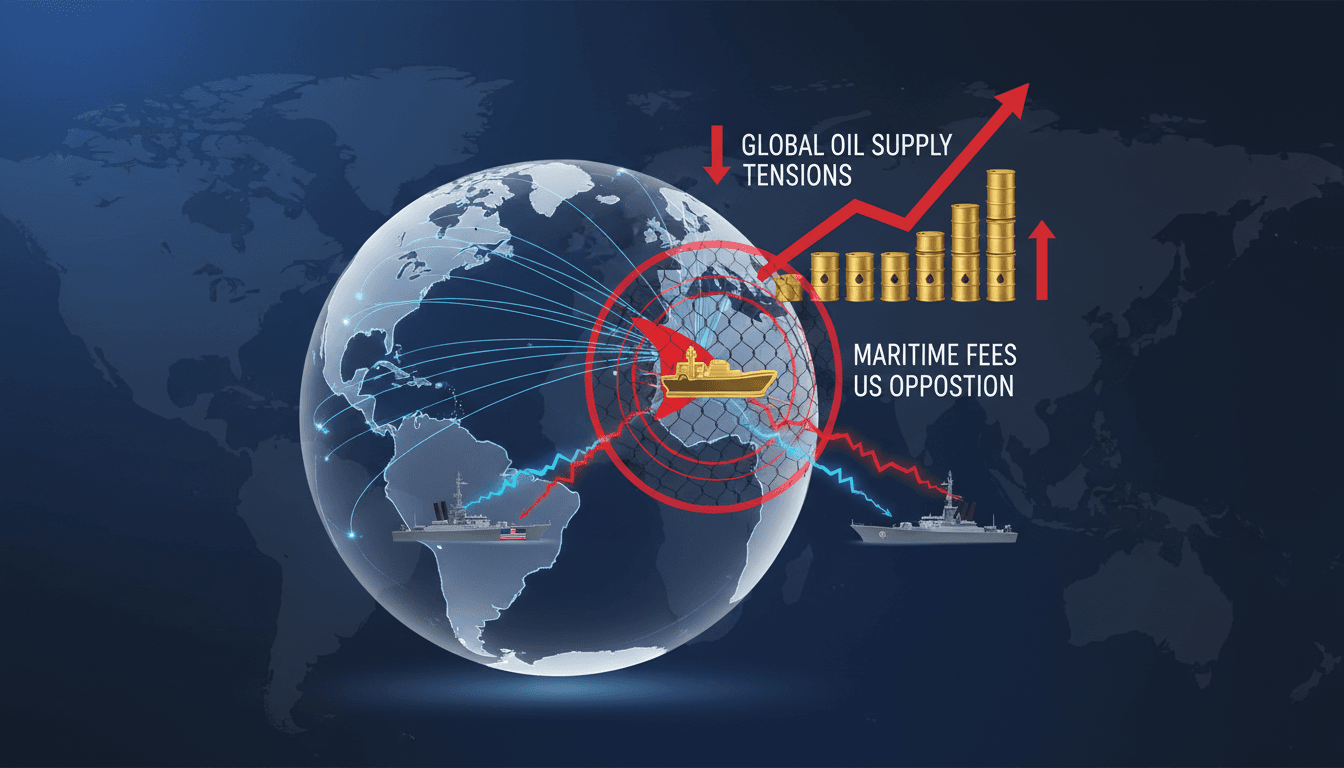
Here's what it means for you.
Iran's assertion to impose maritime fees in the Strait of Hormuz could significantly impact global oil markets and international shipping policies. The U.S. government's strong opposition underscores the importance of maintaining free navigation in this critical waterway. As tensions escalate, stakeholders in the energy sector should prepare for potential disruptions and increased military presence in the region. The situation may also prompt diplomatic efforts aimed at ensuring the security of this vital shipping route, which is crucial for oil exports from several countries. The international community will be closely monitoring developments, as they could have far-reaching implications for regional stability.
What happened
Iran has announced its intention to charge fees for maritime services in the Strait of Hormuz, a vital passage for global oil shipments. This claim has drawn strong condemnation from U.S. officials, including Secretary of State Marco Rubio, who assert that no country has the right to impose fees on this international waterway. The situation has escalated to the point where the United Nations is preparing to evacuate sailors stranded in the area.
The U.S. response highlights the significance of free navigation in international waters, emphasizing the potential consequences of Iran's actions. As tensions rise, the implications for global energy security become increasingly pronounced.
The Context
The Strait of Hormuz is a critical maritime route for oil exports, making Iran's claim particularly contentious amid ongoing geopolitical tensions with the United States. The U.S. has historically maintained a strong military presence in the region to ensure the safety of shipping lanes, and any attempt by Iran to impose fees could provoke a military response.
The UN's involvement in evacuating stranded sailors underscores the urgency of the situation, as it reflects the growing risks associated with maritime operations in the strait. The international community is now faced with the challenge of balancing diplomatic efforts with the need to uphold free navigation in this essential waterway.
Takeaway
As the situation in the Strait of Hormuz develops, stakeholders should be vigilant regarding potential military responses from the U.S. and its allies. The implications for global oil markets could be significant, particularly if Iran follows through on its plans to charge maritime fees.
Further developments in Iran's maritime policies will be crucial to watch, as they may influence regional security dynamics and international shipping practices. The ongoing tensions highlight the delicate balance between national interests and the need for cooperative maritime governance.
Global news coverage with extensive reporting on Middle Eastern conflicts and geopolitics.
"Al Jazeera is a Qatar-based broadcaster known for wide regional coverage and alternative perspectives."
— A47 Editor
Rubio says Iran cannot charge tolls in Hormuz: What we know
U.S. Secretary of State Marco Rubio has stated that Iran does not have the right to impose tolls on vessels passing through the Strait of Hormuz, following Tehran's assertion that it could charge fees for maritime services. This comes amid heightened...
Comprehensive coverage of Middle Eastern and global issues.
"Al Jazeera is a prominent voice from the Global South, especially the Middle East, with an emphasis on underreported stories."
— A47 Editor
Rubio says Iran cannot charge tolls in Hormuz: What we know
U.S. Secretary of State Marco Rubio has stated that Iran does not have the right to impose tolls on vessels passing through the Strait of Hormuz, following Tehran's assertion that it could charge fees for maritime services. This comes amid heightened...
Business, investment, entrepreneurship, leadership, and innovation.
"Forbes is known for its coverage of business leaders, market trends, and entrepreneurial ventures with a pro-business editorial stance."
— A47 Editor
Trump Threatens End Of Iran Negotiations If It Charges Fees In Strait Of Hormuz
President Trump has threatened to terminate negotiations with Iran if it proceeds to charge fees for transit through the Strait of Hormuz, a vital maritime route for global oil shipments. Iran has indicated it may impose such fees in exchange for ser...
Regional coverage and analysis focused on politics, diplomacy, and business across the Middle East.
"Al-Monitor is known for analytical reporting on Middle East politics and policy developments."
— A47 Editor
Trump insists no Hormuz tolls as Iran, US make conflicting claims
Tensions have escalated as Iran announced intentions to charge 'maritime service fees' in the Strait of Hormuz, a critical maritime route, while U.S. President Donald Trump asserted that Iran is not seeking such tolls. This conflicting narrative high...
International coverage of politics, culture, and current affairs.
"BBC News is widely regarded as a reputable international news organization, known for its impartial tone and public service mandate."
— A47 Editor
UN says it will evacuate sailors stranded in Strait of Hormuz, as Rubio warns against tolls
The United Nations has announced plans to evacuate sailors stranded in the Strait of Hormuz, following warnings from U.S. Secretary of State Marco Rubio that no nation has the right to impose tolls on ships traversing this critical maritime route. Ru...
English-language news from Qatar covering domestic and regional affairs.
"Gulf Times reflects Qatari perspectives on regional developments."
— A47 Editor
Rubio says US will not accept Iranian tolls on Hormuz
U.S. Senator Marco Rubio stated that the United States will not accept any tolls or fees imposed by Iran on the Strait of Hormuz, a critical maritime route for global oil shipments. This declaration comes amid ongoing tensions between the U.S. and Ir...
Regional and international reporting focused on Middle Eastern politics, diplomacy, and economics.
"Asharq Al-Awsat is a Saudi-owned international newspaper reflecting mainstream Gulf political perspectives."
— A47 Editor
Rubio Says US Will Not Accept Iranian Tolls on Hormuz
U.S. Secretary of State Marco Rubio has stated that the United States will not accept any Iranian-imposed tolls on shipping through the Strait of Hormuz, emphasizing the need for a deal with Iran that safeguards U.S. interests. This declaration comes...