
Climate
Climate change news, environmental policies, extreme weather events, and sustainability efforts.
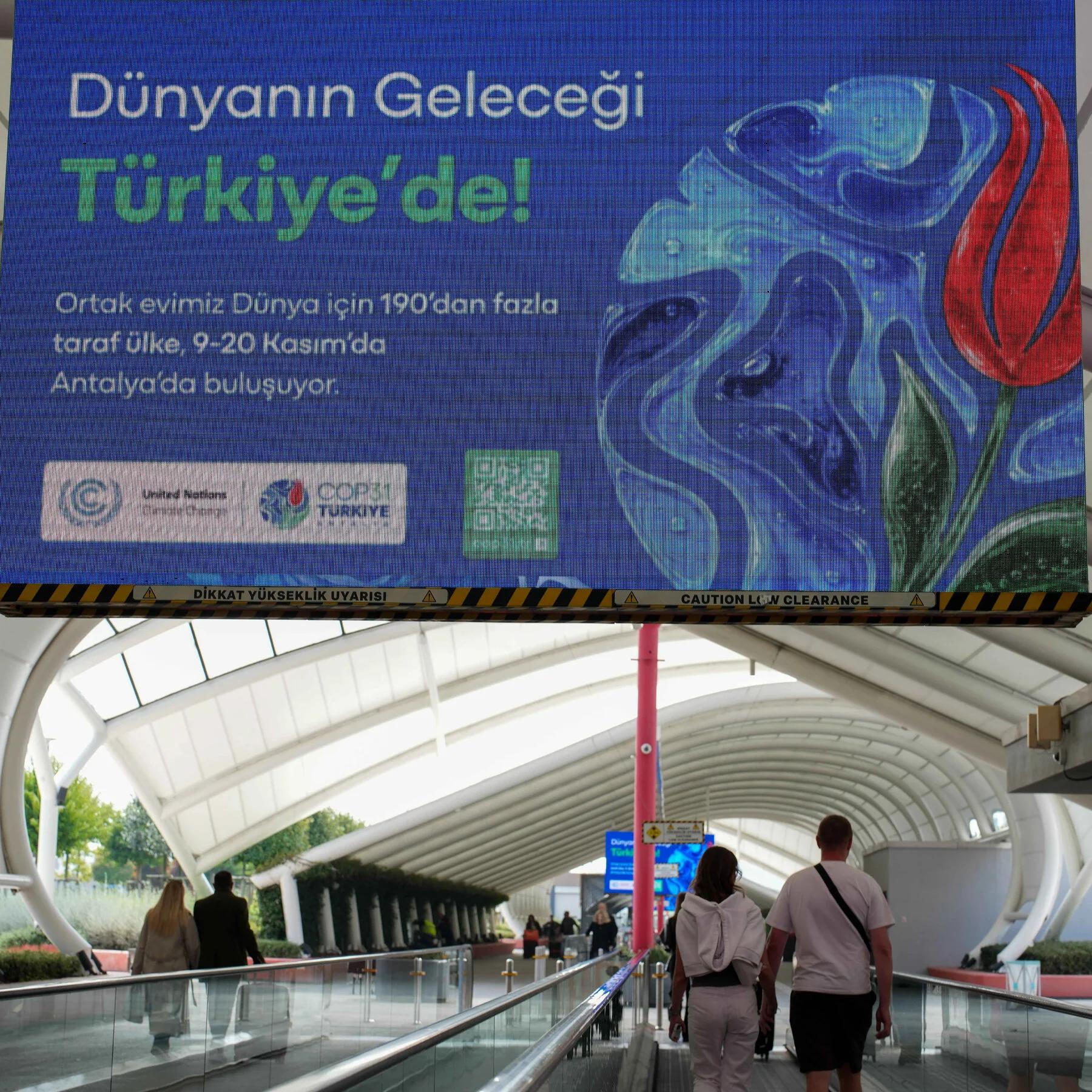
Iran War Drives Simultaneous Surge in Renewable Deployment and Fossil Fuel Expansion Ahead of COP31
Since the February 2026 U.S.-Israeli strikes on Iran, over 40 countries have accelerated wind, solar, EV and battery projects while simultaneously expanding coal use, oil and gas export infrastructure and consumer fossil fuel subsidies. The disruption of Strait of Hormuz flows, which normally carry about one-fifth of global oil and gas, produced the largest modern energy supply shock and pushed prices above $100 per barrel in many markets, forcing governments to pursue short-term fossil access alongside long-term diversification. As COP31 convenes in Antalya, the dual trajectory is likely to shape the phase-out debate, with the first projected annual fall in fossil CO2 emissions since 2020 reinforcing the case for electrification while persistent fossil infrastructure investment complicates a binding transition timeline.
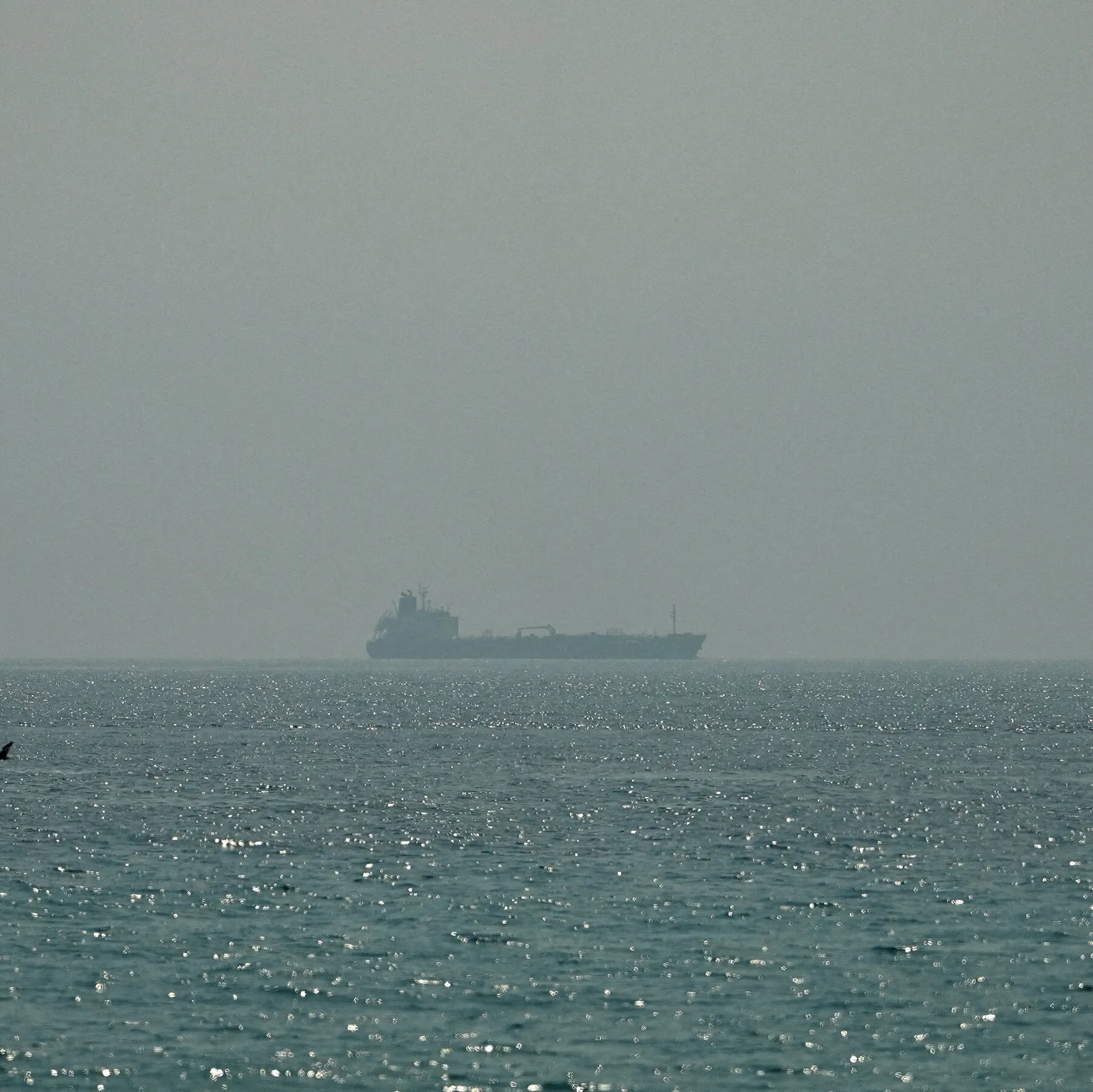
Iran Conflict and Strait of Hormuz Disruption Drive 0.4 Percent Decline in Global Fossil Fuel CO2 Emissions for 2026
The Global Carbon Project reported that worldwide fossil fuel CO2 emissions fell 0.4 percent in 2026 to 42.2 billion tons, with oil-related emissions dropping nearly 2 percent. The decline was triggered by the Iran conflict and the effective closure or severe disruption of the Strait of Hormuz, which elevated oil prices and reduced consumption rather than resulting from deliberate climate policy. Analysts expect the reduction to prove temporary and unsustainable, since geopolitical energy shocks do not substitute for systemic decarbonization and the emissions gain may reverse as supply and prices normalize.
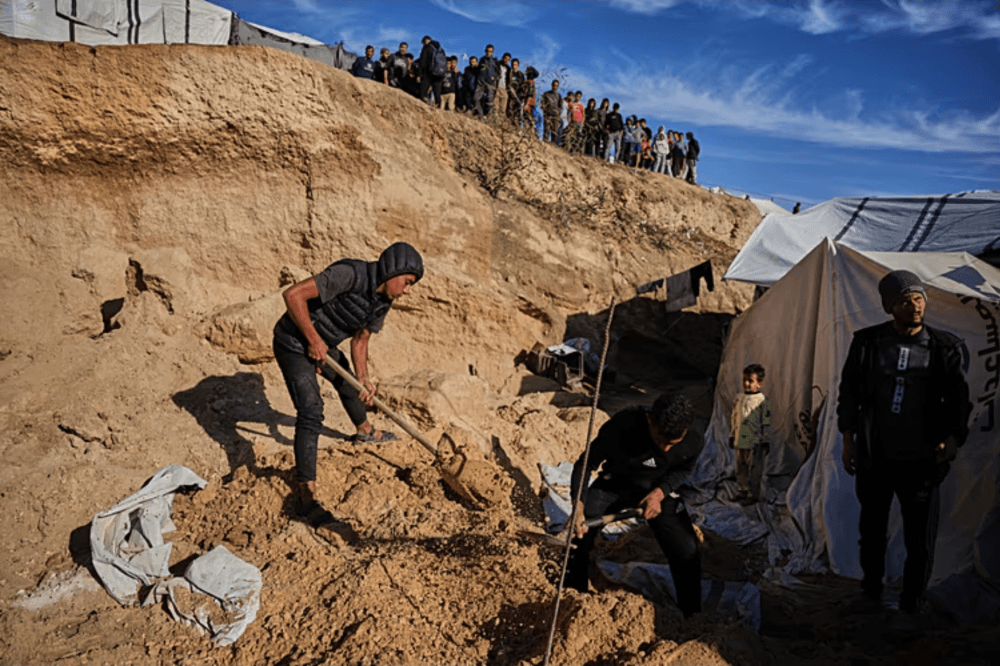
Sand Embankment Collapse Kills Five Displaced Palestinians in Deir al-Balah Tent Camp
A sand embankment collapsed onto tents sheltering displaced families in Deir al-Balah, central Gaza, on the evening of November 8, 2026, killing five people, including two women and three children, and injuring several others. Heavy rains from a winter storm saturated the sandy cliff near Hawouz al-Birka, while power outages and equipment shortages hampered rescue efforts by residents and Gaza Civil Defense. The incident underscores the acute safety risks facing roughly 1.4 million people in temporary shelters amid restricted safe zones, with humanitarian bodies warning of further casualties unless relocation and shelter aid are expanded.
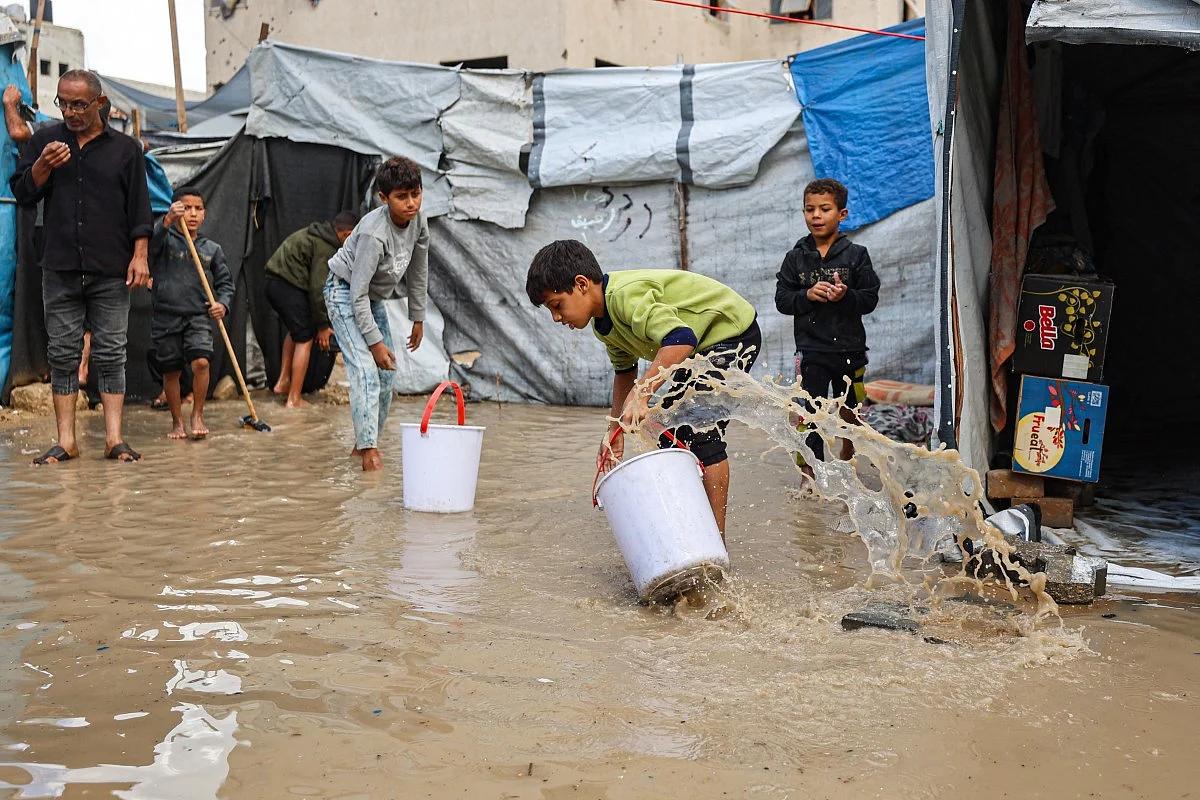
Gaza Winter Flooding Leaves 350000 Displaced Palestinians Without Shelter After 70000 Tents Inundated
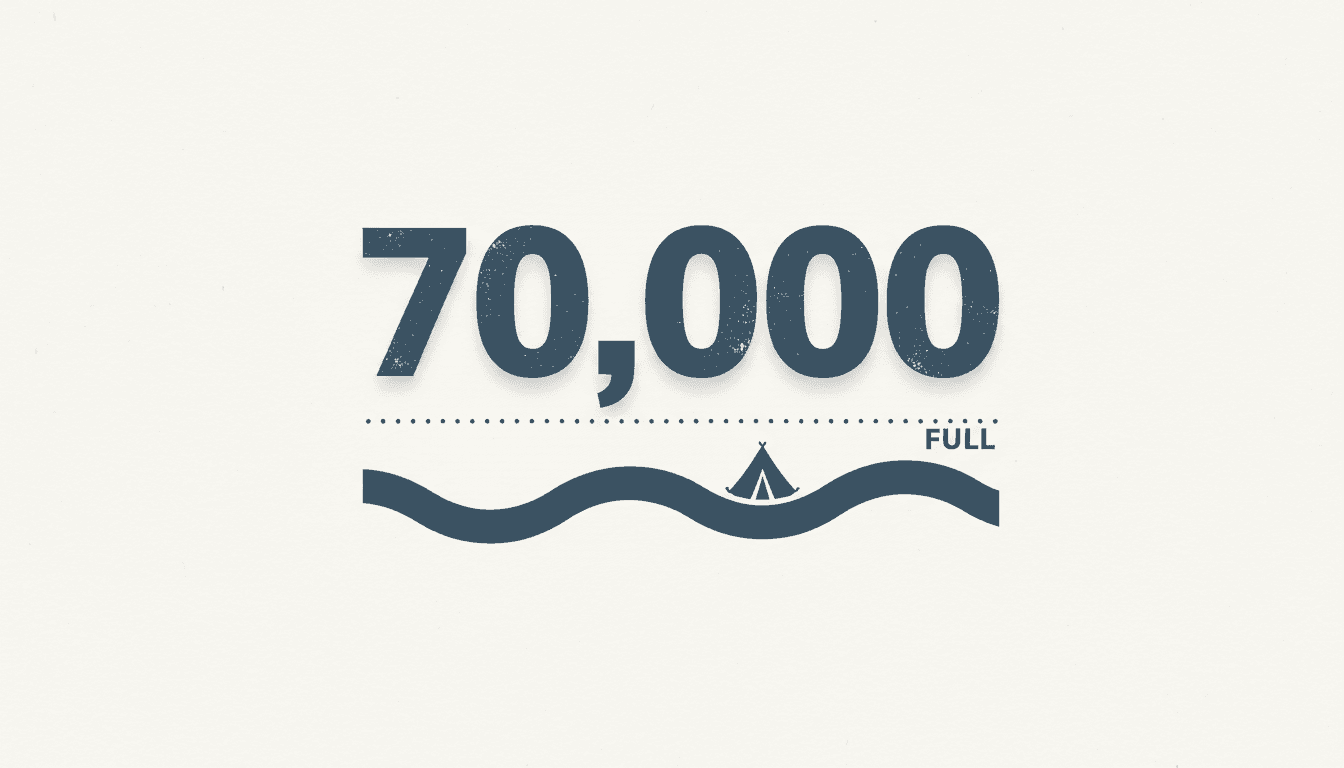
Heavy rains from November 7 to 9, 2026 flooded at least 70,000 tents across the Gaza Strip, leaving an estimated 350,000 displaced Palestinians without adequate shelter and causing a fatal landslide in Deir Al Balah. The storms overwhelmed emergency response capacity, which is already constrained by fuel shortages, destroyed equipment, and restricted aid crossings during the stalled post-ceasefire reconstruction period. Without reopened crossings and scaled-up shelter and reconstruction materials, displaced families face escalating risks of hypothermia, disease, and further weather-related casualties through the winter season.
More Stories
COP31 Opens in Antalya as Leaders Face Pressure to Accelerate Emissions Cuts and Climate Finance
The 31st UN Climate Change Conference opened on 9 November 2026 in Antalya, Türkiye, convening nearly 200 nations and over 100,000 participants to advance implementation of prior climate commitments. The summit is convening amid record global temperatures, extreme weather including heatwaves, wildfires, and floods, and a strong El Niño, with the world at risk of breaching the 1.5°C Paris Agreement threshold. Without faster emissions reductions, a fossil fuel transition, and delivery of climate finance to vulnerable nations, COP31 risks remaining a forum for commitments rather than measurable implementation.

Heavy Rains Flood Tens of Thousands of Gaza Displacement Tents and Trigger Fatal Embankment Collapse
Torrential rains from November 6 to 9, 2026 submerged an estimated 70,000 tents sheltering displaced Palestinians across the Gaza Strip, and a sand embankment collapse south of Deir al-Balah killed at least five people. The flooding follows an extended period of conflict-related destruction that left hundreds of thousands in makeshift camps on unstable, low-lying ground with limited access to safe sites and construction materials. Without rapid deployment of shelter supplies, safe relocation of high-risk camps, and sustained aid access, the humanitarian emergency is likely to deepen through further collapses, disease outbreaks, and shelter shortages during the winter season.
UN Secretary-General Warns World Has Entered New Age of Climate Extremes as COP31 Opens in Antalya
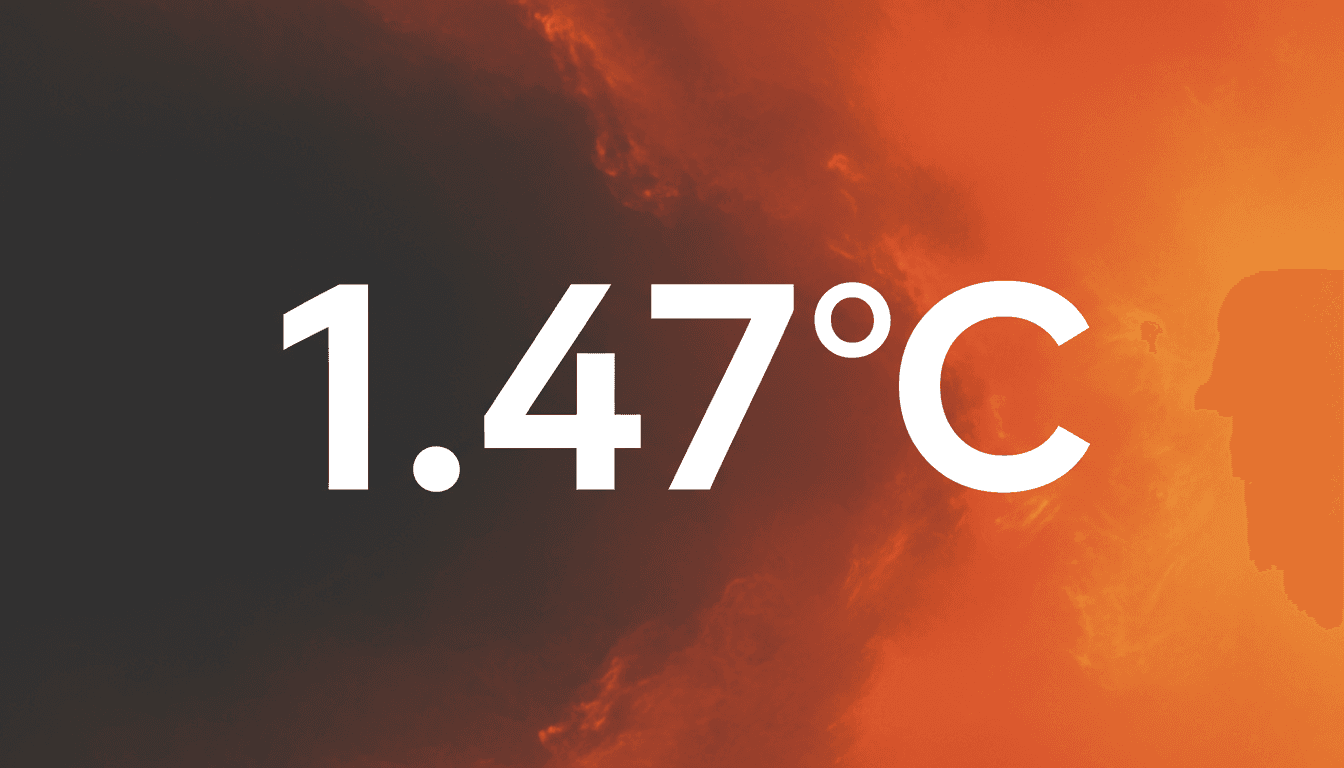
On November 9, 2026, UN Secretary-General Antonio Guterres declared that the world has entered a new age of climate extremes, coinciding with a WMO report showing January-September 2026 global temperatures at 1.47°C above pre-industrial levels. The statement was triggered by a strong El Niño event compounding human-induced warming as COP31 negotiations opened in Antalya, Turkey, with immediate disputes over climate finance. The likely horizon is continued extreme weather into 2027 and intensified pressure for accelerated emissions cuts, fossil fuel phase-out, and expanded finance for vulnerable nations.
Heavy Rain Landslide Kills Five Displaced Civilians in Deir al-Balah Tent Camp Gaza Strip
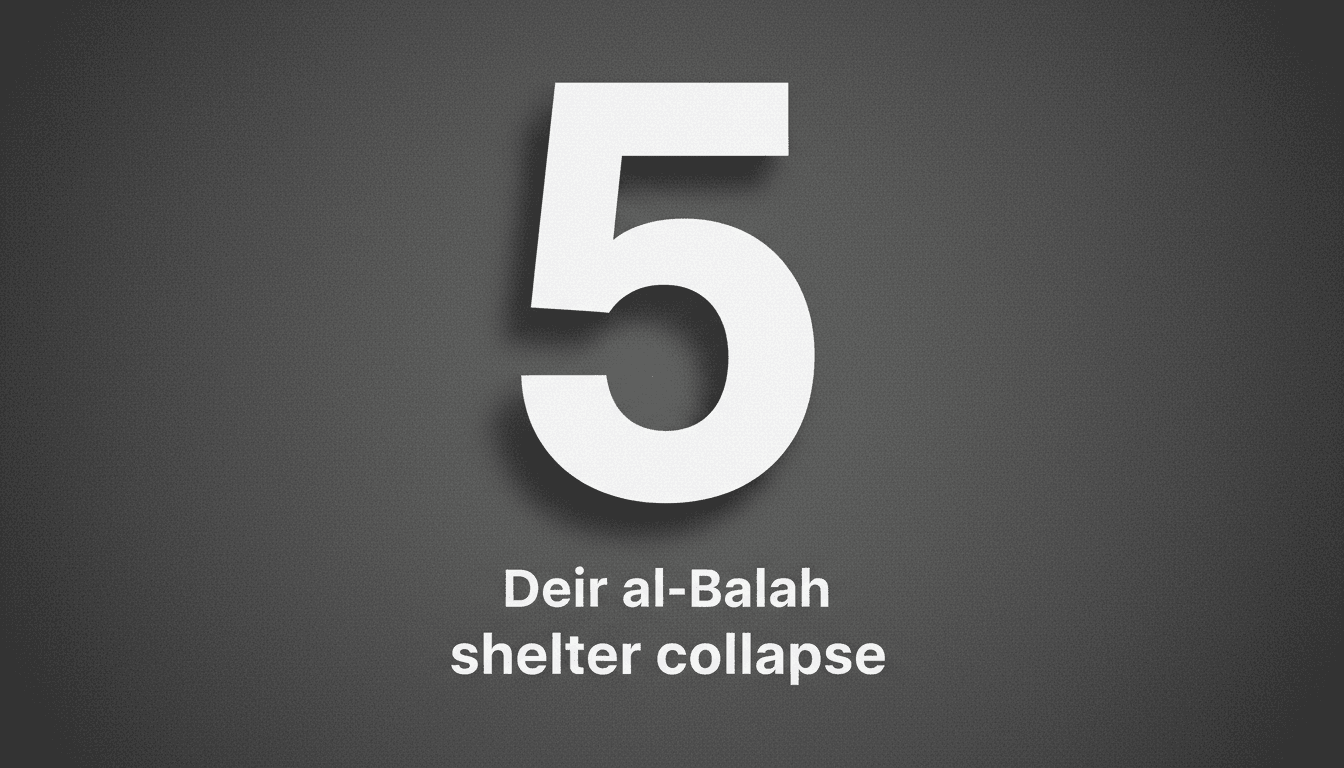
On November 8, 2026, a sandy and rocky landslide collapsed onto displacement tents in Deir al-Balah, central Gaza Strip, killing two women and three children with searches for missing persons ongoing. The collapse was triggered by heavy rainfall from a low-pressure weather system that began November 7, saturating unstable slopes beside a camp where displaced civilians were already exposed due to blockade limits on equipment and shelter materials. The incident signals heightened winter-season risk to Gaza's displaced population of roughly 2.1 million, with humanitarian appeals for winter shelter and restored crossings likely to intensify while rescue capacity remains constrained.
Latest Stories
Iran War Drives Simultaneous Surge in Renewable Deployment and Fossil Fuel Expansion Ahead of COP31
Since the February 2026 U.S.-Israeli strikes on Iran, over 40 countries have accelerated wind, solar, EV and battery projects while simultaneously expanding coal use, oil and gas export infrastructure and consumer fossil fuel subsidies. The disruption of Strait of Hormuz flows, which normally carry about one-fifth of global oil and gas, produced the largest modern energy supply shock and pushed prices above $100 per barrel in many markets, forcing governments to pursue short-term fossil access alongside long-term diversification. As COP31 convenes in Antalya, the dual trajectory is likely to shape the phase-out debate, with the first projected annual fall in fossil CO2 emissions since 2020 reinforcing the case for electrification while persistent fossil infrastructure investment complicates a binding transition timeline.
Iran Conflict and Strait of Hormuz Disruption Drive 0.4 Percent Decline in Global Fossil Fuel CO2 Emissions for 2026
The Global Carbon Project reported that worldwide fossil fuel CO2 emissions fell 0.4 percent in 2026 to 42.2 billion tons, with oil-related emissions dropping nearly 2 percent. The decline was triggered by the Iran conflict and the effective closure or severe disruption of the Strait of Hormuz, which elevated oil prices and reduced consumption rather than resulting from deliberate climate policy. Analysts expect the reduction to prove temporary and unsustainable, since geopolitical energy shocks do not substitute for systemic decarbonization and the emissions gain may reverse as supply and prices normalize.
Sand Embankment Collapse Kills Five Displaced Palestinians in Deir al-Balah Tent Camp
A sand embankment collapsed onto tents sheltering displaced families in Deir al-Balah, central Gaza, on the evening of November 8, 2026, killing five people, including two women and three children, and injuring several others. Heavy rains from a winter storm saturated the sandy cliff near Hawouz al-Birka, while power outages and equipment shortages hampered rescue efforts by residents and Gaza Civil Defense. The incident underscores the acute safety risks facing roughly 1.4 million people in temporary shelters amid restricted safe zones, with humanitarian bodies warning of further casualties unless relocation and shelter aid are expanded.
Gaza Winter Flooding Leaves 350000 Displaced Palestinians Without Shelter After 70000 Tents Inundated
Heavy rains from November 7 to 9, 2026 flooded at least 70,000 tents across the Gaza Strip, leaving an estimated 350,000 displaced Palestinians without adequate shelter and causing a fatal landslide in Deir Al Balah. The storms overwhelmed emergency response capacity, which is already constrained by fuel shortages, destroyed equipment, and restricted aid crossings during the stalled post-ceasefire reconstruction period. Without reopened crossings and scaled-up shelter and reconstruction materials, displaced families face escalating risks of hypothermia, disease, and further weather-related casualties through the winter season.