
A47 News
A47 News Editorial Team
The A47 News Editorial Team oversees the publication of timely, source-led reporting on global affairs, business, technology, markets, culture, and sport. Our coverage is built around credible source material, clear attribution, editorial review, and continuous updates as major stories develop.
Editorial Standards
Source-led reporting
We prioritize credible, attributable reporting and present source coverage clearly so readers can understand the basis of each story.
Review and context
Stories are reviewed for accuracy, relevance, context, and consistency before publication, with additional checks applied to high-impact developments.
Ongoing coverage
Coverage is updated as events develop, helping readers follow the latest reporting, added context, and changes in the public record.
Editorial and Product Leadership
A47 News is supported by a multidisciplinary leadership team across editorial strategy, media operations, product development, and technology.
Recent Stories
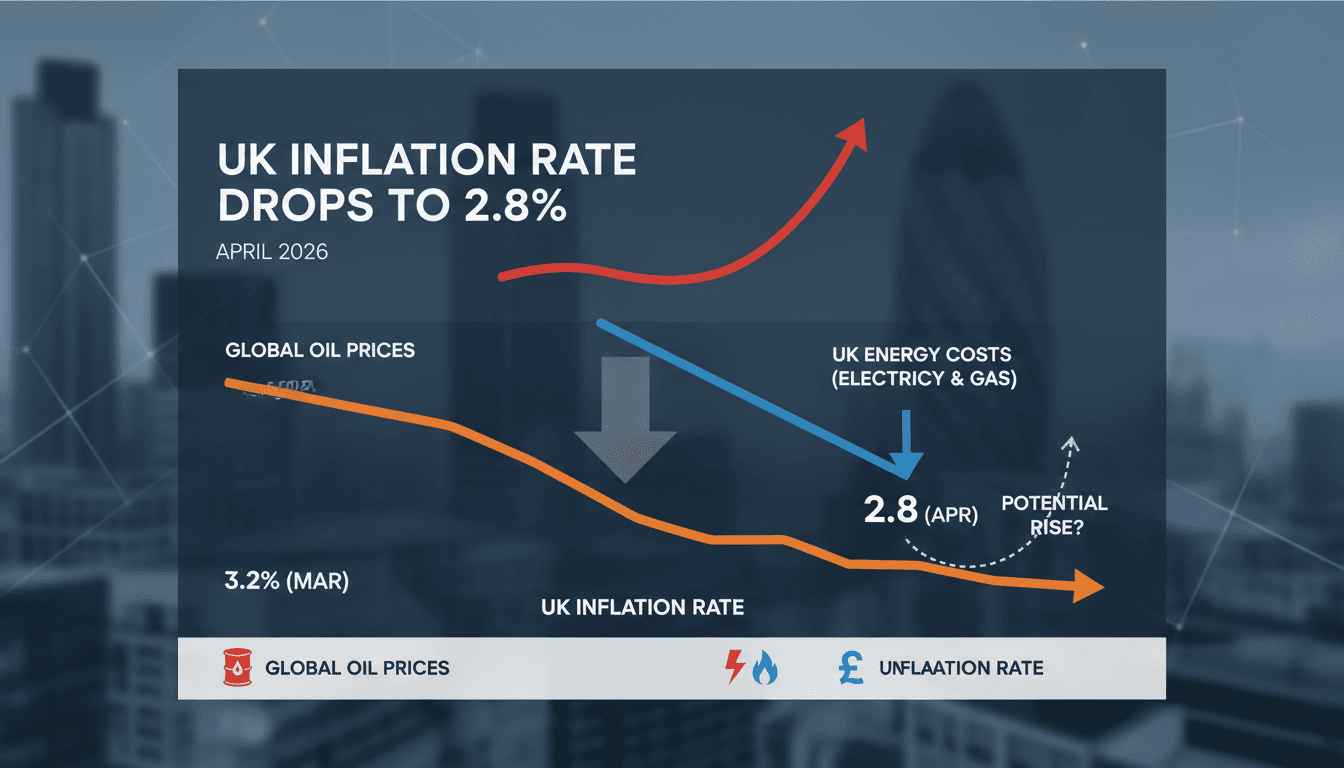
UK inflation rate drops to 2.8% amid lower energy costs
UK inflation decreased to 2.8% in April 2026. This decline is attributed to lower electricity and gas bills, although rising global oil prices are expected to exert upward pressure on inflation in the coming months. As energy costs are projected to increase, the UK may face renewed inflationary pressures, prompting potential adjustments in monetary policy.
Indian Rupee Hits Record Low Amid Rising Oil Prices
The Indian rupee has fallen to a record low of 96.88 per dollar due to an oil price shock. This depreciation is occurring as global investors brace for potential further weakness in the currency. Long-term implications suggest that the rupee could reach a critical psychological threshold of 100 per dollar if current trends persist.
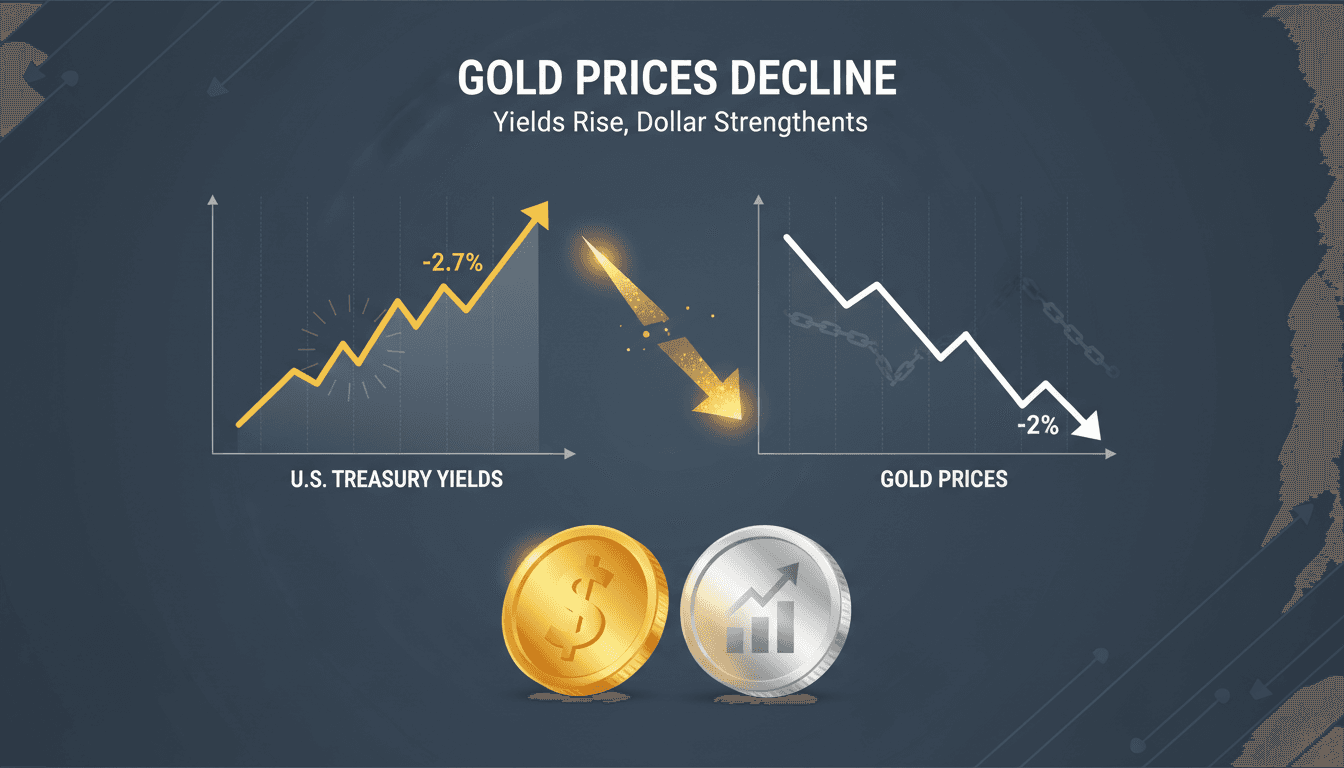
Gold prices decline amid rising U.S. Treasury yields and a strong dollar
Gold prices have fallen slightly due to rising U.S. Treasury yields and a strong dollar. This decline is occurring as investors react to economic uncertainties and shifts in monetary policy. The long-term implication is that continued economic data releases may further influence gold prices and investor sentiment in the near future.
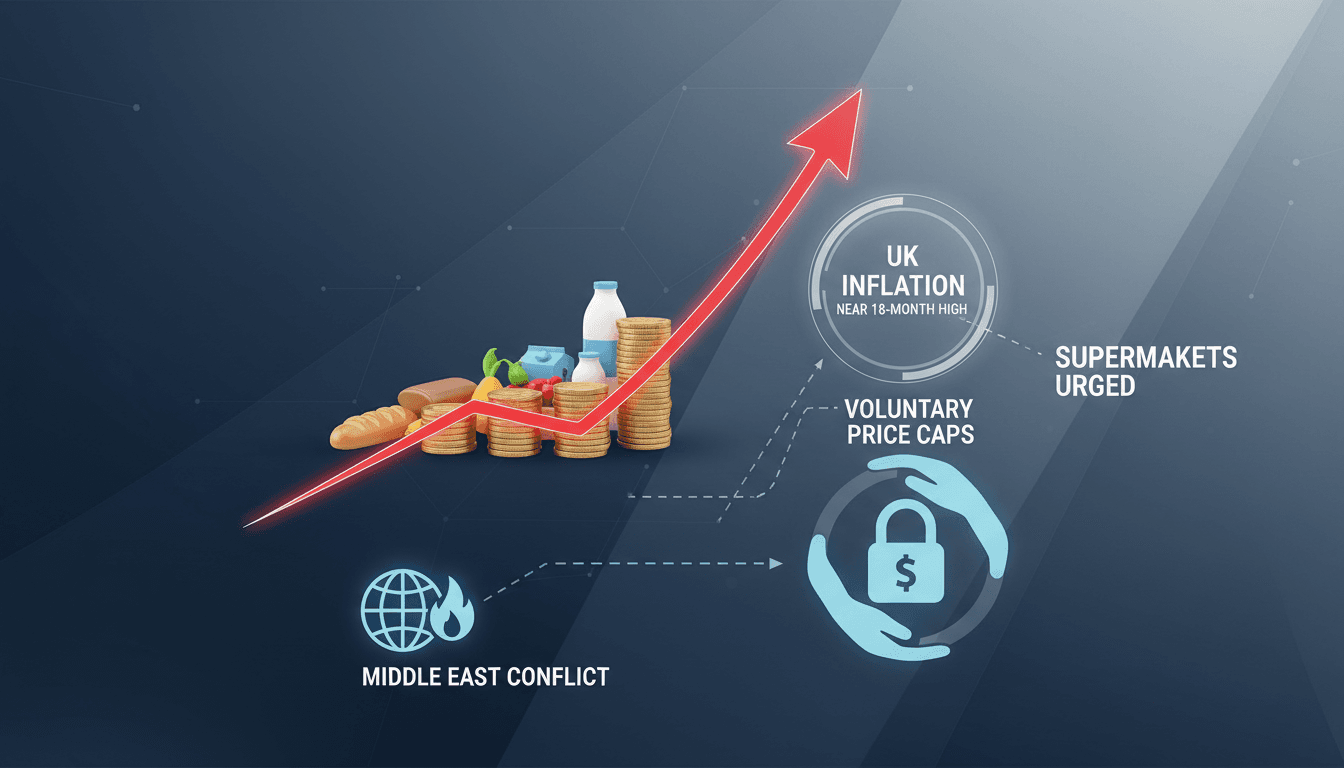
UK government urges supermarkets to adopt voluntary price caps amid rising inflation
The UK government has encouraged supermarkets to implement voluntary price caps on essential groceries. This proposal comes as UK inflation has reached a near 18-month high, exacerbated by the ongoing Middle East conflict. The long-term implication may involve significant shifts in pricing strategies and regulatory approaches within the UK food retail sector as discussions continue between the government and retailers.
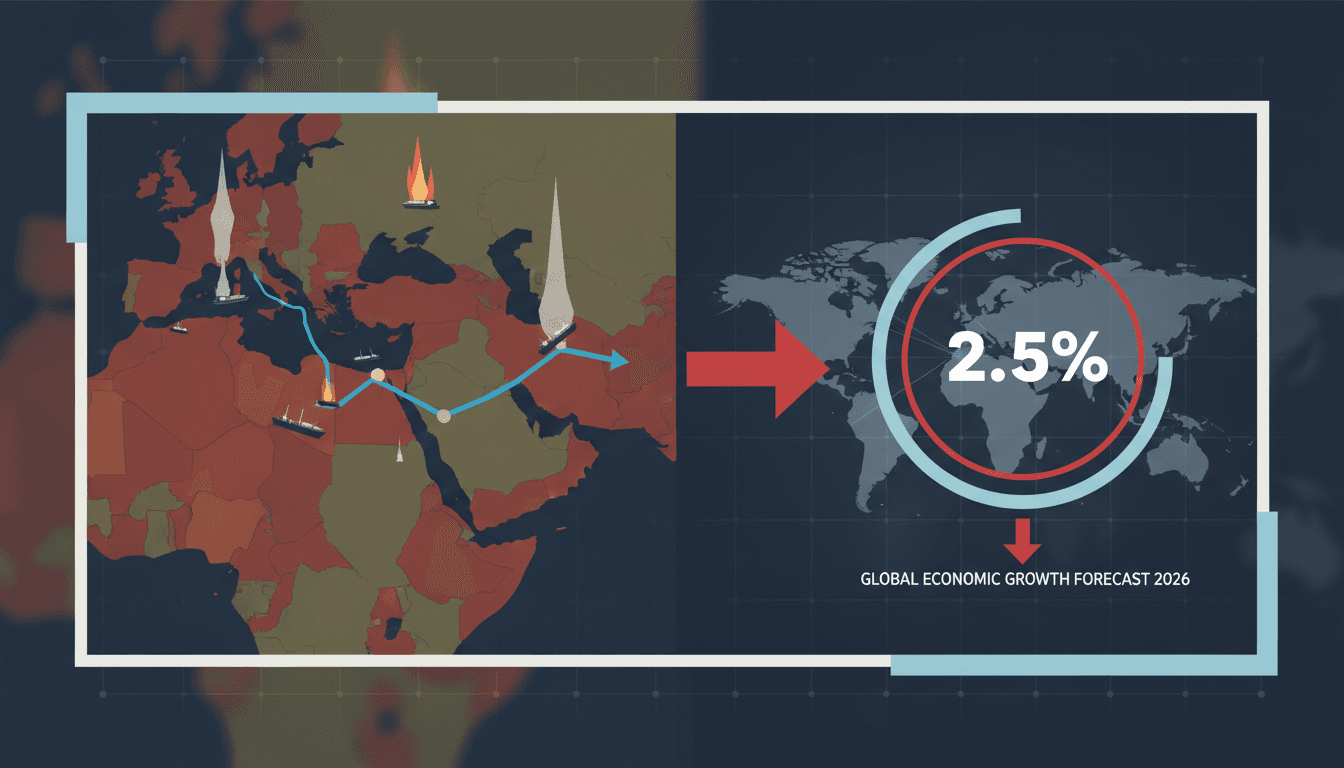
UN Lowers Global Economic Growth Forecast to 2.5% Amid Middle East Crises
The United Nations has revised its global economic growth forecast downward to 2.5% for 2026 due to the ongoing crises in the Middle East. This adjustment is triggered by rising oil prices and significant disruptions in energy supply, particularly concerning the Strait of Hormuz. Long-term implications suggest that continued geopolitical tensions could lead to further economic challenges and inflationary pressures worldwide.
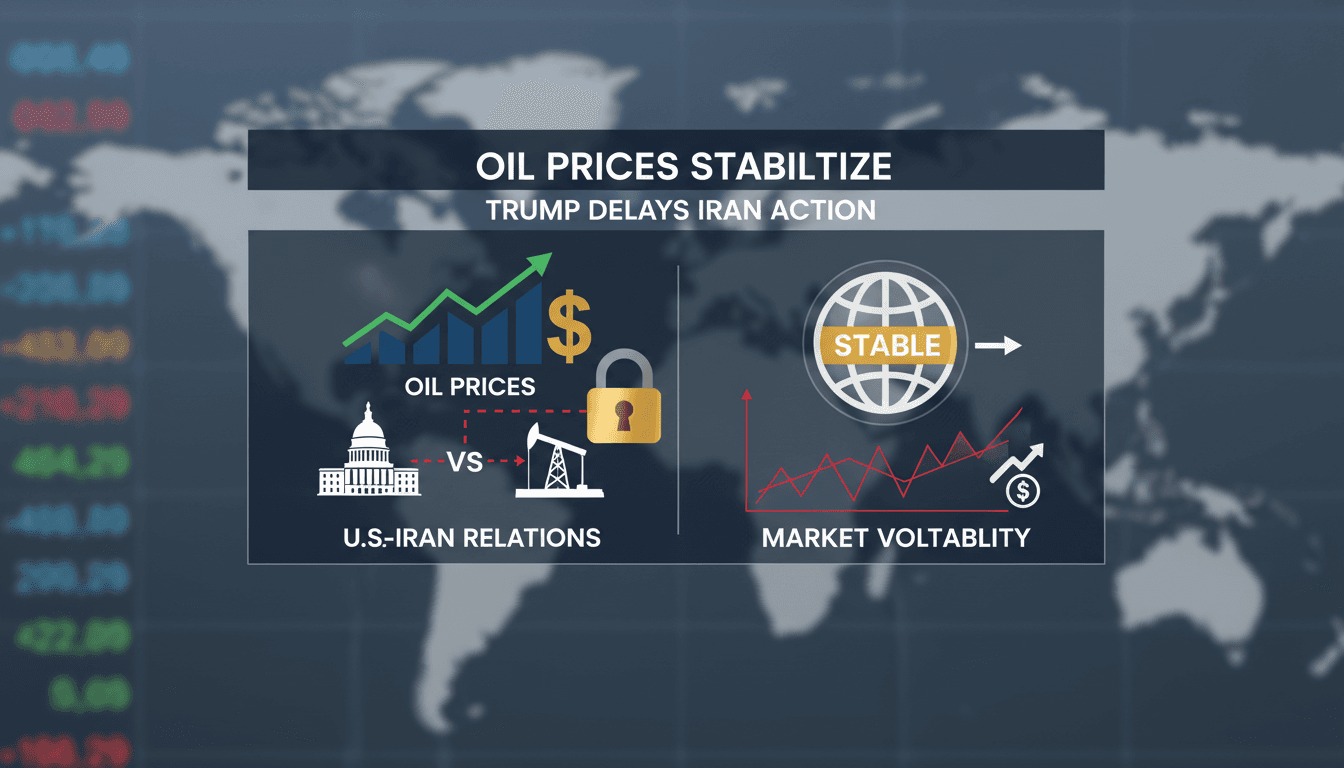
Oil prices stabilize as Trump delays military action against Iran
Oil prices have remained steady following President Trump's decision to postpone military strikes on Iran. This delay is occurring amidst ongoing inflation concerns that are affecting market volatility and stock performance. In the long term, traders will closely monitor U.S.-Iran relations for any developments that could impact oil prices and market dynamics.
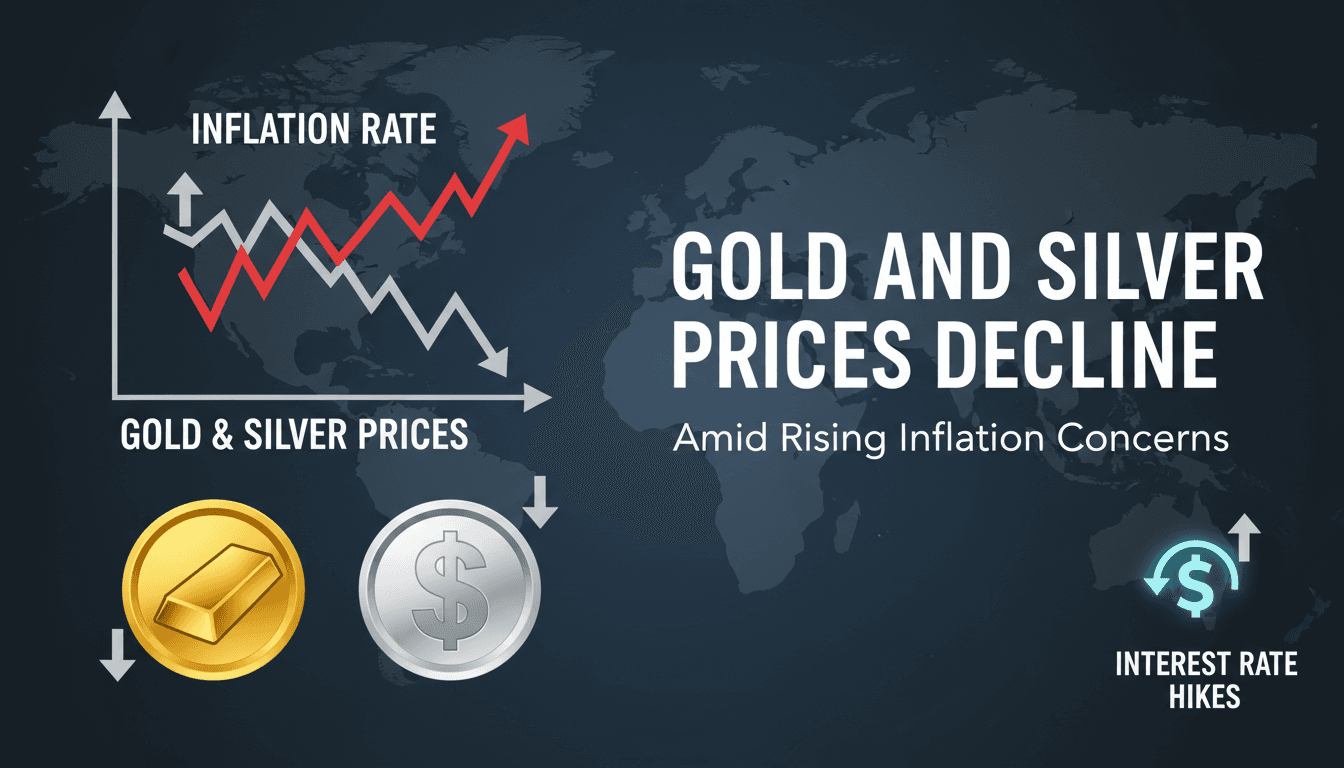
Gold and silver prices decline amid rising inflation concerns
Gold and silver prices have fallen significantly as fears of inflation intensify. This decline is triggered by speculation regarding potential interest rate hikes from global central banks, alongside a strengthening dollar. The long-term implication suggests that investors will need to closely monitor economic indicators and central bank policies that could further impact commodity prices.
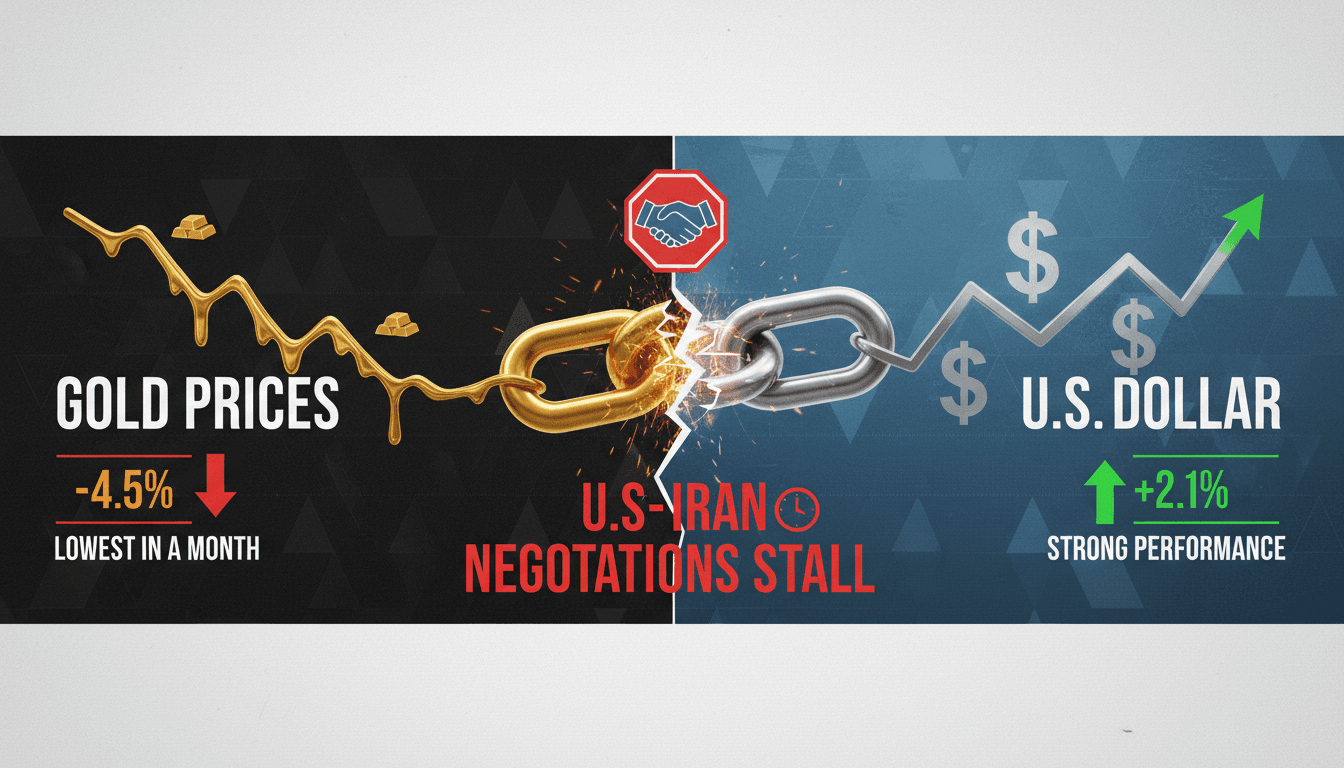
Gold prices decline as U.S.-Iran negotiations stall
Gold prices have dropped to their lowest levels in over a month due to stalled U.S.-Iran negotiations. The impasse in talks has created uncertainty in the market, leading to a decline in gold prices influenced by the performance of the U.S. dollar and bond yields. As geopolitical tensions persist, fluctuations in gold prices are likely to continue, prompting investors to closely monitor developments in the negotiations.
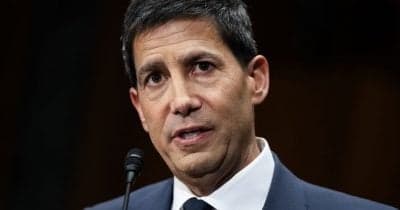
Kevin Warsh to be sworn in as Chair of the Federal Reserve amid rising bond yields
Kevin Warsh will officially take over as Chair of the Federal Reserve next week. This transition occurs as he faces pressure from President Trump for interest rate cuts while the bond market reacts negatively with rising yields. Warsh's hawkish policies may lead to sustained high interest rates, significantly impacting the economy and financial markets in the long term.
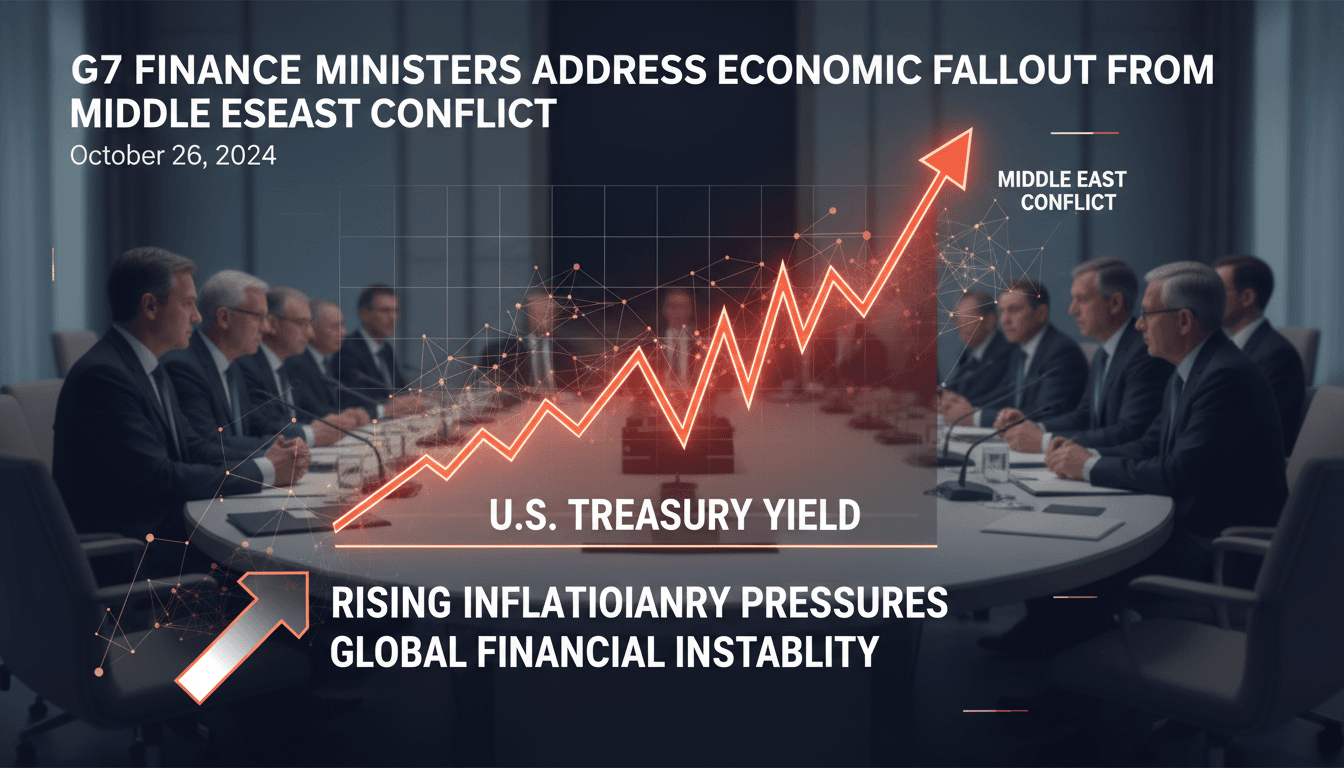
G7 Finance Ministers Address Economic Fallout from Middle East Conflict
G7 finance ministers convened in Paris to discuss the economic challenges arising from the ongoing conflict in the Middle East, particularly the war in Iran. This meeting was triggered by rising inflationary pressures and concerns over global financial stability amidst increasing uncertainties. The long-term implication is that the G7's coordinated financial policies will be crucial in stabilizing the global economy and managing inflation rates moving forward.
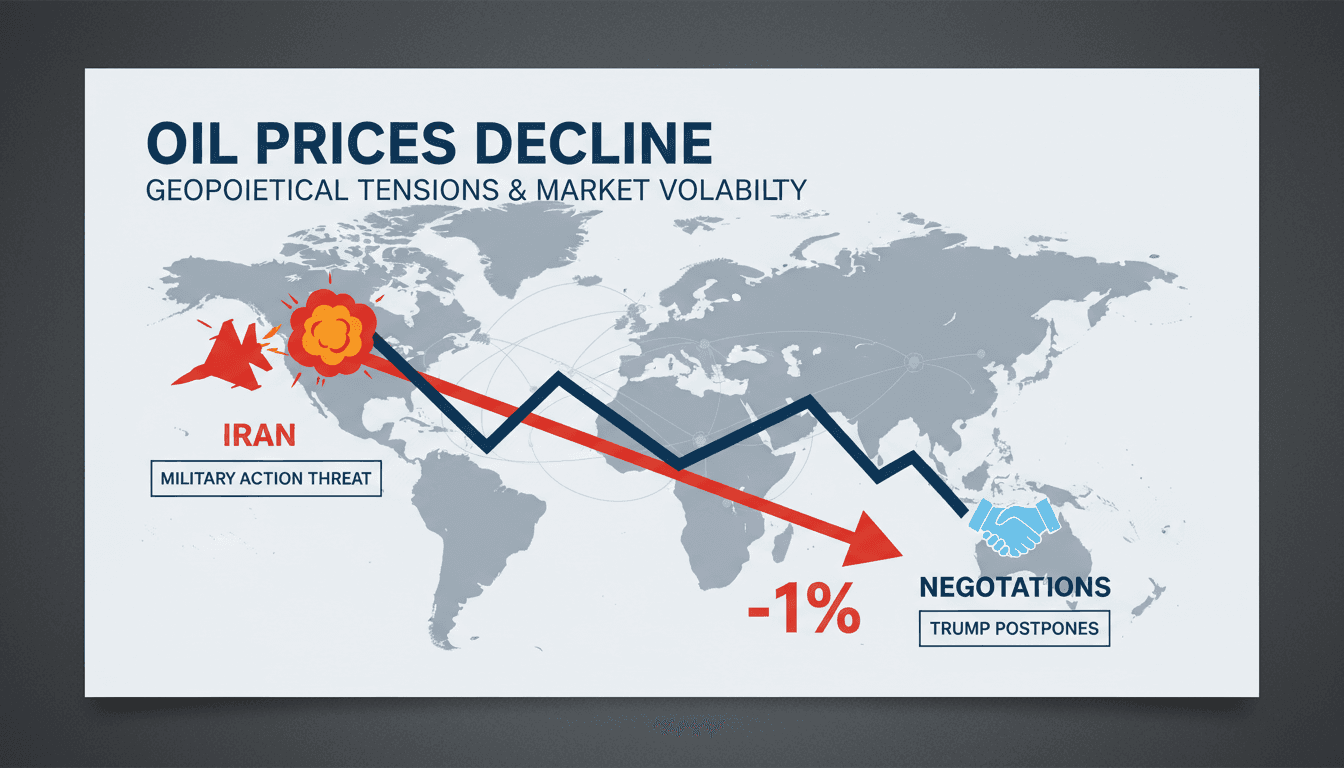
Oil prices decline following Trump's military action postponement against Iran
Oil prices dropped by more than 1% after President Trump announced the postponement of military action against Iran. This decision comes as part of an effort to allow for negotiations aimed at preventing further conflict. The long-term implication is that ongoing geopolitical tensions will continue to influence oil market volatility and pricing strategies.
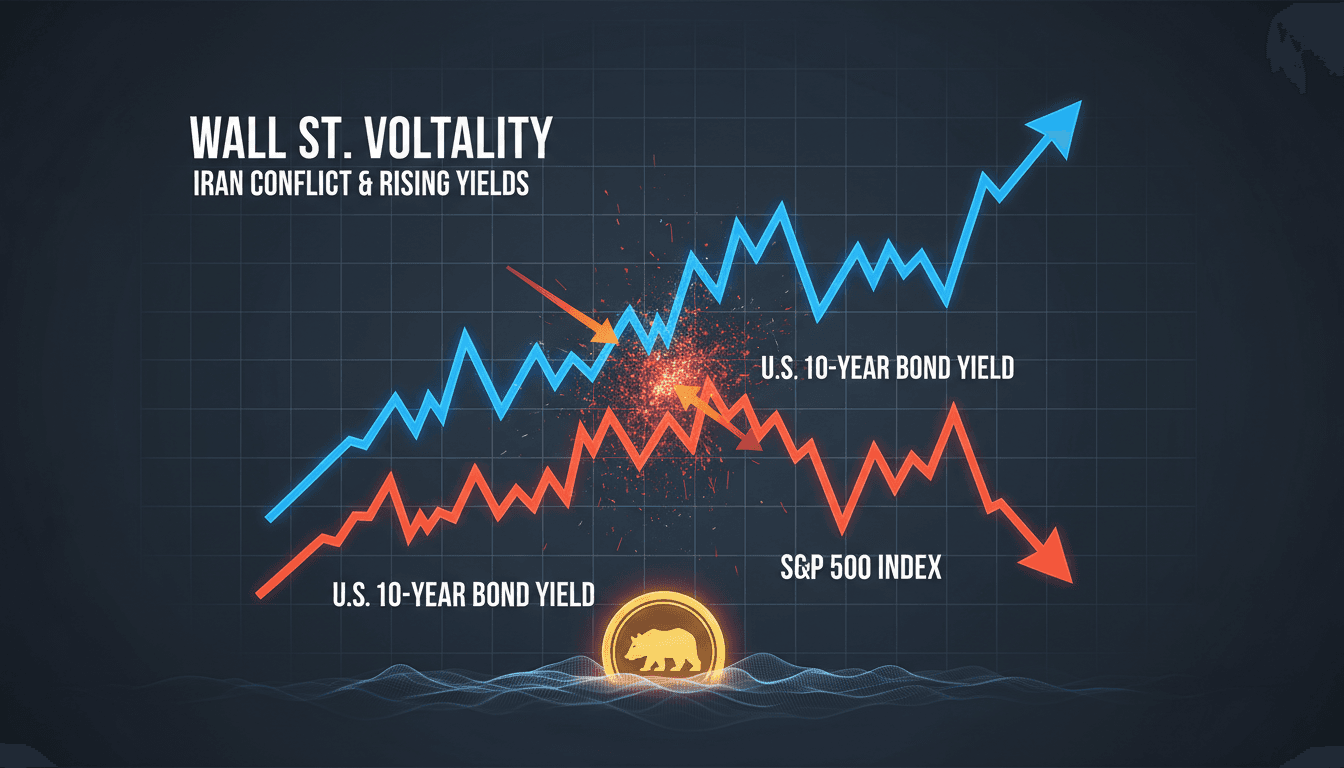
Wall Street Faces Volatility Amid Iran Conflict and Rising Bond Yields
U.S. stock markets have experienced significant fluctuations due to mixed signals regarding U.S.-Iran peace talks and rising bond yields. This volatility is triggered by ongoing geopolitical tensions and inflation fears that are affecting investor sentiment at this moment. If these conditions persist, a potential market correction could reshape investment strategies and economic forecasts in the long term.