

Bio
Andre is co-founder at A47 News. He is responsible for editorial standards and news curation, and shares commentary on AI, general technology, and global politics.
Editorial Responsibility
As Editor, I am responsible for all editorial standards, news sourcing, research, and content production.
Previous experience · 15+ years
- · Co-founder at Tiki
- · Operations Director at Rocket Internet
Education
BA Economics, University of Waikato
Areas of expertise
Categories overseen
Stories from Andre Teow’s desk
19570 stories- Tech· World
Google Launches AI-Focused Laptops to Compete in Tech Market
Google has announced the launch of Googlebooks, a new line of AI-focused laptops featuring chips from Intel, Qualcomm, and MediaTek. This initiative is driven by the growing demand for AI-integrated devices and the need for premium computing solutions. The long-term implication is an intensified competition among chip manufacturers and laptop brands, potentially leading to significant innovations in the tech industry.
3 sourcesMay 16
- Tech· World
Meta employees protest against mouse tracking software amid privacy concerns
Meta employees in the US and UK have initiated protests against the company's new mouse tracking program designed to collect data for AI training. The protests are driven by fears of privacy violations and potential job cuts as the technology is implemented. This backlash may prompt Meta and other tech companies to reevaluate their employee surveillance practices and policies in the long term.
4 sourcesMay 16
- Tech· World
Google launches Googlebook, a premium AI-powered laptop platform
Google has introduced the Googlebook, a new line of laptops that integrates Gemini AI and runs on an Android-based operating system. This launch is driven by Google's strategy to challenge the dominance of ChromeOS in the laptop market at this moment. The long-term implication is a potential reshaping of the personal computing landscape as Google seeks to attract a broader audience with enhanced AI functionality.
4 sourcesMay 16
- Tech· World
Fractile secures $220 million in Series B funding for AI chip development
Fractile, a UK-based startup, has raised $220 million to enhance its production of specialized chips for artificial intelligence applications. This funding round, led by prominent investors, reflects the increasing demand for advanced AI hardware at this pivotal moment in the tech industry. As AI technology evolves, Fractile's innovations in chip production could significantly impact the competitive landscape of AI hardware development.
4 sourcesMay 16
- Tech· World
Meta launches Incognito Chat feature on WhatsApp to enhance user privacy
Meta has introduced an 'Incognito Chat' feature for WhatsApp, allowing users to engage in private conversations with its AI chatbot. This initiative is a response to increasing privacy concerns, ensuring that messages are not stored or accessible by Meta. The long-term implication is that this move could set a new standard for privacy in AI interactions across messaging platforms, potentially influencing other tech companies to adopt similar features.
13 sourcesMay 16
- Tech· World
Humanoid signs five-year deal with Schaeffler for 1,000 wheeled robots
Humanoid has secured a significant five-year agreement with Schaeffler to supply over 1,000 wheeled humanoid robots for deployment in Schaeffler's manufacturing facilities. This partnership is driven by the growing demand for automation in manufacturing and aims to enhance Schaeffler's robotics capabilities. The long-term implication is a potential transformation of industry standards as humanoid robotics become more integrated into manufacturing processes.
3 sourcesMay 16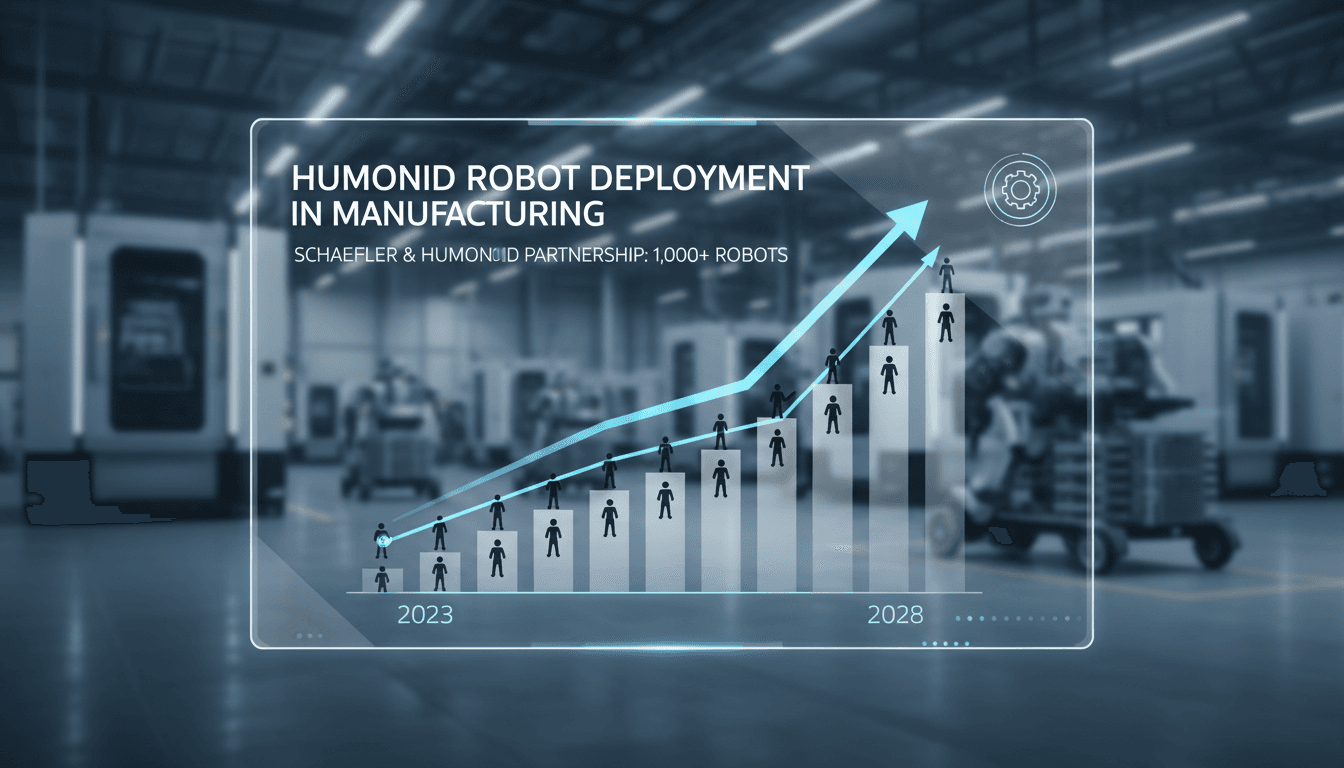
- Tech· World
Cisco announces restructuring plan to cut 4000 jobs and invest in AI
Cisco has revealed a major restructuring plan that will involve cutting up to 4,000 jobs to focus on artificial intelligence and security initiatives. This decision is triggered by a positive sales forecast that has exceeded market expectations, leading to a 15% surge in the company's stock price. In the long term, this strategic shift may enhance Cisco's competitive position in the technology sector as it pivots towards AI-driven solutions.
4 sourcesMay 16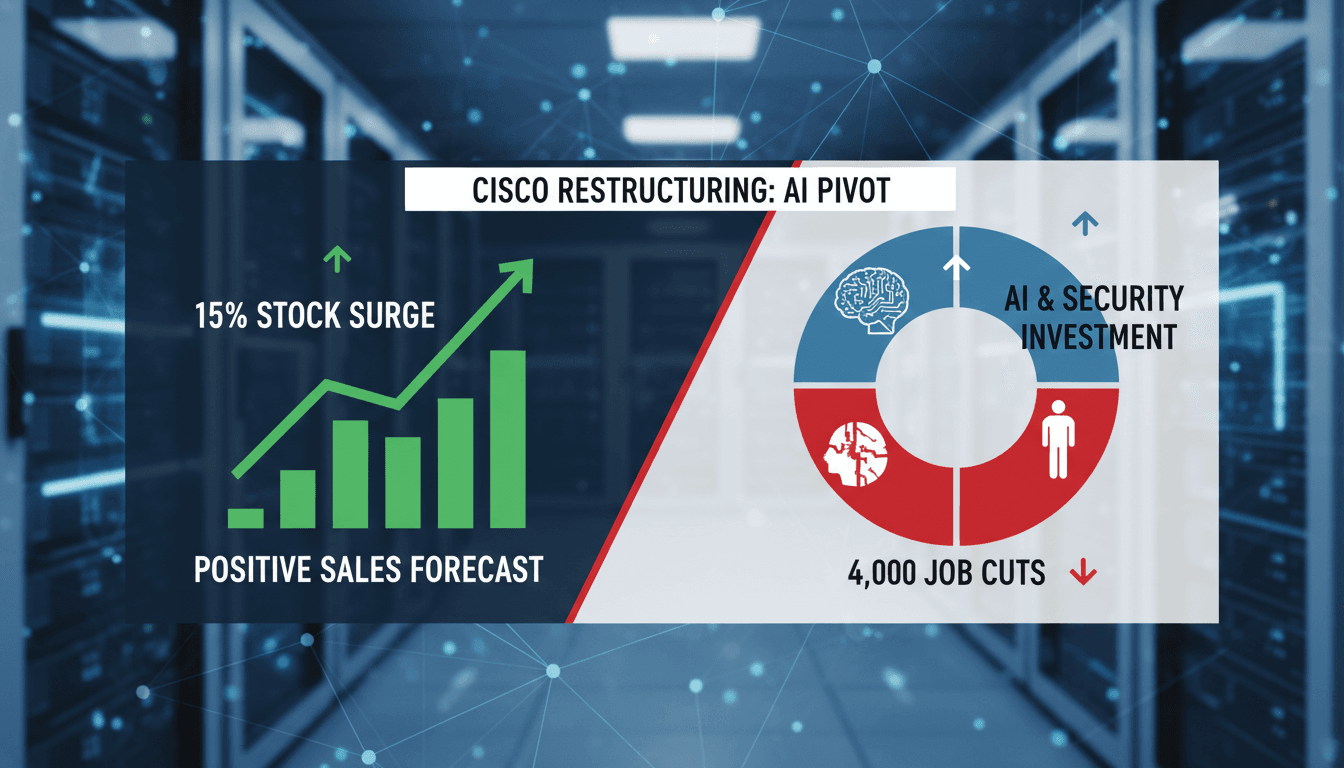
- Tech· World
Nvidia becomes first company to reach $5.5 trillion market capitalization
Nvidia has achieved a historic market capitalization of $5.5 trillion, marking a significant milestone in the tech industry. This surge follows a nearly 20% increase in its stock price over the past month, driven by positive analyst projections and strategic corporate activities. The long-term implication suggests Nvidia will continue to dominate the semiconductor market, influencing investor sentiment and stock performance in the tech sector.
3 sourcesMay 16
- World· World
Asian markets remain subdued following Trump-Xi meeting
Asian stock markets have shown a lackluster response after the recent meeting between President Trump and Chinese leader Xi Jinping. Investors are exercising caution as they await clearer signals regarding the implications of the discussions on US-China relations. The ongoing uncertainty may lead to continued market volatility as stakeholders seek direction on future economic interactions.
3 sourcesMay 16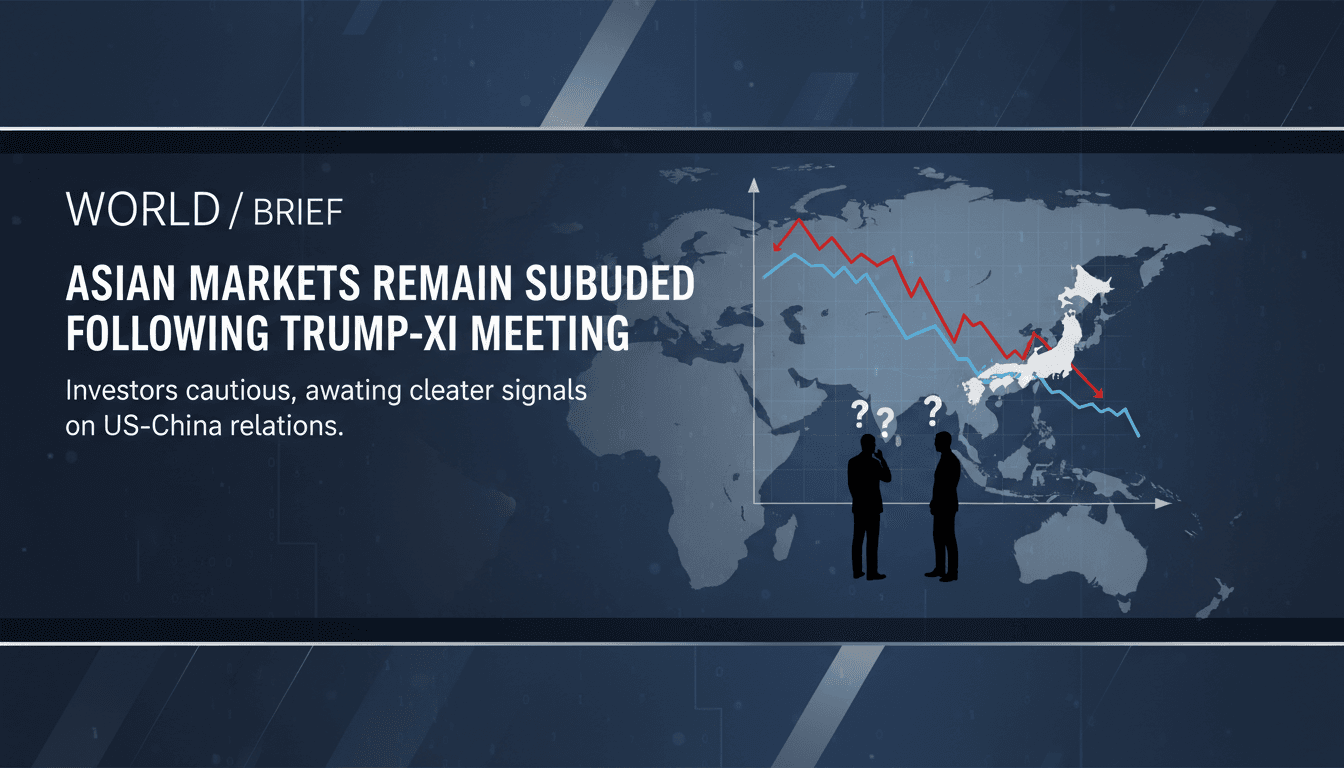
- Politics· World
U.S. War Costs in Iran Reach $29 Billion Amid Political Scrutiny
The Pentagon has reported that the cost of the U.S. war in Iran has escalated to $29 billion, marking a significant increase from previous estimates. This surge in expenses is driven by updated military equipment repairs and operational costs, coinciding with heightened political discussions as midterm elections approach. The financial burden of the conflict is likely to influence future military funding requests and public sentiment regarding U.S. foreign policy.
3 sourcesMay 16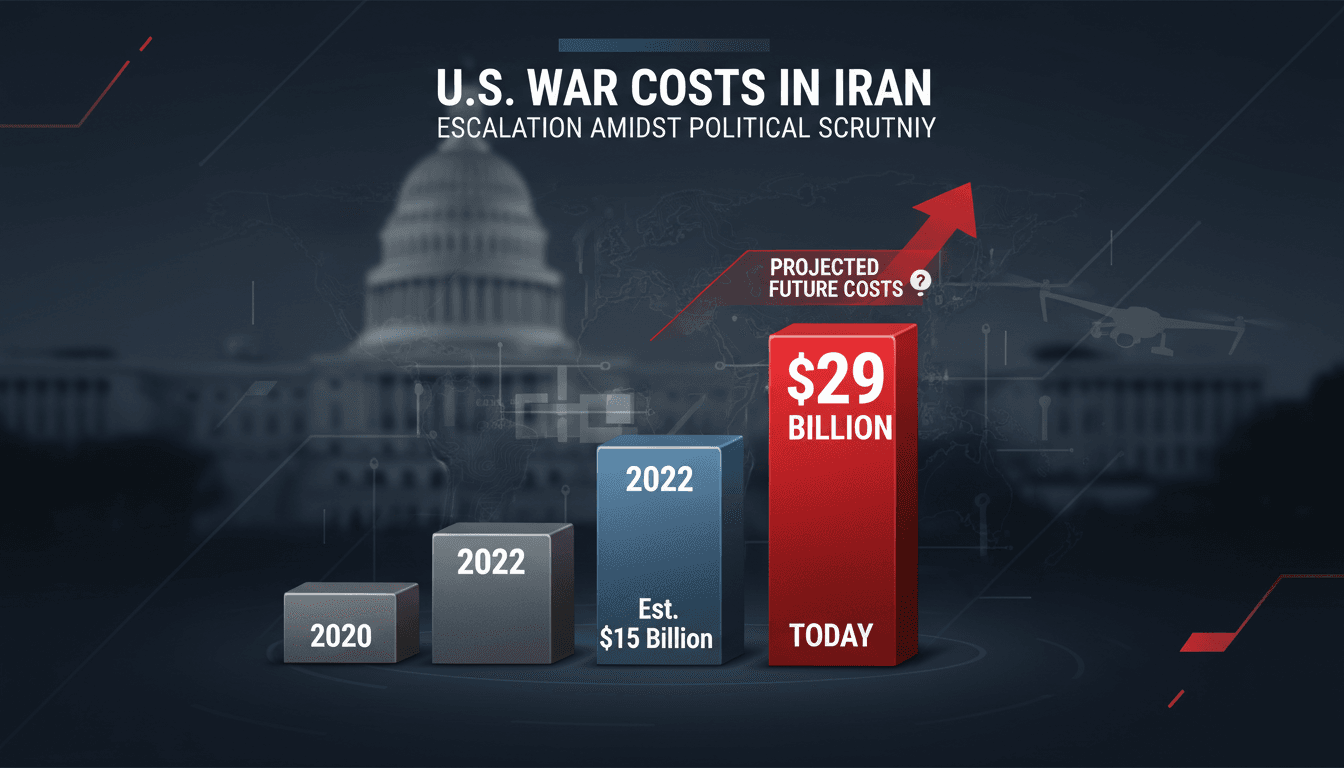
- Politics· World
Mass protests erupt in Argentina over university funding cuts
Tens of thousands of Argentines protested in Buenos Aires against President Javier Milei's significant cuts to public university budgets. This demonstration is fueled by widespread discontent among university staff and students regarding funding and wage issues, coinciding with plans for further reductions in education and health spending. The ongoing protests indicate a growing resistance to austerity measures in Argentina, particularly in the education sector, which could lead to significant policy shifts in the future.
3 sourcesMay 16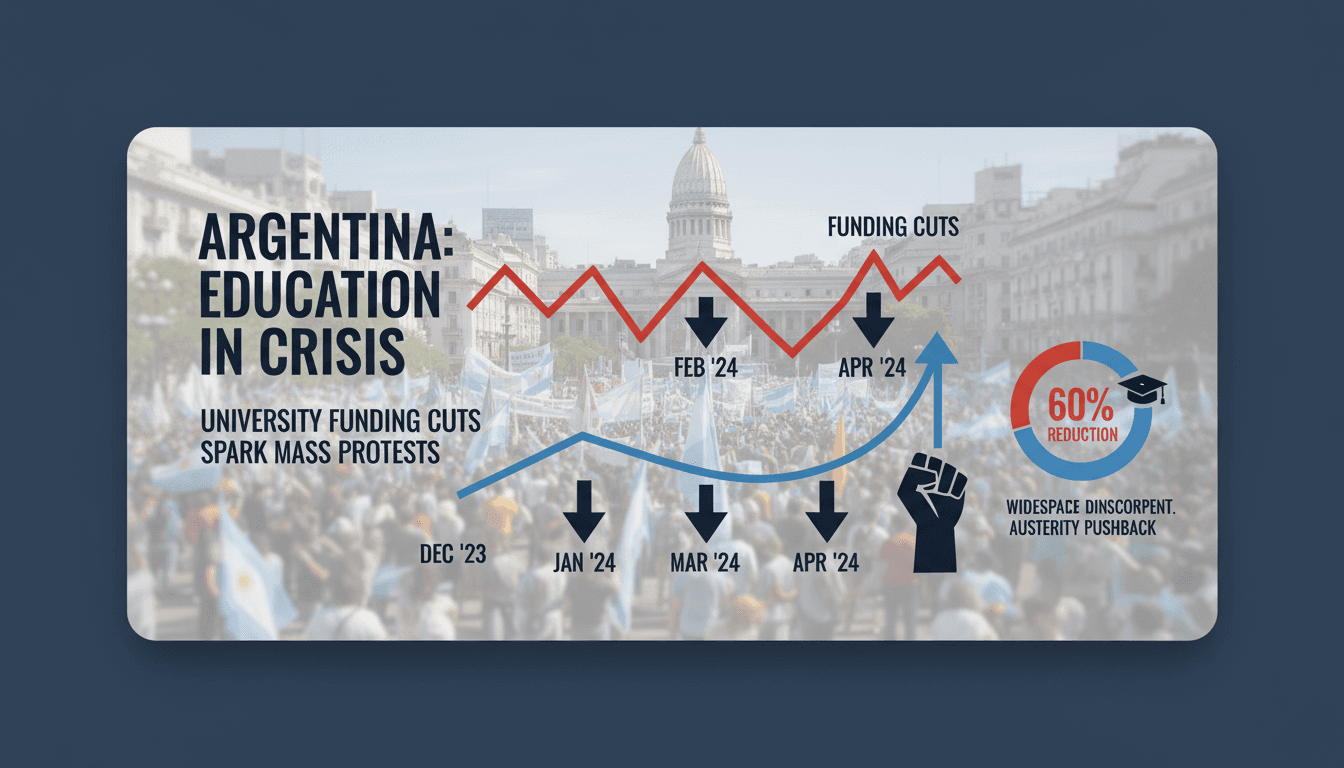
- Politics· World
Israel escalates military operations in Gaza following Iran ceasefire
Israel has significantly increased its military operations in Gaza, resulting in 120 Palestinian casualties since the ceasefire with Iran began. This escalation is triggered by concerns that Hamas is rearming during the pause in joint U.S.-Israeli operations against Iran. The long-term implication is a worsening humanitarian situation in Gaza, likely prompting international calls for intervention and renewed peace negotiations.
3 sourcesMay 16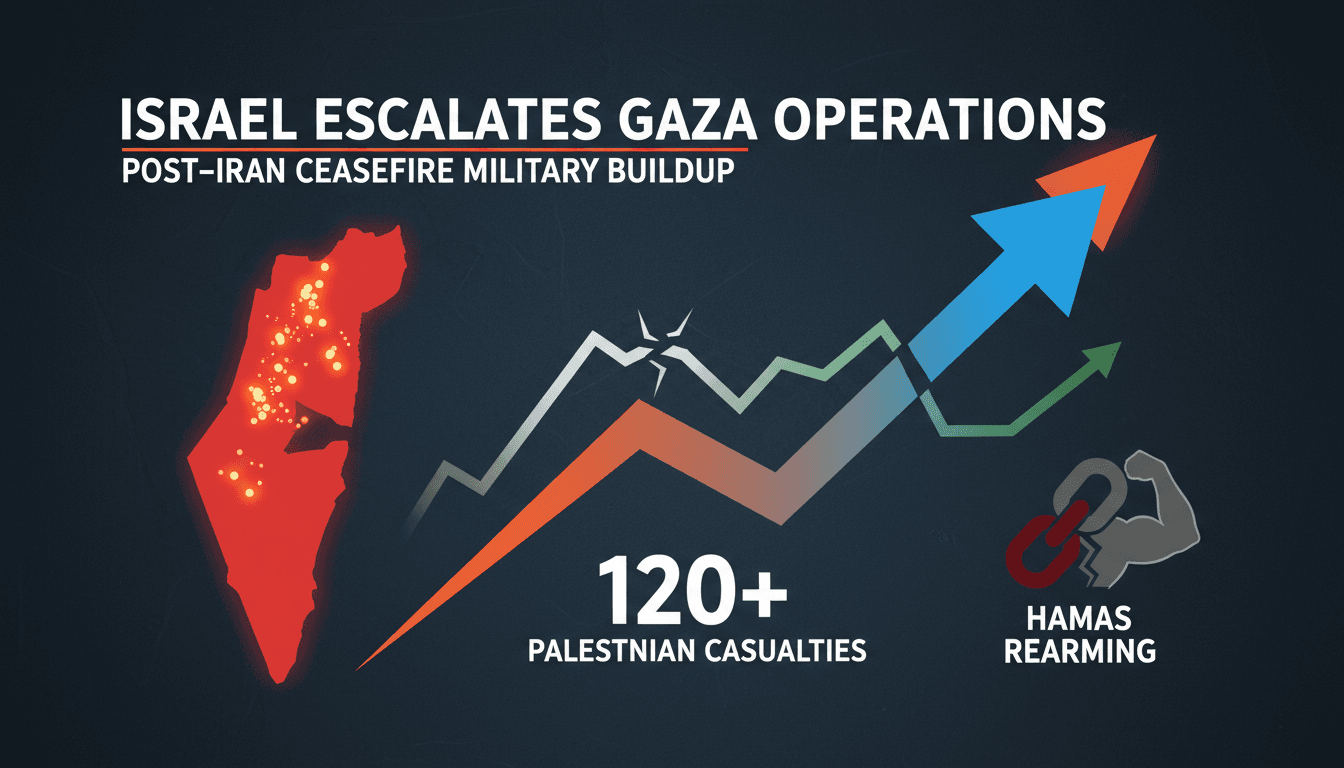
- Politics· World
UK Expands Military Presence in Strait of Hormuz Amid Rising Tensions
The UK has announced the deployment of drones, fighter jets, and a destroyer to the Strait of Hormuz to enhance security in the region. This military expansion is triggered by escalating tensions and internal political challenges facing UK leadership. The long-term implication may involve increased geopolitical dynamics and responses from regional players, particularly Iran.
3 sourcesMay 16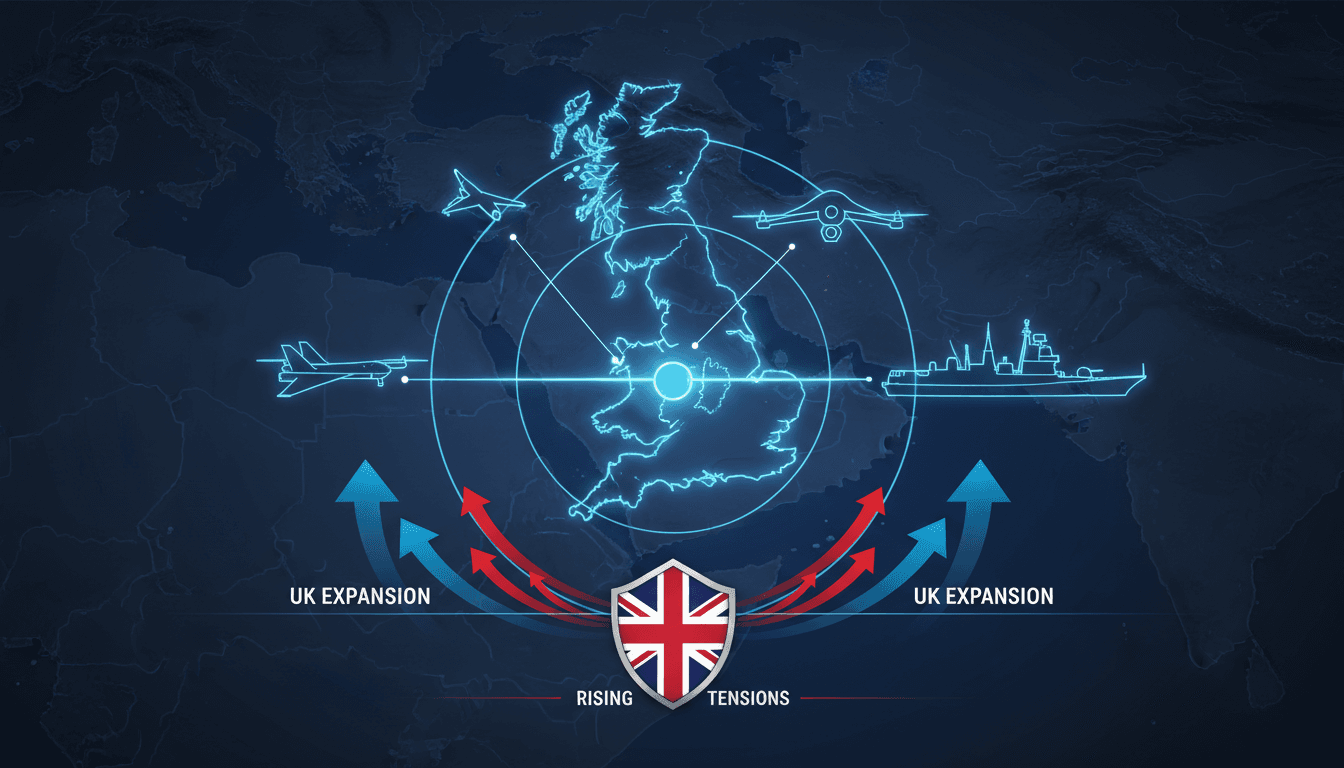
- Politics· World
Russia test-launches RS-28 Sarmat intercontinental ballistic missile
Russia has successfully conducted a test launch of its new intercontinental ballistic missile, the RS-28 Sarmat. This event is occurring amid heightened geopolitical tensions, particularly related to the ongoing war in Ukraine, as Russia seeks to modernize its nuclear arsenal. The long-term implication is an escalation in global nuclear tensions, prompting potential responses from NATO and other nations concerned about Russia's military advancements.
6 sourcesMay 16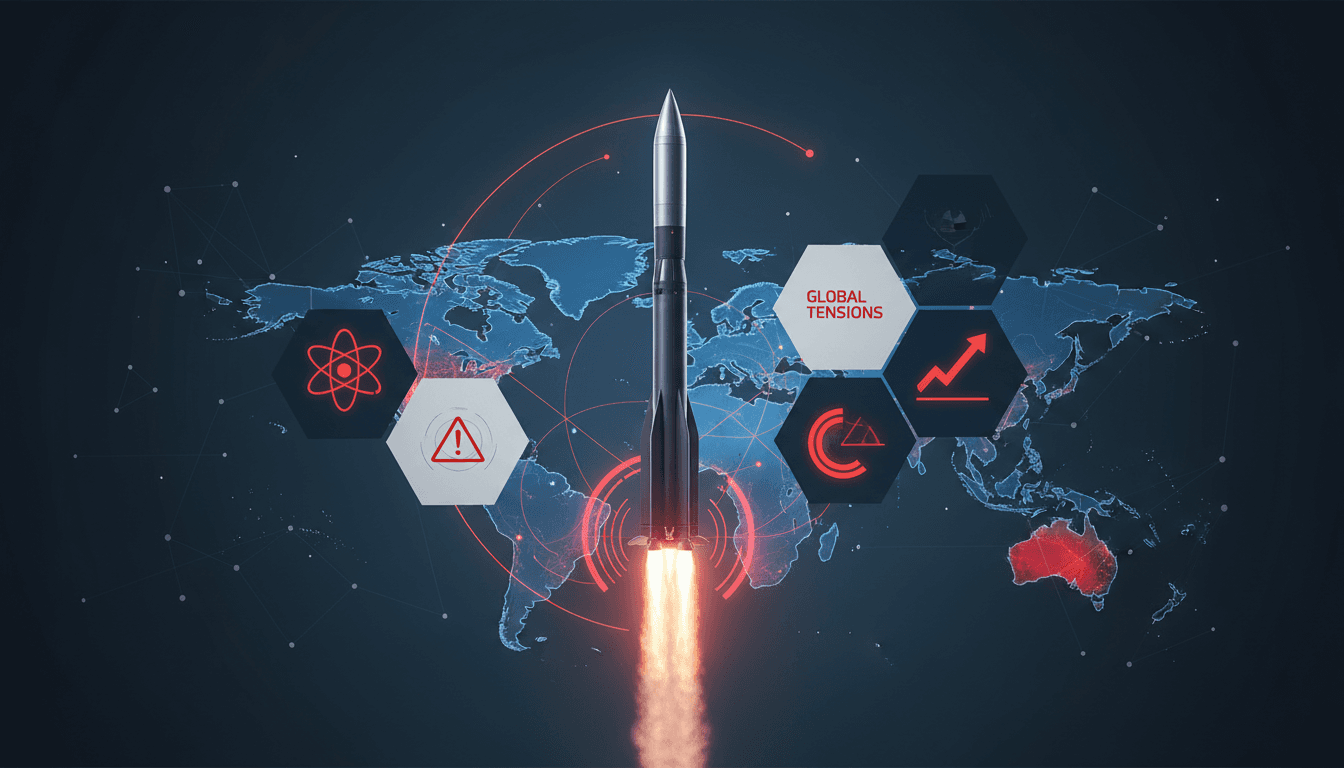
- World· World
British couple detained in Iran loses contact with family amid espionage charges
Lindsay and Craig Foreman, a British couple, have lost all communication with their family while serving a 10-year prison sentence in Iran on espionage charges. This recent development raises alarms about their safety and well-being, coinciding with growing concerns over the treatment of foreign nationals in Iranian prisons. The situation may prompt diplomatic interventions from the UK government as they seek to secure the couple's release and address broader human rights issues in Iran.
3 sourcesMay 16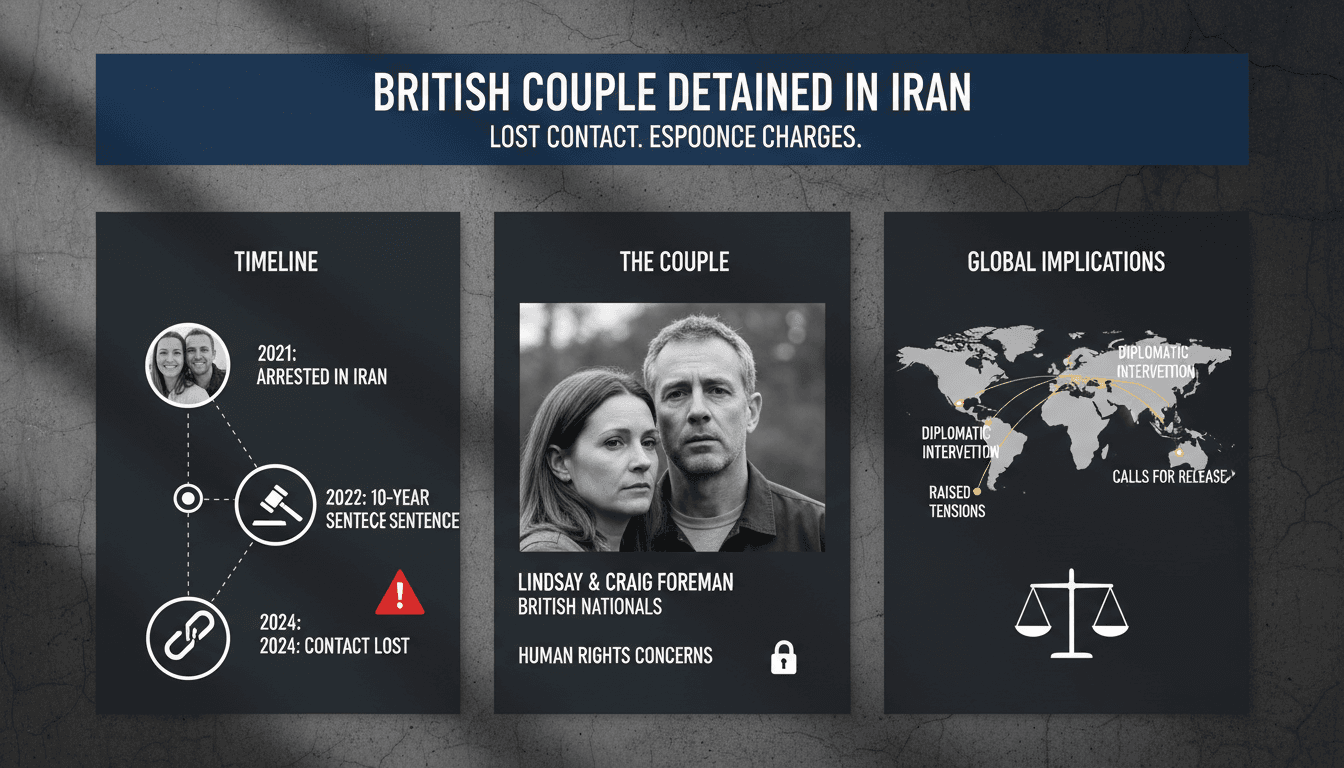
- World· MENA
Israeli airstrike kills two Lebanese paramedics amid escalating conflict
Two Lebanese paramedics were killed by an Israeli airstrike while responding to an earlier attack. This incident highlights the intensifying violence in southern Lebanon as diplomatic efforts for a ceasefire continue to falter. The long-term implication is a growing humanitarian crisis and increased calls for accountability regarding the targeting of medical personnel in conflict zones.
3 sourcesMay 16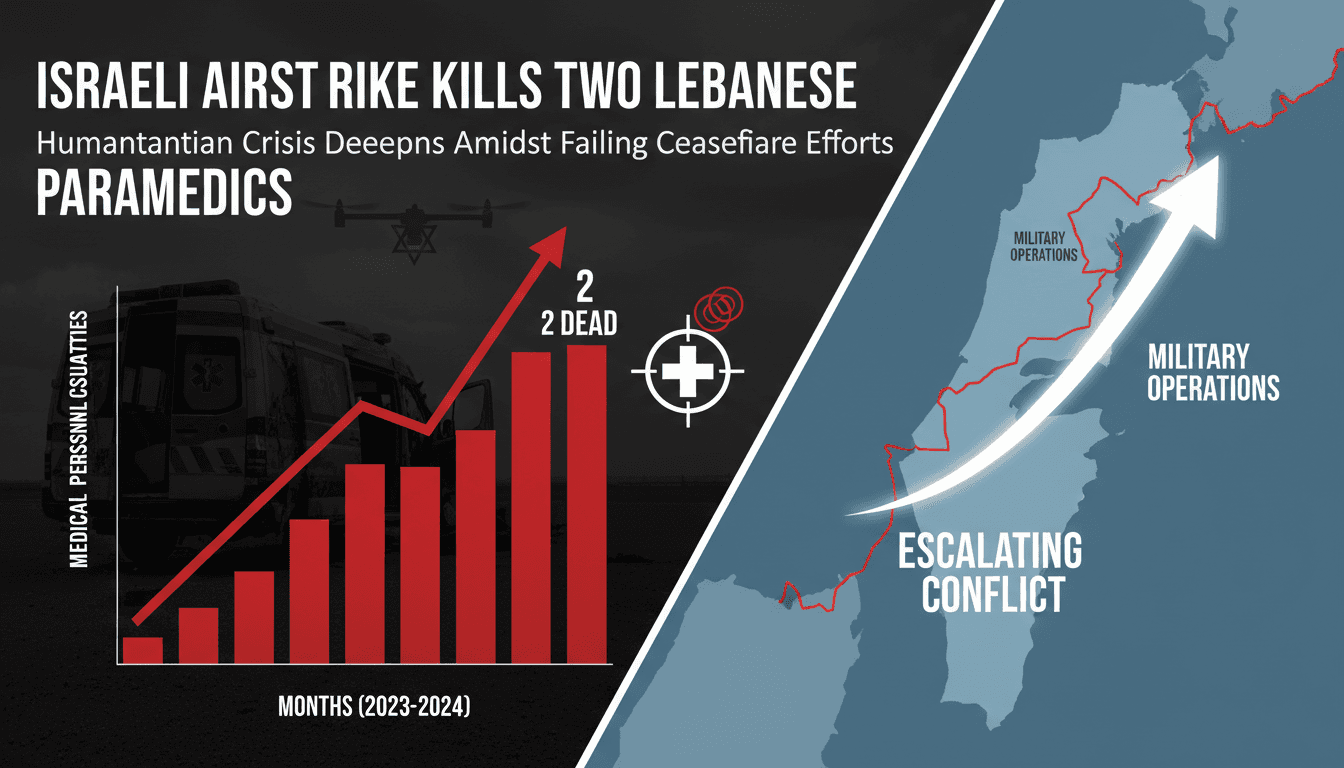
- Politics· World
King Charles III outlines UK legislative agenda amid scrutiny of Prime Minister Keir Starmer
King Charles III delivered the King's Speech detailing the UK government's legislative agenda, focusing on reforms in health, education, and legal systems. This presentation comes as Prime Minister Keir Starmer faces leadership challenges following significant local election losses, prompting urgent reforms. The success of these initiatives will be critical for Starmer's political future and the Labour Party's stability.
8 sourcesMay 16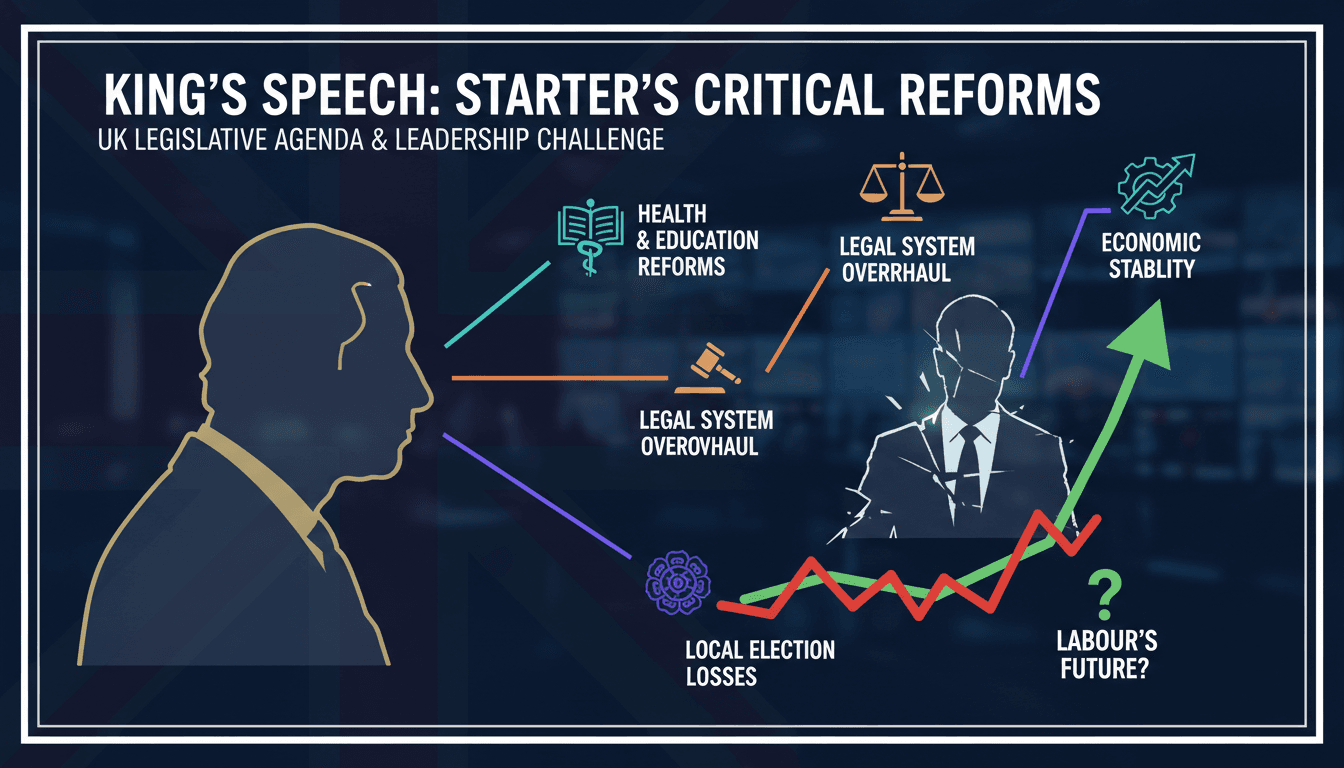
- World· World
Trump and Xi hold critical summit in Beijing to address trade and technology issues
President Trump and President Xi met in Beijing for a two-hour summit focused on trade, technology, and rare earths. This meeting is driven by ongoing concerns regarding China's control over rare earth exports and their impact on US industries. The outcomes of this summit are likely to shape future US-China economic relations and influence market dynamics in the coming months.
3 sourcesMay 16
- Politics· World
Mladenov Calls for Hamas Disarmament as Key to Gaza Reconstruction
Nickolay Mladenov has urged Hamas to disarm as a prerequisite for the reconstruction of Gaza. This call comes amid ongoing humanitarian crises and the need for a stable governance structure in the region. The long-term implication is that without disarmament, the reconstruction efforts may face insurmountable challenges, prolonging the humanitarian situation for millions in Gaza.
3 sourcesMay 16
- Politics· World
Prince Harry addresses rising antisemitism in the UK linked to Gaza conflict
Prince Harry has raised alarms about the alarming increase in antisemitism in the UK during a recent speech. This surge is reportedly connected to public reactions to the ongoing conflict in Gaza, prompting Harry to emphasize the need for clarity in protests. The long-term implication is that the discourse around protests and hate speech will likely continue to evolve as global conflicts persist.
3 sourcesMay 16