
Bio
Andre is co-founder at A47 News. He is responsible for editorial standards and news curation, and shares commentary on AI, general technology, and global politics.
Editorial Responsibility
As Editor, I am responsible for all editorial standards, news sourcing, research, and content production.
Previous experience · 15+ years
- · Co-founder at Tiki
- · Operations Director at Rocket Internet
Education
BA Economics, University of Waikato
Areas of expertise
Categories overseen
Stories from Andre Teow’s desk
19570 stories- Politics· World
U.S. Vice President announces progress in Iran negotiations amid military blockade
U.S. Vice President JD Vance reported advancements in diplomatic talks with Iran regarding ongoing hostilities. This development follows President Trump's rejection of Iran's latest proposal, highlighting the complexities of U.S.-Iran relations. The situation suggests that continued diplomatic efforts will be crucial in shaping future interactions and regional stability.
6 sourcesMay 16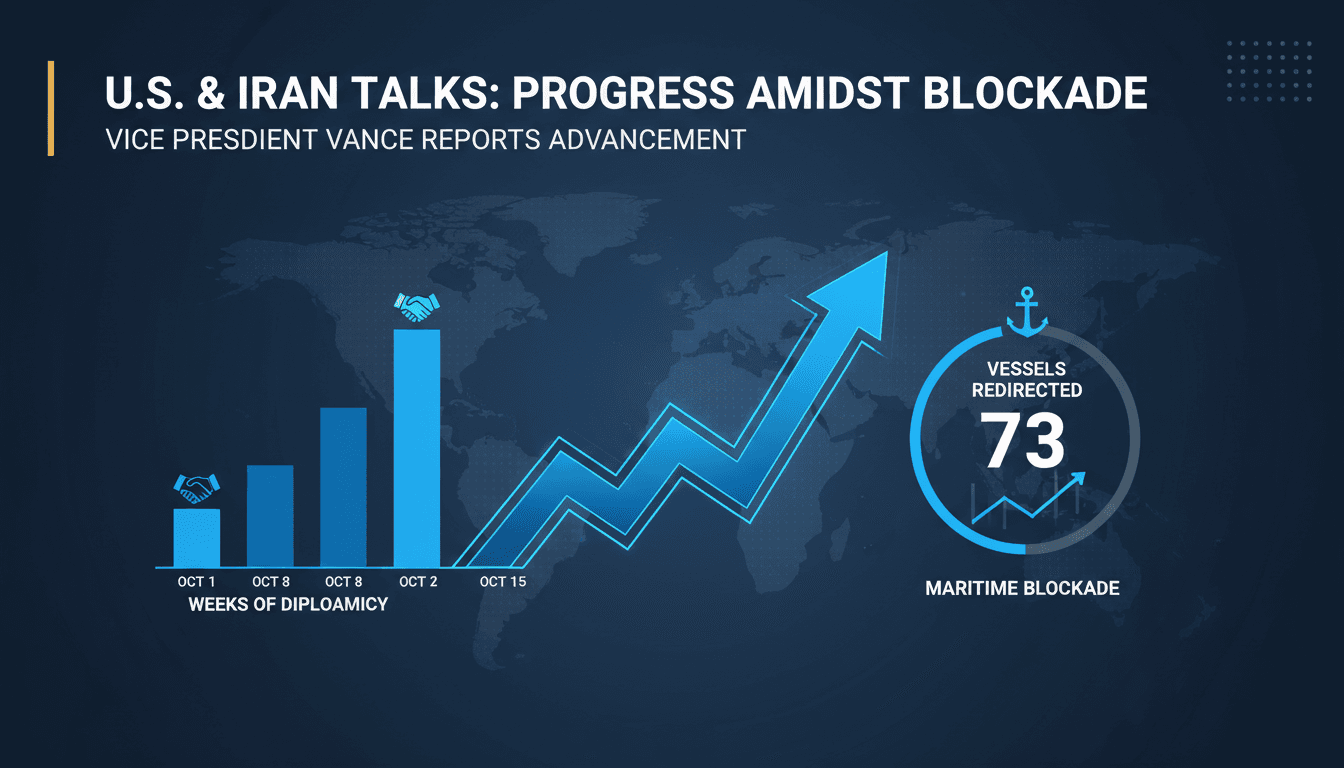
- Politics· World
Philippine Senator Ronald dela Rosa Evades Arrest Amid Senate Gunfire
Senator Ronald dela Rosa has fled the Philippine Senate after evading arrest related to a warrant issued by the International Criminal Court for alleged human rights violations. His escape coincided with reports of gunfire within the Senate, highlighting a volatile political environment. This incident raises significant concerns about accountability for political figures in the Philippines and may lead to increased international scrutiny of the country's human rights record.
3 sourcesMay 16
- World· World
Three women's bodies recovered from the sea off Brighton prompting police investigation
The bodies of three women were discovered in the sea near Brighton on May 13, 2026. Sussex Police believe they have identified the women but have not released their names, leading to an ongoing investigation into the circumstances surrounding their deaths. As the investigation unfolds, further details may emerge regarding the circumstances of the women's deaths and their identities.
3 sourcesMay 16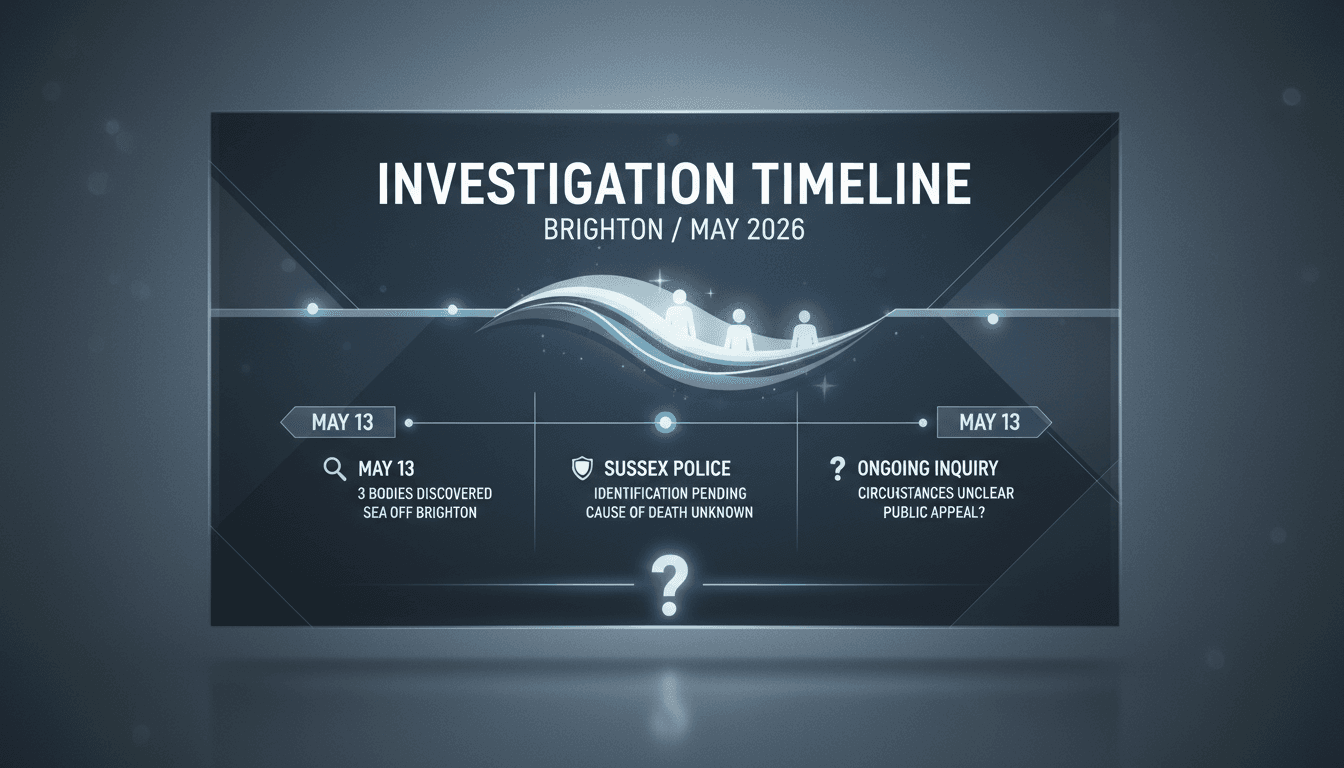
- Politics· MENA
Iraq's parliament approves new government under Prime Minister Ali al-Zaidi
Iraq's parliament has granted confidence to Prime Minister Ali al-Zaidi's government, confirming 14 ministers amid ongoing political deadlock. The immediate cause for this development is the culmination of months of negotiations and external pressures from both the US and Iran. The long-term implication is that the incomplete government may struggle to achieve stability and governance as it seeks to fill remaining ministerial positions and address political factionalism.
13 sourcesMay 16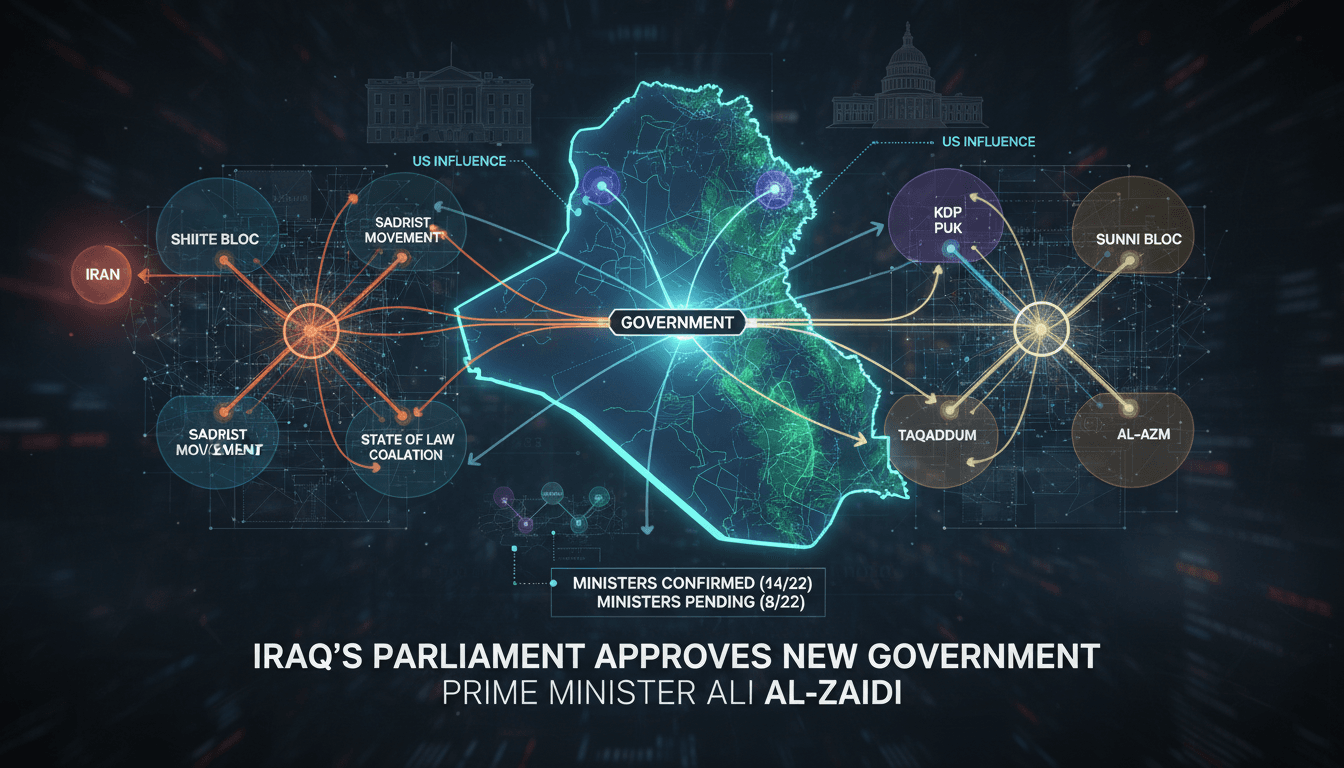
- World· World
US Air Force rescues 11 survivors from private plane crash in Atlantic Ocean
A private plane carrying 11 Bahamians crashed into the Atlantic Ocean off the coast of Florida. The US Air Force conducted a rescue operation, successfully retrieving the survivors who had been stranded on a life raft for several hours. This incident may prompt discussions on improving safety measures for private aviation and the importance of emergency preparedness in maritime operations.
3 sourcesMay 16
- Politics· World
Wes Streeting prepares leadership challenge against Keir Starmer amid Labour Party turmoil
Wes Streeting, the UK's Health Secretary, is set to resign and launch a leadership challenge against Prime Minister Keir Starmer. This move is driven by growing dissatisfaction with Starmer's leadership within the Labour Party, prompting potential candidates to emerge in opposition to Streeting. The outcome of this challenge could significantly reshape the leadership dynamics and direction of the Labour Party in the long term.
8 sourcesMay 16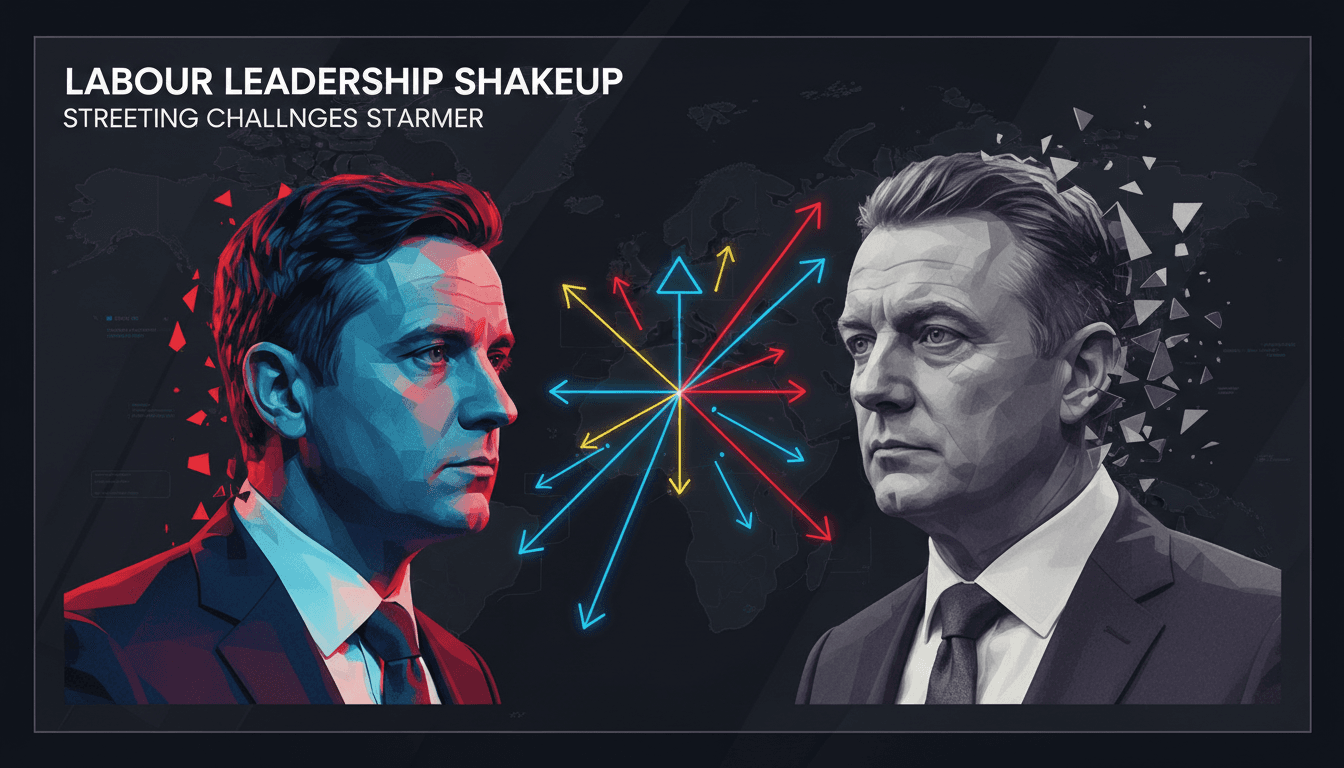
- Politics· World
U.S. Military Operations Have Degraded Iran's Military Capabilities by 90%
U.S. military operations have significantly reduced Iran's military threat to its neighbors and U.S. interests. This shift is attributed to recent bombings that have crippled Iran's defense industry and its ability to support allied groups. The long-term implication is a potential reshaping of the balance of power in the Middle East, necessitating close monitoring of Iran's responses and regional stability.
3 sourcesMay 16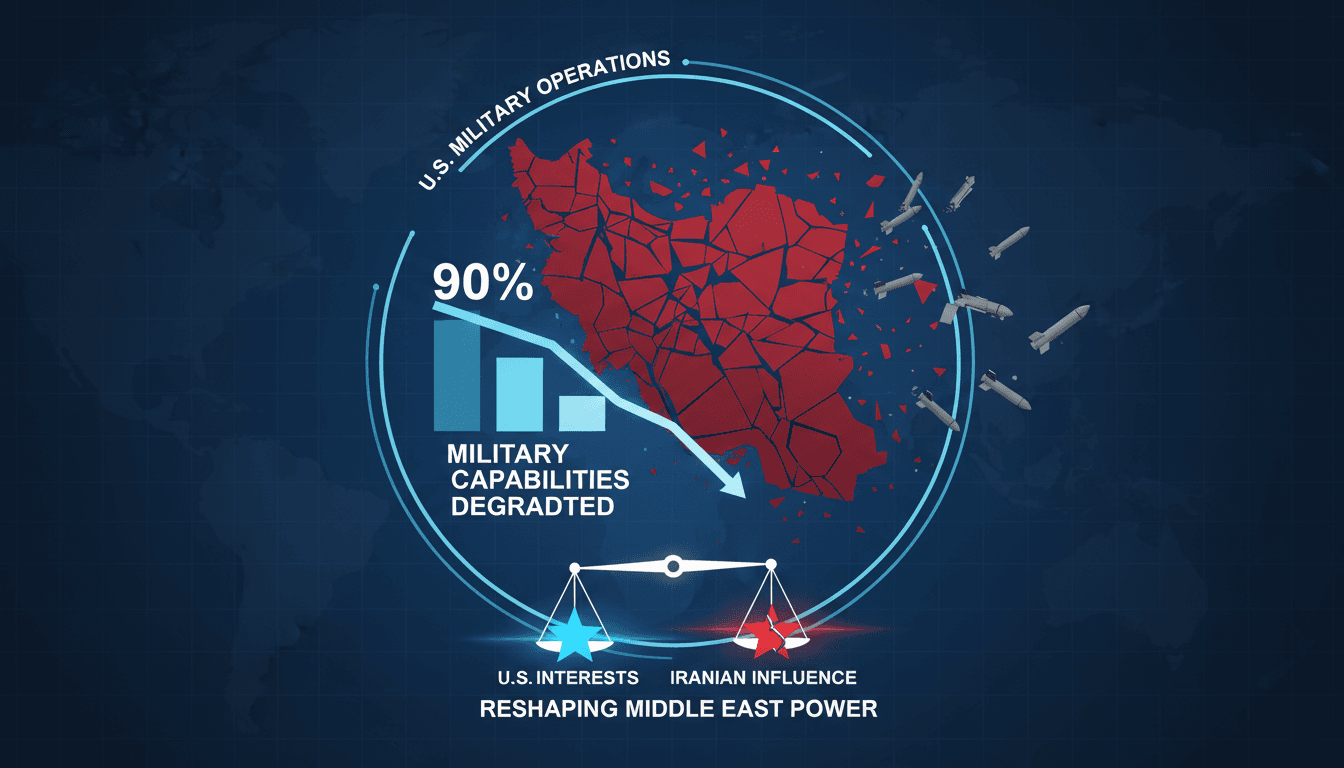
- Politics· World
Israeli Nationalists March in Jerusalem Day Event Amid Rising Tensions
Thousands of Israeli nationalists marched through Jerusalem's Old City, chanting anti-Palestinian slogans and threats. The participation of national security minister Itamar Ben-Gvir and the increasing extremism displayed during the event have escalated tensions at this moment. This trend suggests a challenging path ahead for peace and coexistence in the region, with potential for increased violence and unrest in the future.
6 sourcesMay 16
- Politics· World
Keir Starmer Faces Intensified Pressure to Resign Amid Labour Party Crisis
Keir Starmer is under increasing pressure to resign as Prime Minister following a week of political turmoil within the Labour Party. This situation has been triggered by a recent Cabinet resignation and growing dissent from MPs and unions, leading to speculation about a potential leadership contest. The long-term implication could see the Labour Party undergoing significant changes in leadership, impacting its future direction and governance.
5 sourcesMay 16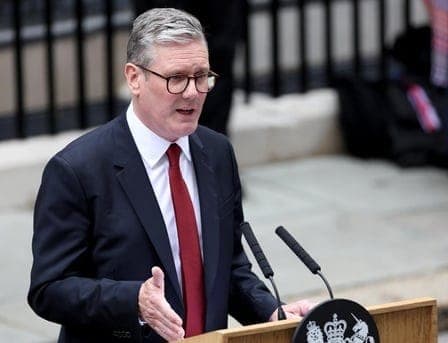
- Politics· World
UK government criticized for withholding Peter Mandelson's vetting file
The UK government is facing scrutiny for allegedly unlawfully withholding Peter Mandelson's vetting file, as asserted by the intelligence and security committee. This controversy has arisen at a critical moment as the government prepares to release additional documents related to Mandelson's appointment as US ambassador. The anticipated release of these files could significantly impact political accountability and leadership dynamics in the UK.
3 sourcesMay 16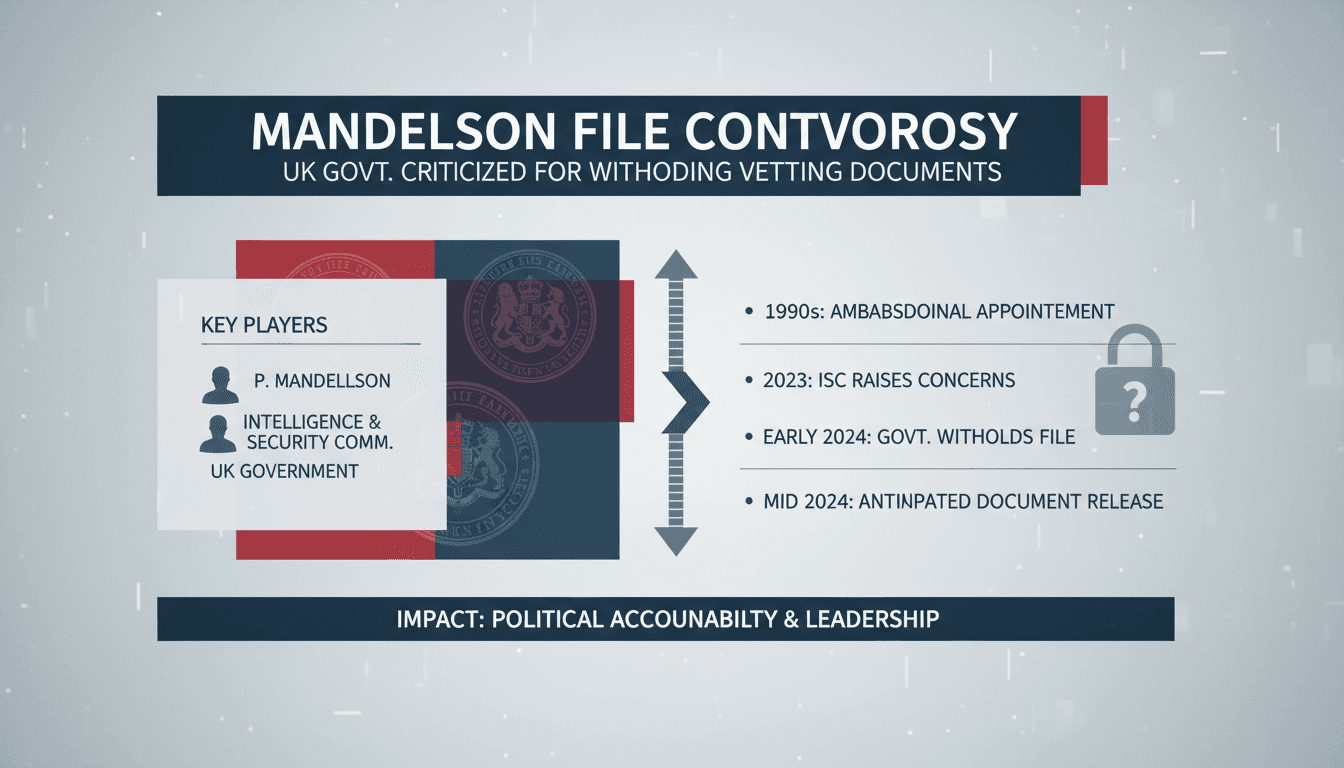
- Politics· World
Former Ukrainian Chief of Staff Andriy Yermak Arrested in Corruption Scandal
Andriy Yermak, the former chief of staff to Ukrainian President Volodymyr Zelensky, has been arrested for allegedly laundering over $10 million through a luxury real estate project. This arrest comes amidst ongoing scrutiny of Ukraine's anti-corruption efforts and raises significant concerns about the integrity of its government. The long-term implications could include further investigations into Zelensky's administration and a potential decline in public trust in government institutions.
4 sourcesMay 16
- Politics· MENA
Lebanon and Israel engage in peace talks amid escalating violence
Lebanon and Israel have initiated peace talks in Washington as violence intensifies, with Israeli airstrikes causing significant casualties in Lebanon. The immediate trigger for these discussions is the nearing end of a fragile ceasefire, exacerbated by Hezbollah's retaliatory drone strikes against Israeli forces. The outcome of these negotiations is critical for the long-term stability of the region, with potential for renewed conflict if talks fail.
3 sourcesMay 16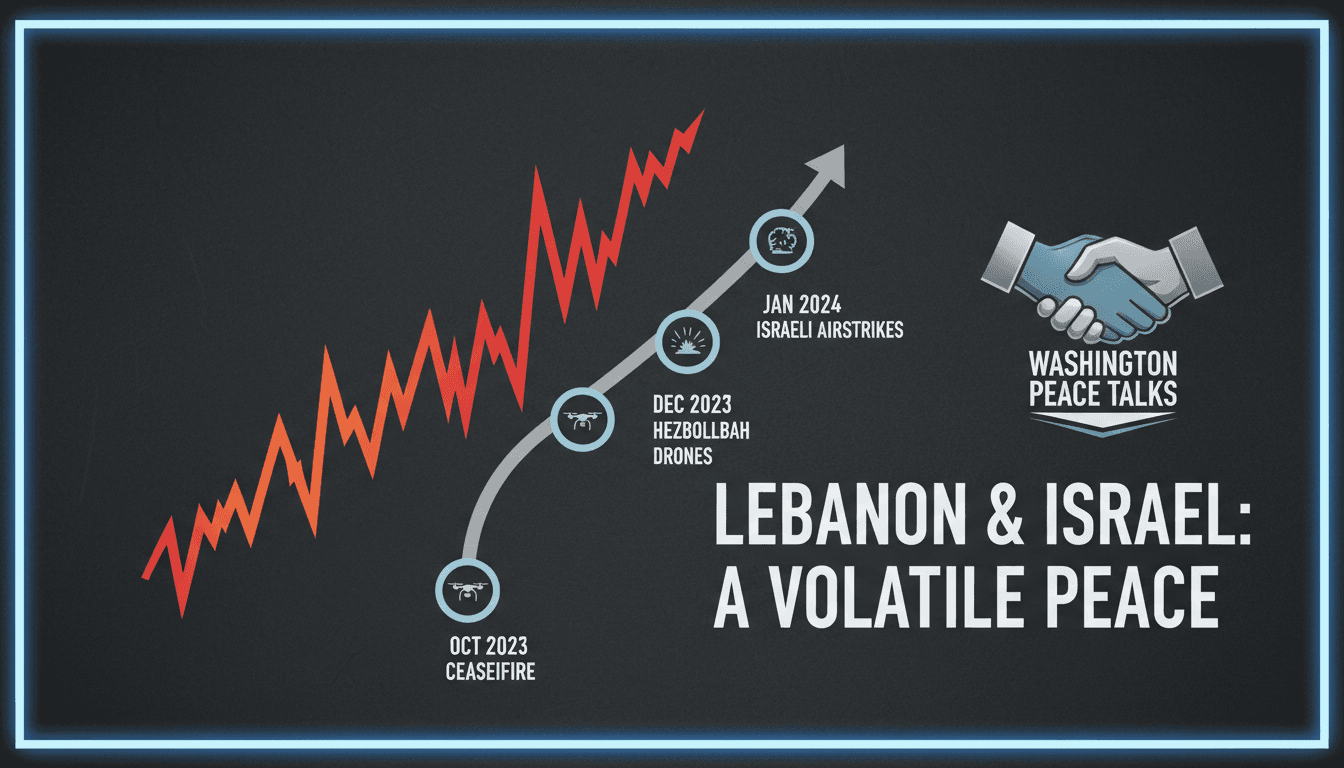
- Politics· World
Cost of Trump's Golden Dome Missile Defense System Soars to $1.2 Trillion
The Congressional Budget Office has reported that the projected cost of President Trump's 'Golden Dome' missile defense system has escalated to $1.2 trillion over the next 20 years. This significant increase from the initial estimate of $175 billion is raising concerns about the system's effectiveness against comprehensive missile threats. As costs continue to rise, the program is likely to become a central topic of political debate, influencing future defense budgets and military policy decisions.
4 sourcesMay 16
- World· World
Marco Rubio visits China under sanctions with name alteration facilitating entry
US Secretary of State Marco Rubio has made a historic visit to China, circumventing Chinese sanctions through a change in the transliteration of his name. This diplomatic maneuver comes amid ongoing US-China tensions and highlights a potential thaw in relations as both nations engage in discussions on trade and geopolitical issues. The successful navigation of sanctions may set a precedent for future diplomatic engagements, indicating a willingness from both sides to maintain dialogue despite underlying tensions.
4 sourcesMay 16 - Tech· World
Waymo recalls nearly 4000 driverless robotaxis due to software glitch
Waymo has announced a voluntary recall of nearly 4,000 of its driverless vehicles following a software malfunction that caused a vehicle to enter a flooded road in San Antonio, Texas. This recall is triggered by safety concerns and an ongoing investigation by the National Highway Traffic Safety Administration. In the long term, Waymo must enhance its software reliability to maintain public trust and secure regulatory approval for its autonomous technology.
3 sourcesMay 16
- Politics· World
Kylian Mbappé criticizes far-right National Rally party ahead of French presidential election
Kylian Mbappé has publicly expressed concerns about the rising influence of the far-right National Rally party in France. This criticism comes as the country approaches a pivotal presidential election, prompting strong backlash from party leaders. The ongoing dialogue between sports figures and political leaders is likely to shape public sentiment and voter engagement in the upcoming election.
3 sourcesMay 16
- World· World
Trump's Visit to China Influences Mixed Market Reactions and Steady Oil Prices
President Trump's arrival in China for discussions with Xi Jinping has led to mixed trading on Wall Street and stable oil prices. This moment is driven by investor uncertainty regarding the outcomes of the U.S.-China trade talks amidst ongoing geopolitical tensions. The long-term implication suggests that market direction will heavily depend on the results of these meetings and any potential trade agreements that may follow.
6 sourcesMay 16
- World· World
U.S. drug overdose deaths decline for third consecutive year in 2025
In 2025, drug overdose deaths in the U.S. fell by 14% compared to the previous year, totaling approximately 70,000 fatalities. This decline is attributed to a decrease in fentanyl and opioid-related deaths, reflecting a return to prepandemic levels. However, experts warn that ongoing changes in drug supply and policy may affect future overdose rates.
3 sourcesMay 16
- Politics· World
Senate Rejects Resolution to End US Military Involvement in Iran
The Senate voted 49-50 against a resolution aimed at ending U.S. military involvement in Iran. This vote reflects a significant division among Republicans regarding President Trump's military strategy at this critical moment. As fractures within the Republican Party become more pronounced, future legislative efforts to address U.S. military actions abroad may gain traction.
3 sourcesMay 16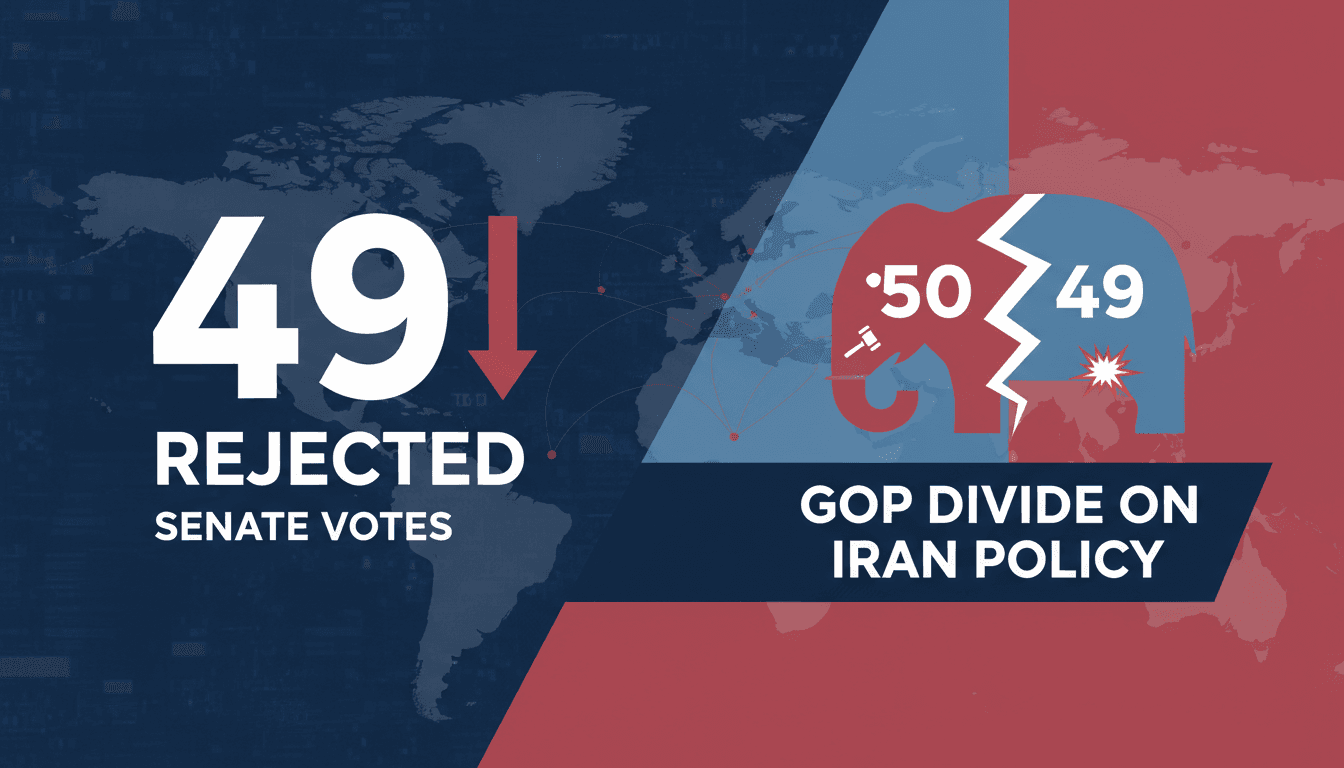
- Politics· World
House Forces Vote on Ukraine Aid Bill Amid Bipartisan Support
Supporters of a Ukraine aid bill have successfully gathered 218 signatures to force a vote in the House of Representatives. This action reflects a growing bipartisan consensus among lawmakers to support Ukraine despite opposition from Republican leadership. The outcome of this vote could significantly influence U.S. foreign policy and its ongoing support for Ukraine in the conflict with Russia.
4 sourcesMay 16