Bio
Andre is co-founder at A47 News. He is responsible for editorial standards and news curation, and shares commentary on AI, general technology, and global politics.
Editorial Responsibility
As Editor, I am responsible for all editorial standards, news sourcing, research, and content production.
Previous experience · 15+ years
- · Co-founder at Tiki
- · Operations Director at Rocket Internet
Education
BA Economics, University of Waikato
Areas of expertise
Categories overseen
Stories from Andre Teow’s desk
19727 stories- Politics· UAE
UAE and Russia Strengthen Bilateral Cooperation Through High-Level Meeting
Sheikh Mansour bin Zayed Al Nahyan met with the Russian Deputy Prime Minister in Abu Dhabi to discuss enhancing bilateral cooperation. This meeting reflects the UAE's ongoing diplomatic strategy to forge stronger international partnerships at this critical juncture. The outcomes of this dialogue could lead to significant collaborations across various sectors, positioning the UAE as a key player in global affairs.
3 sourcesMay 2Low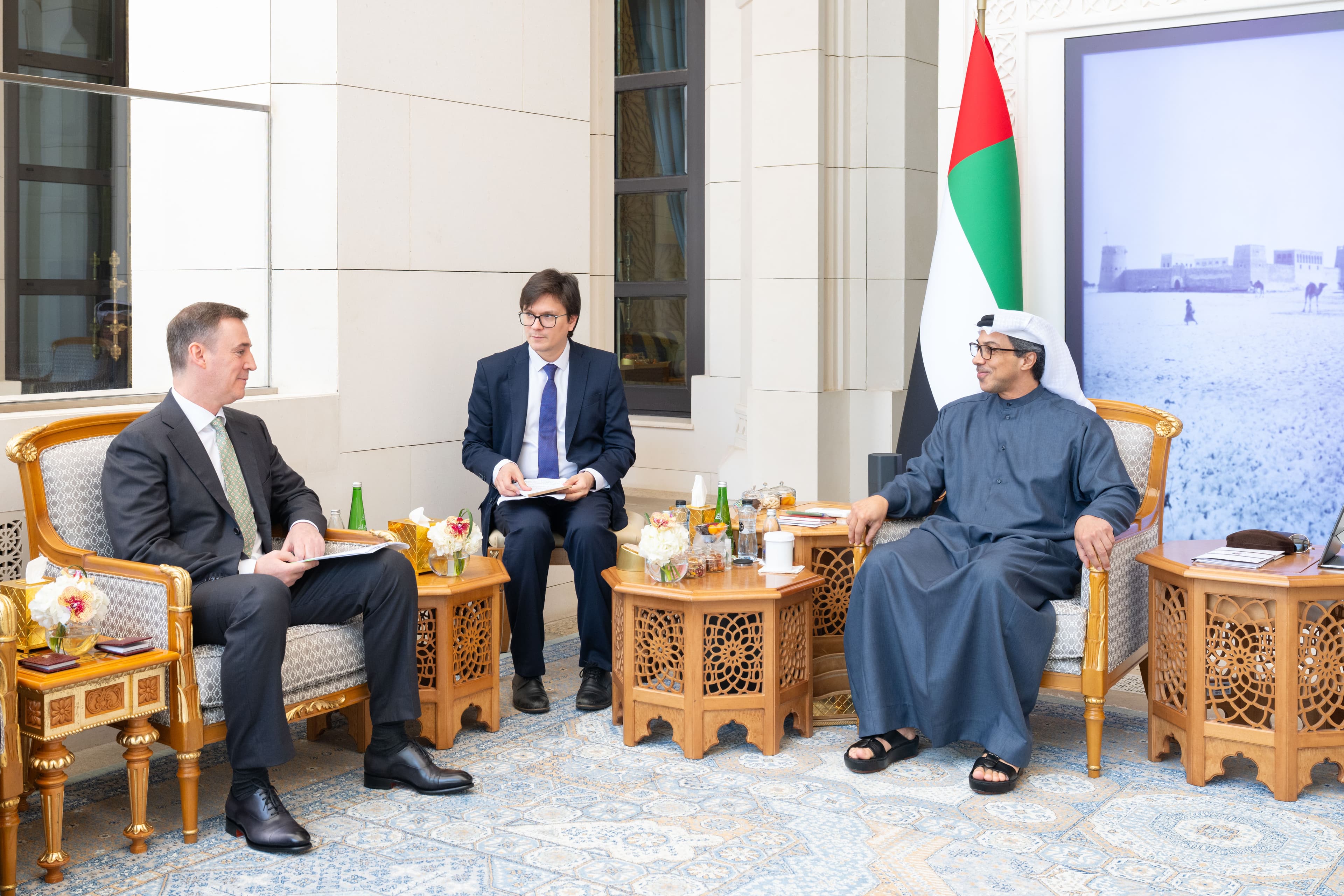
- Politics· UAE
UAE and Bahrain dismantle major drug trafficking network leading to 13 arrests
A joint operation by the UAE National Anti-Narcotics Agency and police forces from Dubai, Sharjah, and Bahrain has resulted in the arrest of 13 suspects involved in a drug trafficking network. This operation was triggered by extensive surveillance and coordination among multiple law enforcement agencies, culminating in the seizure of narcotics valued at approximately AED 3.3 million. The long-term implication is likely to be increased international cooperation in drug enforcement as the UAE intensifies its efforts to combat drug trafficking.
4 sourcesMay 2Low
- Politics· World
Trump Receives Military Briefing on Potential Actions Against Iran
President Donald Trump has been briefed on military options regarding Iran as negotiations stall. The briefing, led by Admiral Brad Cooper, comes amid escalating tensions and includes plans for potential strikes on critical Iranian infrastructure. This shift towards military readiness suggests a possible escalation in U.S. involvement if diplomatic efforts fail.
3 sourcesMay 2High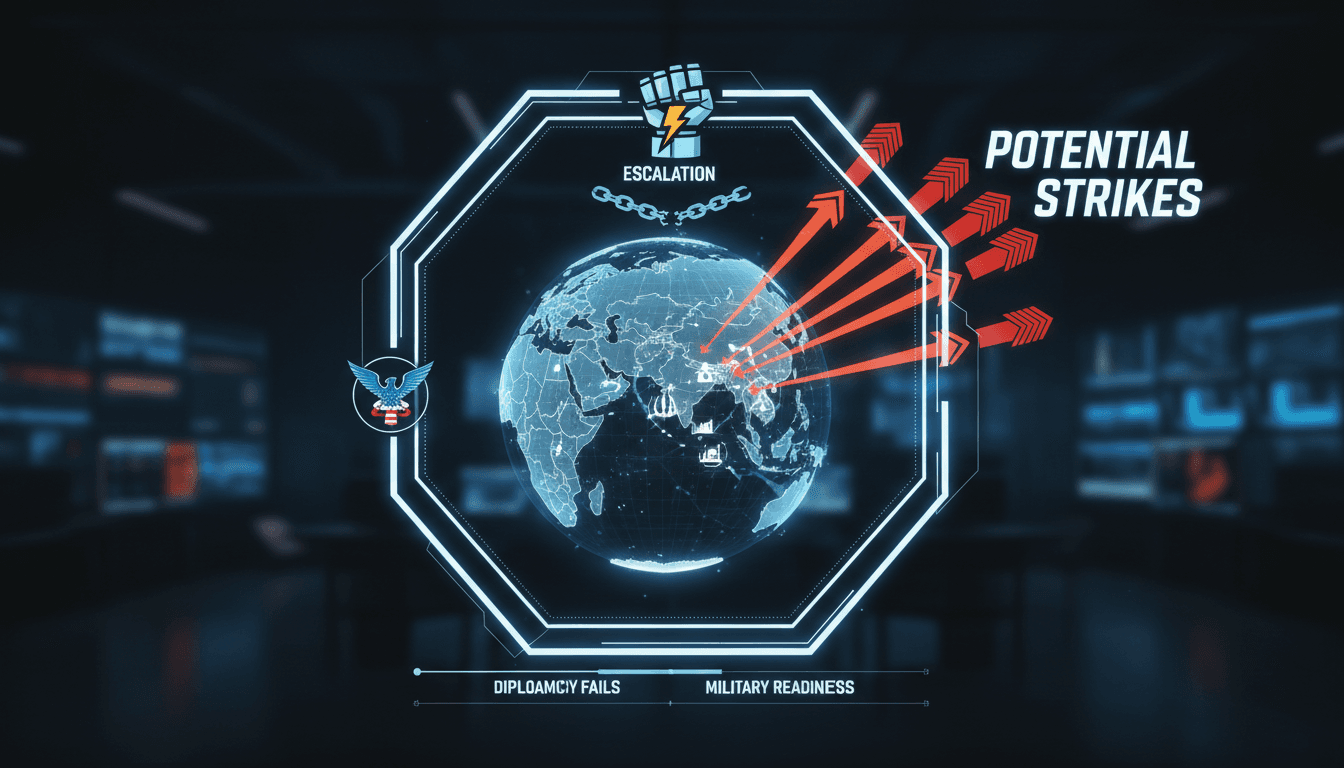
- World· MENA
US forms coalition to enhance maritime navigation in Strait of Hormuz
The United States is initiating a new international coalition to facilitate maritime navigation through the Strait of Hormuz. This move comes in response to recent disruptions in shipping traffic due to rising geopolitical tensions in the region. The long-term implication is that this coalition could stabilize vital shipping routes and impact global energy markets significantly.
3 sourcesMay 2Low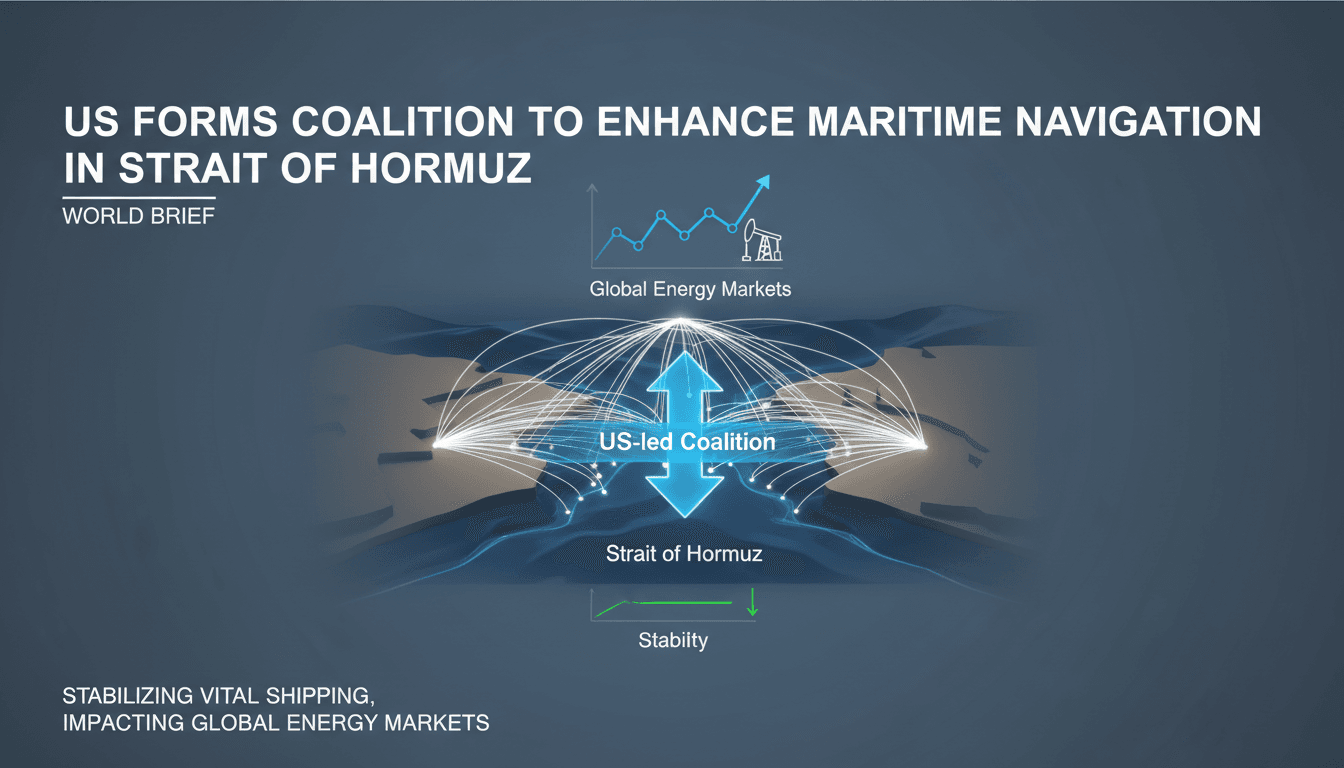
- World· World
Israeli Navy Detains 400 Activists in Interception of Freedom Flotilla Heading to Gaza
The Israeli Navy has intercepted a flotilla of approximately 50 boats carrying around 400 activists aiming to break the blockade on Gaza. This event is triggered by the ongoing tensions between Israel and activists advocating for Palestinian rights, as the flotilla was organized to deliver humanitarian aid. In the long term, this incident is likely to provoke international reactions and discussions regarding humanitarian access to Gaza and the policies surrounding the blockade.
3 sourcesMay 2Moderate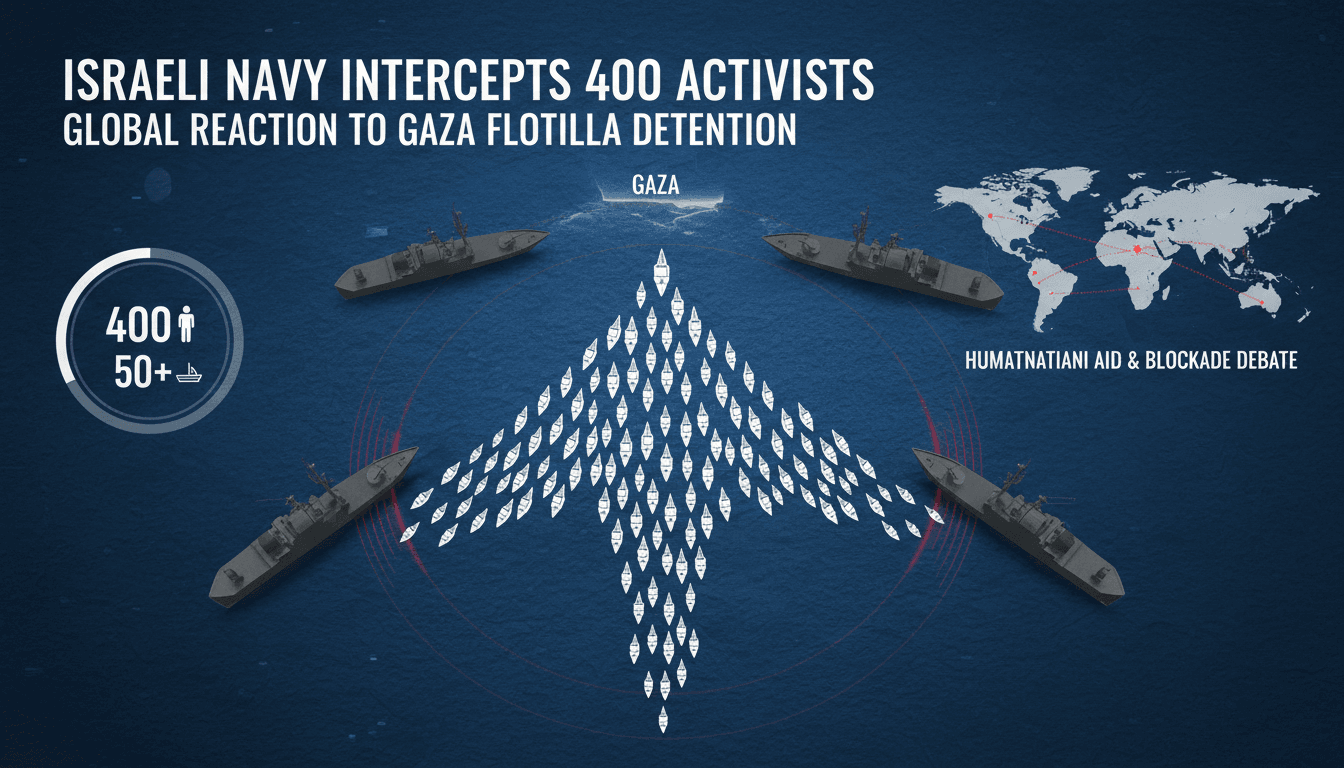
- Politics· MENA
UAE President meets Kurdistan Region President to strengthen diplomatic ties
UAE President Sheikh Mohamed bin Zayed Al Nahyan hosted Nechirvan Barzani, the President of Iraq's Kurdistan Region, in Abu Dhabi. This meeting is part of the UAE's broader strategy to enhance its diplomatic footprint in the region, reflecting ongoing efforts to foster relationships with regional governments. The long-term implication may see the UAE playing a pivotal role in shaping political cooperation and stability in the Middle East.
4 sourcesMay 2Low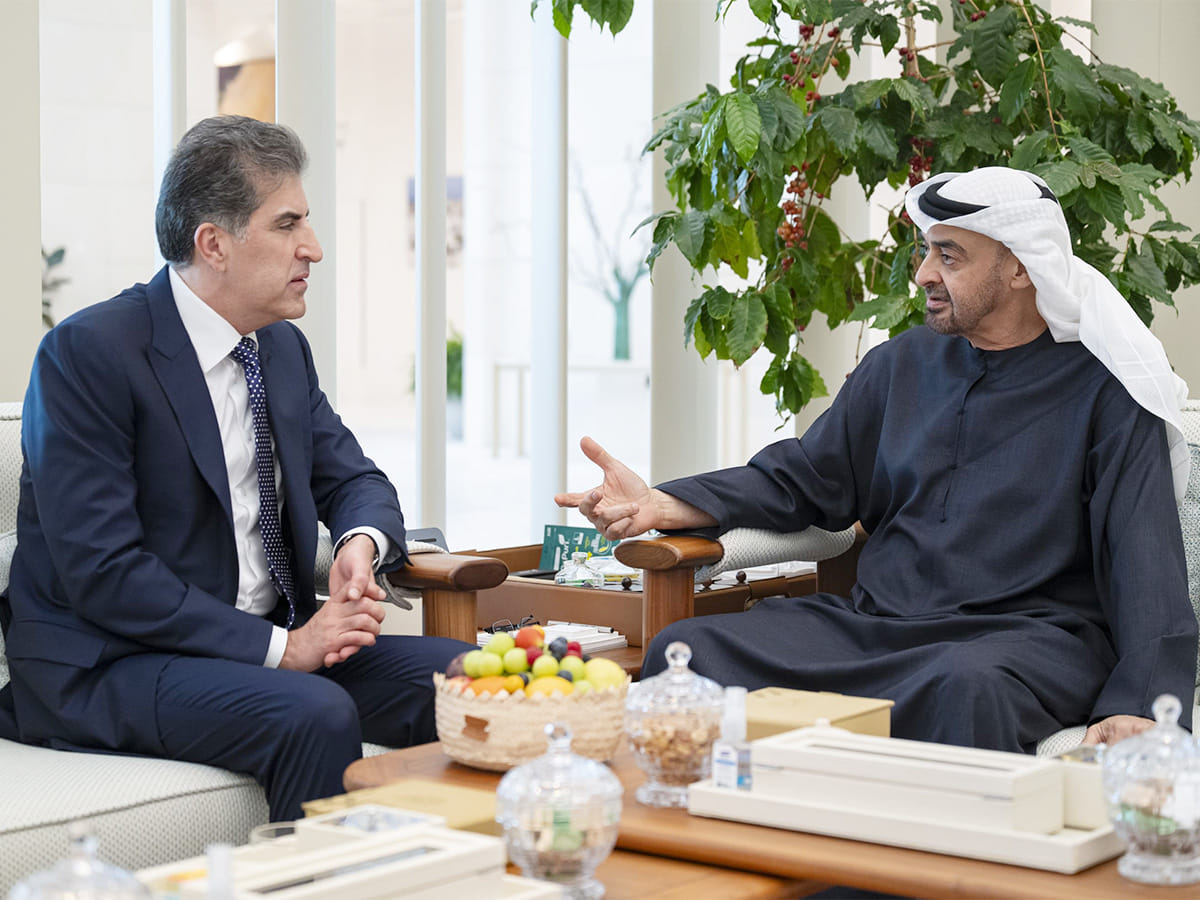
- Politics· World
Saudi Arabia Reaffirms Support for UN Counter-Terrorism Initiatives
Saudi Arabia has reiterated its commitment to supporting the United Nations' counter-terrorism efforts during a recent ambassador-level meeting. This reaffirmation comes in response to the increasing threats posed by terrorist groups utilizing artificial intelligence and digital platforms. The long-term implication is a potential strengthening of international coalitions aimed at enhancing global counter-terrorism strategies, particularly in regions like Africa that are heavily impacted by terrorism.
3 sourcesMay 2Low
- Politics· MENA
Saudi Foreign Minister Engages in Diplomatic Calls with Canada and Kuwait
Saudi Foreign Minister Prince Faisal bin Farhan held discussions with his counterparts from Canada and Kuwait to address regional developments. This diplomatic engagement is driven by the need for ongoing coordination amid the evolving geopolitical landscape in the Middle East. The long-term implication suggests a commitment to collaborative efforts aimed at fostering stability and enhancing bilateral relations among these nations.
3 sourcesMay 2Low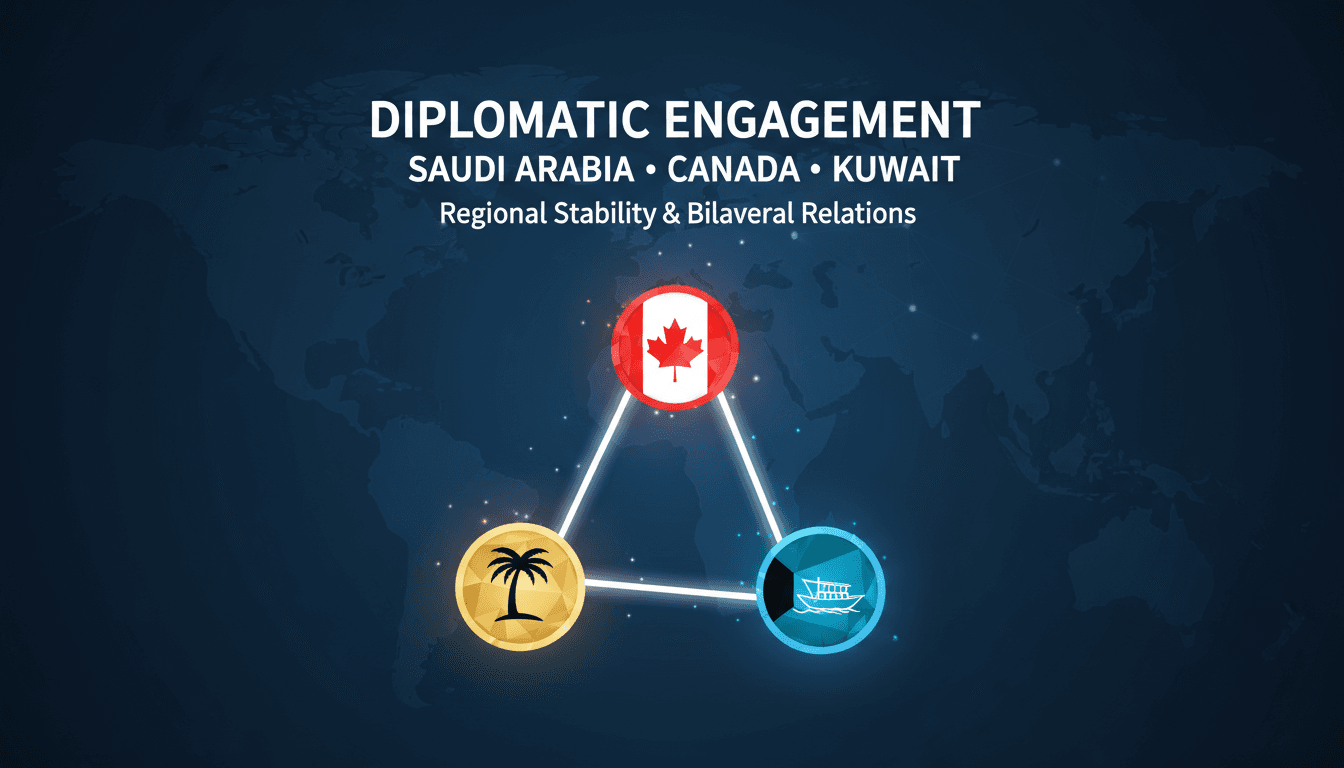
- Politics· UAE
UAE Refers 13 Individuals and 6 Companies to Trial for Military Trafficking to Sudan
The UAE has referred 13 individuals and six companies to trial for their involvement in illicit military material trafficking linked to the Port Sudan Authority. This legal action follows extensive investigations that uncovered a scheme to smuggle military materiel through UAE territory. The case highlights the UAE's commitment to preventing illegal activities and may impact regional security dynamics and international arms trafficking regulations.
4 sourcesMay 2Low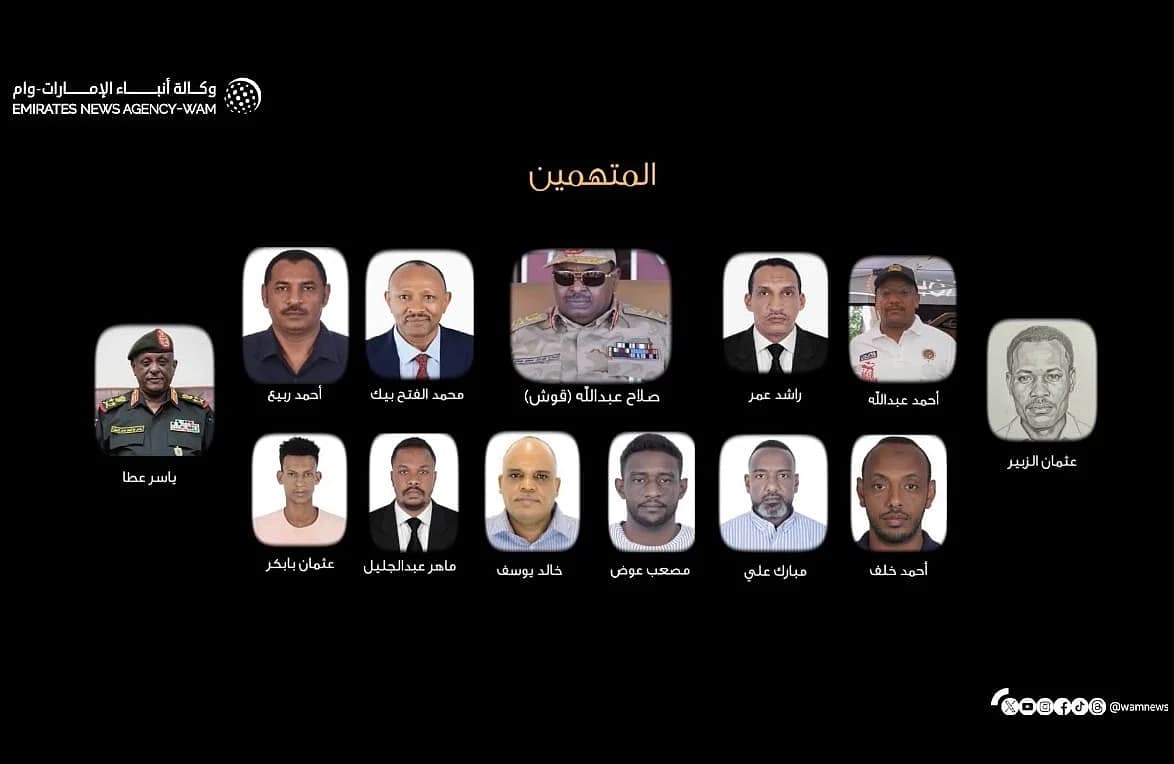
- Politics· World
Chinese Foreign Minister urges U.S. to stabilize relations amid Taiwan tensions
In a recent phone call, Chinese Foreign Minister Wang Yi emphasized the need for stability in U.S.-China relations, highlighting Taiwan as a critical point of danger. This discussion comes at a time of heightened tensions surrounding Taiwan, prompting both leaders to recognize the importance of maintaining dialogue. The long-term implication is that ongoing diplomatic engagement will be essential to navigate future challenges and ensure global stability.
3 sourcesMay 2Low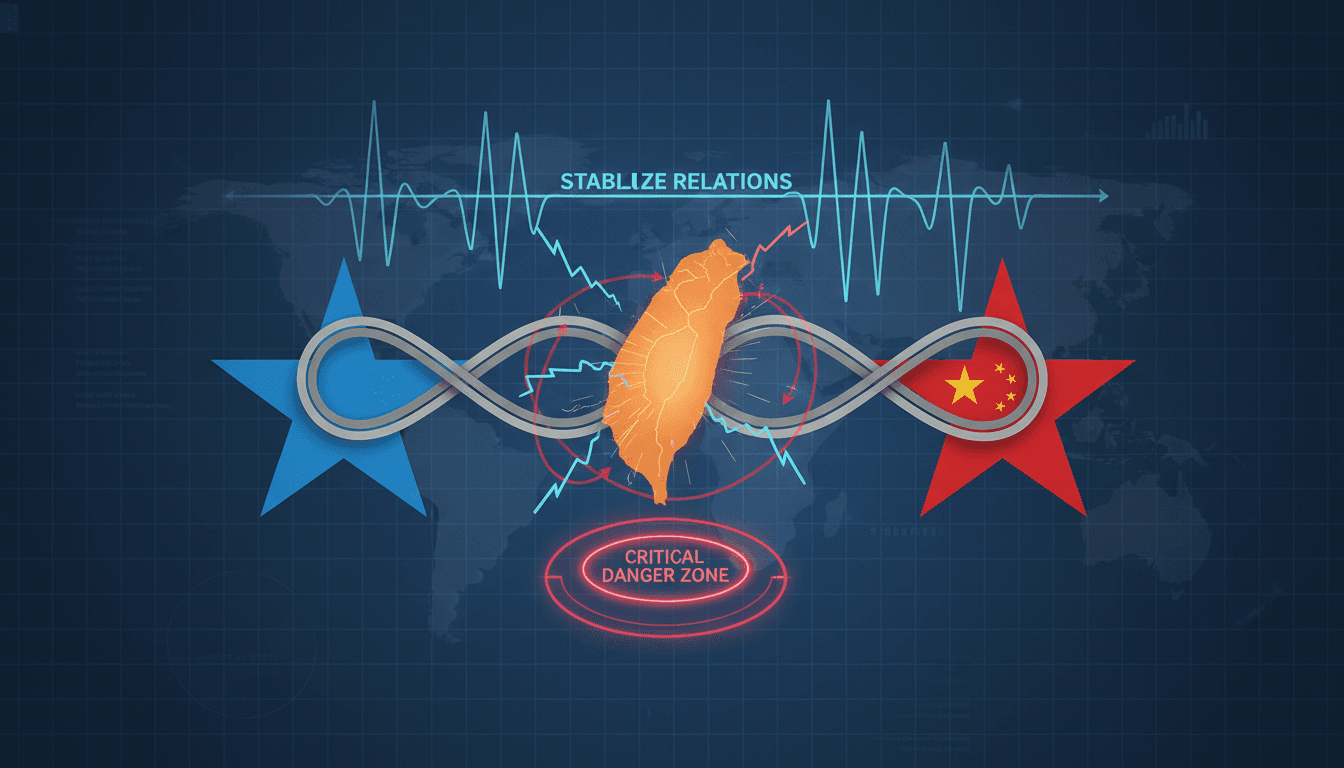
- Politics· MENA
GCC Leaders Emphasize Economic Cooperation and Security Measures Amid Regional Tensions
The Gulf Cooperation Council held a consultative summit focusing on enhancing economic cooperation and addressing security threats. This meeting was triggered by recent Iranian aggressions, prompting leaders to discuss urgent measures such as a missile early warning system. In the long term, the GCC is likely to strengthen its economic and security frameworks to maintain stability and foster growth in the region.
4 sourcesMay 2Low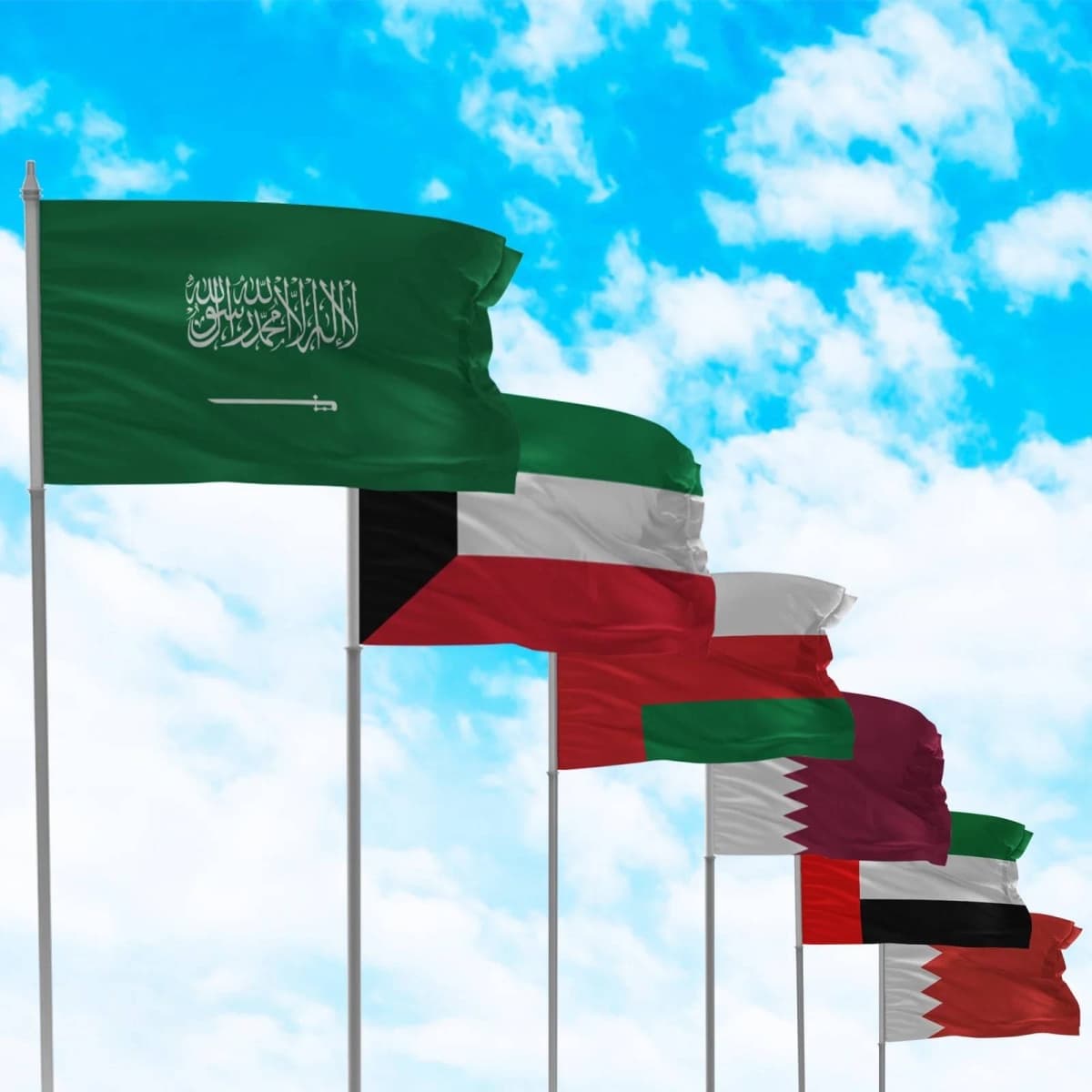
- Politics· MENA
Tehran activates air defenses in response to unidentified aerial threats
On April 30, 2026, Tehran's air defenses were activated following reports of small aircraft and drones in the area, leading to gunfire in the city. This escalation is triggered by the immediate threat posed by unidentified aerial vehicles over sensitive locations. The long-term implication may involve increased military vigilance and potential changes in Iran's air defense strategies as authorities assess ongoing security challenges.
3 sourcesMay 2Moderate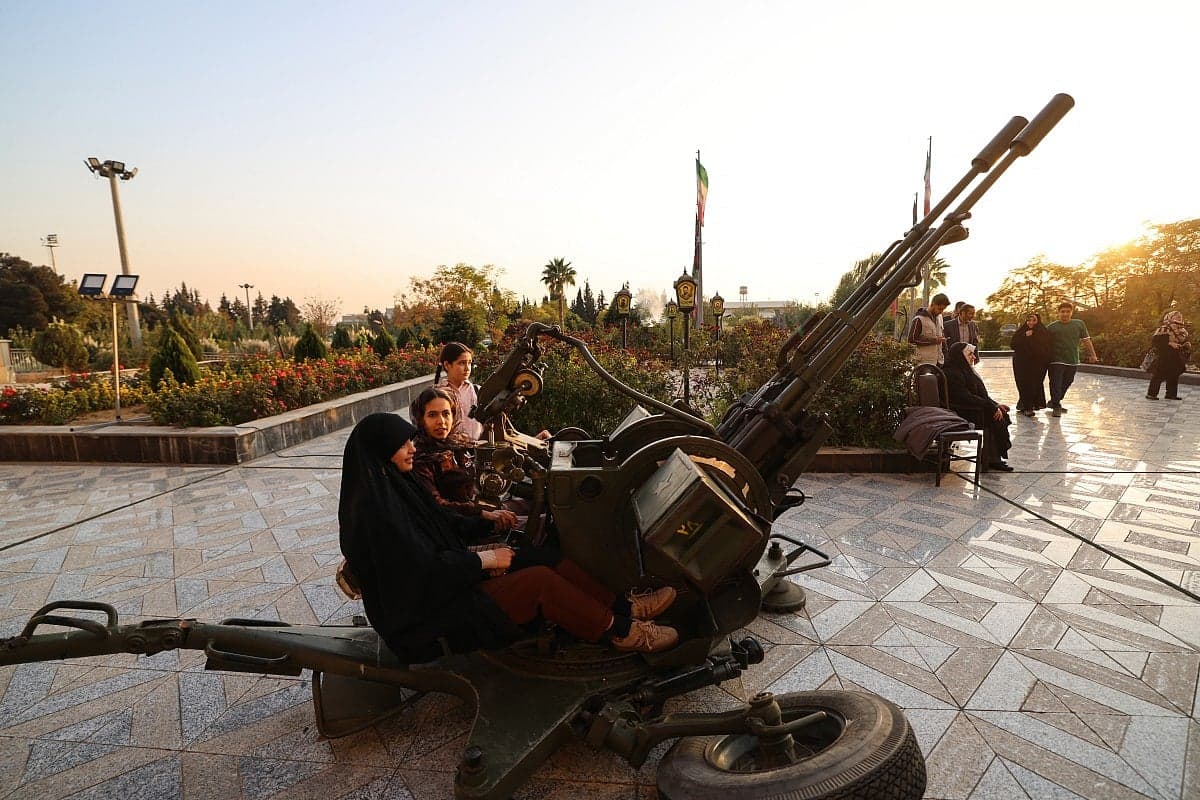
- Politics· MENA
Saudi Foreign Minister Engages in Diplomatic Talks with France, Kuwait, and Canada
Saudi Foreign Minister Prince Faisal bin Farhan held discussions with his French counterpart Jean-Noël Barrot and foreign ministers from Kuwait and Canada to address regional developments. These meetings are driven by Saudi Arabia's intent to strengthen bilateral relations and enhance regional stability amid evolving geopolitical challenges. The long-term implication may involve increased cooperation on security and diplomatic initiatives in the region.
5 sourcesMay 2Low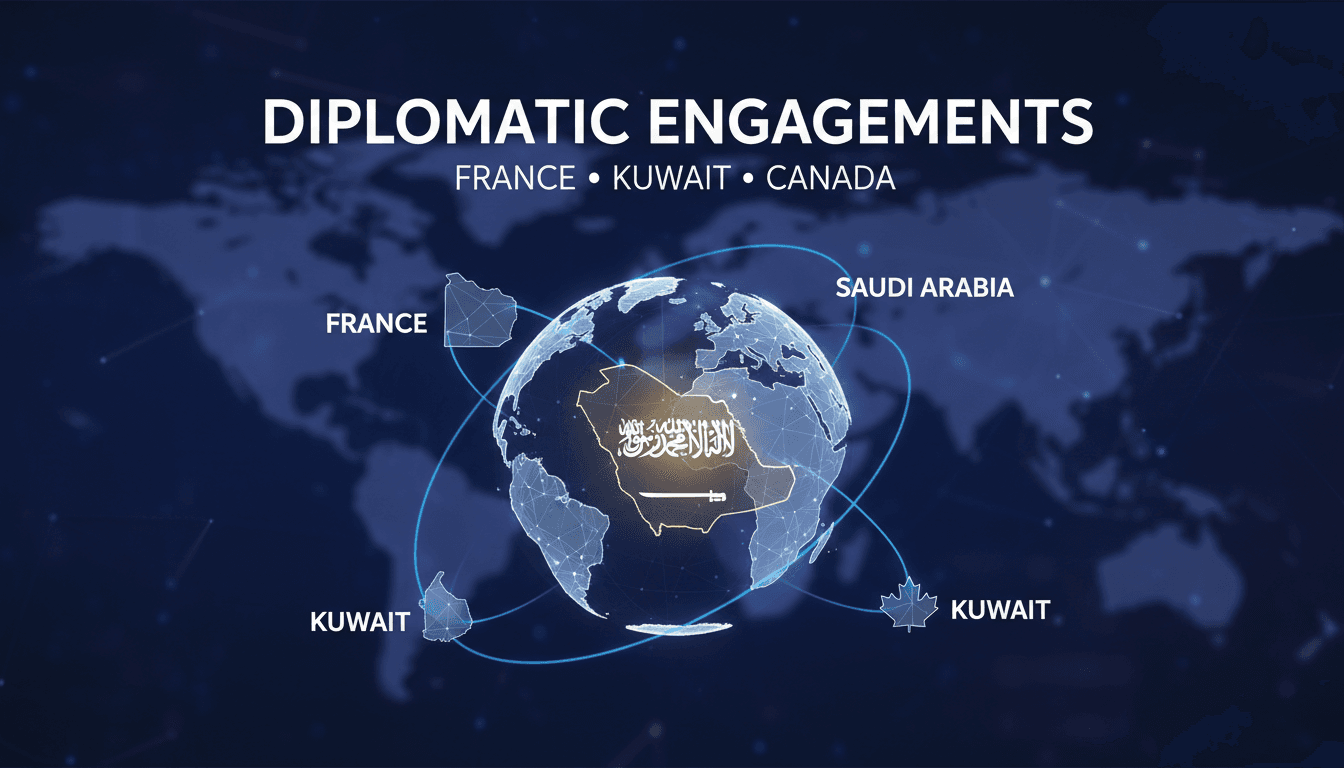
- Politics· World
Rwandan President Sends Letter of Solidarity to Saudi Crown Prince Amid Regional Tensions
On April 30, 2026, Saudi Crown Prince Mohammed bin Salman received a handwritten letter from Rwandan President Paul Kagame expressing solidarity with Saudi Arabia. This diplomatic gesture comes as Saudi Arabia faces regional challenges, particularly related to geopolitical tensions and shipping disruptions in the Red Sea. The long-term implication may involve strengthened bilateral ties and increased cooperation between Saudi Arabia and Rwanda in various sectors, enhancing Saudi influence in Africa.
7 sourcesMay 2Low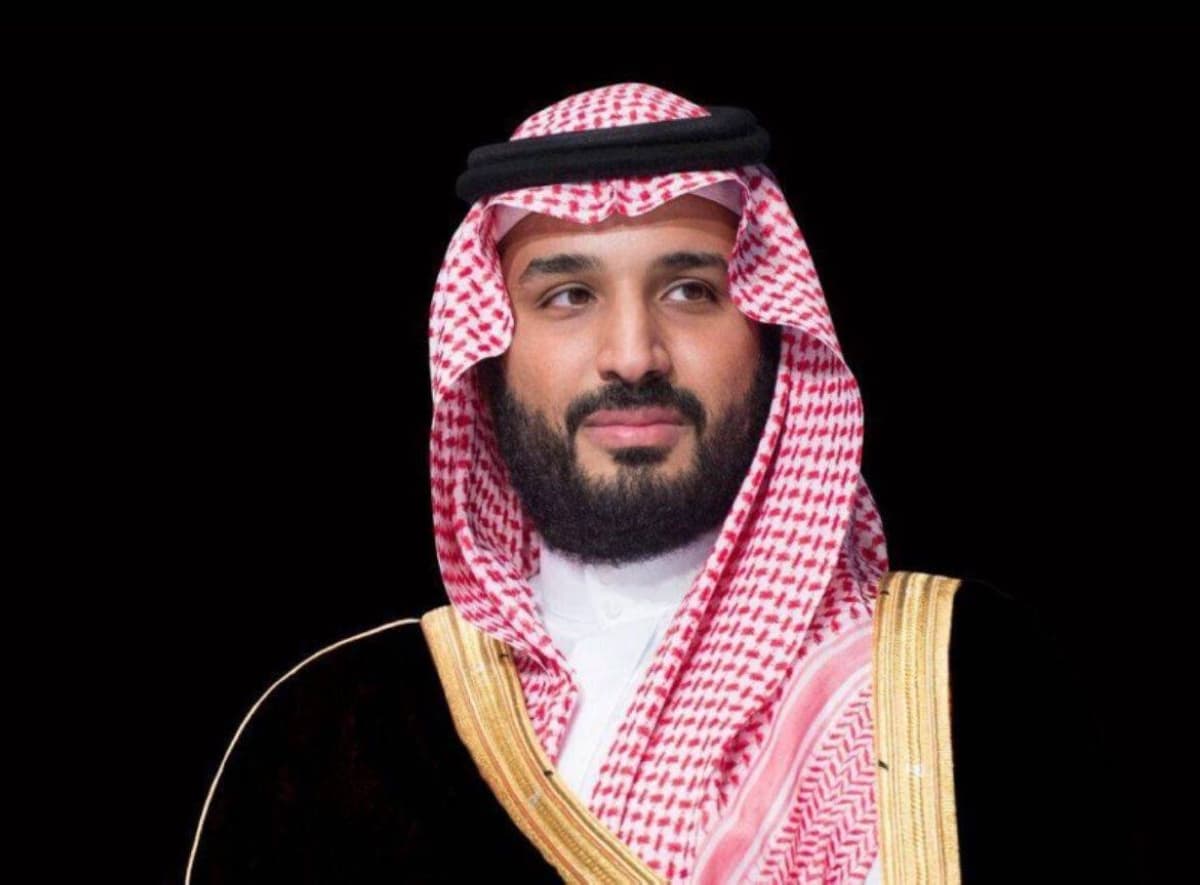
- World· MENA
Filipino conjoined twins successfully separated and recovering in Riyadh
Filipino conjoined twins Klea and Maurice Ann were successfully separated during surgery performed on April 27, 2026, and are currently in stable condition one week post-operation. The immediate cause for this positive outcome is the expertise of the specialized medical team led by Dr. Abdullah Al-Rabeeah at King Abdullah Specialist Children’s Hospital. Long-term implications include ongoing health assessments for Klea, who faces additional medical challenges, as the twins continue their recovery journey.
3 sourcesMay 2Low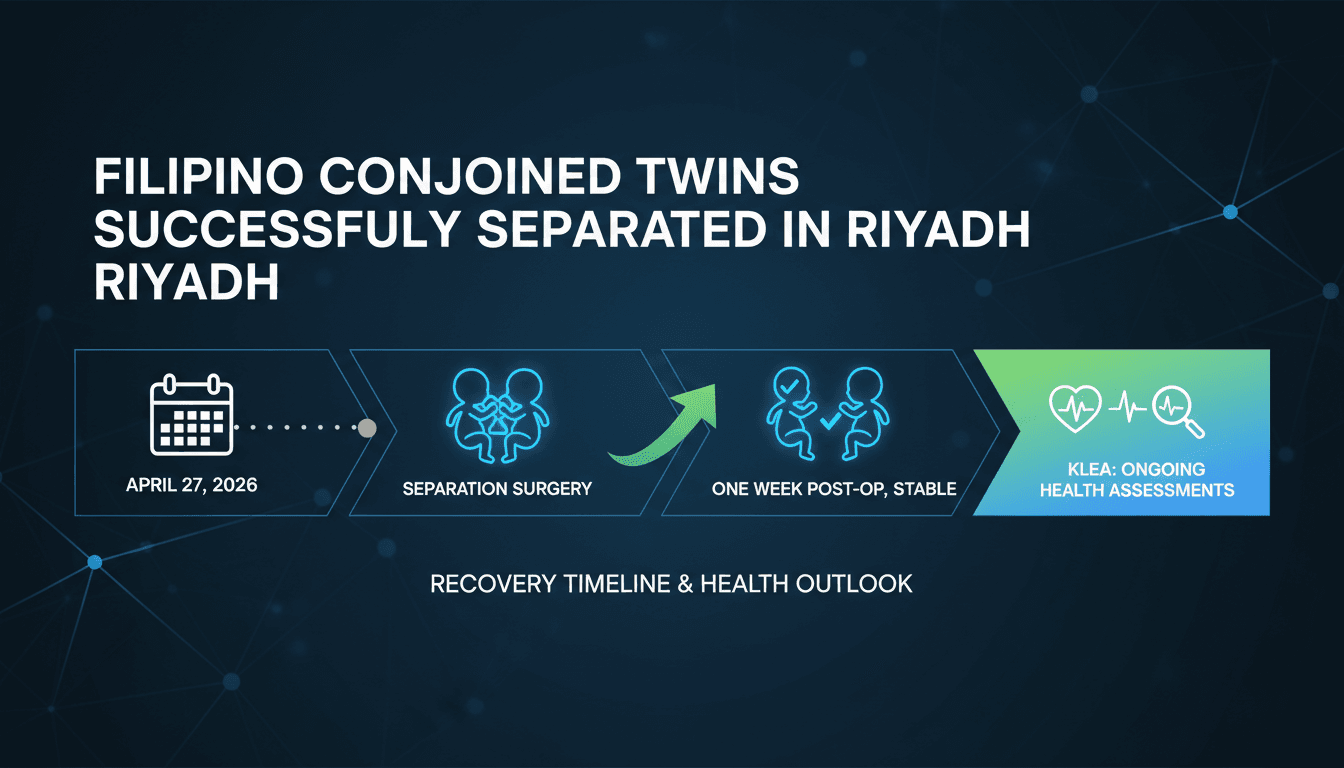
- Politics· World
UK Raises Terrorism Threat Level to Severe Following Stabbing of Jewish Individuals
The UK government has raised its terrorism threat level from 'Substantial' to 'Severe' after a stabbing incident in London that injured two Jewish individuals. This escalation reflects immediate concerns over anti-Semitic violence and the potential for further terrorist attacks. In the long term, this may lead to increased security measures and public vigilance across the UK to prevent similar incidents.
3 sourcesMay 2High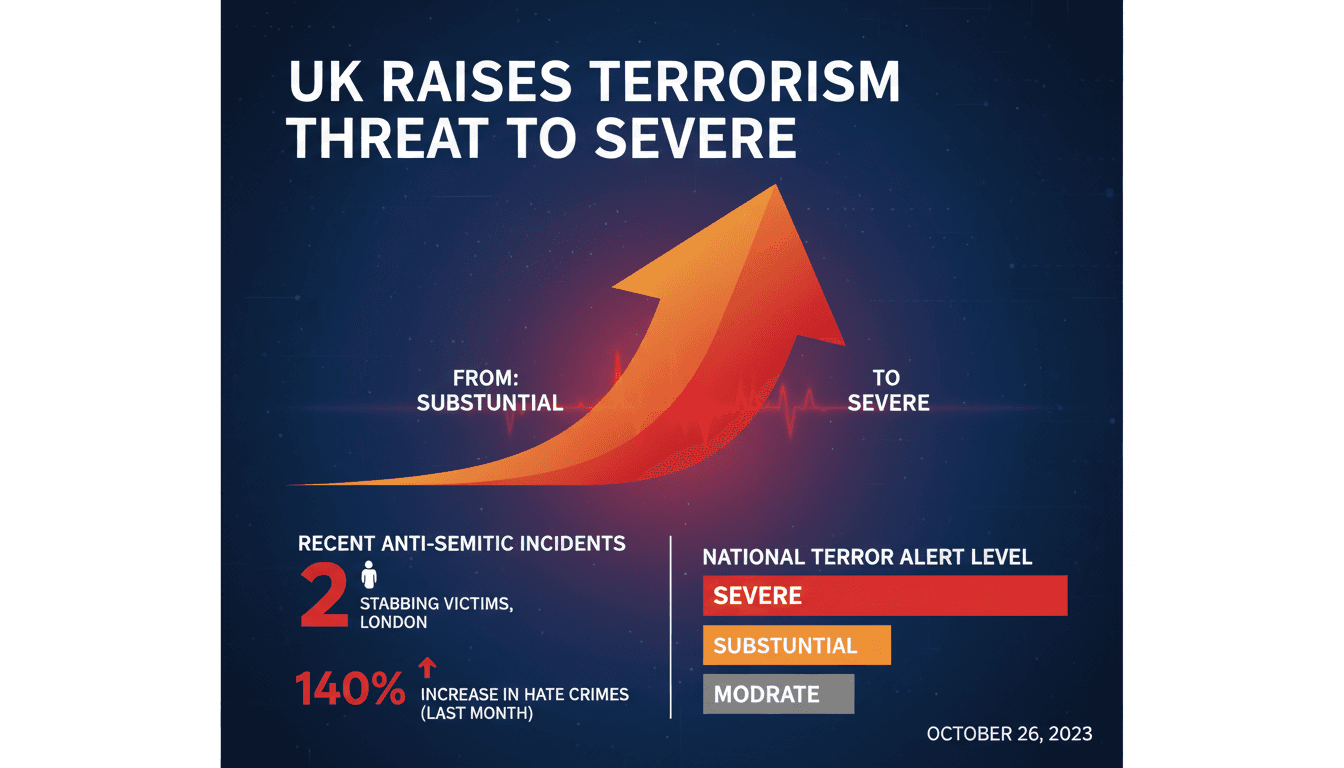
- Politics· UAE
UAE Ministry of Foreign Affairs Issues Travel Ban for Nationals to Iran, Lebanon, and Iraq
On April 30, 2026, the United Arab Emirates Ministry of Foreign Affairs announced a travel ban prohibiting UAE nationals from traveling to Iran, Lebanon, and Iraq. This measure was triggered by escalating regional tensions and security risks following Iranian missile strikes on UAE infrastructure amid the ongoing Middle East conflict. The long-term implication may involve increased regional instability and further restrictions on travel and trade in the area.
9 sourcesMay 2Low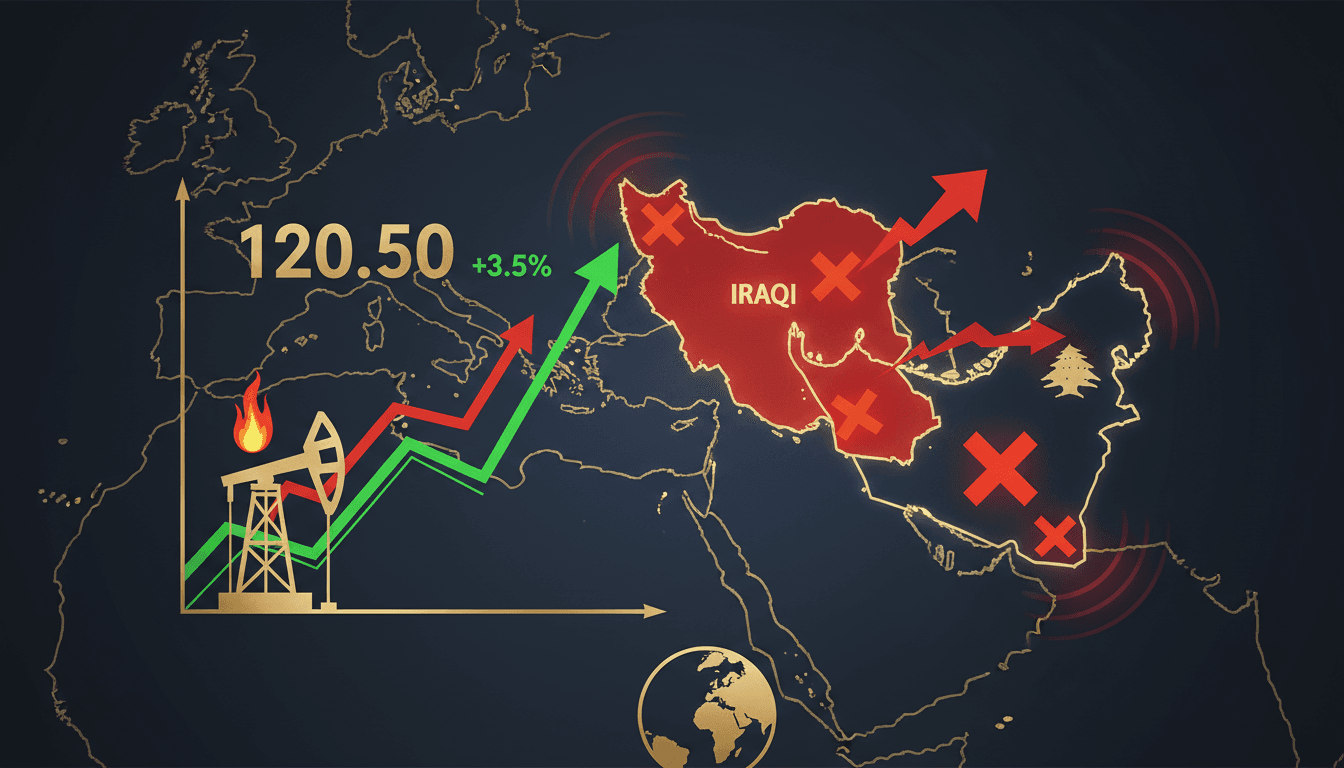
- Politics· MENA
Saudi Arabia Clarifies Hajj Visa Regulations Ahead of 1447H Season
The Saudi Ministry of Interior has announced that visit visas do not authorize participation in Hajj, requiring an official Hajj permit instead. This clarification comes as the 1447H Hajj season approaches, highlighting the need for compliance with established regulations. Failure to adhere to these guidelines may result in legal penalties for violators, emphasizing the importance of proper documentation for pilgrims.
4 sourcesMay 2Low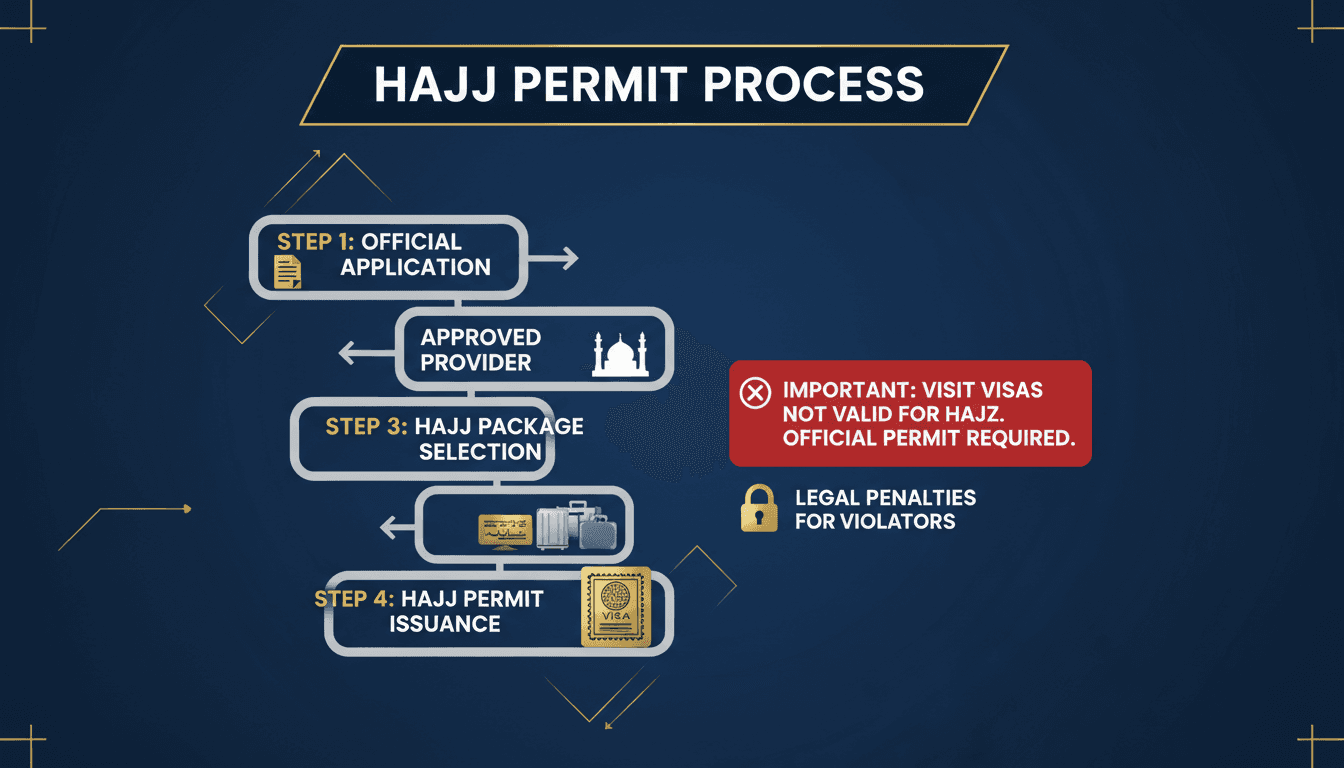
- Politics· MENA
Saudi Crown Prince expresses condolences to Egyptian PM following father's death
Crown Prince Mohammed bin Salman sent a condolence message to Egyptian Prime Minister Dr. Mostafa Madbouly on the death of his father, Maj. Gen. Kamal Madbouly. This gesture reflects the strong diplomatic ties and cultural practices of solidarity between Saudi Arabia and Egypt during times of loss. The long-term implication may lead to strengthened bilateral relations and collaborative efforts in the future.
3 sourcesMay 2Low
- Politics· MENA
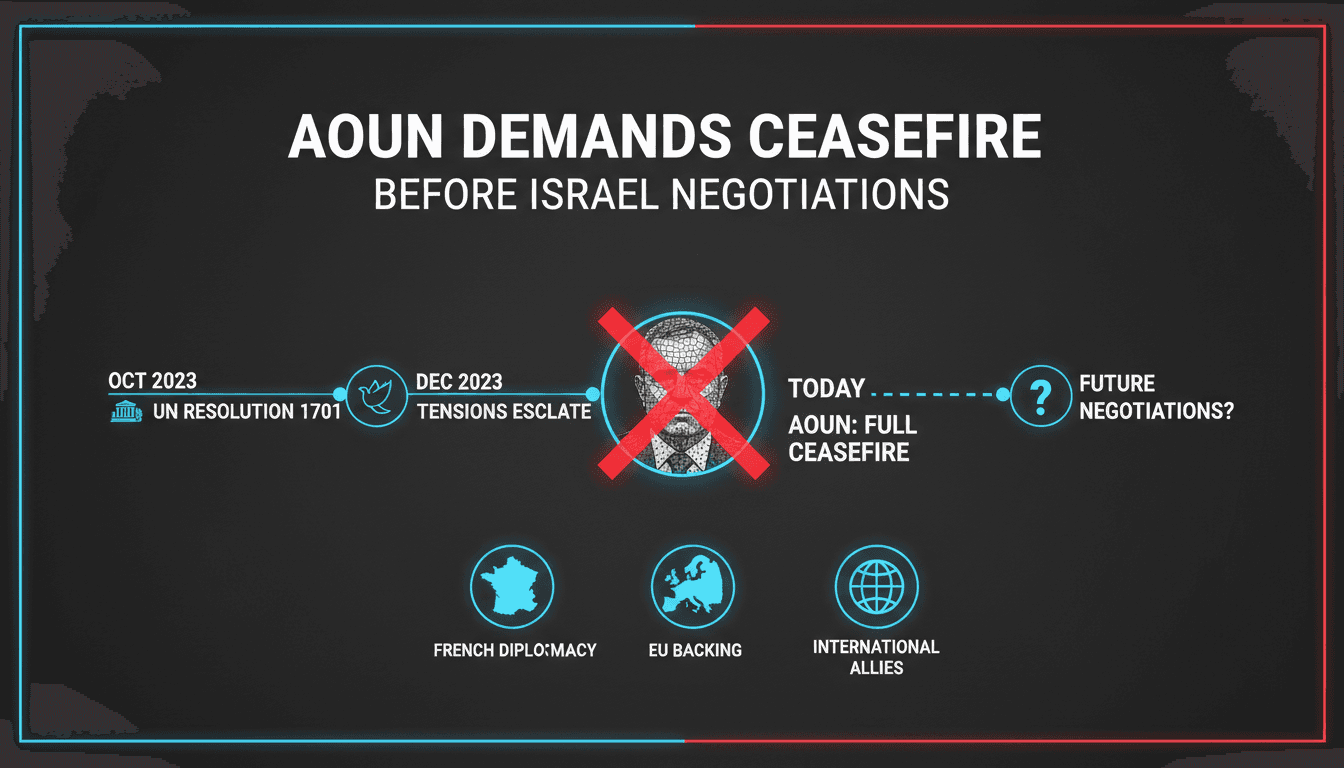
Lebanese President Aoun Demands Ceasefire from Israel Before Negotiations
Lebanese President Joseph Aoun has called for a complete ceasefire from Israel as a prerequisite for resuming negotiations. This demand is driven by the ongoing tensions and the need for a unified Lebanese front, supported by international allies. The long-term implication is that the success of future negotiations hinges on Israel's compliance with the ceasefire, impacting regional stability.
4 sourcesMay 2Low