
Bio
Andre is co-founder at A47 News. He is responsible for editorial standards and news curation, and shares commentary on AI, general technology, and global politics.
Editorial Responsibility
As Editor, I am responsible for all editorial standards, news sourcing, research, and content production.
Previous experience · 15+ years
- · Co-founder at Tiki
- · Operations Director at Rocket Internet
Education
BA Economics, University of Waikato
Areas of expertise
Categories overseen
Stories from Andre Teow’s desk
19727 stories- Politics· MENA
Bahrain's King condemns Iranian interference in Gulf affairs
King Hamad bin Isa Al Khalifa of Bahrain has publicly condemned Iranian interference in Bahrain's internal affairs, emphasizing the importance of national unity and security. This statement comes amid escalating tensions between Iran and Gulf Arab states, prompting Bahrain to call for solidarity among its neighbors. In the long term, Bahrain is likely to strengthen alliances with other Gulf states to counter perceived Iranian threats and enhance regional stability.
4 sourcesMay 2Low
- Politics· World
Israel escalates military operations in southern Lebanon amid Hezbollah retaliation
Israel has intensified its military operations in southern Lebanon, prompting a strong response from Hezbollah. This escalation is occurring now due to the ongoing conflict dynamics and the failure of previous negotiations. The long-term implication may lead to a broader regional conflict if diplomatic efforts to de-escalate tensions are not urgently pursued.
3 sourcesMay 2Moderate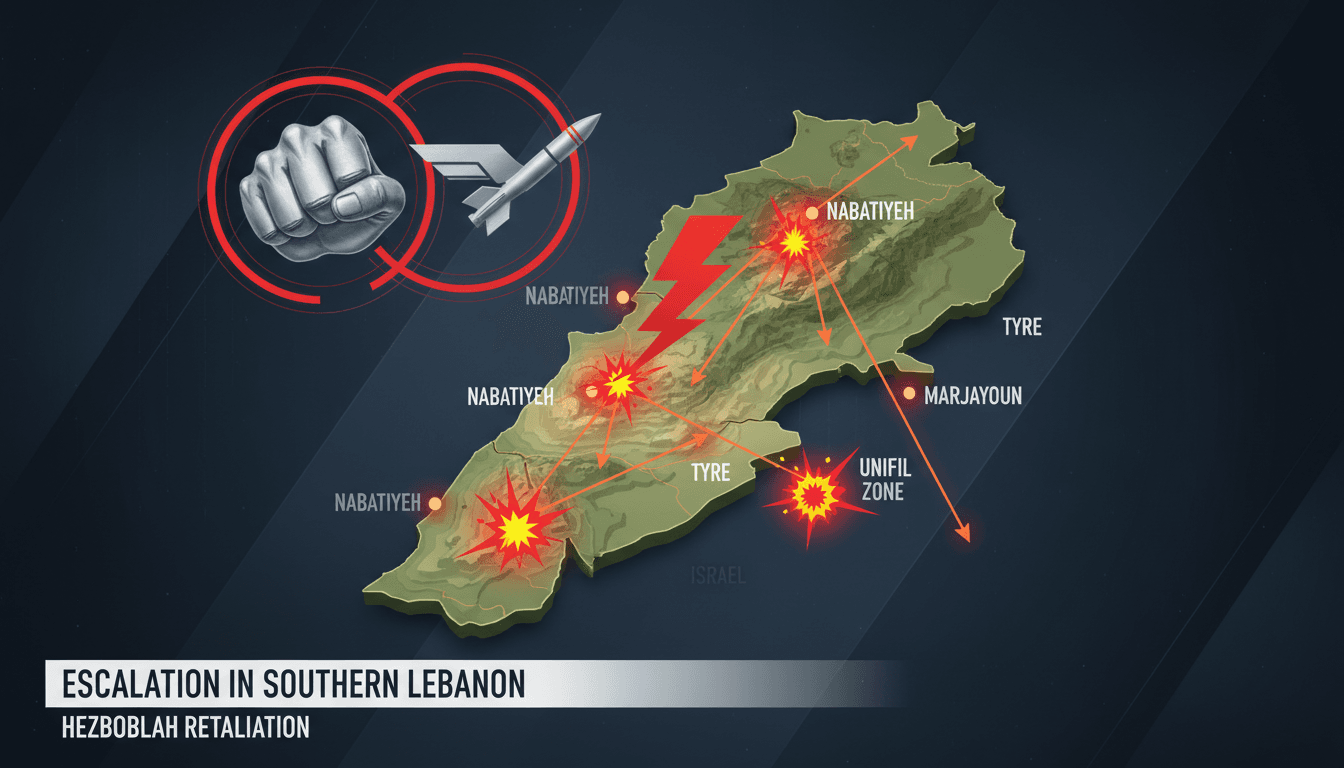
- Politics· World
Iran Proposes New Negotiation Framework to the U.S. via Pakistan
Iran has submitted a new proposal for negotiations with the United States through Pakistani intermediaries, aiming to resolve ongoing tensions in the Middle East. This comes after a previous proposal was rejected by President Trump, who emphasized Iran's weakened negotiating position due to economic sanctions. As negotiations progress, the potential for a diplomatic resolution could reshape the geopolitical landscape in the Middle East, but significant challenges remain in achieving a lasting agreement.
5 sourcesMay 2Moderate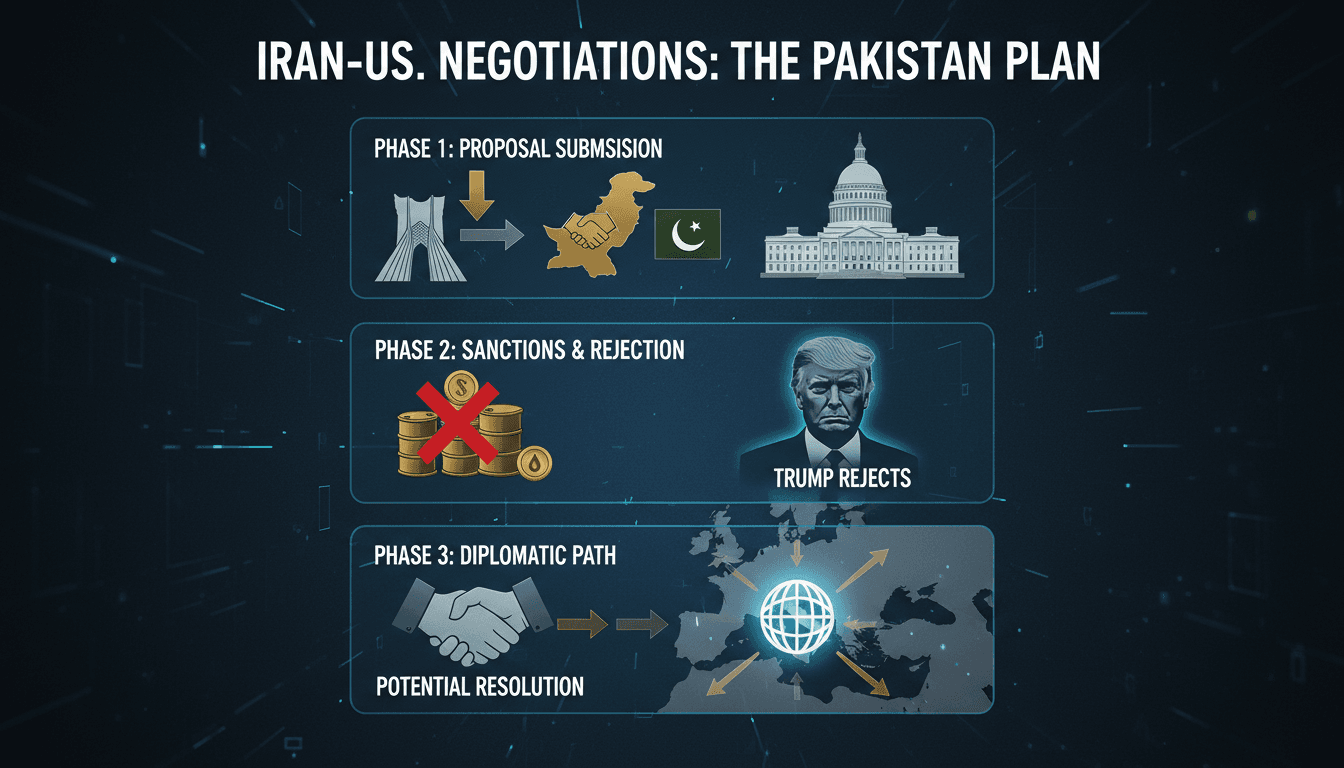
- Politics· MENA
Saudi Foreign Minister engages in diplomatic talks with EU High Representative
Saudi Foreign Minister Prince Faisal bin Farhan held a phone conversation with EU High Representative Josep Borrell to discuss regional developments. This call is part of ongoing diplomatic efforts to enhance cooperation between Saudi Arabia and the European Union amid rising regional tensions. The long-term implication suggests a continued commitment to collaborative security initiatives in the Middle East.
3 sourcesMay 2Low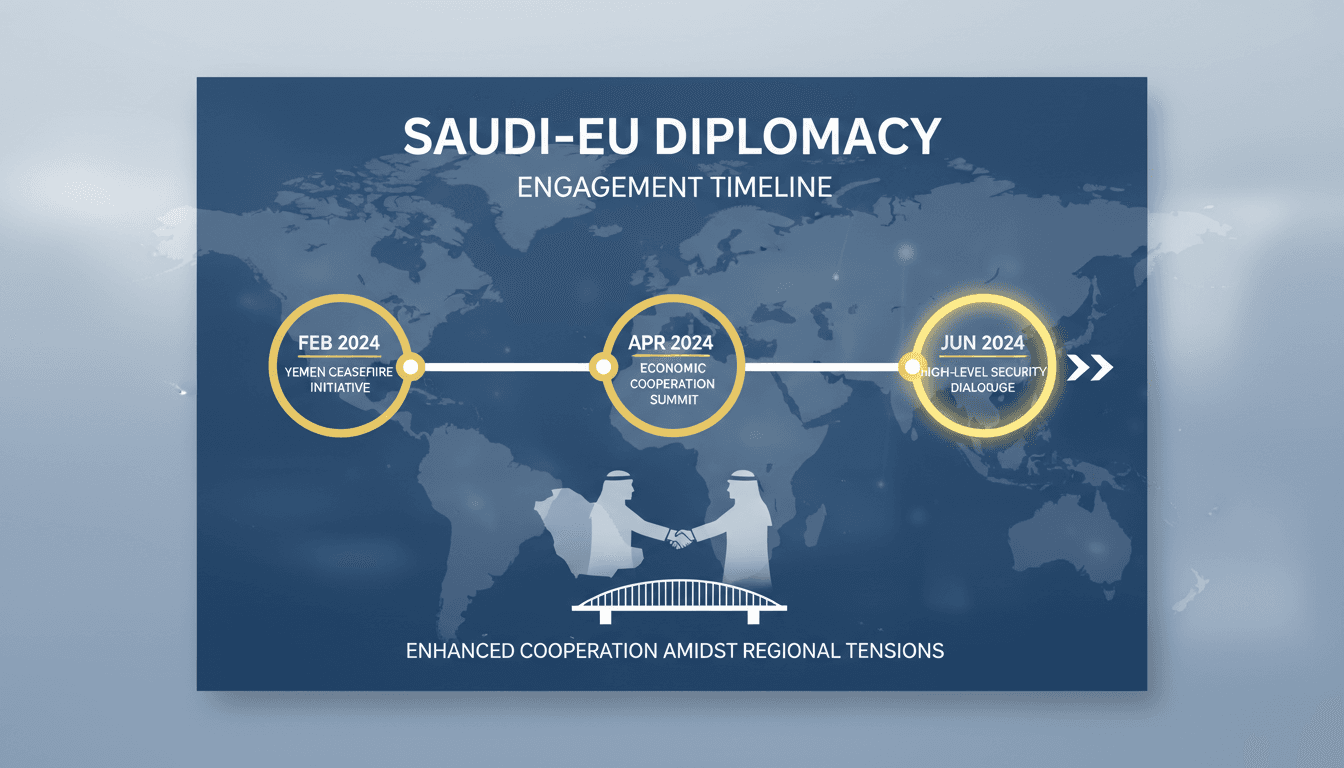
- World· World
US Treasury Department imposes new economic sanctions on Iran
The U.S. has announced a new package of economic sanctions targeting entities and individuals linked to Iran. This move is part of the Trump administration's strategy to exert maximum economic pressure on Iran at this critical moment. The long-term implication is likely to complicate Iran's international trade and economic stability, affecting global businesses engaged with the region.
3 sourcesMay 2High
- Politics· MENA
Bahrain Rejects Iranian Interference in Internal Affairs
Bahrain has condemned recent statements from the Iranian Foreign Ministry as a violation of its sovereignty. This escalation in rhetoric comes amid ongoing tensions between the two nations regarding Iran's perceived interference in Bahrain's domestic matters. The long-term implication may lead to increased diplomatic friction and necessitate close monitoring of future interactions between Bahrain and Iran.
3 sourcesMay 2Low
- Politics· MENA
Fourteen Iranian Revolutionary Guard members killed in unexploded ordnance operation
Fourteen members of the Iranian Revolutionary Guard Corps were killed during an operation to defuse unexploded ordnance in Zanjan Province. This tragic incident highlights the ongoing dangers associated with remnants of war in the region, occurring during a routine military operation. In the long term, this may lead to increased scrutiny and enhanced safety protocols for military operations involving unexploded ordnance in conflict-affected areas.
3 sourcesMay 2Moderate
- Politics· World
Trump Issues Ultimatum to Iran Amidst Negotiation Softening
President Trump has escalated tensions with Iran by demanding an agreement or facing severe consequences. This ultimatum comes as Iran appears to be softening its negotiation stance due to economic pressures and an approaching Congressional deadline for military engagement. The situation could lead to either military confrontation or a diplomatic breakthrough in the coming days.
5 sourcesMay 2Low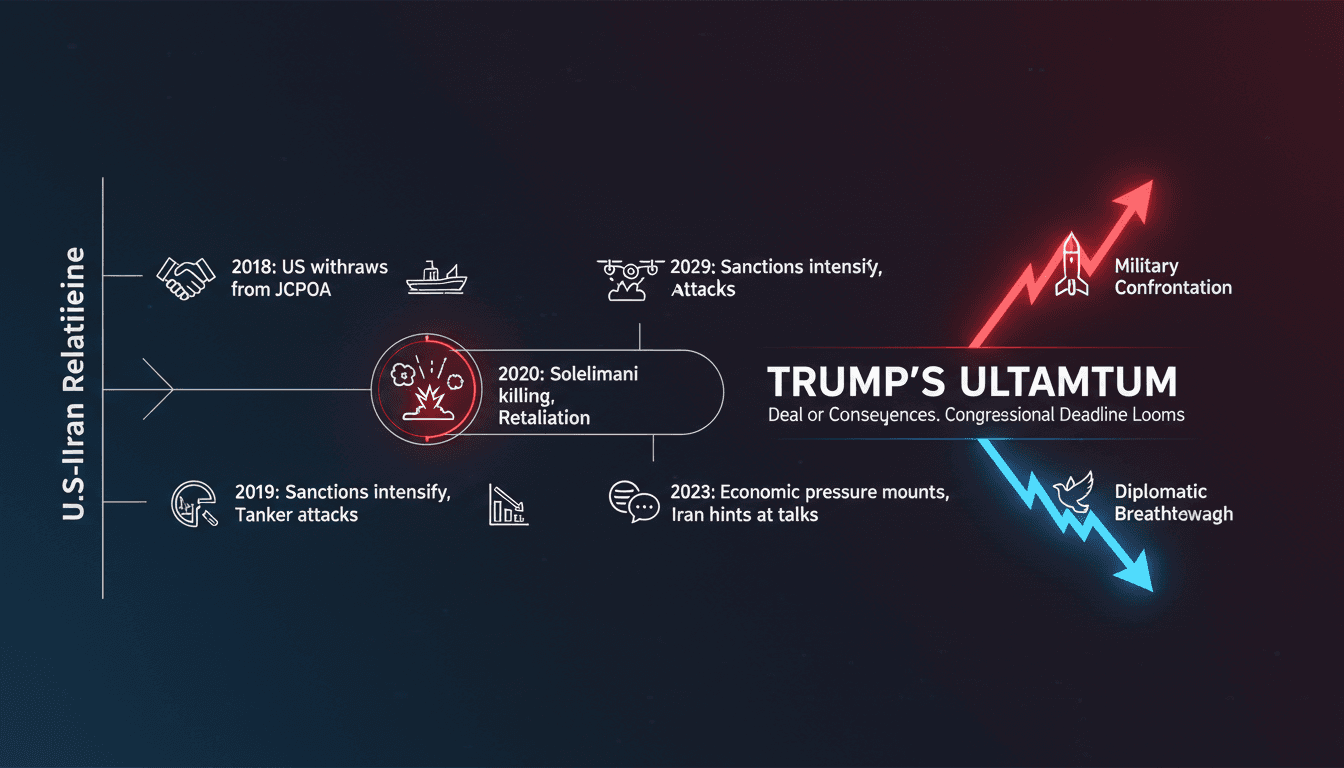
- Politics· UAE
UAE Calls for Reopening of Strait of Hormuz at UN Security Council
The UAE has urged the immediate reopening of the Strait of Hormuz during a UN Security Council meeting. This call comes as Iran faces accusations of obstructing international navigation, prompting concerns over global energy security. The long-term implication may involve increased international pressure on Iran and a potential shift in maritime security dynamics in the region.
3 sourcesMay 2Low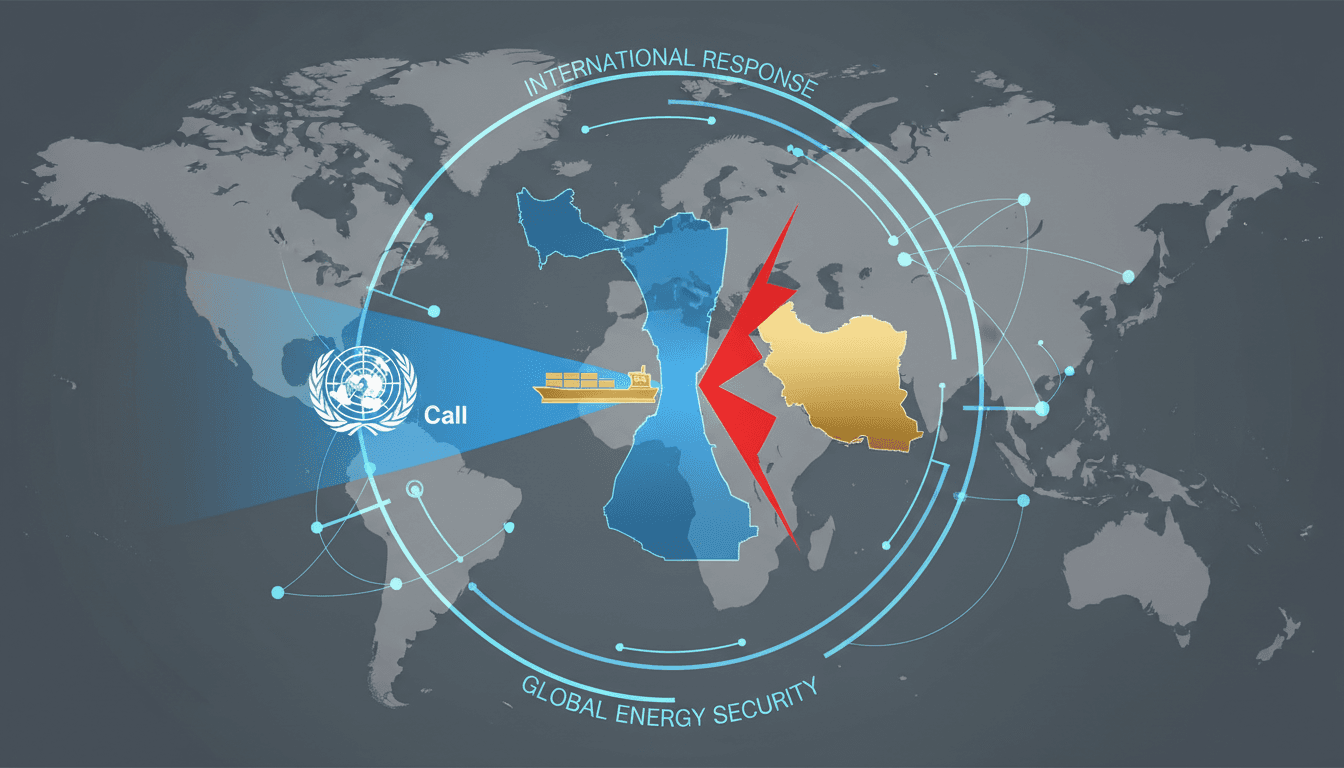
- Politics· World
Trump Reaffirms U.S. Stance Against Iran with Final Offer on the Table
President Trump has announced that the U.S. will not withdraw from its confrontation with Iran and has made a final offer to the Iranian leadership. This development comes amid ongoing diplomatic negotiations mediated by Pakistan, emphasizing the need for Iran to act wisely. The long-term implication could see a critical juncture in U.S.-Iran relations, heavily influenced by Iran's response to the offer.
4 sourcesMay 2Low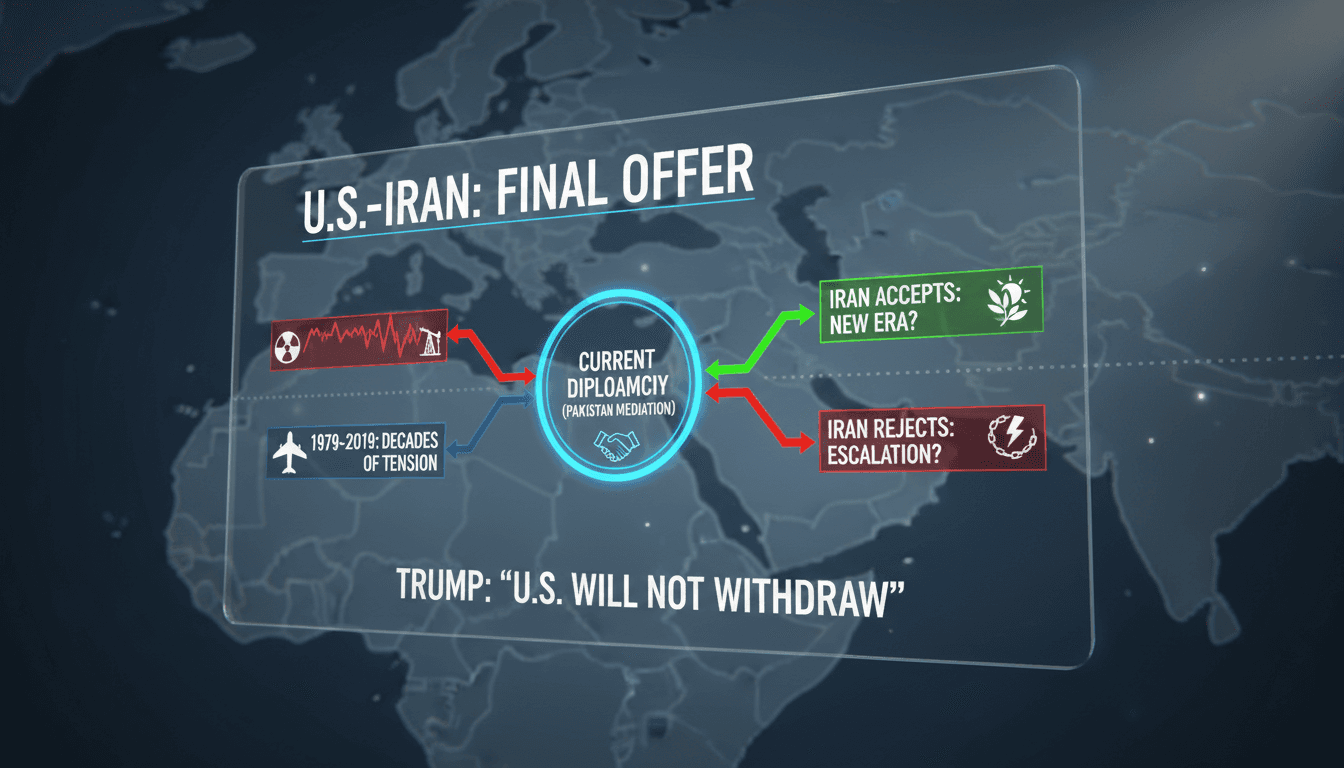
- Politics· World
White House Declares End of Military Operations Against Iran
The White House has officially declared the military conflict with Iran to be over. This announcement is driven by legal considerations regarding war powers, despite the ongoing presence of U.S. troops in the region. The long-term implication may shift U.S. focus from military engagement to diplomatic efforts in the Middle East.
3 sourcesMay 2High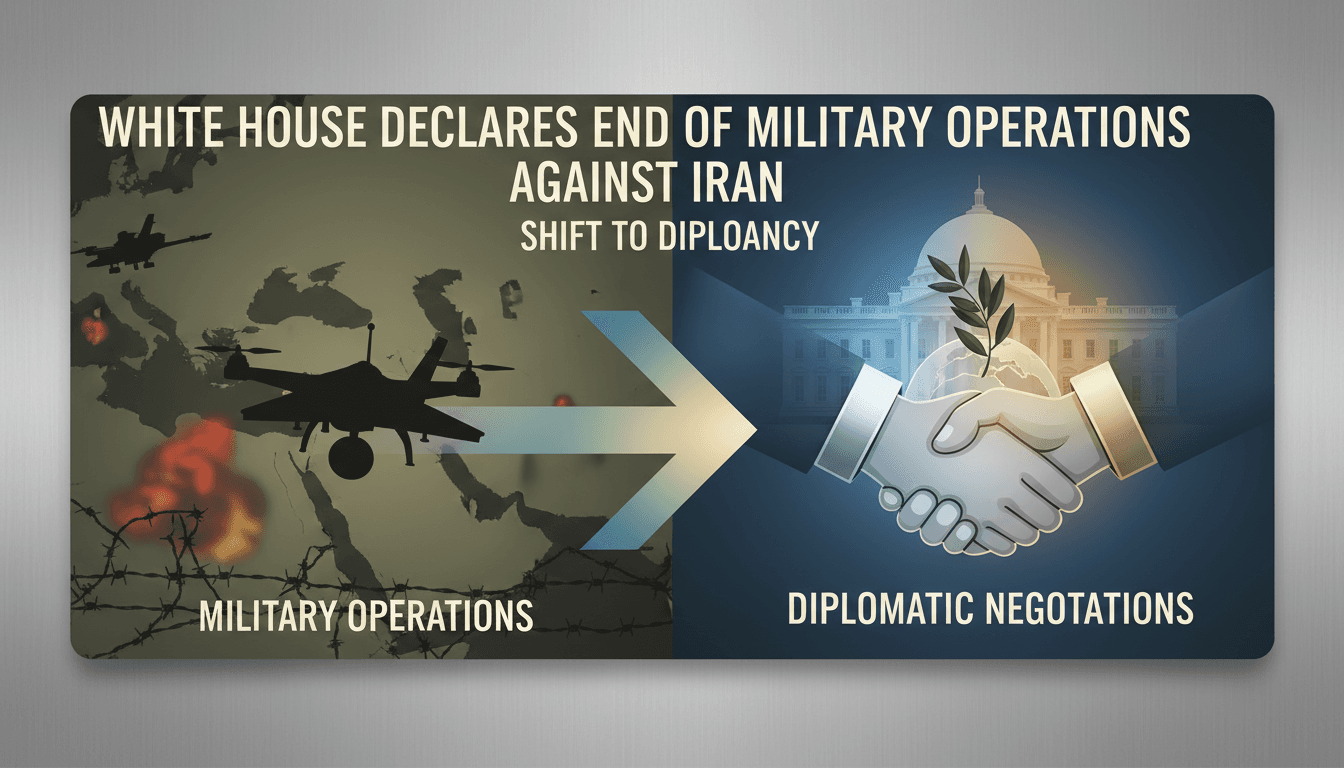
- Politics· MENA
US Approves Over $8.6 Billion in Military Sales to Middle Eastern Allies
The U.S. State Department has approved military sales exceeding $8.6 billion to key allies in the Middle East, including Israel, Qatar, Kuwait, and the UAE. This decision comes amid ongoing tensions in the region, particularly related to the conflict involving Iran. The long-term implication is a strengthened military partnership that may escalate geopolitical tensions and provoke reactions from adversaries like Iran.
4 sourcesMay 2Moderate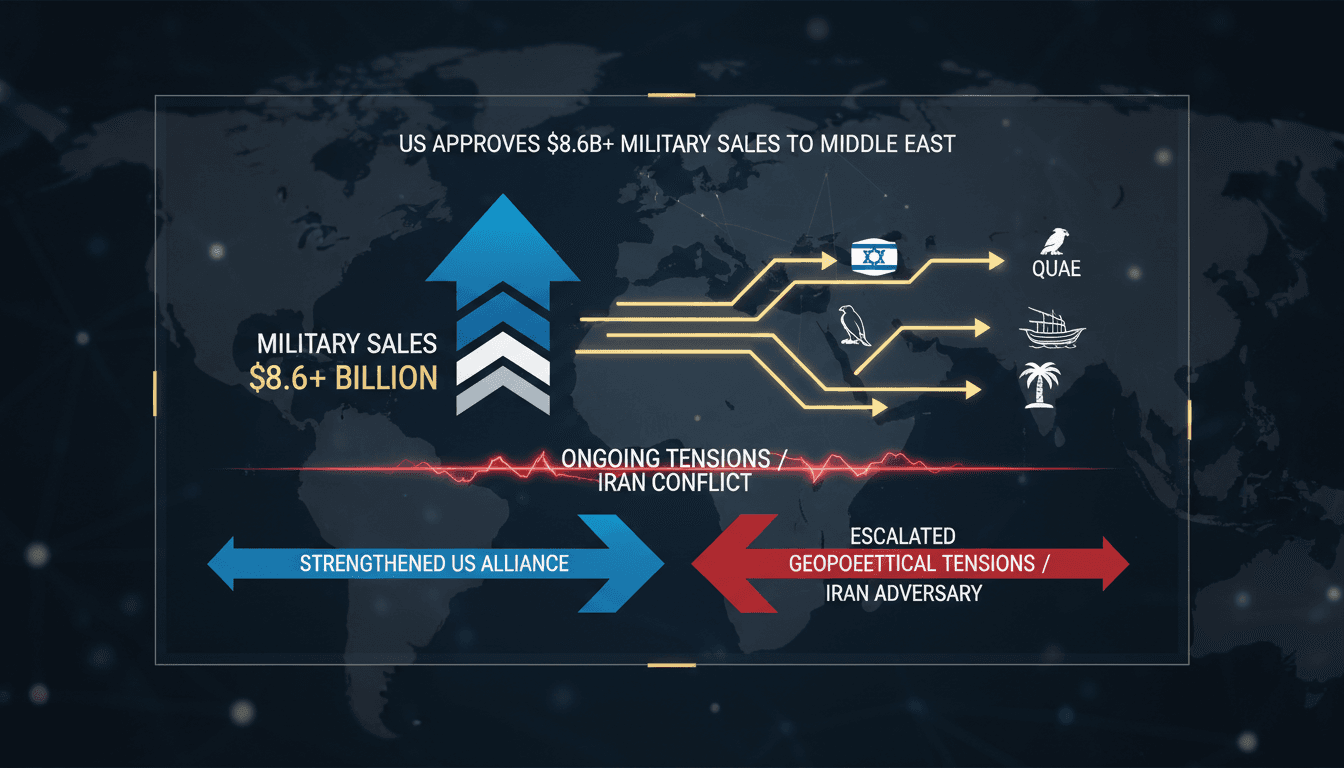
- Politics· MENA
US Pressures Lebanese President to Meet Israeli Prime Minister Amid Military Tensions
The United States is intensifying pressure on Lebanese President Joseph Aoun to meet with Israeli Prime Minister Benjamin Netanyahu. This push is occurring now due to ongoing military operations in southern Lebanon and significant internal divisions within Lebanon that complicate decision-making. The outcome of this diplomatic effort could reshape Lebanon's political landscape and its relations with Israel in the long term.
3 sourcesMay 2High
- Politics· UAE
Dubai Police Apprehend Driver Evading Traffic Violations Using Advanced Monitoring Systems
Dubai Police apprehended a driver who removed their front license plate and ran a red light. This incident highlights the immediate effectiveness of Dubai's advanced traffic monitoring technology in identifying offenders. As a result, stricter enforcement of traffic laws and increased public awareness regarding road safety are likely to follow.
4 sourcesMay 2Low
- Tech· World
Nvidia launches advanced multimodal AI model Nemotron 3 Nano Omni
Nvidia has introduced the Nemotron 3 Nano Omni, an advanced multimodal AI model that integrates text, image, video, and audio processing. This launch is driven by the need for improved accuracy and efficiency in AI technologies, particularly in handling diverse data types. The long-term implication is that this model could significantly enhance AI applications across various industries, paving the way for more integrated data processing solutions.
3 sourcesMay 2Moderate
- Politics· World
U.S. Navy contracts Domino Data Lab for AI mine detection in Strait of Hormuz
The U.S. Navy has awarded a contract to Domino Data Lab to develop AI technology for detecting underwater mines in the Strait of Hormuz. This initiative is driven by the need to enhance maritime security and counter Iranian threats in a critical shipping lane. The long-term implication is a potential shift in naval operations, significantly improving the speed and effectiveness of mine clearance, thereby safeguarding global trade routes.
5 sourcesMay 2Moderate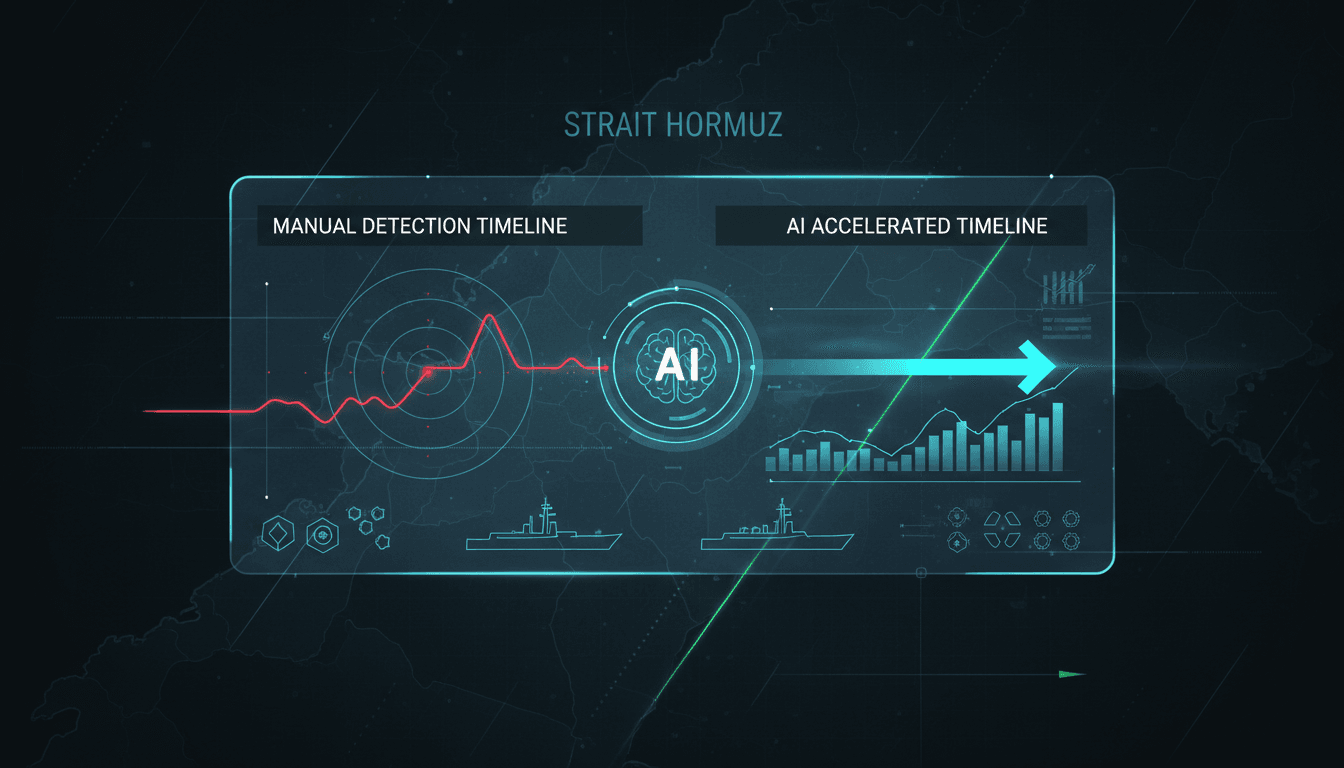
- Politics· World
U.S. and Iran Proposals Highlight Stalled Peace Negotiations Amid Ongoing Conflict
The U.S. and Iran have presented competing proposals in stalled peace negotiations aimed at resolving their ongoing conflict. This development comes as both sides seek to address critical issues, including Iran's nuclear stockpile, amid a backdrop of dissatisfaction from former President Trump regarding Iran's latest offer. The outcome of these negotiations could significantly impact regional stability and international diplomatic relations moving forward.
3 sourcesMay 2Moderate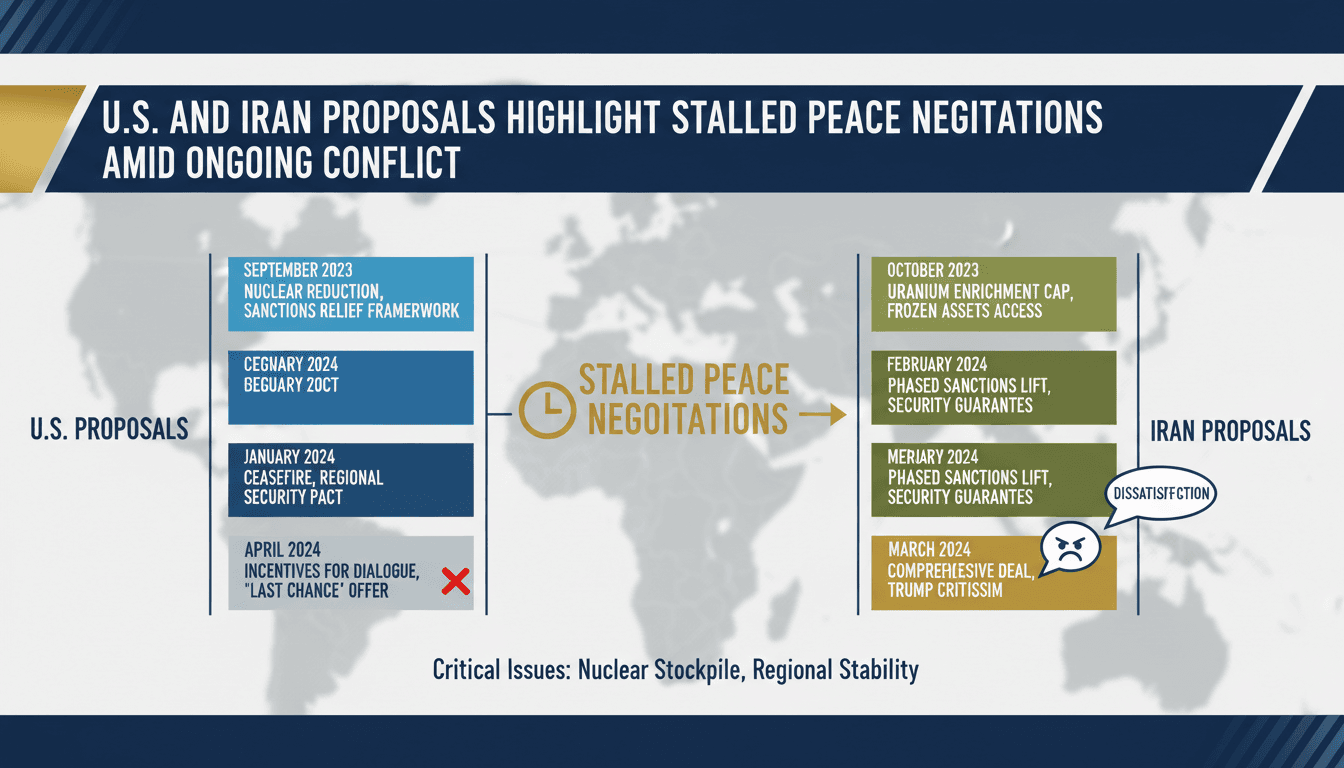
- Tech· World
AI System Redmod Detects Pancreatic Cancer 475 Days Earlier Than Traditional Methods
Researchers at the Mayo Clinic have developed an AI tool named Redmod that can identify pancreatic cancer on routine CT scans an average of 475 days before clinical diagnosis. This breakthrough is occurring now due to advancements in AI technology and its integration into medical diagnostics. The long-term implication is that early detection through AI could revolutionize cancer treatment strategies and significantly improve patient outcomes in oncology.
3 sourcesMay 2Low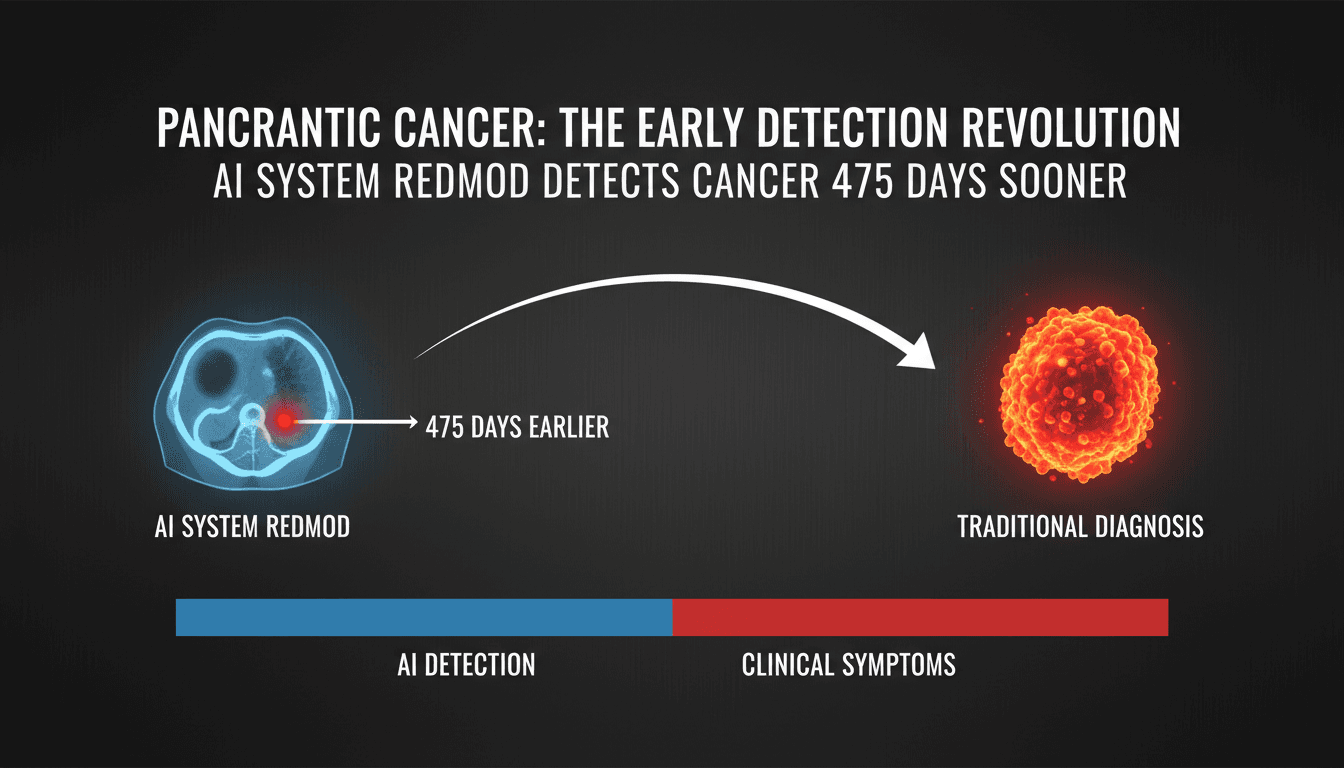
- Politics· World
Scout AI secures $100 million funding for military AI development
Scout AI has raised $100 million in a Series A funding round to enhance its AI capabilities for autonomous military operations. This funding aligns with the U.S. government's current emphasis on advancing AI technology in defense. The long-term implication is a potential shift towards more automated military systems, impacting future combat strategies.
3 sourcesMay 2Low
- Tech· World
Apple halts Vision Pro headset development after weak sales despite medical breakthroughs
Apple has ceased development of the Vision Pro headset following weak sales performance. The decision comes after the device was used in hundreds of surgeries, showcasing its potential in the medical field but ultimately failing to gain traction in the consumer market. This withdrawal raises questions about the future of AR technology in both medical and consumer sectors.
5 sourcesMay 2Low