
EasyJet reports 70% profit drop amid rising fuel costs and decreased demand
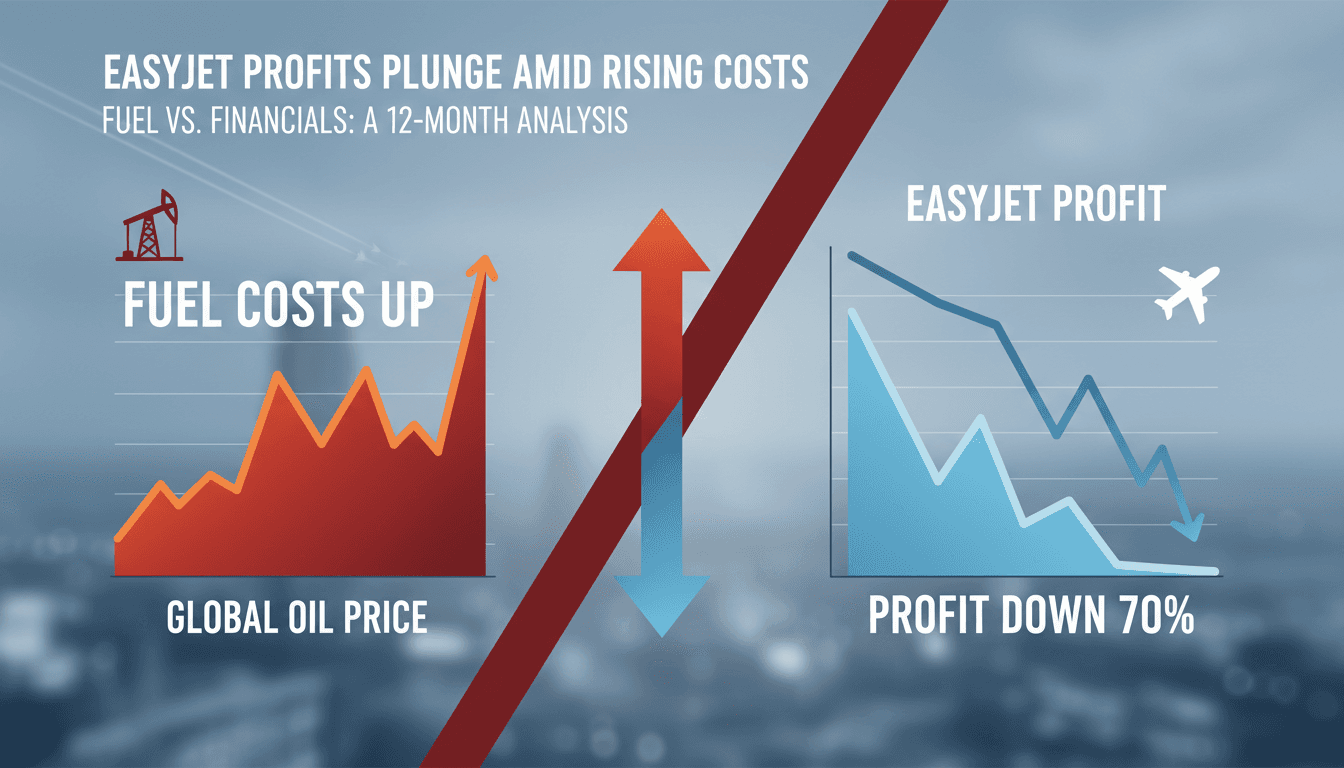
Here's what it means for you.
The significant decline in EasyJet's profits signals a challenging period for the airline industry, particularly as geopolitical tensions continue to influence operational costs. Investors and stakeholders may need to reassess their strategies in light of these developments, as rising fuel prices and shifting consumer behaviors could reshape market dynamics. As EasyJet navigates these turbulent waters, its ability to adapt will be crucial for maintaining competitiveness and securing future investments.
What happened
EasyJet has reported a staggering 70% drop in pre-tax profits for its fiscal third quarter, falling to £85 million from £286 million in the same period last year. This decline is primarily attributed to soaring fuel costs, which increased by £105 million due to the ongoing conflict in the Middle East. Additionally, a decrease in consumer demand has been noted, with passengers booking flights later than usual.
The airline's financial struggles highlight the broader impact of external factors on profitability, raising concerns about its operational viability. As EasyJet grapples with these challenges, the implications for its market positioning and future investments are becoming increasingly significant.
The Context
The ongoing conflict in the Middle East has led to higher fuel prices, directly impacting airline operations and profitability. EasyJet is currently facing a £5.7 billion takeover bid from two US investment firms, which adds another layer of complexity to its financial situation. The airline's ability to respond to these pressures will be critical as it seeks to maintain its market share.
Consumer behavior is also shifting, with passengers opting to book flights later, further complicating the airline's recovery efforts. The combination of rising energy prices and changing travel patterns underscores the volatility of the current market environment.
Takeaway
Looking ahead, it will be essential to monitor fuel price trends and their ongoing impact on airline operations. Additionally, developments regarding the potential takeover of EasyJet could significantly influence its strategic direction and financial health. The airline's ability to adapt to these challenges will be crucial for its recovery and future growth.
As geopolitical tensions persist, the airline industry may continue to face profitability pressures, affecting consumer travel behavior in the near future. Stakeholders should remain vigilant as these dynamics unfold.
UK and international business news, economics, and corporate coverage.
"The Guardian’s business section covers finance and markets with a progressive editorial tone."
— A47 Editor
EasyJet profits plunge 70% as fuel costs soar amid Iran war
EasyJet has reported a 70% decline in profits, with pre-tax earnings dropping to £85 million for the April to June period, attributed to soaring fuel costs and a trend of passengers booking flights later, exacerbated by the ongoing conflict in Iran.
News and current affairs from across Europe.
"The Guardian is known for its progressive editorial stance and in-depth analysis."
— A47 Editor
EasyJet profits plunge 70% as fuel costs soar amid Iran war
EasyJet has reported a 70% decline in profits, with pre-tax earnings dropping to £85 million for the April to June period, attributed to soaring fuel costs and a trend of passengers booking flights later, exacerbated by the ongoing conflict in Iran.
U.S. business news, corporate developments, and economy.
"The Wall Street Journal is respected for deep financial and economic reporting with a center-right editorial perspective."
— A47 Editor
Apollo Target easyJet Posts Profit Drop on Lower Demand, Fuel-Price Volatility
easyJet reported a significant profit drop, attributed to lower consumer demand and increased fuel prices, exacerbated by the ongoing conflict in the Middle East. This decline highlights the airline's vulnerability to geopolitical tensions and fluctu...
Global markets, investing, and macroeconomics from a premier financial newsroom.
"Bloomberg is respected for in-depth financial reporting and data-driven analysis."
— A47 Editor
EasyJet Profit Falls 70% Amid Higher Fuel Bill, Lower Demand
EasyJet Plc reported a staggering 70% drop in profit for its fiscal third quarter, primarily due to soaring jet fuel costs and a decline in consumer demand, which has been exacerbated by ongoing tensions in the Middle East.