
X Corp. Secures Preliminary Injunction Against Operation Bluebird Over 'Twitter' Trademark
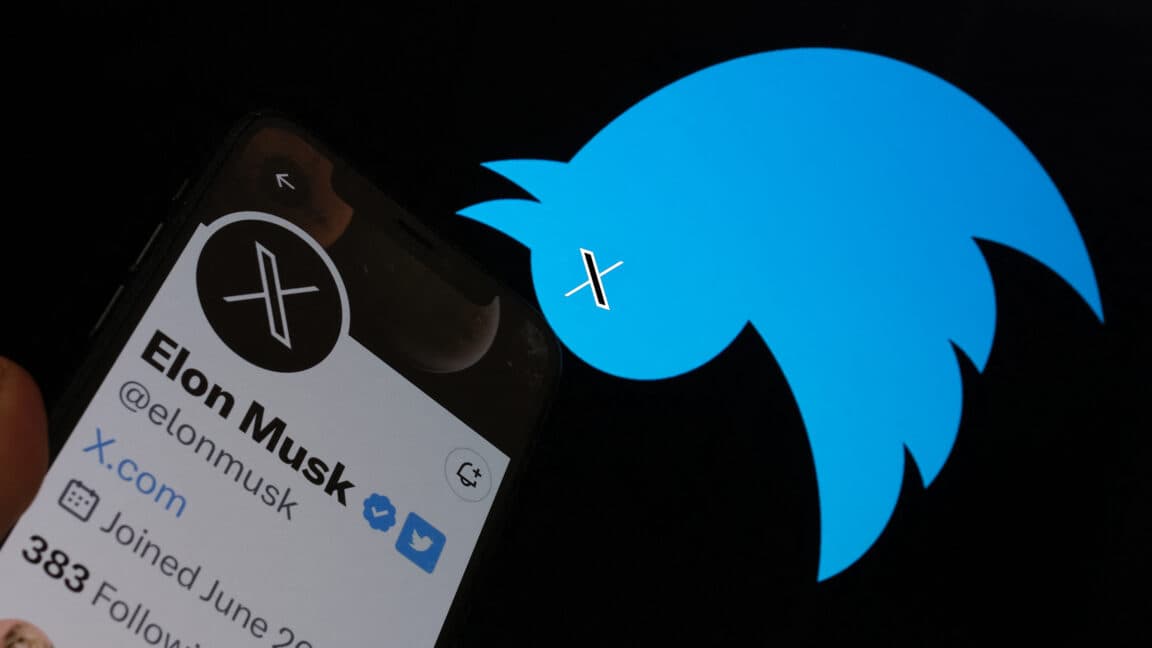
Here's what it means for you.
If you’re involved in tech startups or intellectual property, this ruling could redefine how you approach branding and trademark strategies.
Why it matters
This case highlights the complexities of trademark law in the tech industry, impacting how companies protect their brands against emerging competitors.
What happened (in 30 seconds)
- On September 3, 2026, a U.S. District Judge granted X Corp. a preliminary injunction against Operation Bluebird, blocking the use of the 'Twitter' name.
- X Corp. successfully argued that it maintained rights to the 'Twitter' trademark while the court found likely abandonment of the 'tweet' mark and bird logo.
- Operation Bluebird was allowed to rebrand to Tweet.app and continue using the 'tweet' and bird logo, indicating a partial win for both parties.
The context you actually need
- Elon Musk's acquisition of Twitter in 2022 for $44 billion led to a complete rebranding to X, which included removing the Twitter name and associated trademarks.
- Operation Bluebird, formed in 2025, aimed to launch a rival service under the Twitter name, claiming that X Corp. had abandoned its trademarks.
- The court's ruling reflects a nuanced interpretation of trademark law, balancing brand protection with the rights of new market entrants.
What's really happening
The recent ruling in the trademark dispute between X Corp. and Operation Bluebird underscores the intricate dynamics of brand ownership and market competition in the tech sector. Following Elon Musk's acquisition of Twitter and its subsequent rebranding to X, the company sought to eliminate all associations with the former brand, including its name, logo, and terminology. This strategic move was intended to establish a new identity and direction for the platform, distancing it from its past.
However, the emergence of Operation Bluebird, a startup aiming to capitalize on the residual value of the Twitter brand, posed a significant challenge. By filing petitions to cancel X's trademarks and announcing plans for a member-owned service under the domain twitter.new, Bluebird claimed that X had abandoned its rights to the Twitter name. This assertion was rooted in U.S. trademark law, which allows for the cancellation of trademarks if they are deemed abandoned due to non-use.
In the court's ruling, Judge Colm F. Connolly found that X Corp. had demonstrated a likelihood of success on its claims regarding the 'Twitter' name, primarily due to its continued use in the Apple App Store listing and the consumer association with the brand. This aspect of the ruling reinforces the importance of active brand management and the necessity for companies to maintain their trademarks through consistent use.
Conversely, the judge determined that X Corp. had likely abandoned the 'tweet' mark and bird logo, which were no longer in active use following the rebranding. This part of the ruling illustrates the delicate balance courts must strike between protecting established brands and allowing new entrants to innovate and compete in the marketplace. As a result, Operation Bluebird was permitted to rebrand to Tweet.app, allowing it to leverage some of the familiar terminology associated with Twitter while navigating the legal landscape.
The implications of this ruling extend beyond the immediate parties involved. It serves as a cautionary tale for tech startups and established companies alike about the importance of maintaining trademark rights and the potential consequences of rebranding. As the case continues, with a potential trial set for 2027, the outcome may further clarify the boundaries of trademark law in the digital age, influencing how companies approach branding and competition in the future.
Who feels it first (and how)
- Tech startups: They must navigate trademark laws carefully to avoid infringement and ensure brand protection.
- Investors: They will be cautious about funding ventures that may face legal challenges over branding.
- Consumers: They may experience confusion as brands evolve and rebrand, impacting their loyalty and engagement.
What to watch next
- Trial developments: Keep an eye on the upcoming trial in 2027, which could set precedents for trademark law in tech.
- Market reactions: Watch how competitors respond to this ruling and whether new entrants emerge under different branding strategies.
- Legislative changes: Monitor any shifts in trademark law that may arise from this case, potentially affecting how brands are protected in the digital landscape.
X Corp. retains rights to the 'Twitter' name, while Operation Bluebird can use 'tweet' and the bird logo.
The ongoing litigation will influence future trademark disputes in the tech sector.
The long-term impact on consumer perception and brand loyalty remains to be seen.
Frequently Asked Questions
- Why it matters?
- This case highlights the complexities of trademark law in the tech industry, impacting how companies protect their brands against emerging competitors.
- What happened (in 30 seconds)?
- On September 3, 2026, a U.S. District Judge granted X Corp. a preliminary injunction against Operation Bluebird, blocking the use of the 'Twitter' name. X Corp. successfully argued that it maintained rights to the 'Twitter' trademark while the court found likely abandonment of the 'tweet' mark and bird logo. Operation Bluebird was allowed to rebrand to Tweet.app and continue using the 'tweet' and bird logo, indicating a partial win for both parties.
- What's really happening?
- The recent ruling in the trademark dispute between X Corp. and Operation Bluebird underscores the intricate dynamics of brand ownership and market competition in the tech sector. Following Elon Musk's acquisition of Twitter and its subsequent rebranding to X, the company sought to eliminate all associations with the former brand, including its name, logo, and terminology. This strategic move was intended to establish a new identity and direction for the platform, distancing it from its past. Ho
- Who feels it first (and how)?
- Tech startups: They must navigate trademark laws carefully to avoid infringement and ensure brand protection. Investors: They will be cautious about funding ventures that may face legal challenges over branding. Consumers: They may experience confusion as brands evolve and rebrand, impacting their loyalty and engagement.
- What to watch next?
- Trial developments: Keep an eye on the upcoming trial in 2027, which could set precedents for trademark law in tech. Market reactions: Watch how competitors respond to this ruling and whether new entrants emerge under different branding strategies. Legislative changes: Monitor any shifts in trademark law that may arise from this case, potentially affecting how brands are protected in the digital landscape.
Consumer technology news with AI coverage.
"Gadget and tech site reporting on AI in products."
— A47 Editor
New Twitter rebrands to Tweet.app after court's double-edged ruling
A federal court has ruled that the name 'Twitter' is off-limits, leading to the rebranding of the platform to Tweet.app, while allowing the continued use of the terms 'tweet' and the bird logo. This decision comes amid ongoing legal disputes involvin...
Covers consumer technology, electronics, gadgets, and product reviews.
"Engadget is a trusted source for gadget reviews and consumer tech news, known for its hands-on analysis and industry coverage."
— A47 Editor
New Twitter rebrands to Tweet.app after court's double-edged ruling
A federal court has ruled that the name 'Twitter' is off-limits, leading to the rebranding of the platform to Tweet.app, while allowing the continued use of the terms 'tweet' and the bird logo. This decision comes amid ongoing legal disputes involvin...
Startup news with frequent AI coverage.
"Covers launches, funding, and product updates in AI."
— A47 Editor
Judge blocks X rival from using Twitter name, but allows ‘Tweet’ for now
A federal judge has temporarily prohibited a rival of X from using the Twitter name, while determining that X is likely to have abandoned the trademark for the term 'Tweet' and its associated bird logo. The startup has since rebranded itself as Tweet...
In-depth reporting on tech, policy, and science including AI.
"Respected analysis for technically savvy readers, including AI topics."
— A47 Editor
Musk wins court order to block use of “Twitter,” but not “tweet” and bird logo
Elon Musk has secured a court order that prohibits the use of the name “Twitter” while allowing the continued use of the terms “tweet” and the bird logo. This ruling enables Musk to block the use of the Twitter name in the App Store, reinforcing his ...
In-depth coverage of hardware, software, science, and policy.
"Ars Technica provides expert technology news, hardware reviews, and analysis for a technically savvy audience."
— A47 Editor
Musk wins court order to block use of “Twitter,” but not “tweet” and bird logo
Elon Musk has secured a court order that prohibits the use of the name “Twitter” while allowing the continued use of the terms “tweet” and the bird logo. This ruling enables Musk to block the use of the Twitter name in the App Store, reinforcing his ...