
Taco Bell recovers from cyclospora outbreak linked to shredded lettuce
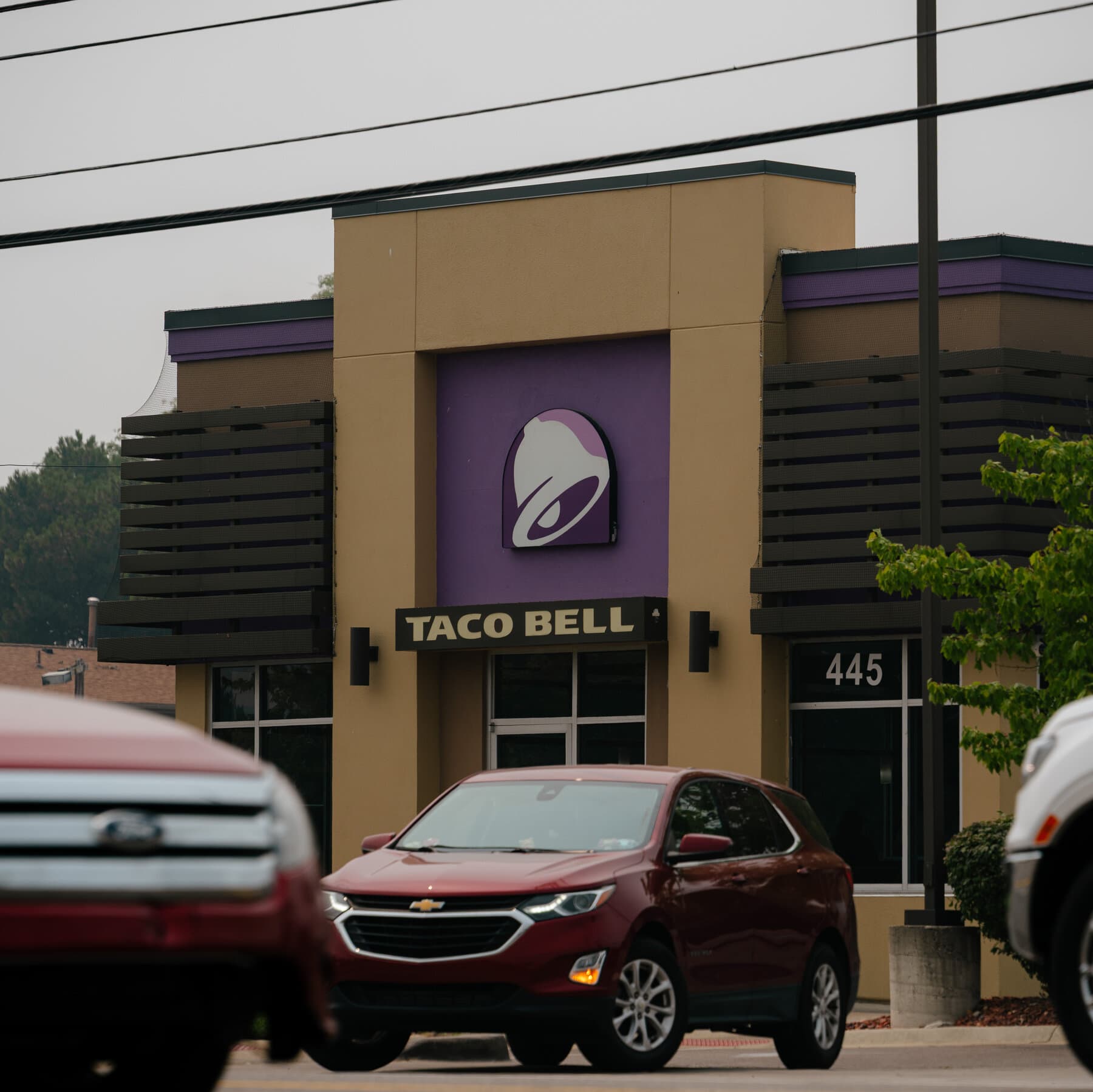
Here's what it means for you.
Taco Bell's recovery from a cyclospora outbreak highlights the critical importance of food safety in the fast-food industry. As consumer trust is regained through transparency, other chains may need to reassess their crisis management strategies. This incident serves as a reminder that swift and clear communication can mitigate long-term damage to brand reputation.
What happened
Taco Bell recently faced a significant cyclospora outbreak linked to its shredded lettuce, which adversely affected sales and consumer trust. The outbreak has been characterized as one of the largest food-safety crises in the company's history. In response, Yum Brands, Taco Bell's parent company, has taken proactive measures to address the situation and reassure customers.
Public health officials confirmed the connection between the outbreak and the shredded lettuce used in Taco Bell's menu items. Following the incident, Yum Brands reported signs of recovery, indicating that their efforts to regain consumer trust are beginning to pay off. The company's transparent approach has been pivotal in stabilizing sales during this challenging period.
The Context
Yum Brands oversees Taco Bell and has emphasized the importance of transparency in its response to the outbreak. This incident not only poses challenges for Taco Bell but also raises broader questions about food safety practices across the fast-food industry. The timing of the outbreak, occurring in July 2026, coincided with heightened consumer awareness regarding food safety.
As one of the largest food-safety crises in Taco Bell's history, this outbreak underscores the need for fast-food chains to prioritize food safety measures. The company's proactive communication strategy may set a new standard for how similar incidents are managed in the future.
Takeaway
Looking ahead, Taco Bell's recovery efforts will be crucial in shaping the future of food safety management within the fast-food sector. Monitoring the company's sales performance in the coming quarters will provide insights into the effectiveness of their recovery strategy. Additionally, developments regarding food safety regulations in the industry will be important to watch as they may influence operational practices across the board.
The emphasis on transparency and consumer trust will likely remain a focal point for Taco Bell as it navigates the aftermath of this outbreak. This incident may serve as a case study for other fast-food chains on how to effectively manage food safety crises.
Markets, economy, and company analysis from NYT’s business desk.
"The New York Times is a globally recognized newspaper offering authoritative reporting with a center-left editorial stance."
— A47 Editor
Taco Bell Sales Recover Following Cyclospora Outbreak
Taco Bell is experiencing a recovery in sales following a significant downturn caused by a cyclospora outbreak linked to its lettuce supply, which resulted in thousands of reported illnesses. Transparency in addressing the issue and removing affected...
U.S. business news, corporate developments, and economy.
"The Wall Street Journal is respected for deep financial and economic reporting with a center-right editorial perspective."
— A47 Editor
Yum Brands Says It’s Moving Quickly to Address Cyclospora Outbreak
Yum Brands is responding swiftly to a cyclospora outbreak linked to shredded lettuce used in Taco Bell's menu items, which has been associated with thousands of reported illnesses across multiple states, particularly Michigan. Public health officials...
Market-moving headlines impacting equities, bonds, and related risk assets.
"Real-time catalysts and volatility drivers across indices and sectors."
— A47 Editor
Yum posts solid results, cyclospora outbreak threatens Taco Bell momentum
Yum Brands reported solid financial results; however, a cyclospora outbreak linked to Taco Bell's lettuce supply poses a significant threat to the fast-food chain's momentum, with thousands of reported illnesses affecting customer visits.