
Amazon to Expand Prime Air Drone Delivery to Nearly 500 US Locations by 2026
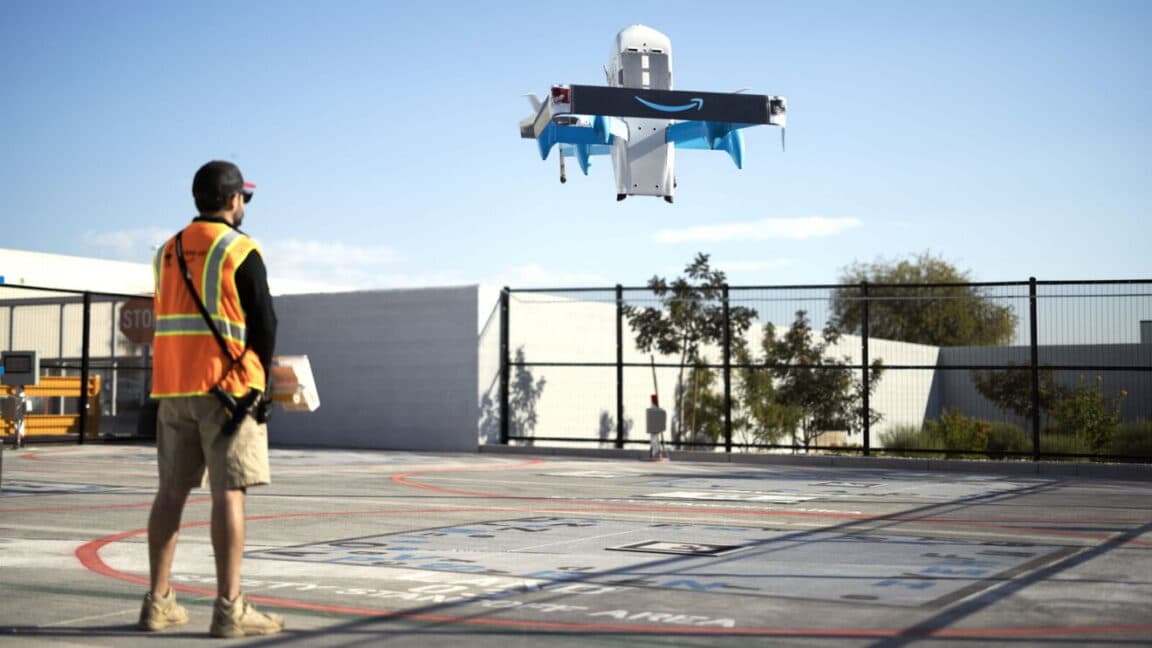
Here's what it means for you.
If you live in the U.S., expect faster deliveries and potential changes in local regulations as Amazon expands its drone delivery service.
Why it matters
This expansion signals a significant shift in last-mile logistics, impacting consumer convenience and environmental considerations.
What happened (in 30 seconds)
- Amazon announced plans to expand its Prime Air drone delivery service to nearly 500 U.S. cities and towns by the end of 2026.
- Eligible items weighing up to five pounds will be delivered in as little as 30 minutes, increasing from 11 operational sites to a projected sixfold expansion.
- Community concerns over noise and safety are prompting regulatory scrutiny and public feedback as the rollout progresses.
The context you actually need
- Amazon's Prime Air has been operational in limited areas since receiving FAA certification, focusing on suburban regions.
- Competitors like Walmart and Zipline are also scaling their drone delivery services, indicating a broader industry trend toward autonomous logistics.
- Local communities have raised concerns about drone noise and safety, leading to protests and regulatory investigations into prior incidents.
What's really happening
Amazon's ambitious plan to expand its Prime Air drone delivery service to nearly 500 U.S. cities and towns by the end of 2026 is a strategic response to growing consumer demand for rapid, low-emission delivery options. Currently, Amazon operates from 11 locations across seven states, including major urban centers like Phoenix and Tampa. The expansion aims to cover approximately 175 square miles per site, allowing for deliveries of eligible items within 30 to 60 minutes.
This initiative is not just about convenience; it reflects a significant shift in logistics and supply chain management. As e-commerce continues to grow, the demand for efficient last-mile delivery solutions has surged. Drones offer a potential solution to the challenges of urban congestion and environmental impact, as they can reduce reliance on traditional delivery vehicles that contribute to traffic and emissions.
However, the expansion is not without its challenges. Community feedback has been mixed, with many residents expressing concerns over the noise generated by drones, which has been likened to leaf blowers or small helicopters. This has led to noise complaints filed with the FAA and public protests in various locations, including Richardson, Texas. Amazon has attempted to address these concerns through outreach efforts and by emphasizing the safety features of its drones, which include onboard systems designed to prevent collisions.
Regulatory oversight from the FAA is another critical factor in this expansion. The agency has been scrutinizing drone operations closely, especially following previous safety incidents that prompted investigations. As Amazon scales its operations, it must navigate these regulatory hurdles while ensuring community safety and satisfaction.
The competitive landscape is also evolving, with other companies like Walmart and Zipline ramping up their drone delivery capabilities. Walmart recently celebrated a milestone of one million drone deliveries, showcasing the growing acceptance and demand for this technology. As these companies vie for market share, the pressure will be on Amazon to deliver not only on speed but also on safety and community relations.
In summary, Amazon's drone delivery expansion is a multifaceted initiative that aims to reshape logistics while addressing consumer demands and regulatory challenges. The outcome of this expansion will likely influence how goods are delivered in the future, setting a precedent for other companies in the industry.
Who feels it first (and how)
- Consumers: Expect faster delivery times and potentially lower delivery costs.
- Local businesses: May face increased competition from Amazon's rapid delivery capabilities.
- Regulatory bodies: Will need to address safety and noise concerns as drone operations expand.
- Logistics companies: Must adapt to the changing landscape of delivery methods and consumer expectations.
What to watch next
- Community feedback: Monitor how local residents respond to drone deliveries and any resulting regulatory changes.
- Regulatory developments: Keep an eye on FAA decisions regarding drone operations and safety protocols.
- Competitor actions: Watch for how other companies like Walmart and Zipline respond to Amazon's expansion and their own delivery innovations.
Amazon plans to expand its drone delivery service to nearly 500 locations by the end of 2026.
Community concerns will lead to ongoing discussions about noise and safety regulations.
The long-term impact on local businesses and traditional delivery services remains to be seen.
Frequently Asked Questions
- Why it matters?
- This expansion signals a significant shift in last-mile logistics, impacting consumer convenience and environmental considerations.
- What happened (in 30 seconds)?
- Amazon announced plans to expand its Prime Air drone delivery service to nearly 500 U.S. cities and towns by the end of 2026. Eligible items weighing up to five pounds will be delivered in as little as 30 minutes, increasing from 11 operational sites to a projected sixfold expansion. Community concerns over noise and safety are prompting regulatory scrutiny and public feedback as the rollout progresses.
- What's really happening?
- Amazon's ambitious plan to expand its Prime Air drone delivery service to nearly 500 U.S. cities and towns by the end of 2026 is a strategic response to growing consumer demand for rapid, low-emission delivery options. Currently, Amazon operates from 11 locations across seven states, including major urban centers like Phoenix and Tampa. The expansion aims to cover approximately 175 square miles per site, allowing for deliveries of eligible items within 30 to 60 minutes. This initiative is not j
- Who feels it first (and how)?
- Consumers: Expect faster delivery times and potentially lower delivery costs. Local businesses: May face increased competition from Amazon's rapid delivery capabilities. Regulatory bodies: Will need to address safety and noise concerns as drone operations expand. Logistics companies: Must adapt to the changing landscape of delivery methods and consumer expectations.
- What to watch next?
- Community feedback: Monitor how local residents respond to drone deliveries and any resulting regulatory changes. Regulatory developments: Keep an eye on FAA decisions regarding drone operations and safety protocols. Competitor actions: Watch for how other companies like Walmart and Zipline respond to Amazon's expansion and their own delivery innovations.
Corporate leadership, finance, technology, and market trends.
"Fortune covers financial trends, leadership, and innovation with a pragmatic editorial approach."
— A47 Editor
Amazon isn’t giving up on Jeff Bezos’ drone deliveries dream—and after 13 years of turbulence, the momentum is finally shifting
Amazon has announced a significant expansion of its drone delivery service, planning to reach nearly 500 cities and towns across the U.S. by the end of this year, marking a sixfold increase from its current capabilities. This move reflects the compan...
In-depth reporting on tech, policy, and science including AI.
"Respected analysis for technically savvy readers, including AI topics."
— A47 Editor
Amazon aims for delivery drones to reach 500 US neighborhoods by end of 2026
Amazon has announced plans to expand its Prime Air drone delivery service to reach nearly 500 neighborhoods across the United States by the end of 2026, enhancing its logistics capabilities. This expansion includes major metropolitan areas such as Ch...
In-depth coverage of hardware, software, science, and policy.
"Ars Technica provides expert technology news, hardware reviews, and analysis for a technically savvy audience."
— A47 Editor
Amazon aims for delivery drones to reach 500 US neighborhoods by end of 2026
Amazon has announced plans to expand its Prime Air drone delivery service to reach nearly 500 neighborhoods across the United States by the end of 2026, enhancing its logistics capabilities. This expansion includes major metropolitan areas such as Ch...
Macro commentary, policy analysis, growth/inflation themes, and global outlooks.
"Contextual macro coverage that complements day-to-day market headlines."
— A47 Editor
Amazon plans drone delivery expansion to about 500 US locales
Amazon has announced plans to expand its drone delivery service to approximately 500 locations across the United States by the end of the year, marking a significant increase from its current operational capacity. This expansion reflects a renewed co...
Startup news with frequent AI coverage.
"Covers launches, funding, and product updates in AI."
— A47 Editor
Amazon’s Prime Air is taking off in nearly 500 US cities
Amazon is expanding its Prime Air drone delivery service to nearly 500 cities across the United States by the end of 2026, marking a significant increase in its operational footprint. This expansion includes major metropolitan areas such as Chicago a...
Tech news, hardware, and AI tools coverage.
"PC/tech site increasingly covering AI hardware and apps."
— A47 Editor
Amazon to bring 30-minute drone delivery to 500 US locations by the end of 2026
Amazon has announced plans to expand its drone delivery service, Prime Air, to nearly 500 locations across the United States by the end of 2026, significantly increasing its operational footprint. This expansion follows over a decade of development a...