
AMC CEO Adam Aron Criticizes Robinhood for Unauthorized Tokenization of AMC Stock
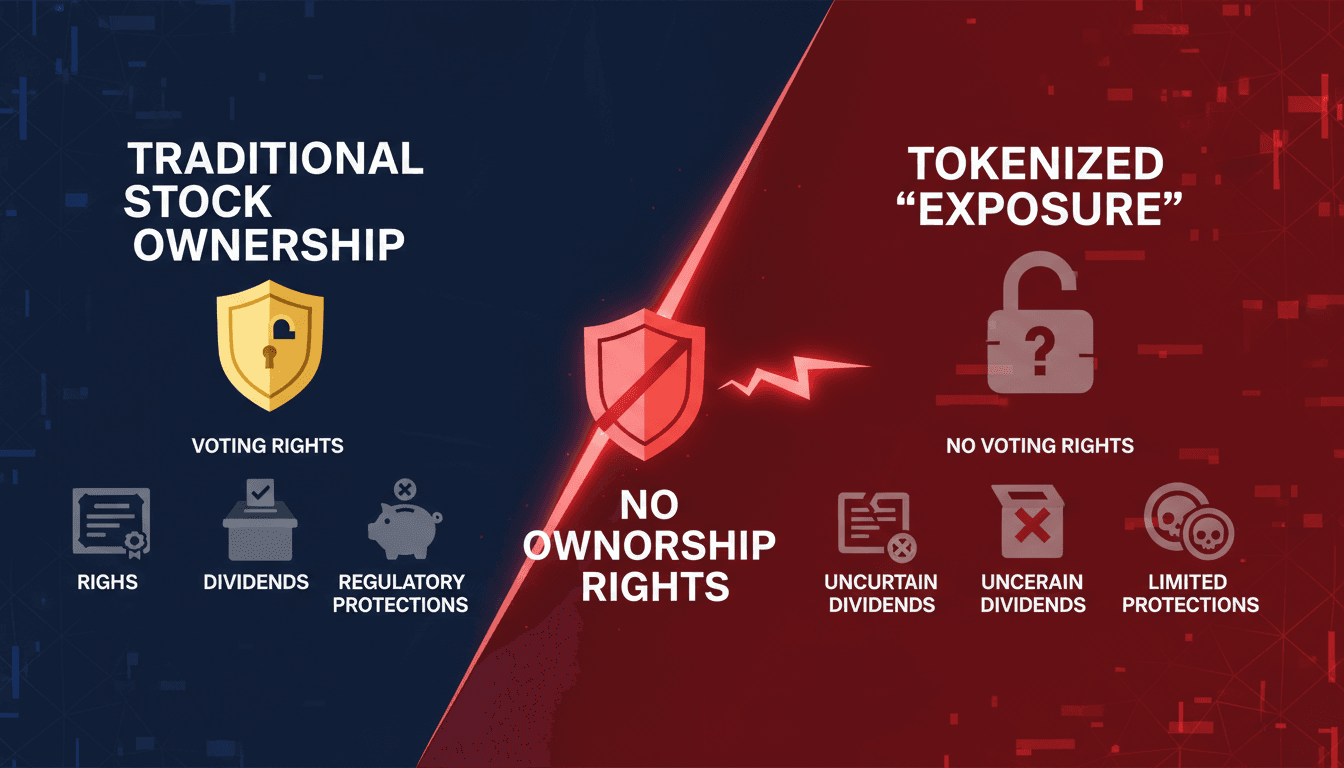
Here's what it means for you.
If you hold stocks or are involved in trading, the ongoing dispute between AMC and Robinhood could reshape how you view ownership and rights in the evolving landscape of tokenized assets.
Why it matters
This dispute highlights significant regulatory gaps in the tokenization of real-world assets, impacting investor rights and market integrity.
What happened (in 30 seconds)
- Adam Aron, CEO of AMC Entertainment, publicly condemned Robinhood's tokenization of AMC stock on September 3, 2026, after discovering it had occurred without AMC's consent.
- Robinhood's offshore issuance of synthetic stock tokens has raised concerns about compliance and investor rights, as these tokens do not confer ownership or voting rights.
- AMC's stock surged 21% overnight following Aron's statements, escalating the debate on tokenization models ahead of an upcoming SEC roundtable.
The context you actually need
- Robinhood Chain launched on July 1, 2026, allowing for the tokenization of real-world assets, including stocks, through its offshore affiliate in Jersey.
- AMC and other public companies face extensive U.S. securities compliance obligations, creating perceived inequities with offshore structures that can issue synthetic instruments without similar oversight.
- Previous criticisms from companies like OpenAI have surfaced regarding synthetic instruments that provide price exposure without shareholder rights, indicating a broader industry concern.
What's really happening
The conflict between AMC and Robinhood underscores a critical tension in the financial markets regarding the tokenization of assets. Tokenization, the process of converting rights to an asset into a digital token on a blockchain, has gained traction as a method to enhance liquidity and accessibility. However, the practice raises significant questions about ownership rights and regulatory compliance.
Adam Aron’s vehement condemnation of Robinhood's actions stems from the fact that AMC, like many public companies, incurs substantial costs to comply with SEC regulations. These costs include extensive reporting and governance requirements designed to protect shareholders. In contrast, Robinhood's issuance of tokenized stocks through its offshore entity allows it to sidestep these regulations, creating a scenario where investors can gain economic exposure to AMC stock without the protections typically afforded to shareholders.
This situation is particularly concerning for investors who may not fully understand the implications of holding tokenized assets. Unlike traditional shares, which confer ownership rights, voting rights, and protections under U.S. law, the synthetic tokens issued by Robinhood do not provide these benefits. This discrepancy raises the risk of creating a two-tiered market where some investors are left vulnerable to the whims of unregulated financial products.
The public feud has also drawn attention to the broader implications of tokenization in the financial ecosystem. As companies like AMC grapple with the challenges posed by synthetic instruments, the upcoming SEC roundtable on September 17, 2026, will be crucial. This event will feature key industry players, including BlackRock and Nasdaq, and is expected to address the regulatory landscape surrounding tokenized instruments. The outcome could set important precedents for how tokenization is regulated in the future.
Moreover, the rapid rise in AMC's stock price following Aron's statements indicates that investor sentiment is highly reactive to these developments. This volatility could lead to increased scrutiny from regulators and a push for clearer guidelines on the issuance and trading of tokenized assets.
Who feels it first (and how)
- Retail investors: Those trading on platforms like Robinhood may face confusion and risk regarding their ownership rights.
- Public companies: Firms like AMC that comply with U.S. regulations may feel pressured to adapt to a changing market landscape.
- Regulators: The SEC and other regulatory bodies will need to address the implications of tokenized assets to protect investors and maintain market integrity.
What to watch next
- SEC roundtable outcomes: The discussions on September 17, 2026, could lead to new regulations affecting tokenized assets, impacting how companies and investors operate.
- Market reactions: Watch for fluctuations in AMC's stock and other companies involved in tokenization as the situation evolves.
- Robinhood's product developments: Any changes in Robinhood's approach to tokenized stocks could signal shifts in the broader market dynamics.
AMC's stock price reacted positively to the public statements made by Adam Aron.
Increased regulatory scrutiny on tokenized assets will emerge as a result of this dispute.
The long-term impact on investor behavior and market structure remains to be seen.
Frequently Asked Questions
- Why it matters?
- This dispute highlights significant regulatory gaps in the tokenization of real-world assets, impacting investor rights and market integrity.
- What happened (in 30 seconds)?
- Adam Aron, CEO of AMC Entertainment, publicly condemned Robinhood's tokenization of AMC stock on September 3, 2026, after discovering it had occurred without AMC's consent. Robinhood's offshore issuance of synthetic stock tokens has raised concerns about compliance and investor rights, as these tokens do not confer ownership or voting rights. AMC's stock surged 21% overnight following Aron's statements, escalating the debate on tokenization models ahead of an upcoming SEC roundtable.
- What's really happening?
- The conflict between AMC and Robinhood underscores a critical tension in the financial markets regarding the tokenization of assets. Tokenization, the process of converting rights to an asset into a digital token on a blockchain, has gained traction as a method to enhance liquidity and accessibility. However, the practice raises significant questions about ownership rights and regulatory compliance. Adam Aron’s vehement condemnation of Robinhood's actions stems from the fact that AMC, like many
- Who feels it first (and how)?
- Retail investors: Those trading on platforms like Robinhood may face confusion and risk regarding their ownership rights. Public companies: Firms like AMC that comply with U.S. regulations may feel pressured to adapt to a changing market landscape. Regulators: The SEC and other regulatory bodies will need to address the implications of tokenized assets to protect investors and maintain market integrity.
- What to watch next?
- SEC roundtable outcomes: The discussions on September 17, 2026, could lead to new regulations affecting tokenized assets, impacting how companies and investors operate. Market reactions: Watch for fluctuations in AMC's stock and other companies involved in tokenization as the situation evolves. Robinhood's product developments: Any changes in Robinhood's approach to tokenized stocks could signal shifts in the broader market dynamics.
Real-time updates, analysis, and reports on the blockchain and cryptocurrency sectors.
"Crypto News delivers real-time updates, analysis, and reports on the blockchain and cryptocurrency sectors."
— A47 Editor
AMC’s CEO lost his mind over a Robinhood token he did not know existed
AMC CEO Adam Aron expressed outrage after discovering that Robinhood had tokenized AMC stock on its own blockchain without notifying the company, leading to a corporate dispute over the legitimacy and control of these financial products.
Covers blockchain, cryptocurrency news, project analysis, and market insights.
"CoinDesk is a well-established cryptocurrency and blockchain news provider, offering comprehensive insights, market data, and industry research."
— A47 Editor
Robinhood isn't backing down after AMC CEO demands halt to stock tokens
Robinhood is facing backlash from AMC CEO Adam Aron, who has labeled the brokerage's stock tokens as 'synthetic equity' and has threatened legal action to halt their trading. Vlad Tenev, Robinhood's CEO, has defended the product, asserting the compan...
Covers blockchain, cryptocurrency news, project analysis, and market insights.
"Cointelegraph is a leading crypto-focused media outlet known for timely news, analysis, and educational content related to blockchain and digital assets."
— A47 Editor
AMC chief criticizes Robinhood’s tokenized stock plan
AMC's CEO, Adam Aron, has publicly criticized Robinhood's introduction of tokenized stocks, labeling them as unregulated in the U.S. and indicating plans to request an investigation from external securities counsel. This criticism highlights concerns...
Covers blockchain, cryptocurrency news, project analysis, and market insights.
"CoinDesk is a well-established cryptocurrency and blockchain news provider, offering comprehensive insights, market data, and industry research."
— A47 Editor
AMC CEO blasts Robinhood for stock token, putting synthetic shares in spotlight
Adam Aron, CEO of AMC, criticized Robinhood for its introduction of tokenized stocks, asserting that AMC has no affiliation with these synthetic shares. This statement has reignited discussions about the implications of tokenization in stock trading ...