
Etihad Rail and Dubai Metro Integration Enhances Inter-Emirate Travel in UAE
Why it matters
This integration significantly enhances inter-emirate connectivity, reducing reliance on road travel and promoting sustainable transport.
What happened (in 30 seconds)
- Integration announced: On September 16, 2026, plans were revealed to connect Etihad Rail passenger services with Dubai's Metro network.
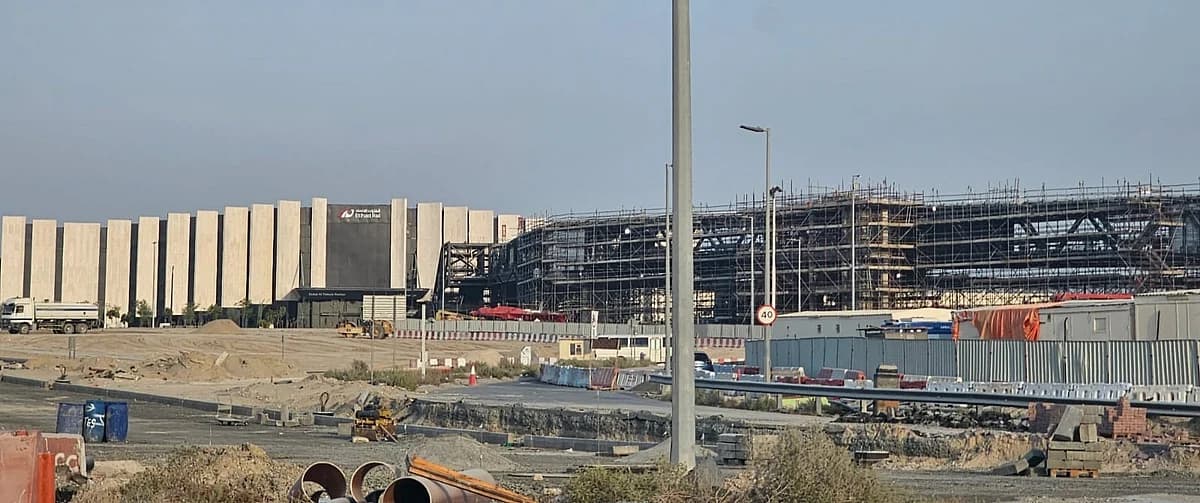
- New station opening: The Al Yalayis station in Dubai will open on September 30, 2026, facilitating direct transfers to the Metro Red Line.
- Future expansions: High-speed rail links are planned to cut travel time between Abu Dhabi and Dubai to approximately 30 minutes.
The context you actually need
- National rail initiative: The UAE has been developing its rail infrastructure since 2016 to alleviate road congestion and enhance connectivity.
- Dubai Metro expansion: The Metro system, operational since 2009, is undergoing significant expansion under the Dubai Rail Network Plan 2032.
- Sustainability goals: The integration aligns with the UAE's broader objectives of reducing emissions and supporting economic growth through improved transport options.
What's really happening
The integration of Etihad Rail and Dubai Metro is a strategic move to reshape inter-emirate travel in the UAE. With the opening of the Al Yalayis station, passengers will have direct access to the Metro Red Line, allowing for seamless transfers to various destinations across Dubai. This connectivity is not just about convenience; it reflects a larger vision of reducing road dependency and promoting sustainable transport solutions.
The UAE has long recognized the need for a robust rail infrastructure to support its growing population and economy. The Etihad Rail project, which began freight operations in 2016, has now expanded to include passenger services, with the first phase launching in June 2026. The planned high-speed rail corridor will enable travel between Abu Dhabi and Dubai in about 30 minutes, a significant reduction from current travel times. This is particularly important as both cities serve as the primary commercial hubs in the UAE, with a high volume of daily commuters, students, and tourists.
The integration is also designed to enhance the user experience. The compatibility of the Nol card across both systems will simplify fare payments, while first and last-mile connections via buses and shuttles will ensure that passengers can easily reach their final destinations. The use of multimodal transport apps like Citymapper will further streamline the travel experience, making it easier for users to plan their journeys.
Moreover, the anticipated increase in passenger numbers—projected at 36.5 million annually by 2030—highlights the demand for efficient inter-emirate travel solutions. This surge in ridership is expected to lead to a decrease in private vehicle use, particularly on busy routes like Sheikh Zayed Road, which could alleviate congestion and reduce emissions.
The integration also has implications for real estate and tourism. Properties near the new stations may see increased value due to improved accessibility, while tourists will benefit from easier access to attractions across both emirates. Overall, this initiative is a critical step towards a more interconnected and sustainable transportation network in the UAE.
Who feels it first (and how)
- Commuters: Daily travelers between Abu Dhabi and Dubai will experience reduced travel times and increased convenience.
- Students: Those attending universities in either emirate will benefit from easier access to educational institutions.
- Tourists: Visitors will find it simpler to explore both cities without relying on private vehicles.
- Real estate investors: Property values near new stations may rise due to enhanced accessibility.
- Transport operators: Companies involved in shuttle services and multimodal transport apps will see increased demand.
What to watch next
- Station openings: Monitor the progress of new station openings and their impact on commuter patterns.
- Ridership statistics: Keep an eye on passenger numbers as services expand, particularly after the Al Yalayis station opens.
- Real estate trends: Watch for shifts in property values near the new rail stations as connectivity improves.
The Al Yalayis station will open on September 30, 2026, facilitating transfers to the Metro.
Increased ridership will lead to a reduction in private vehicle use on major roads.
The long-term impact on property values near the new stations remains to be seen.
Frequently Asked Questions
- Why it matters?
- This integration significantly enhances inter-emirate connectivity, reducing reliance on road travel and promoting sustainable transport.
- What happened (in 30 seconds)?
- Integration announced: On September 16, 2026, plans were revealed to connect Etihad Rail passenger services with Dubai's Metro network. New station opening: The Al Yalayis station in Dubai will open on September 30, 2026, facilitating direct transfers to the Metro Red Line. Future expansions: High-speed rail links are planned to cut travel time between Abu Dhabi and Dubai to approximately 30 minutes.
- What's really happening?
- The integration of Etihad Rail and Dubai Metro is a strategic move to reshape inter-emirate travel in the UAE. With the opening of the Al Yalayis station, passengers will have direct access to the Metro Red Line, allowing for seamless transfers to various destinations across Dubai. This connectivity is not just about convenience; it reflects a larger vision of reducing road dependency and promoting sustainable transport solutions. The UAE has long recognized the need for a robust rail infrastru
- Who feels it first (and how)?
- Commuters: Daily travelers between Abu Dhabi and Dubai will experience reduced travel times and increased convenience. Students: Those attending universities in either emirate will benefit from easier access to educational institutions. Tourists: Visitors will find it simpler to explore both cities without relying on private vehicles. Real estate investors: Property values near new stations may rise due to enhanced accessibility. Transport operators: Companies involved in shuttle services and mu
- What to watch next?
- Station openings: Monitor the progress of new station openings and their impact on commuter patterns. Ridership statistics: Keep an eye on passenger numbers as services expand, particularly after the Al Yalayis station opens. Real estate trends: Watch for shifts in property values near the new rail stations as connectivity improves.
Breaking news and analysis from the UAE and Gulf region.
"Khaleej Times is a long-running UAE publication with broad regional coverage."
— A47 Editor
How Etihad Rail, Dubai Metro could change inter-emirate travel once networks connect
The Etihad Rail project is set to significantly enhance inter-emirate travel by connecting key cities in the UAE, including a direct link to the Dubai Metro. This integration is expected to commence with the launch of passenger services on June 30, 2...
Breaking news and analysis from the UAE and Gulf region.
"Khaleej Times is a long-running UAE publication with broad regional coverage."
— A47 Editor
Dubai to get second Etihad Rail station besides Al Yalayis: RTA chief
The Roads and Transport Authority (RTA) of Dubai has announced the establishment of a second Etihad Rail station in the city, in addition to the already planned Al Yalayis station. This new station is part of the ongoing efforts to enhance the public...
UAE-based English-language newspaper covering regional politics, economics, and global affairs.
"The National reflects Emirati policy perspectives while maintaining international editorial standards."
— A47 Editor
Dubai to get second Etihad Rail station as RTA puts public transport centre stage
Dubai is set to enhance its public transport infrastructure with the introduction of a second Etihad Rail station, as announced by the Roads and Transport Authority (RTA). This development aims to improve connectivity within the emirate and facilitat...