
Tesla Begins High-Volume Production and Deliveries of Electric Semi Truck
Why it matters
The launch of Tesla's electric Semi truck signals a pivotal shift in the freight industry, potentially lowering costs amid rising diesel prices.
What happened (in 30 seconds)
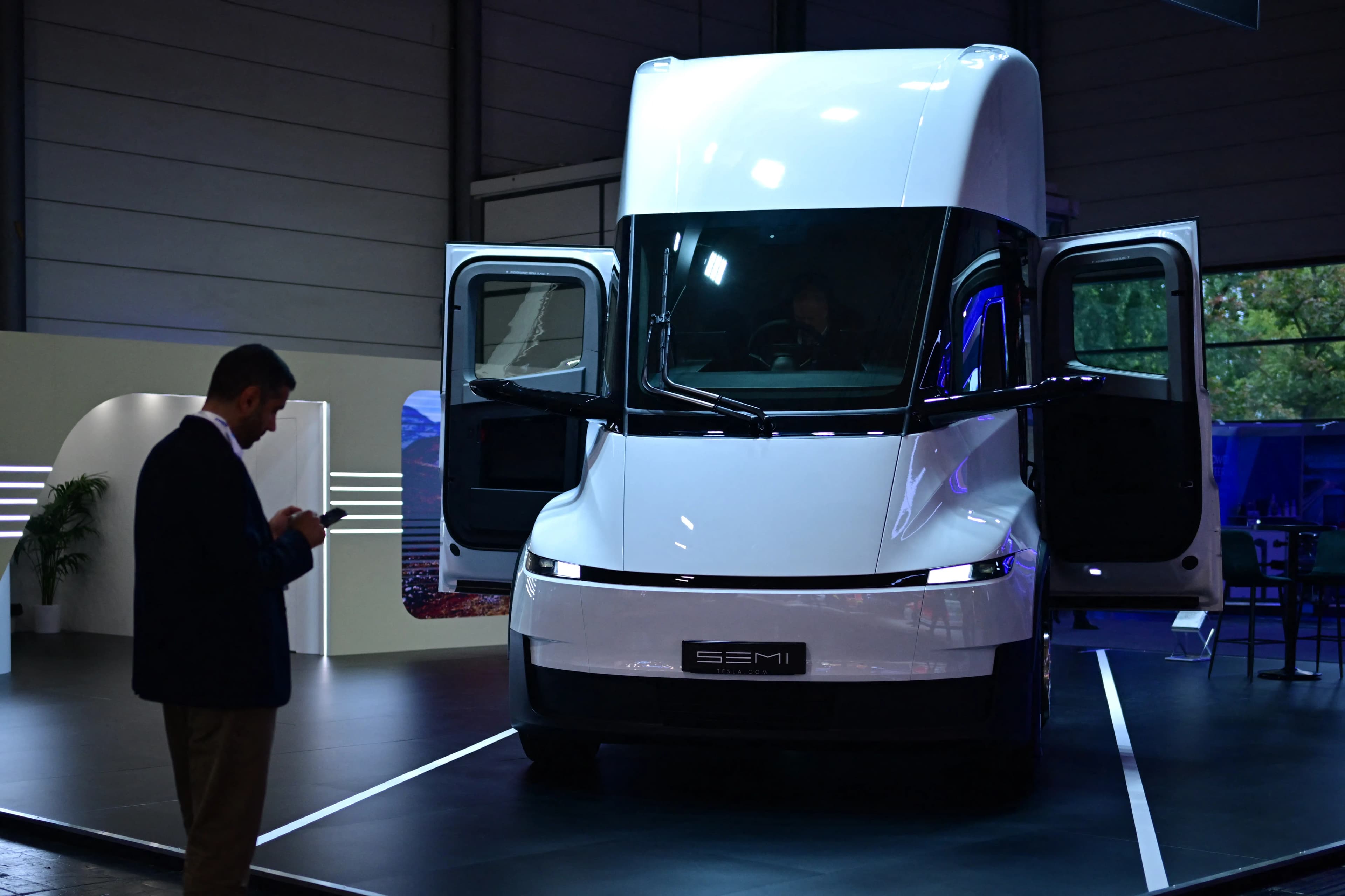
- Tesla initiated high-volume production of its electric Semi truck on September 25, 2026, at a new factory in Sparks, Nevada.
- Fleet operators including PepsiCo and DHL received initial deliveries, with a significant order of 2,500 units from the ZET SCALE alliance.
- The electric Semi offers ranges of up to 500 miles, positioning it as a competitive alternative to traditional diesel trucks amid high fuel prices.
The context you actually need
- Tesla unveiled the Semi in 2017, but production delays due to battery supply issues and engineering refinements pushed the launch to 2026.
- Current geopolitical tensions have driven diesel prices higher, making electric alternatives more appealing for cost-conscious fleet operators.
- The U.S. federal EV incentives have been reduced, creating a more challenging environment for electric vehicle adoption, yet the demand for cost-effective solutions remains strong.
What's really happening
Tesla's launch of the electric Semi truck marks a significant milestone in the electrification of the freight industry. After years of delays since its initial unveiling in 2017, the company has finally transitioned from pilot operations to high-volume production. The new factory in Sparks, Nevada, is designed to meet an ambitious annual production target of 50,000 units, reflecting Tesla's commitment to scaling its manufacturing capabilities.
The timing of this launch is critical. With diesel prices soaring due to geopolitical tensions, particularly the Iran conflict, fleet operators are increasingly looking for alternatives that can mitigate rising fuel costs. The electric Semi truck, with its long-range capabilities of up to 500 miles, presents a viable solution. Tesla executives emphasized the economic advantages of electric trucks over diesel, particularly in terms of lower operating costs. This is especially relevant for companies like PepsiCo and DHL, who are already integrating electric vehicles into their fleets.
The ZET SCALE alliance's order of 2,500 units is a testament to the growing confidence in electric heavy-duty trucks. This order nearly doubles the existing U.S. heavy-duty electric truck fleet, indicating a significant shift in market dynamics. As more fleet operators place orders, Tesla's manufacturing scalability will be put to the test, especially with competition from established players like Volvo and Freightliner.
Moreover, Tesla's plans to expand its Megawatt charging network to 30 stations by the end of the year will enhance the operational feasibility of electric trucks, addressing one of the major concerns regarding electric vehicle adoption in the freight sector. The expansion of charging infrastructure is crucial for supporting the growing number of electric trucks on the road.
In summary, the launch of the electric Semi truck is not just about introducing a new vehicle; it represents a broader shift towards electrification in the logistics and transportation sectors. As fleet operators adapt to changing fuel prices and seek more sustainable options, Tesla's electric Semi could play a pivotal role in reshaping the future of freight.
Who feels it first (and how)
- Logistics companies: They will need to evaluate the cost-effectiveness of integrating electric trucks into their fleets.
- Fleet managers: They will face pressure to adapt to new technologies and operational models.
- Energy providers: Increased demand for electricity from charging stations could impact energy markets.
- Consumers: Potentially lower shipping costs could translate to reduced prices for goods.
What to watch next
- Order volumes: Keep an eye on how many additional orders Tesla receives from fleet operators, as this will indicate market confidence in electric trucks.
- Charging infrastructure expansion: Monitor Tesla's progress in establishing its Megawatt charging network, which is crucial for supporting electric truck operations.
- Diesel price fluctuations: Changes in diesel prices will directly impact the attractiveness of electric trucks, influencing fleet operators' decisions.
Tesla has begun high-volume production and deliveries of the electric Semi truck.
Fleet operators will increasingly adopt electric trucks as a response to rising diesel prices.
The long-term impact of reduced federal EV incentives on electric truck adoption remains to be seen.
Frequently Asked Questions
- Why it matters?
- The launch of Tesla's electric Semi truck signals a pivotal shift in the freight industry, potentially lowering costs amid rising diesel prices.
- What happened (in 30 seconds)?
- Tesla initiated high-volume production of its electric Semi truck on September 25, 2026, at a new factory in Sparks, Nevada. Fleet operators including PepsiCo and DHL received initial deliveries, with a significant order of 2,500 units from the ZET SCALE alliance. The electric Semi offers ranges of up to 500 miles, positioning it as a competitive alternative to traditional diesel trucks amid high fuel prices.
- What's really happening?
- Tesla's launch of the electric Semi truck marks a significant milestone in the electrification of the freight industry. After years of delays since its initial unveiling in 2017, the company has finally transitioned from pilot operations to high-volume production. The new factory in Sparks, Nevada, is designed to meet an ambitious annual production target of 50,000 units, reflecting Tesla's commitment to scaling its manufacturing capabilities. The timing of this launch is critical. With diesel
- Who feels it first (and how)?
- Logistics companies: They will need to evaluate the cost-effectiveness of integrating electric trucks into their fleets. Fleet managers: They will face pressure to adapt to new technologies and operational models. Energy providers: Increased demand for electricity from charging stations could impact energy markets. Consumers: Potentially lower shipping costs could translate to reduced prices for goods.
- What to watch next?
- Order volumes: Keep an eye on how many additional orders Tesla receives from fleet operators, as this will indicate market confidence in electric trucks. Charging infrastructure expansion: Monitor Tesla's progress in establishing its Megawatt charging network, which is crucial for supporting electric truck operations. Diesel price fluctuations: Changes in diesel prices will directly impact the attractiveness of electric trucks, influencing fleet operators' decisions.
Tech news, hardware, and AI tools coverage.
"PC/tech site increasingly covering AI hardware and apps."
— A47 Editor
Tesla Semi enters volume production after years of delays
Tesla has officially entered volume production of its Semi trucks at its Sparks, Nevada plant, aiming to produce 50,000 trucks annually after years of delays. Previously, the company delivered a limited number of trucks to PepsiCo in 2022, which were...
Global business headlines with AI angles.
"General business outlet that frequently covers AI."
— A47 Editor
Tesla Makes Its Biggest Semi Push Yet. Nevada Factory Opens With 50,000-Truck Annual Goal.
Tesla has inaugurated a new factory in Sparks, Nevada, with an ambitious goal of producing 50,000 Semi trucks annually, marking a significant step nearly nine years after the vehicle's initial unveiling in 2017.
Emerging technologies, digital transformation, IT, and cultural impact of tech.
"WIRED covers the intersection of technology, culture, and politics with a progressive, forward-looking editorial stance."
— A47 Editor
Nearly a Decade Later, the Electric Tesla Semi Is Here
Tesla has officially launched the long-anticipated electric Semi truck at an event in Nevada, marking a significant milestone in the company's journey toward clean transportation nearly a decade after its initial announcement.